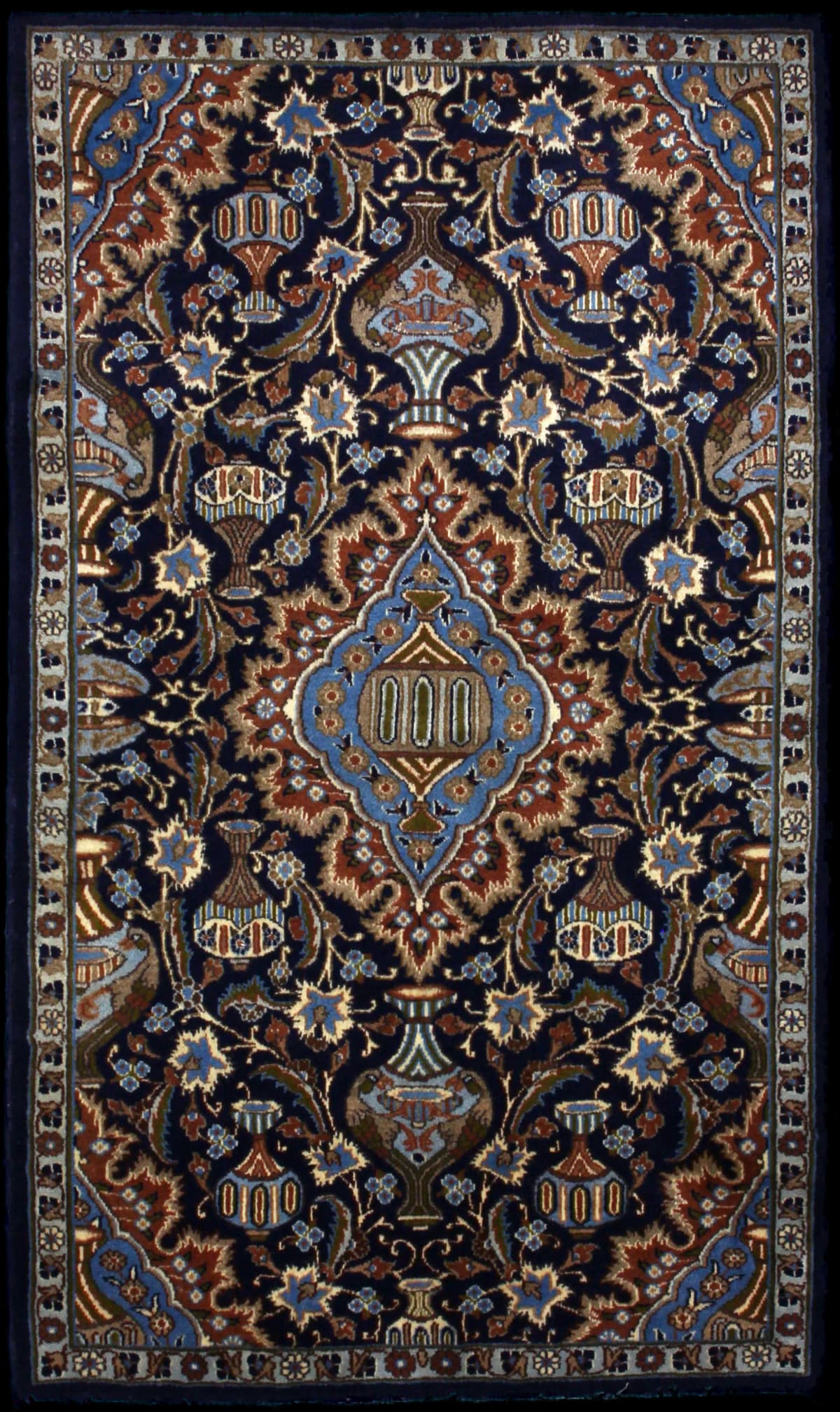
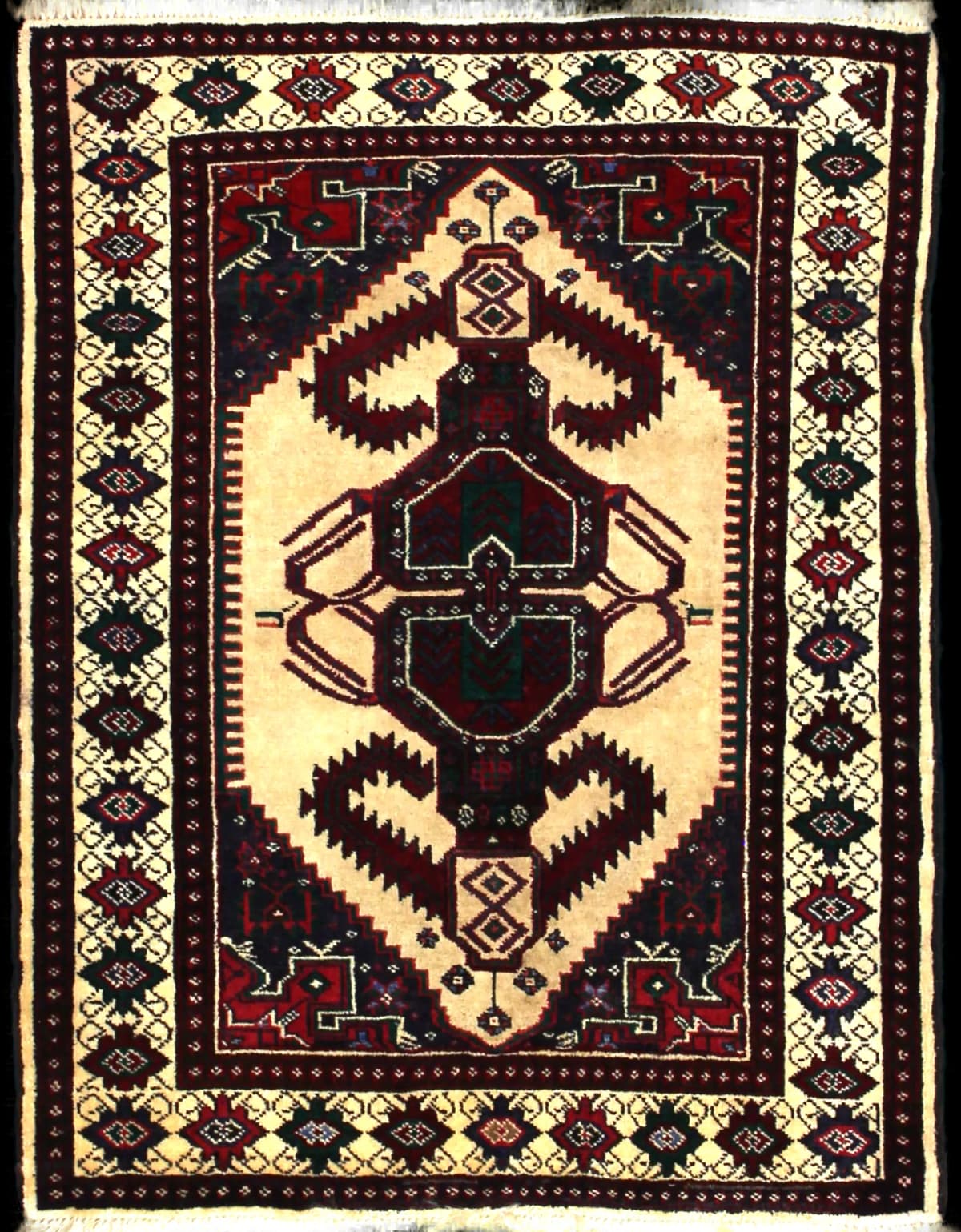
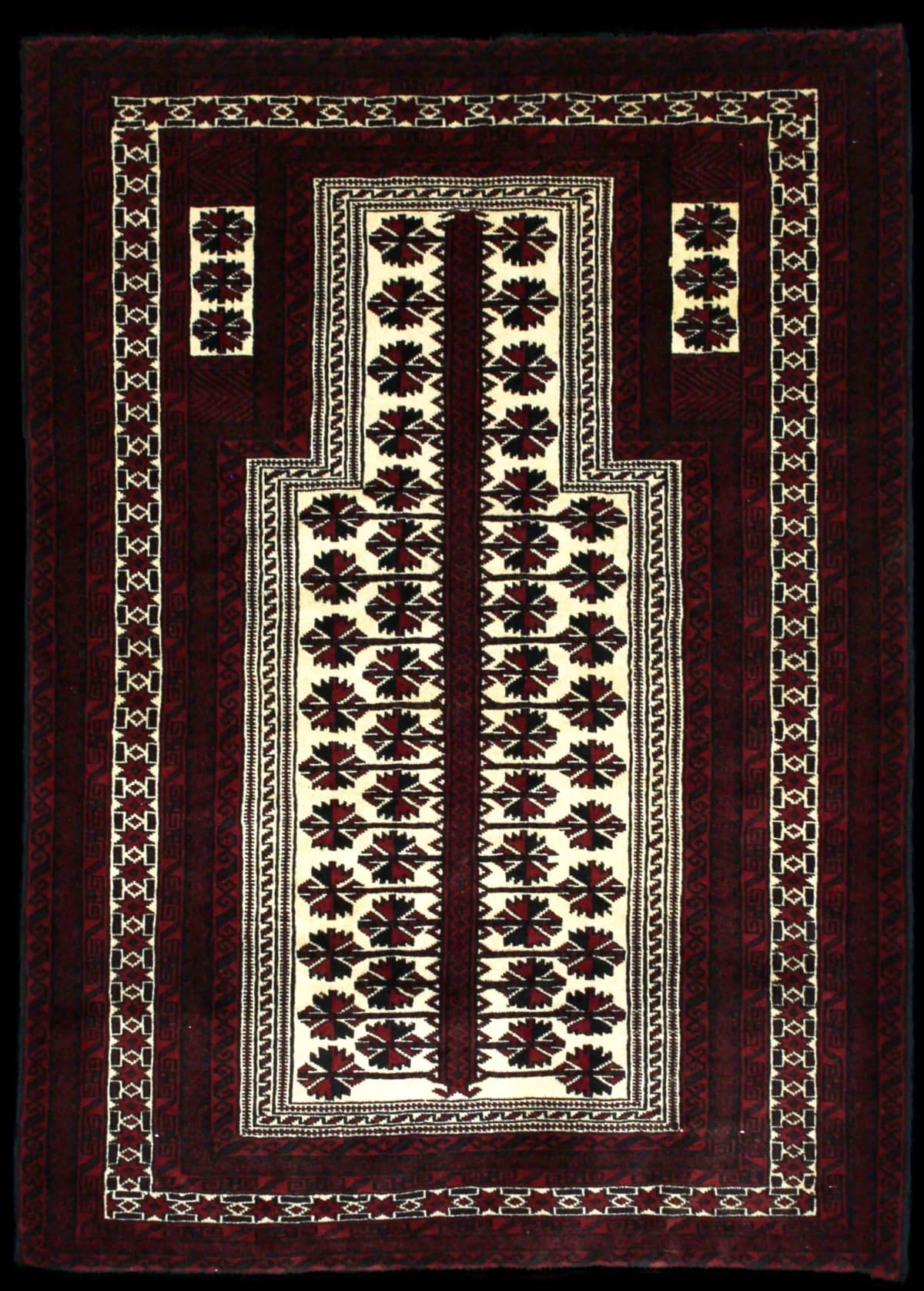
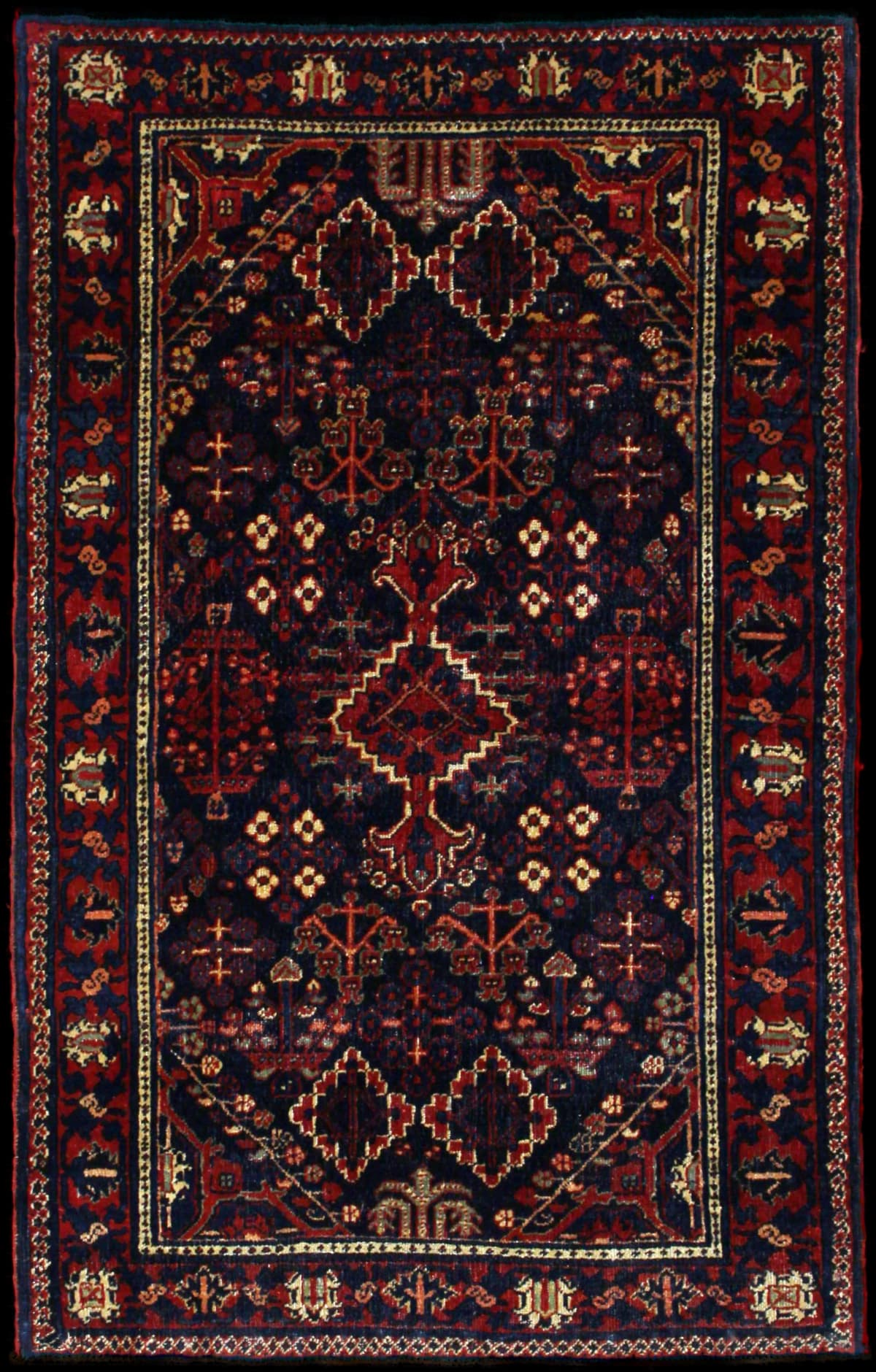
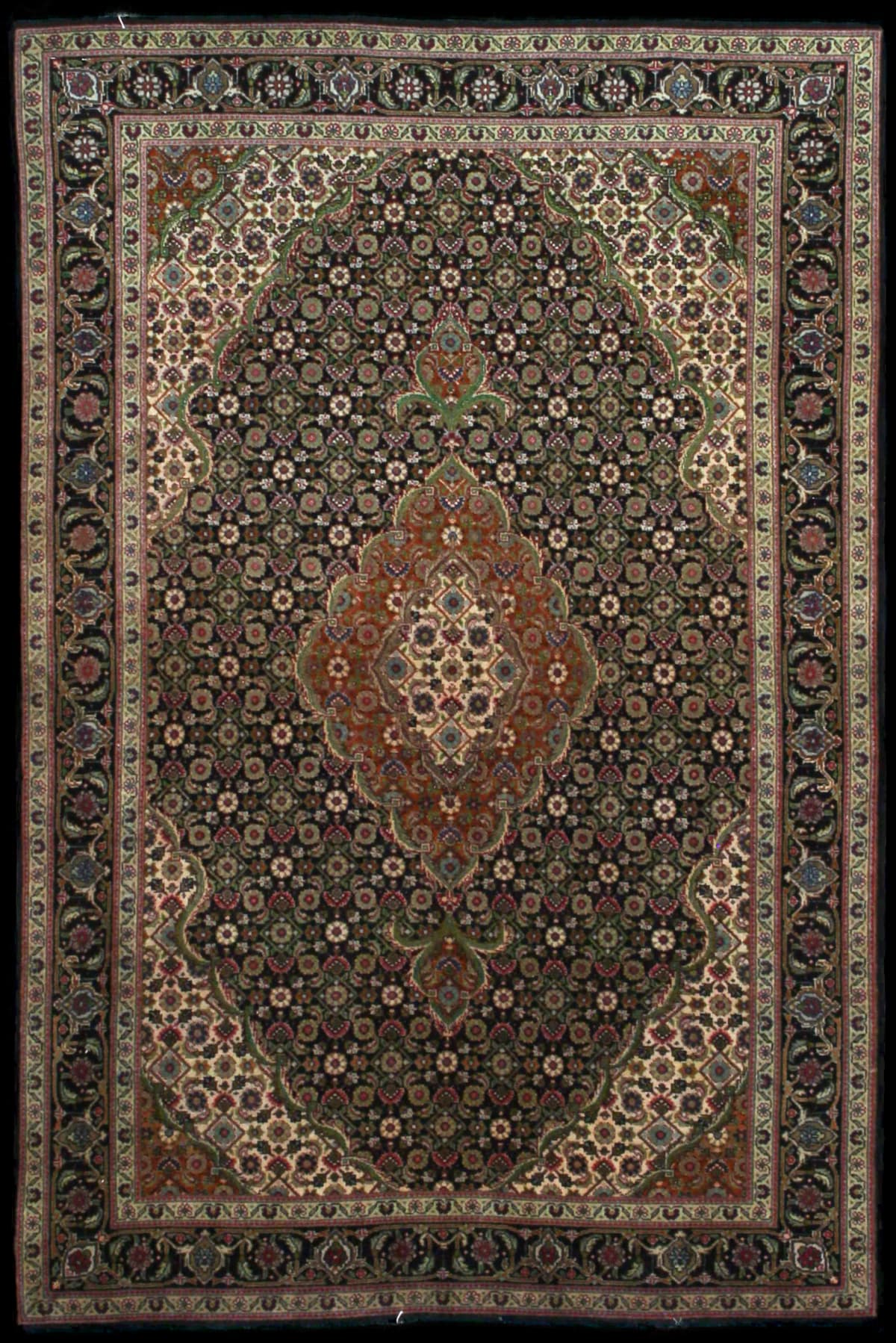
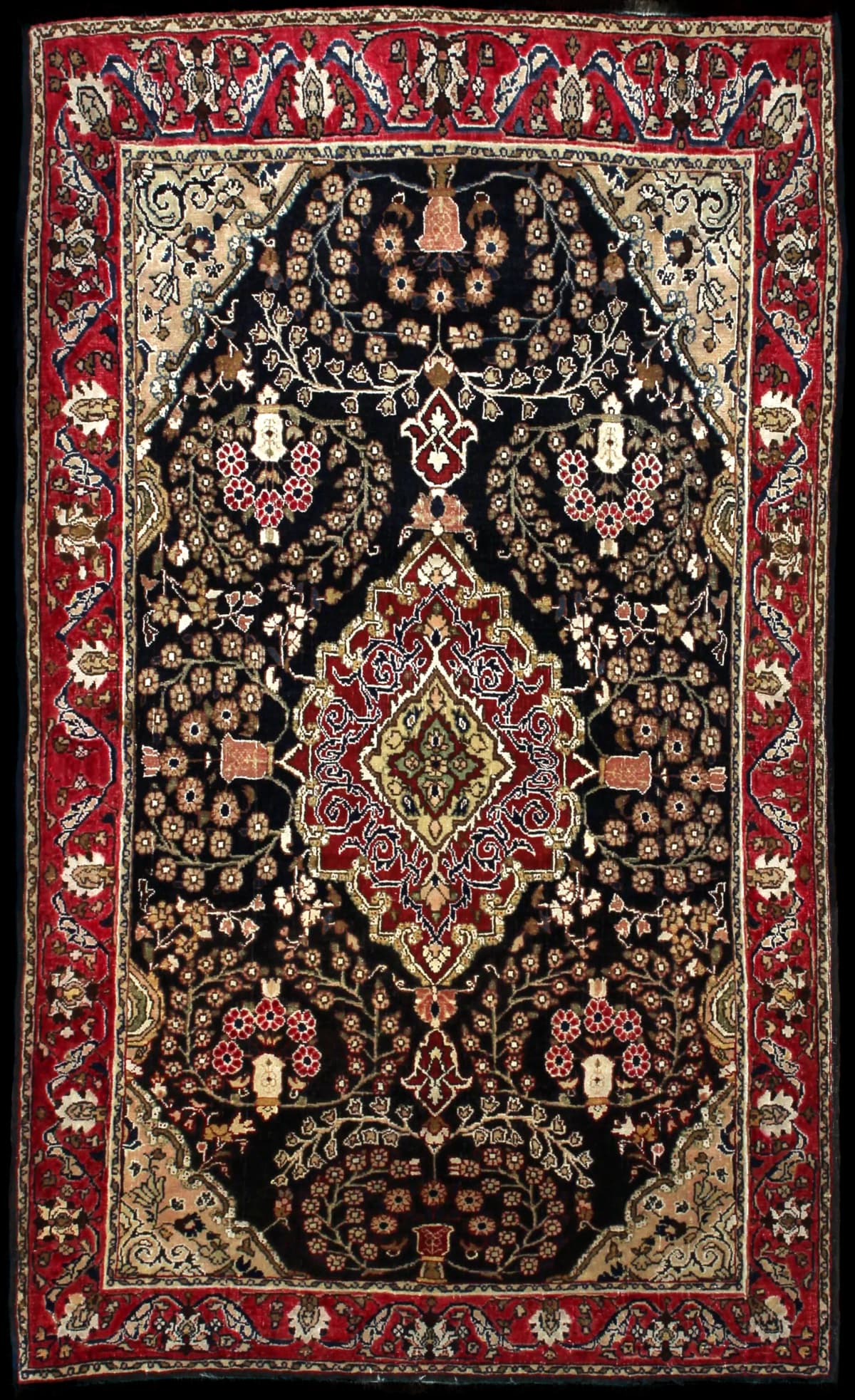
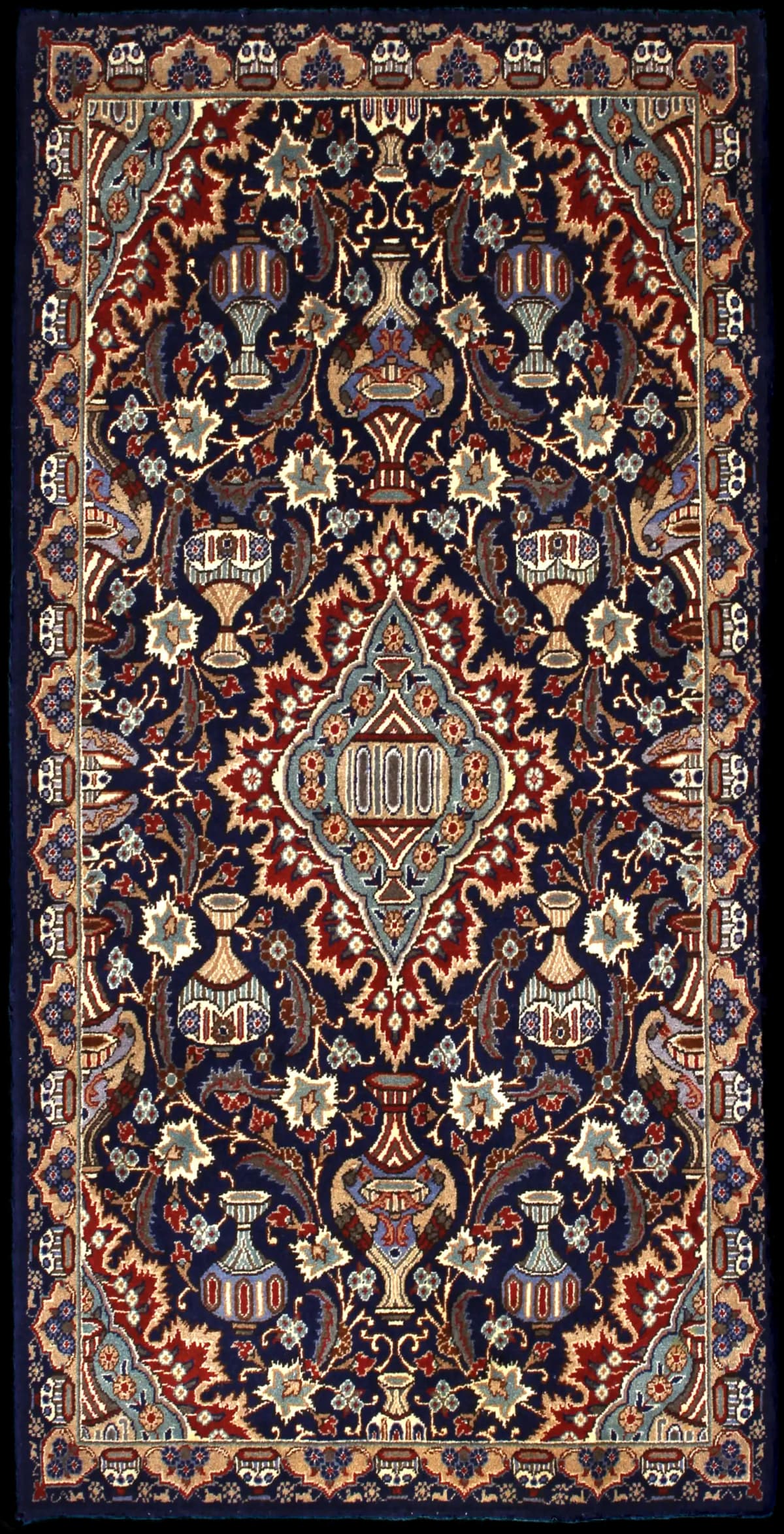
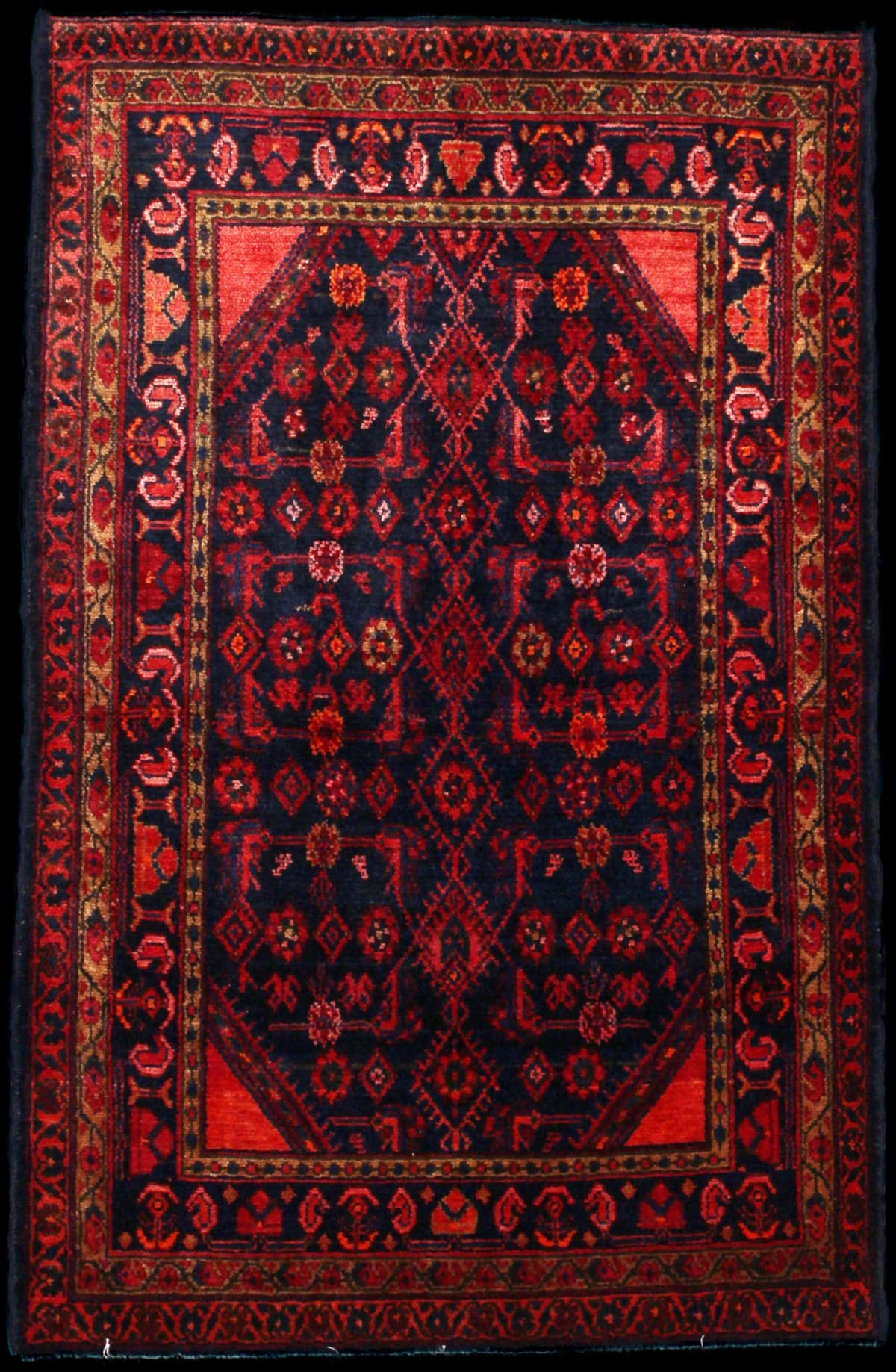
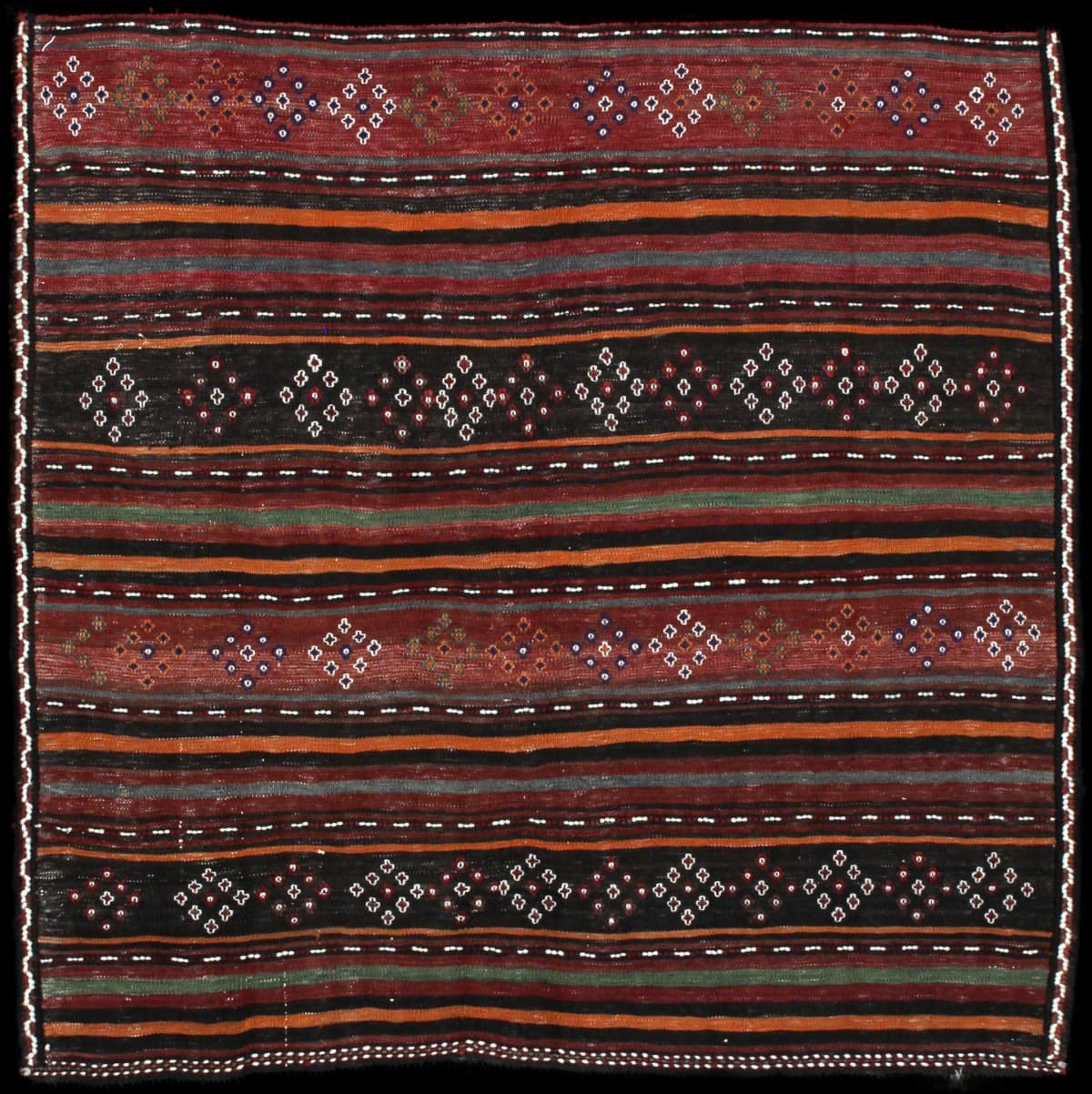
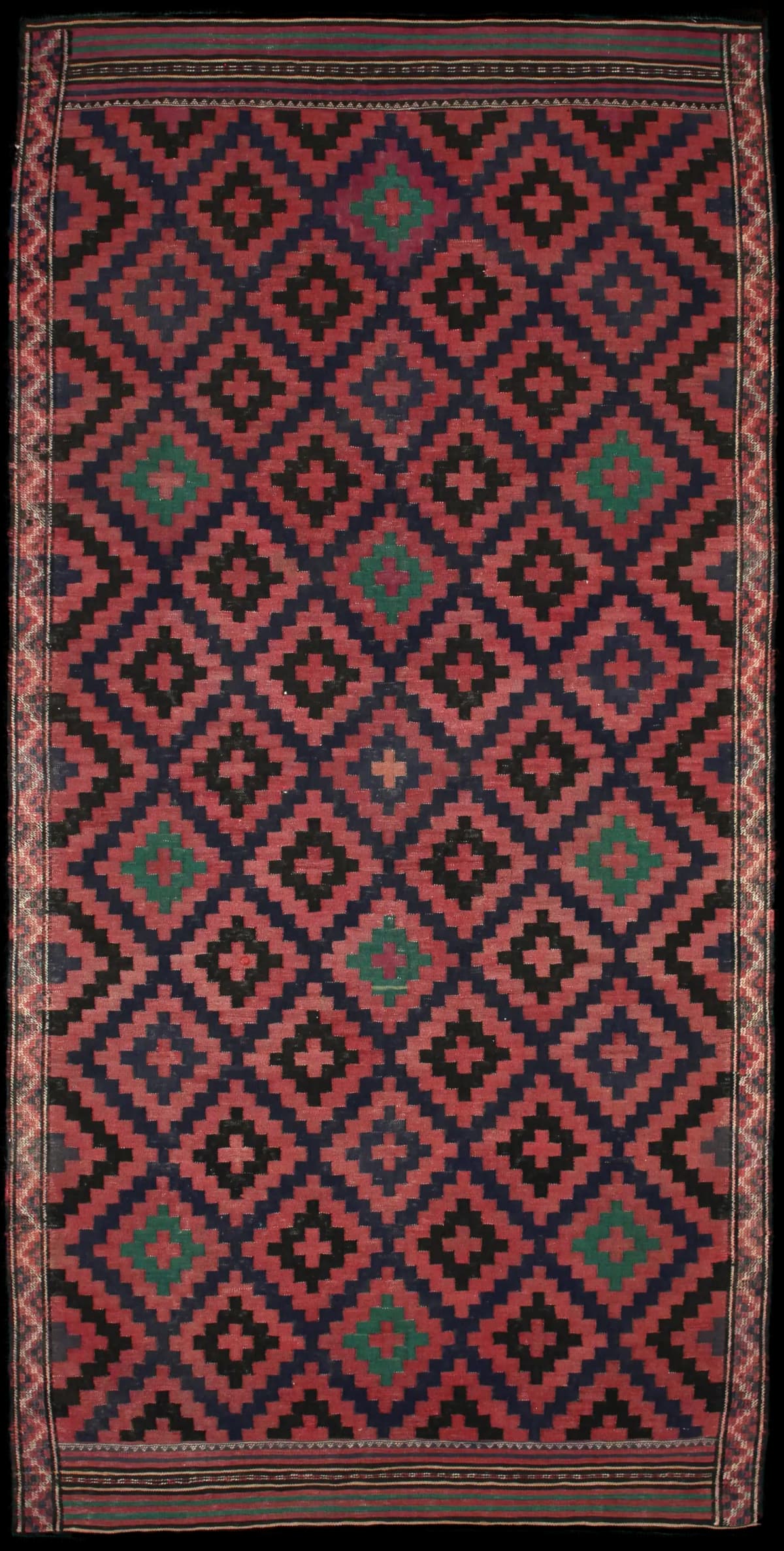
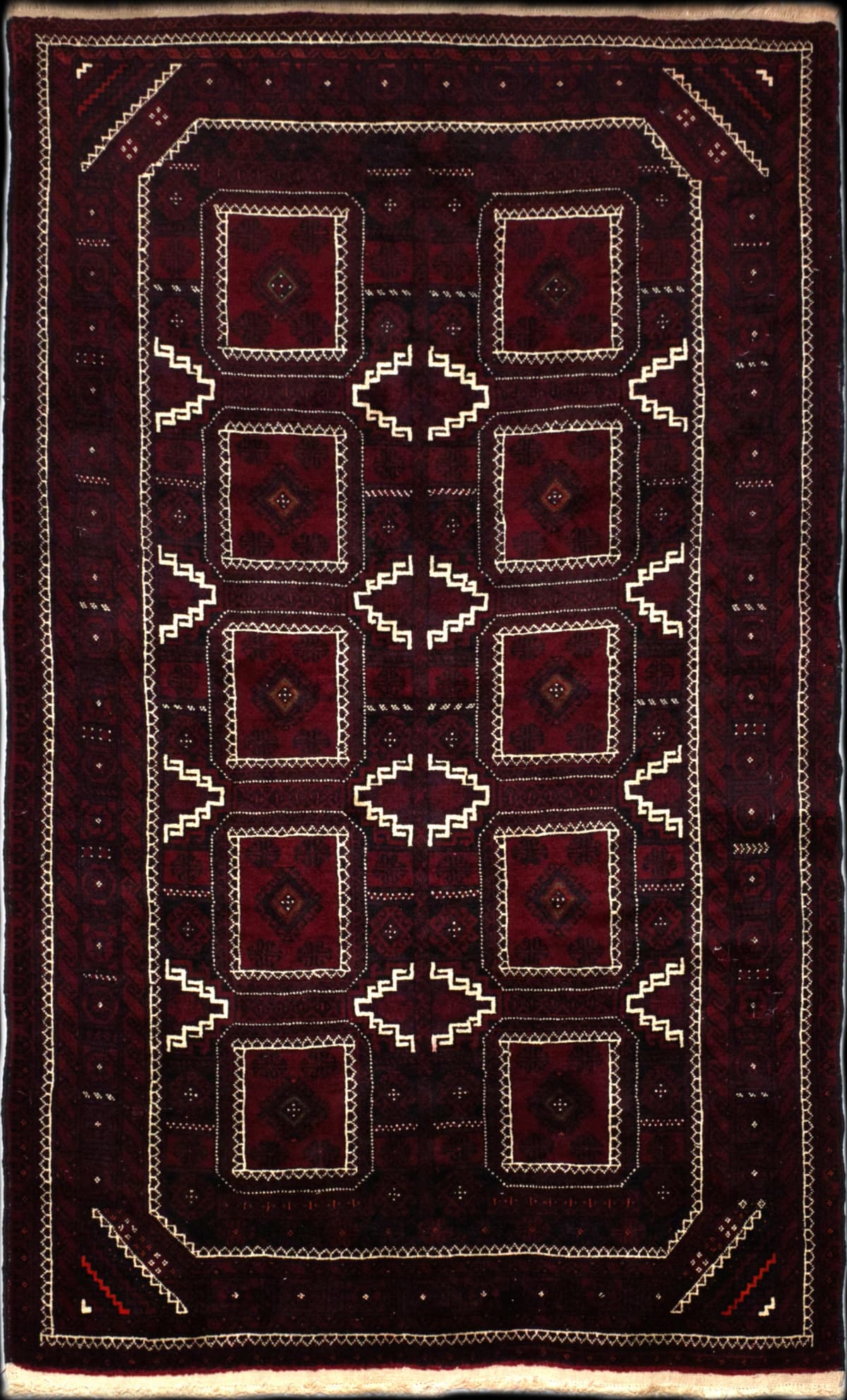
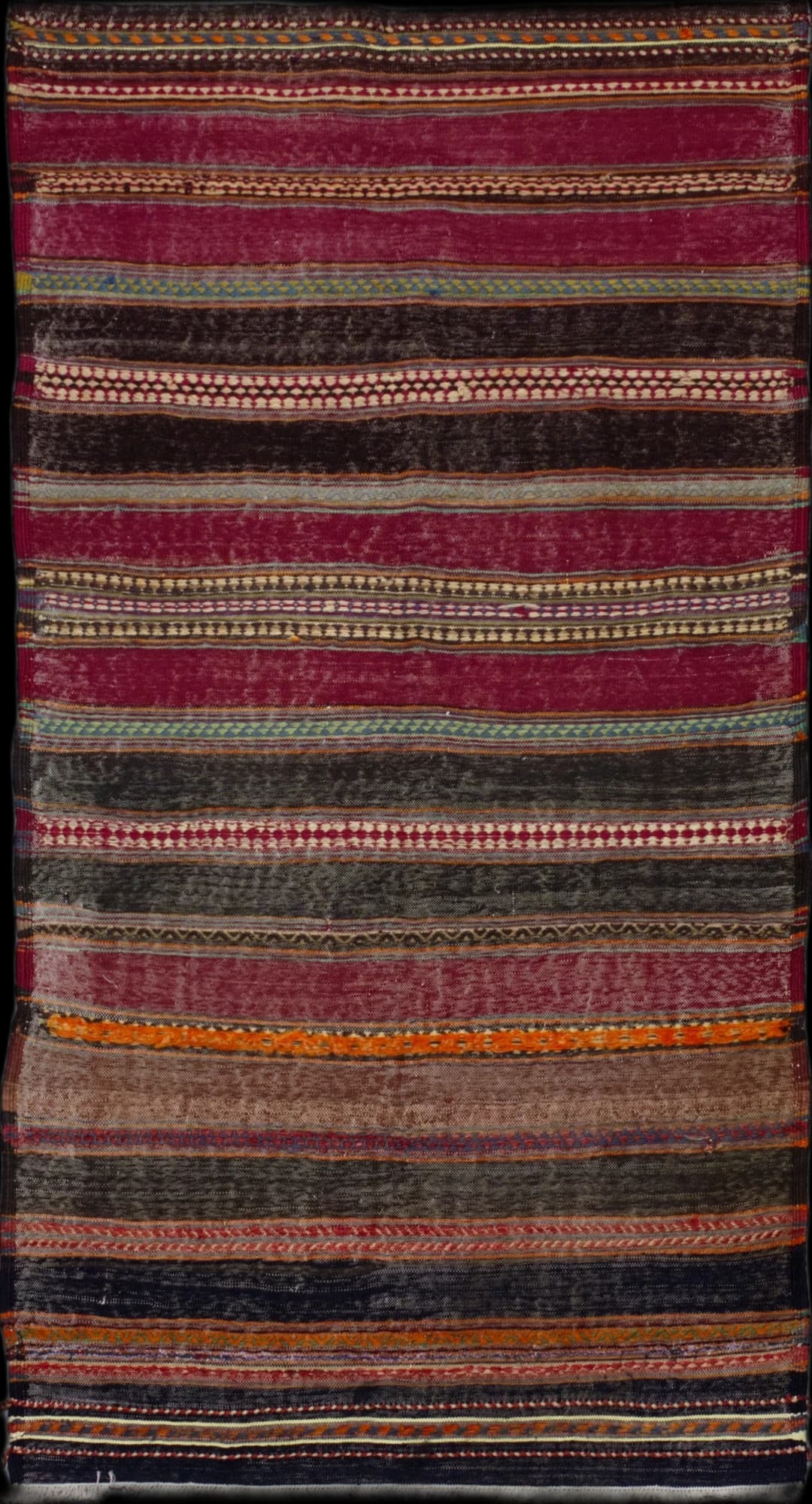
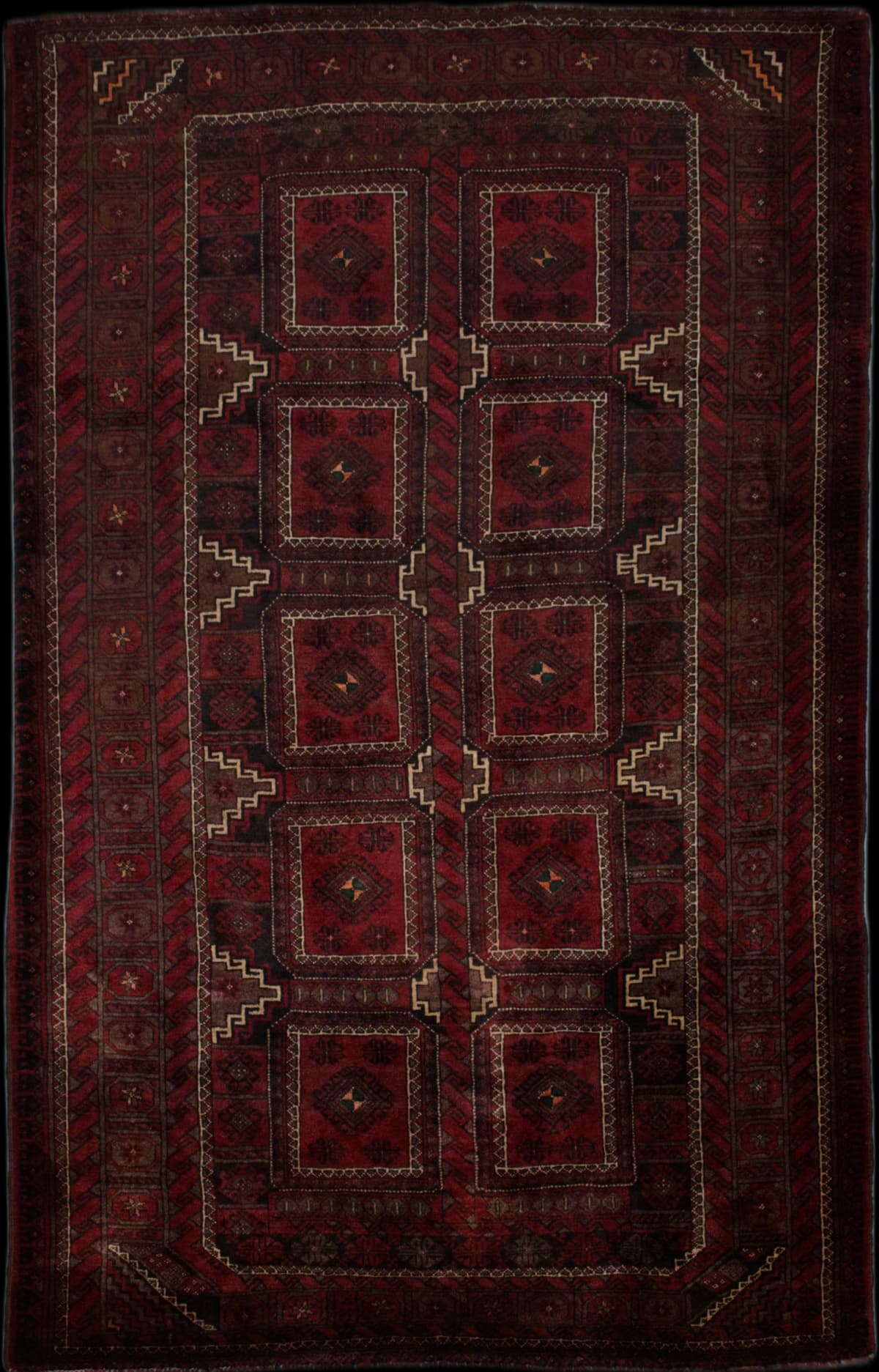
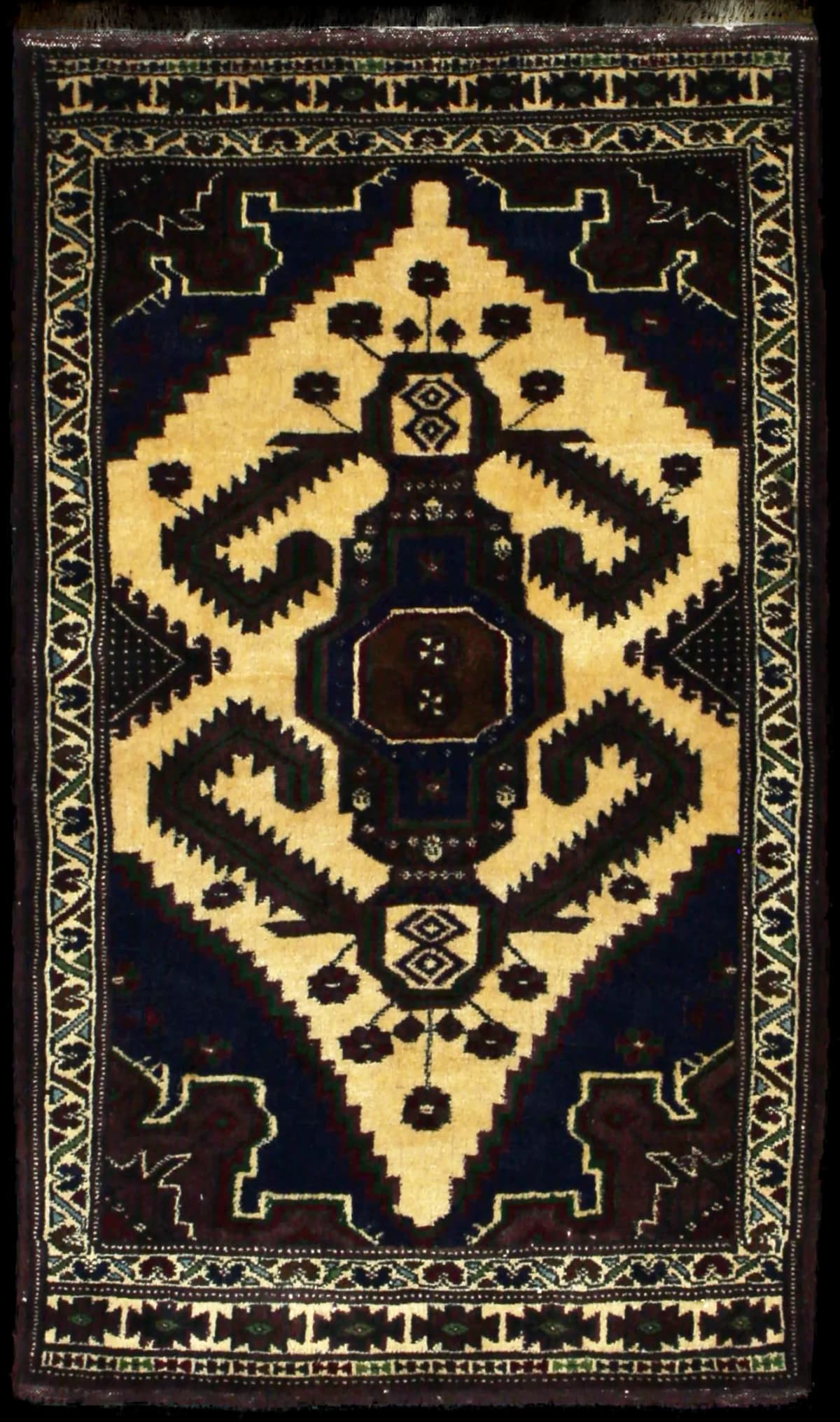
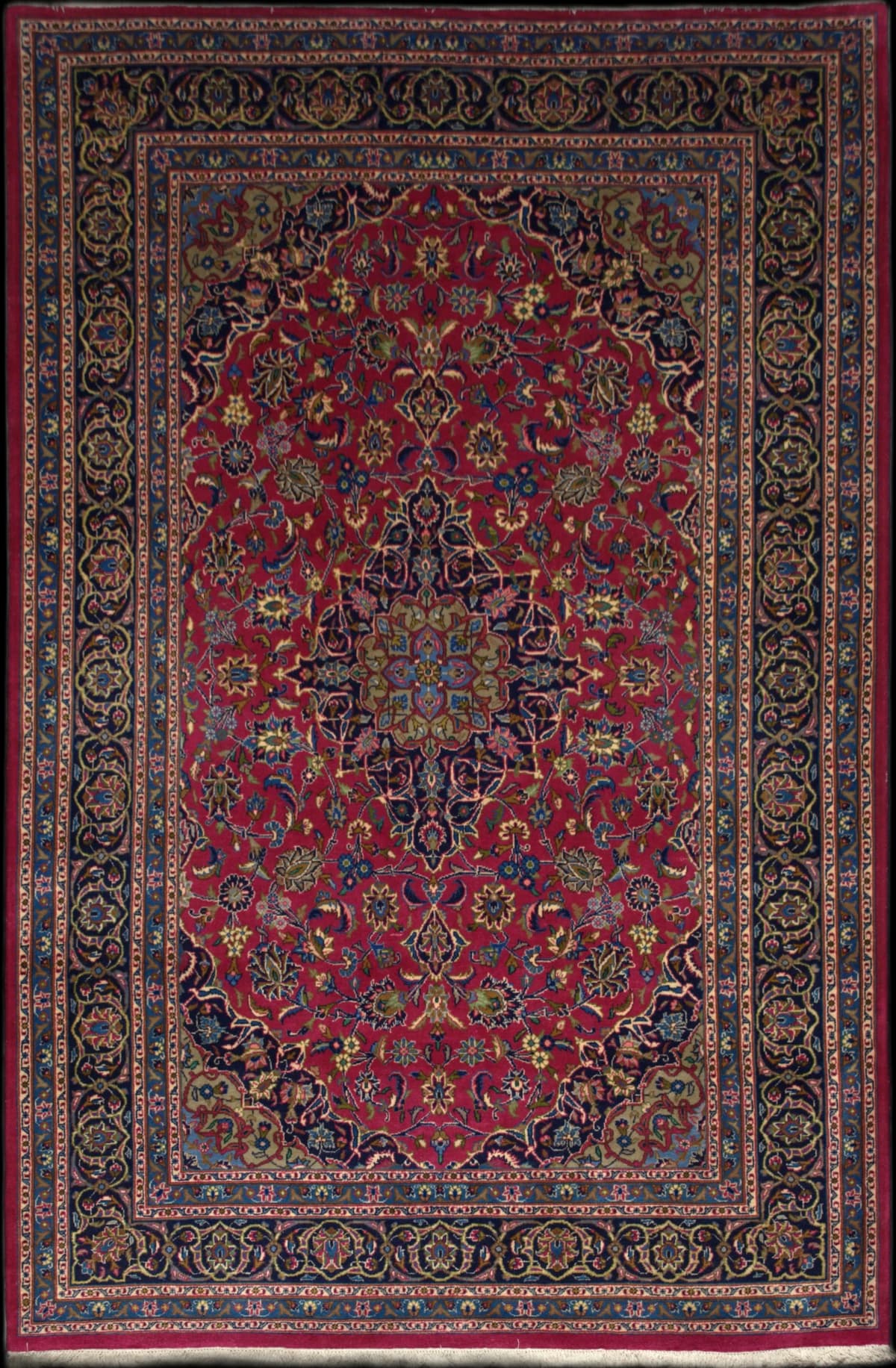
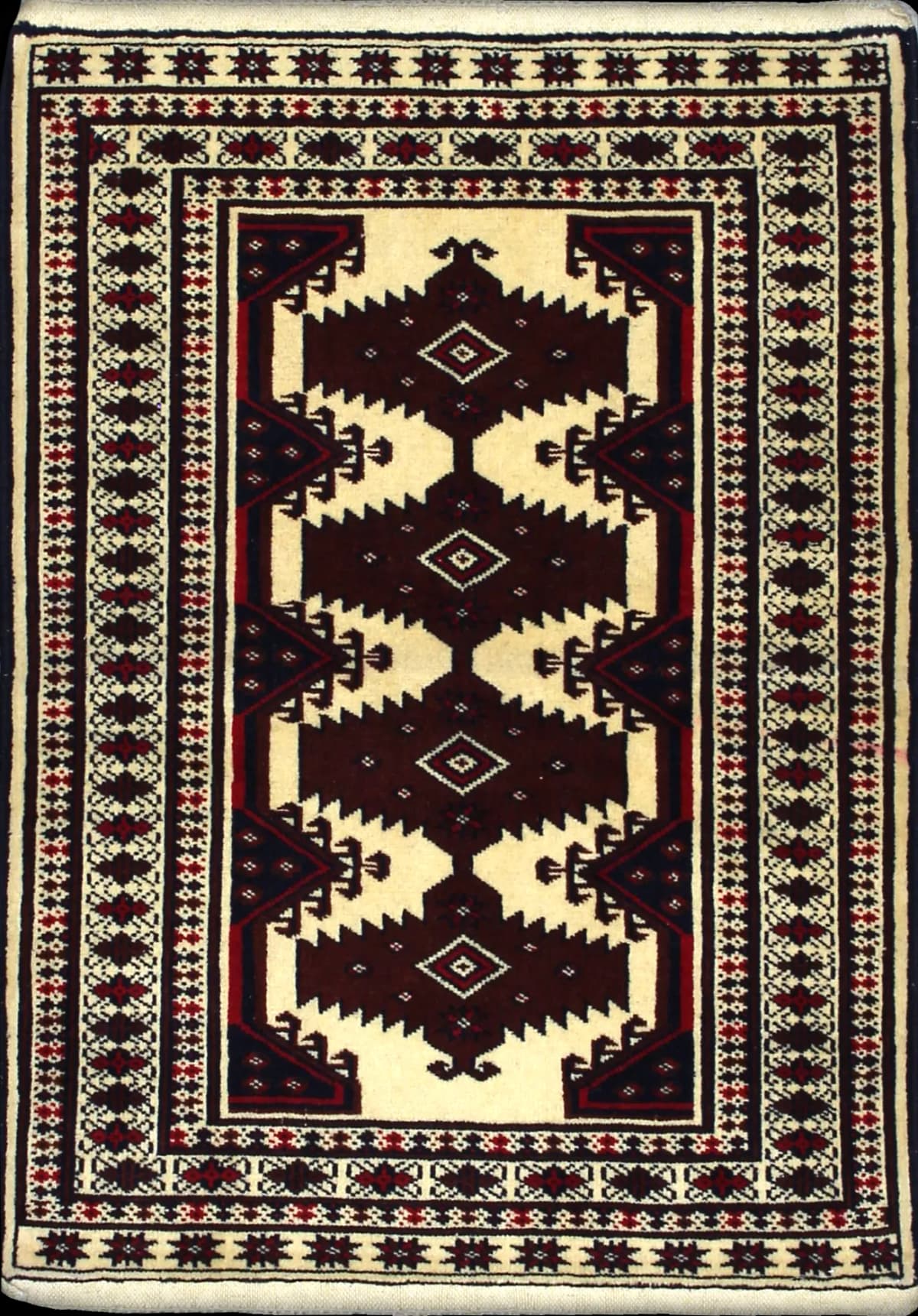
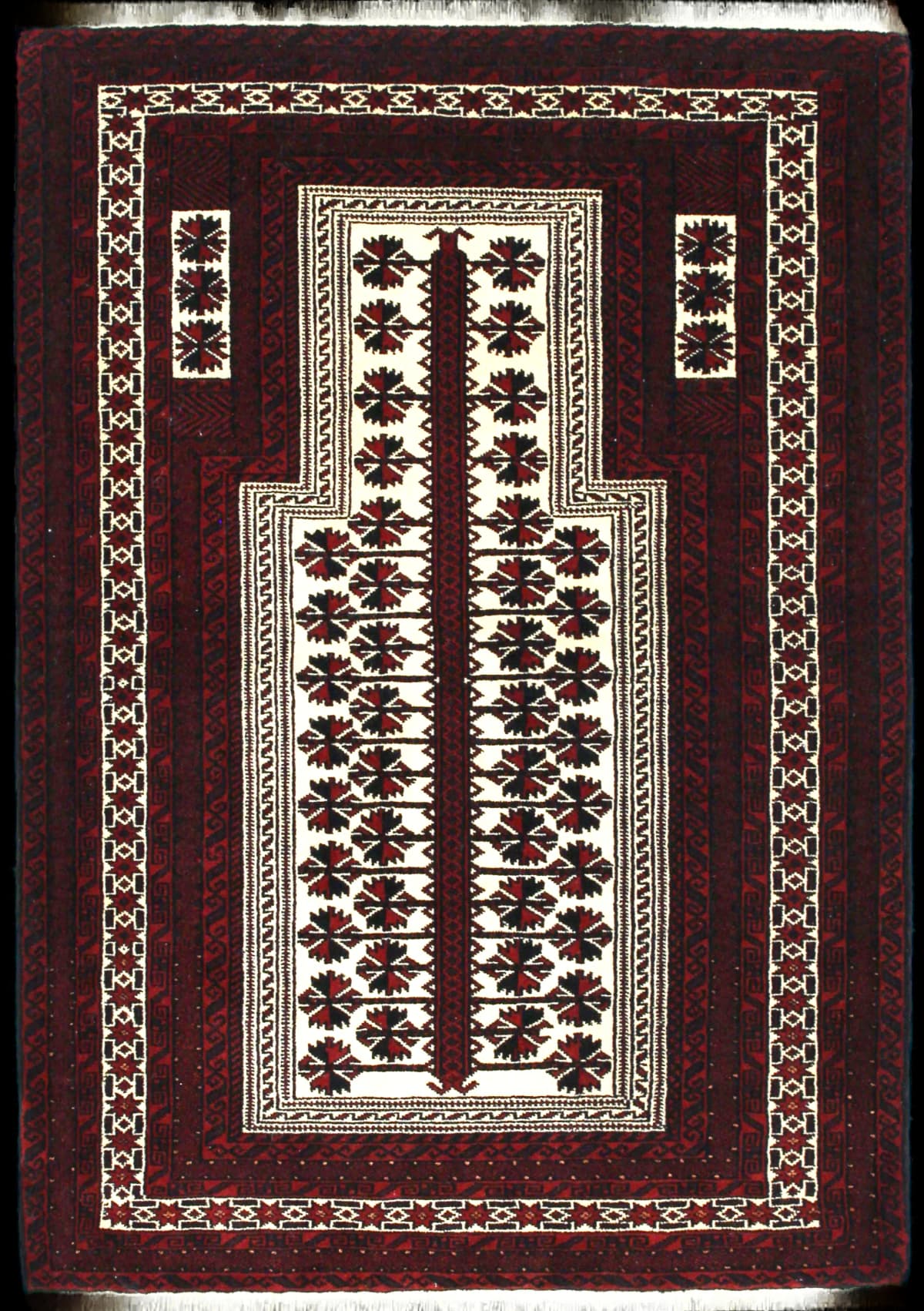
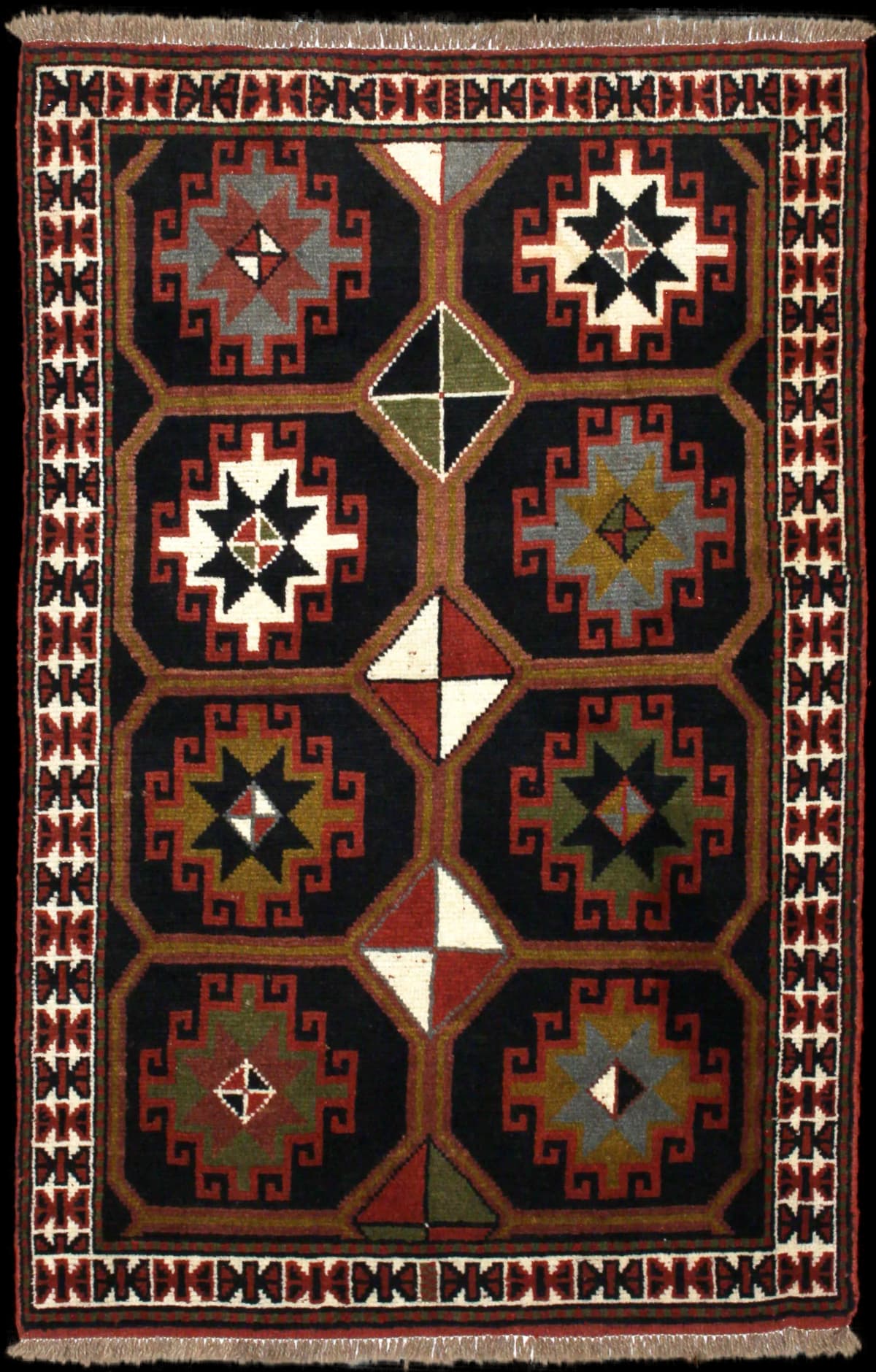
At YourCarpet.com, we celebrate the bold elegance of black rugs. These dramatic floor coverings harness the architectural power of shadow and depth, bringing sophistication, contrast, and unexpected dimension to interior spaces. A black carpet transforms a room with its anchoring presence, creating environments that feel simultaneously luxurious and contemporary.
Far from creating darkness, black area rugs actively enhance spatial perception and elevate surrounding elements. Black's unique ability to recede visually while creating tonal contrast with lighter elements generates environments with exceptional depth and definition—qualities that make black carpets particularly valuable in contemporary interior design where architectural emphasis and sophisticated contrast are increasingly prioritized.
The Nuanced Spectrum of Black: From Charcoal to Onyx
The black family encompasses a more diverse palette than commonly perceived, each variation creating distinctive spatial effects:
Soft Charcoal and Graphite: These lighter blacks with subtle gray undertones create sophisticated depth without overwhelming visual weight. Often described as sculptural shadows, these nuanced tones bring architectural interest to interiors while maintaining an approachable elegance that works beautifully in diverse settings.
Rich Ebony and Jet: True blacks with balanced undertones create dramatic statements with timeless authority. These classic blacks function almost as liquid space in interiors, creating the visual impression of infinite depth while providing powerful contrast that heightens surrounding elements.
Complex Raven and Ink: Blacks with blue or purple undertones bring sophisticated coolness and contemporary edge to interiors. These complex, deep tones create spaces with intellectual resonance and urban sophistication, perfect for settings that balance dramatic impact with refined restraint.
Warm Onyx and Obsidian: Blacks with brown or amber undertones create spaces with unexpected warmth and organic connection. These rich, dimensional blacks reference natural materials like volcanic glass and precious stone, bringing an earthen luxury to contemporary environments.
Matte Coal and Midnight: Blacks with textural depth and light-absorbing qualities create multidimensional environments with tactile interest. These sophisticated blacks change subtly with different lighting conditions, revealing complex depths that prevent them from appearing flat or static.
Design Psychology: The Transformative Effects of Black
Black rugs offer distinctive psychological and spatial advantages that enhance architectural impact:
: Black naturally recedes visually, creating the perception of expanded space and architectural dimension. This depth-generating quality makes particularly valuable in contemporary spaces where spatial layering enhances design sophistication.
Providing Grounding Presence: Black's visual weight anchors spaces and creates a sense of stability and permanence. This grounding effect provides psychological comfort while allowing more ephemeral design elements to shine against a secure foundation.
Enhancing Other Colors: When used as a foundation, black dramatically intensifies the vibrancy and clarity of other colors in a space. This color-enhancing quality makes black an exceptional background that allows decorative elements to achieve maximum visual impact.
Creating Luxury Perception: Black has long been associated with sophistication and exclusivity, conveying an inherent sense of luxury and refinement. This perception-enhancing quality makes black area rugs particularly effective in spaces where an atmosphere of elegance is desired.
Defining Architectural Zones: Black creates clear visual boundaries that effectively structure space without physical barriers. This zoning capacity makes black carpets exceptionally useful in open-plan environments where spatial definition enhances both functionality and design clarity.
Black Carpets Across Interior Styles
The versatility of black rugs allows them to enhance diverse design aesthetics:
Contemporary and Minimalist: Clean-lined ebony and graphite black carpets create architectural foundations in modern interiors. These sophisticated backgrounds enhance minimalism's emphasis on form and space while preventing stark environments from feeling austere or unwelcoming.
Industrial and Urban: Matte black and charcoal rugs complement the raw materials and structural elements of industrial-inspired spaces. These textural blacks enhance urban aesthetics with sophisticated edge while softening hard surfaces and improving acoustic comfort.
Classic and Traditional: Rich onyx black rugs with traditional patterns bring unexpected sophistication to classic interiors. These timeless pieces reference historical precedents from Persian court carpets to Victorian drawing rooms, creating heritage connections with contemporary relevance.
Transitional and New Traditional: Nuanced blacks with subtle undertones create perfect foundations for transitional interiors blending classic and contemporary elements. These sophisticated blacks function as new neutrals that unify diverse design influences while maintaining elegant restraint.
Dramatic Maximalist: Deep, dimensional blacks provide exceptional backgrounds for maximalist interiors rich with pattern and color. These luxurious foundations allow diverse decorative elements to cohere rather than compete, creating sophisticated abundance rather than visual chaos.
Styling Strategies: Making Black Work Beautifully
Black carpets offer remarkable versatility when thoughtfully integrated into interiors:
Balance with Light: Pair black rugs with adequate ambient illumination and reflective surfaces to create balanced environments. Without sufficient light, black can absorb available illumination rather than creating sophisticated depth.
Layer with Texture: Incorporate varied textures throughout a space featuring a black carpet to create visual and tactile interest. Textural elements like natural fibers, plush textiles, and dimensional surfaces prevent black from appearing flat or monolithic.
Harmonize with Woods: Consider your wood tones when incorporating black—cooler blacks like graphite complement gray-toned woods and painted finishes, while warmer blacks like onyx create sophisticated harmony with rich walnut and mahogany.
Create Breathing Room: Ensure adequate negative space around a black carpet to allow its dramatic presence room to register. Black becomes most impactful when it has sufficient spatial context rather than competing with too many other substantial elements.
Use Meaningful Contrast: Pair black with intentional contrasts in tone, texture, or material to create dynamic interiors. The classic combination of black with white or cream creates timeless sophistication, while black with metallic elements like brass or chrome adds luxurious dimension.
Our collection of black carpets offers thoughtfully curated options ranging from soft charcoal to rich onyx. Whether you seek the subtle sophistication of a graphite transitional piece, the bold architectural statement of a jet contemporary design, or the unexpected warmth of an obsidian pattern with traditional influences, our black rugs provide the perfect foundation for creating spaces with dramatic depth, luxurious contrast, and timeless elegance.
Main ColorsYou ticked Black, so every rug here has Black in it (many have other colors too). Tick a second color and a rug will need both — you'll see fewer rugs.Accent ColorsTick a color and we'll show every rug with a small touch of it — other touches are fine too, as long as yours is there. Tick two colors and a rug needs both touches. So: more ticks, fewer rugs.