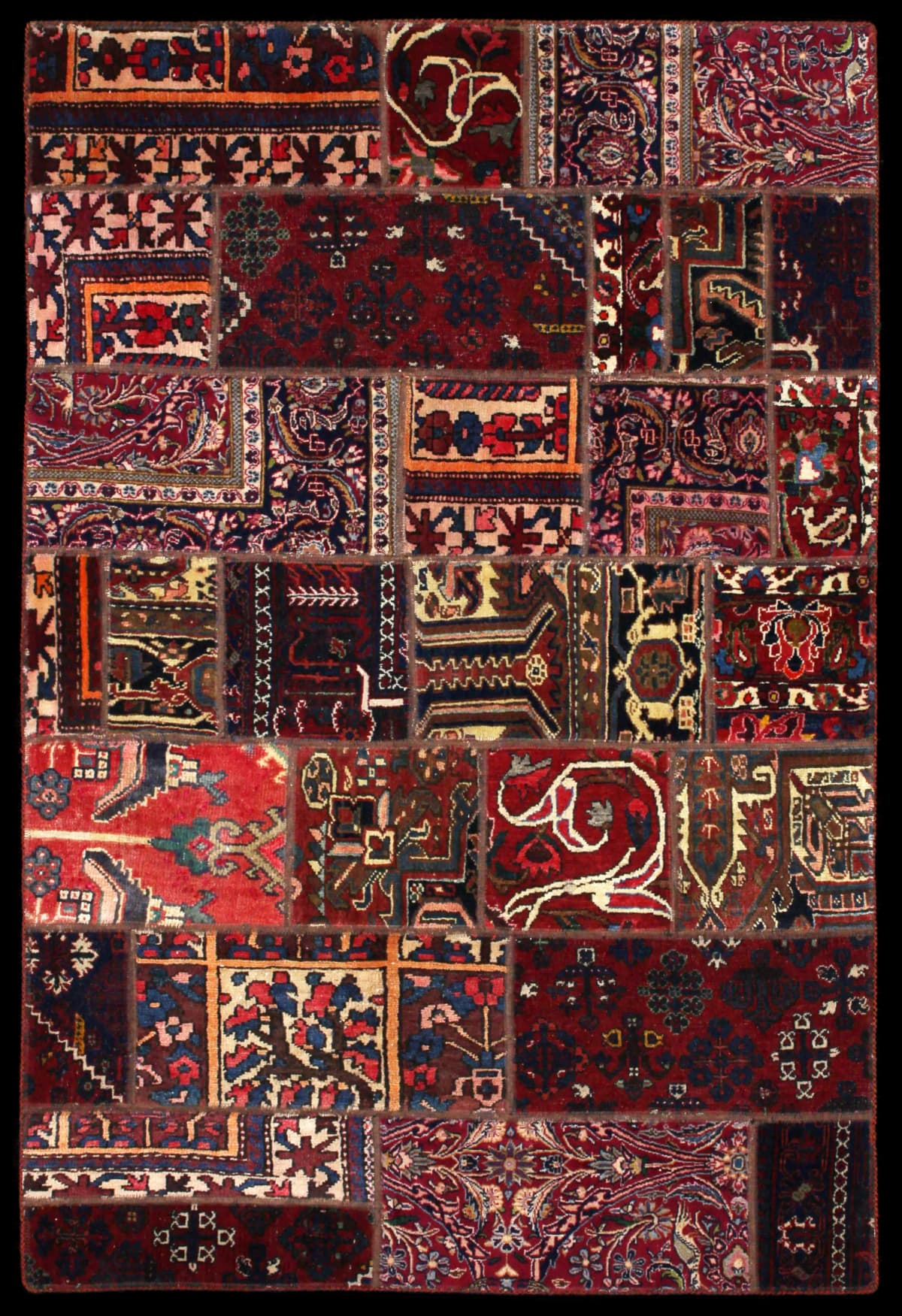
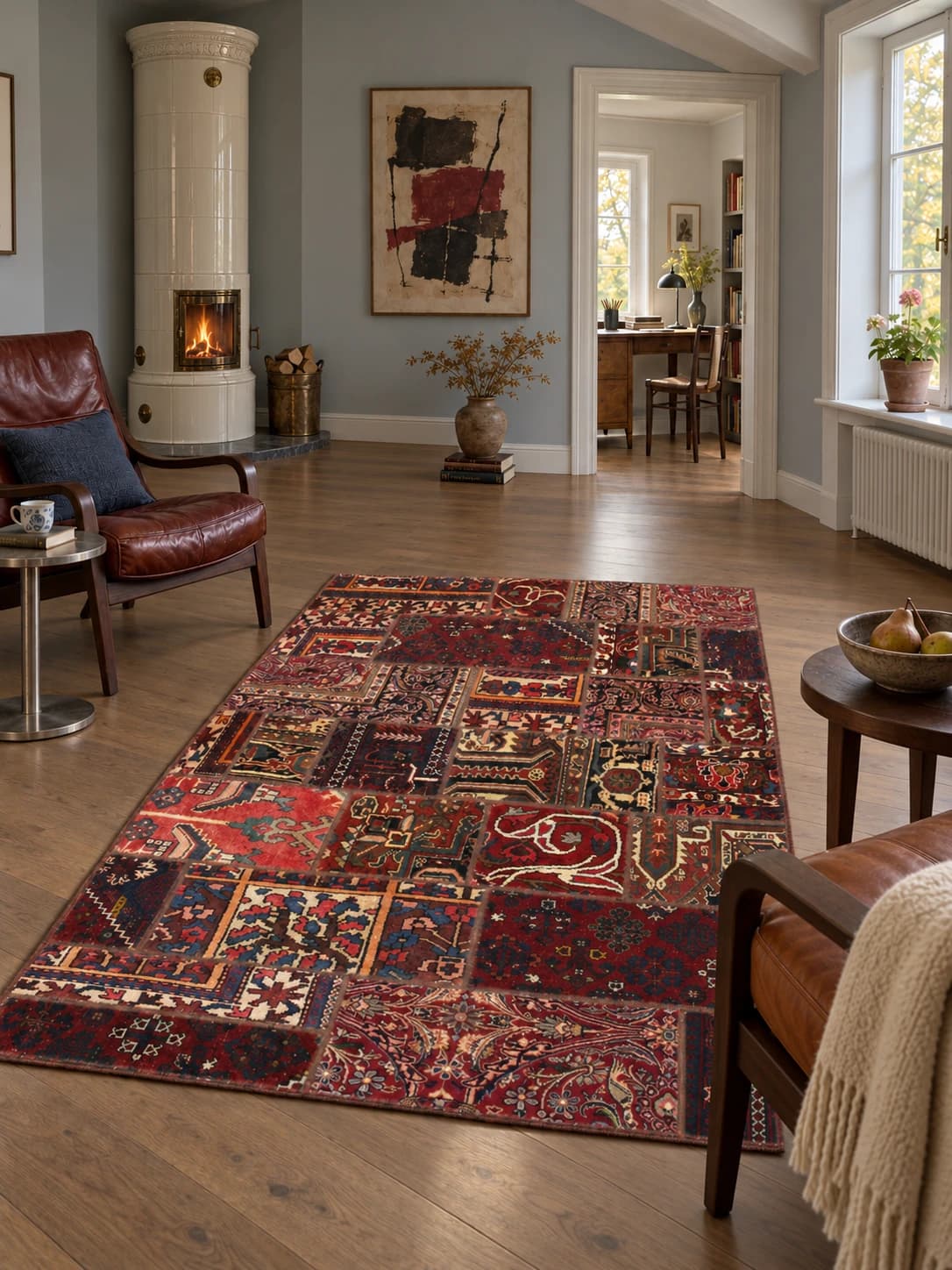
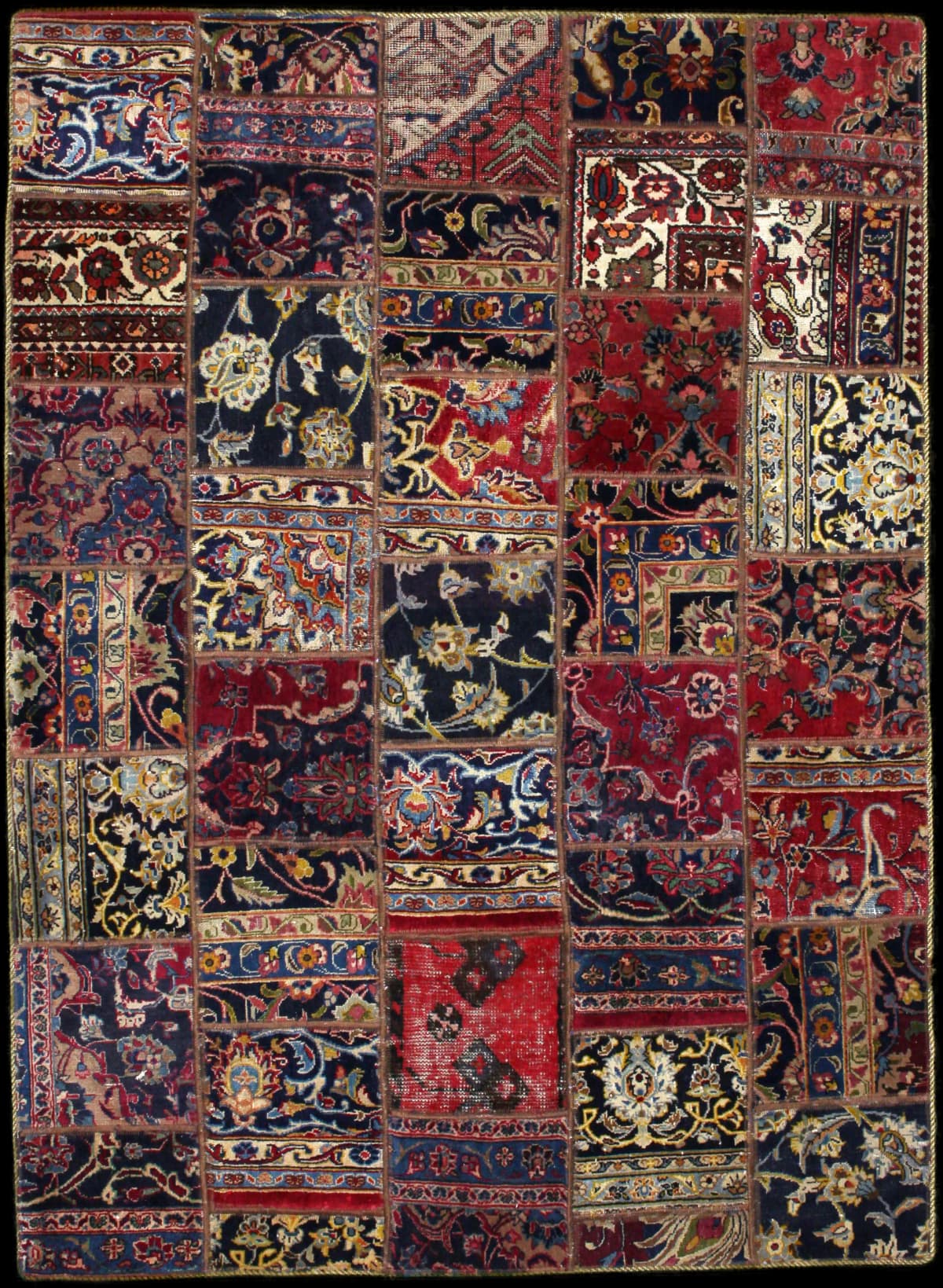
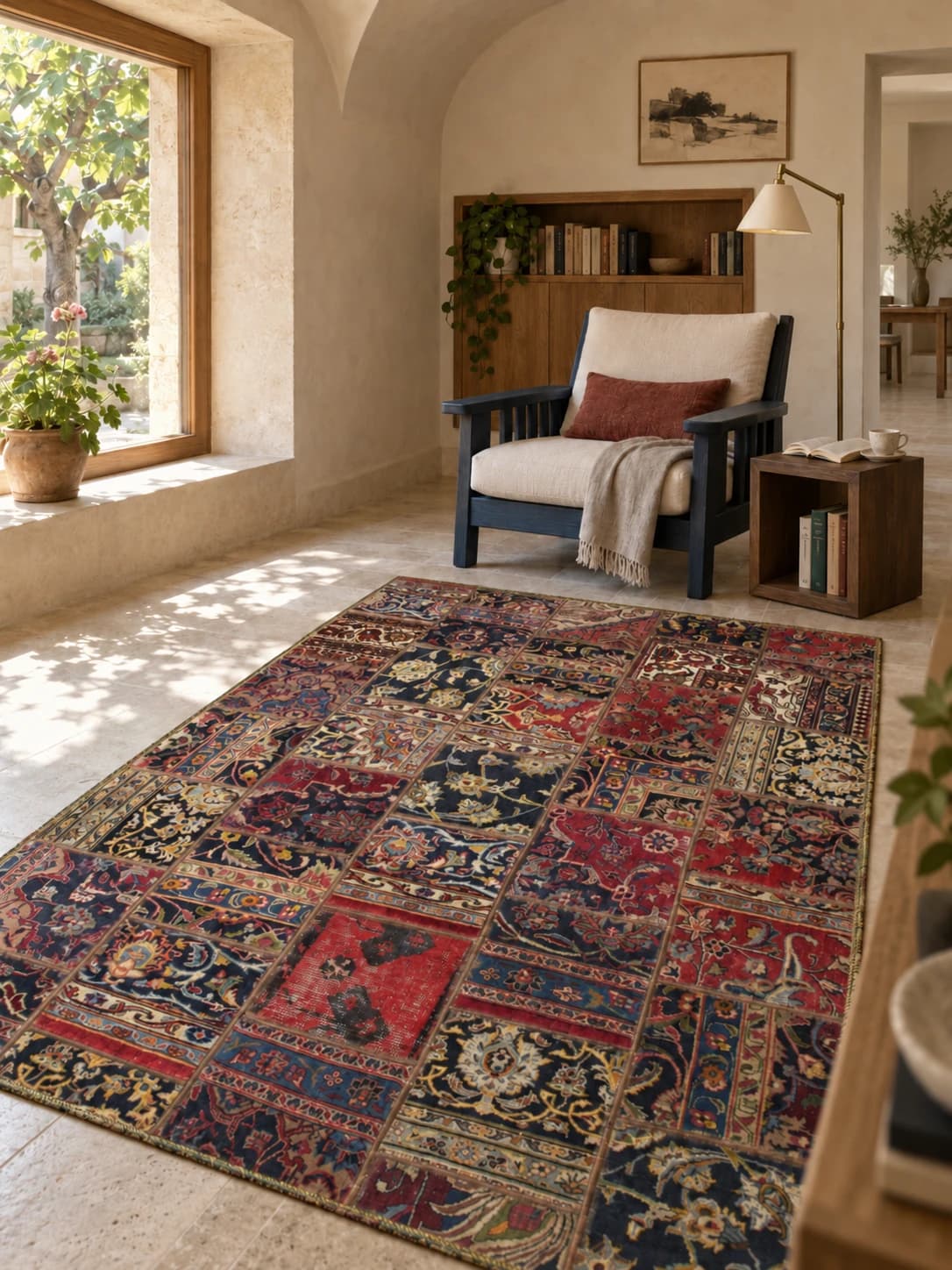
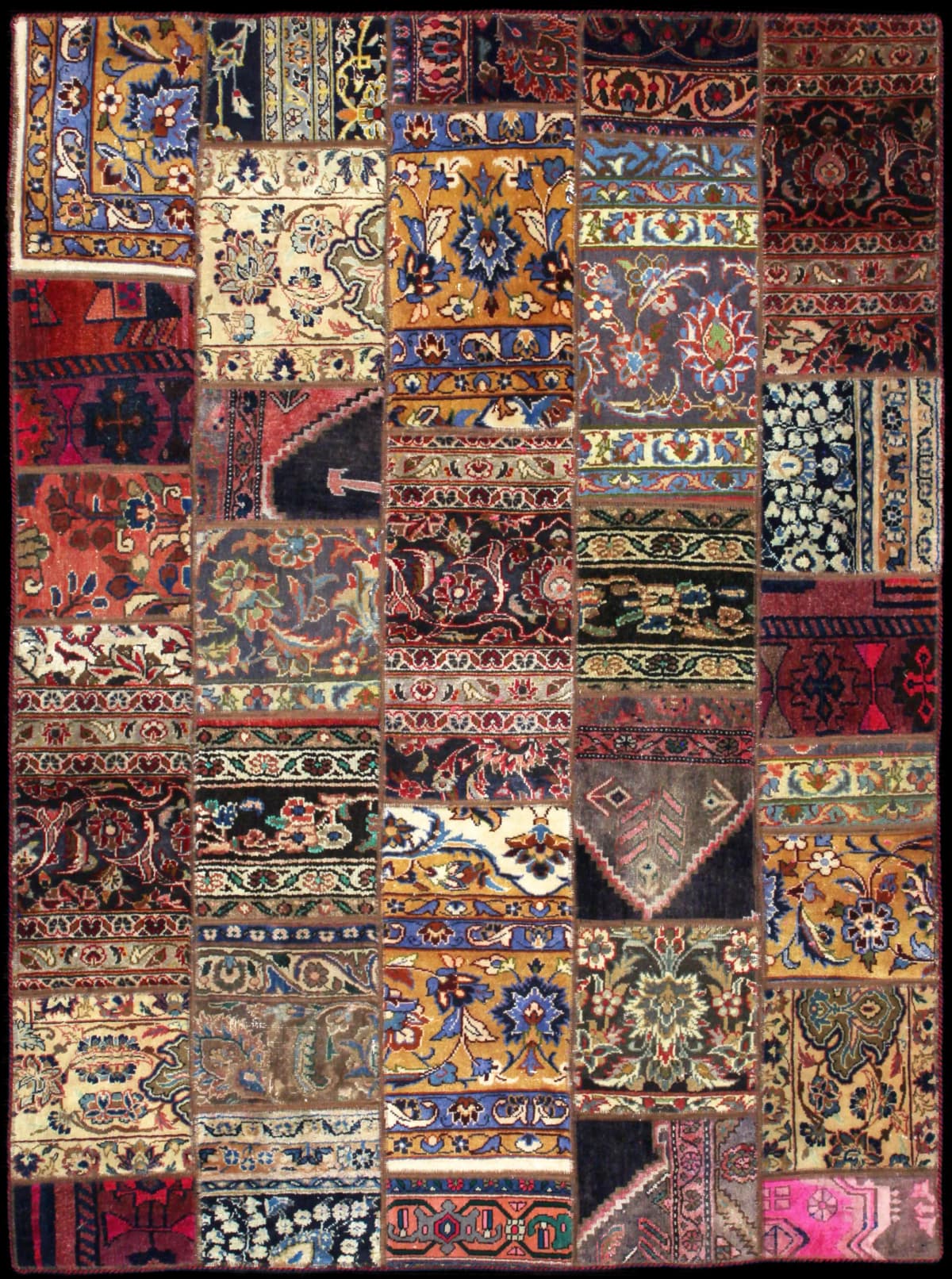
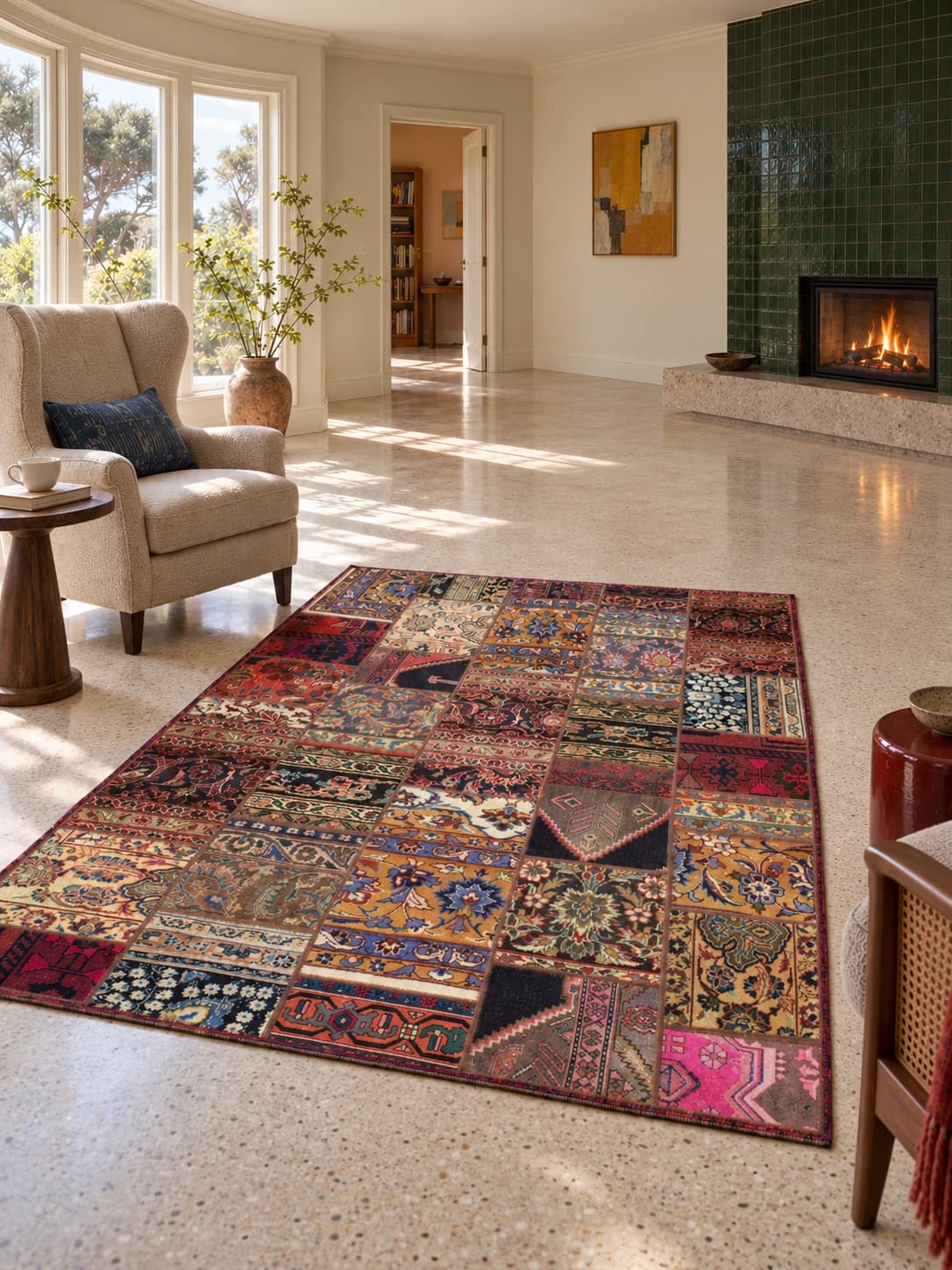
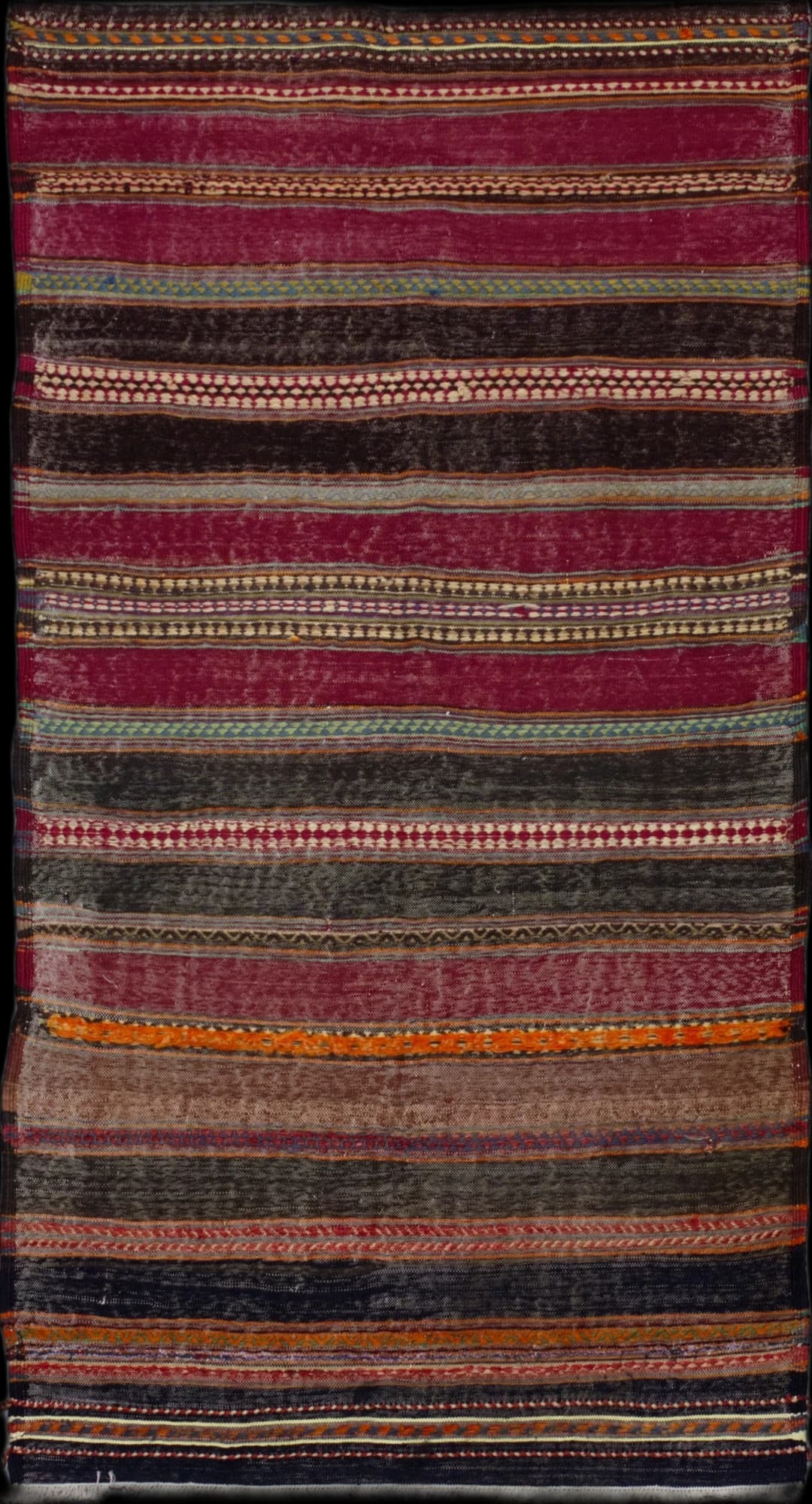
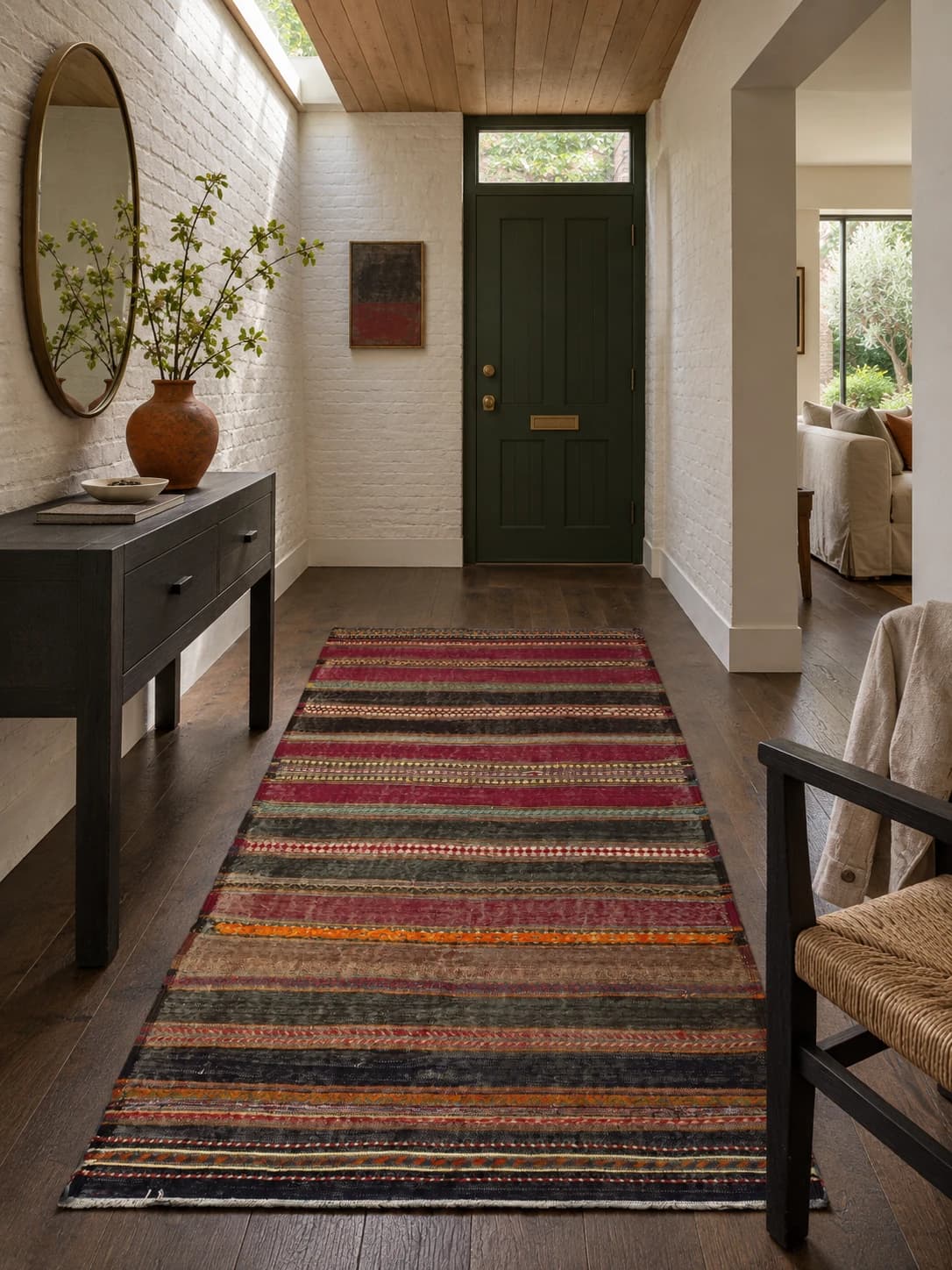
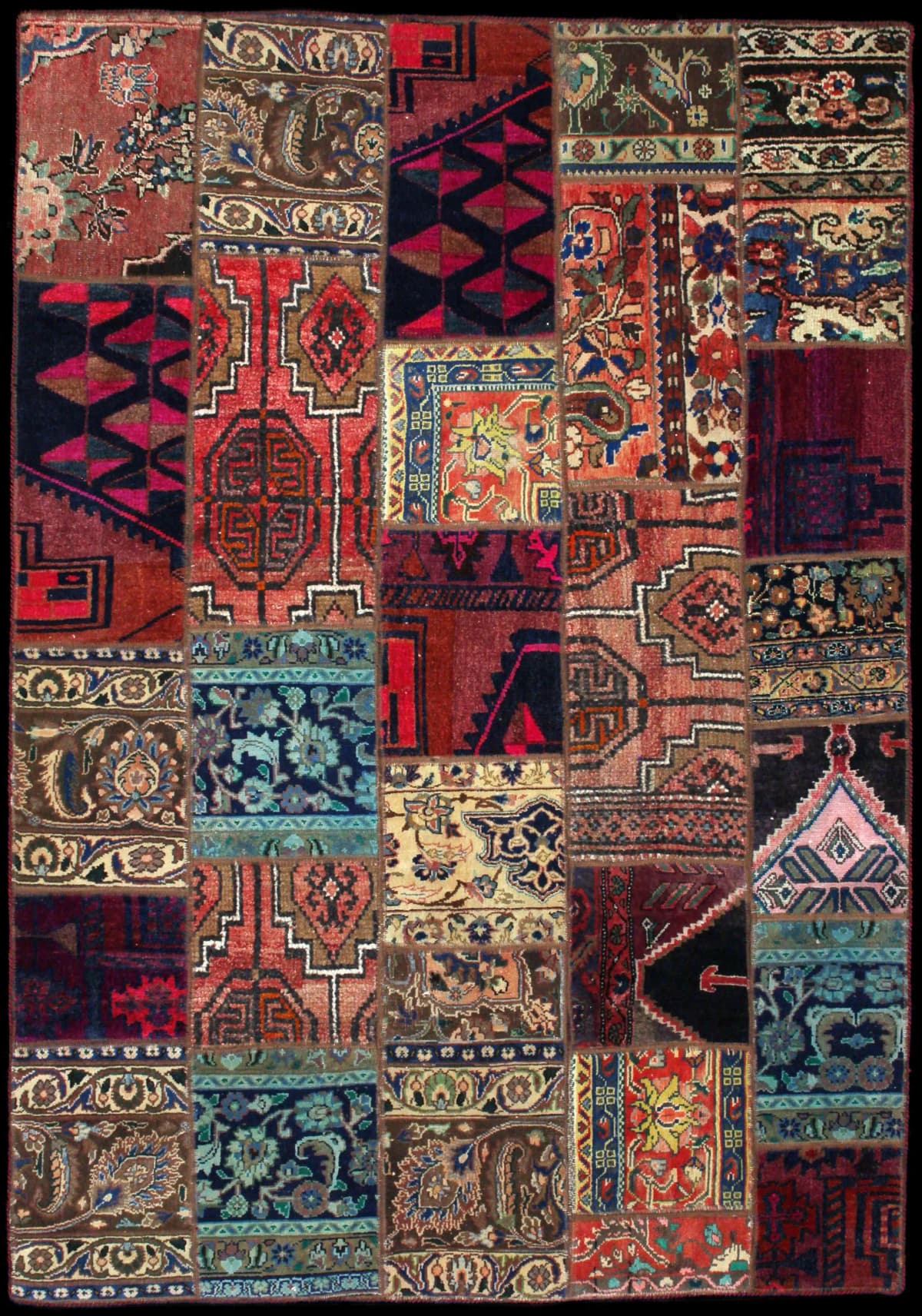
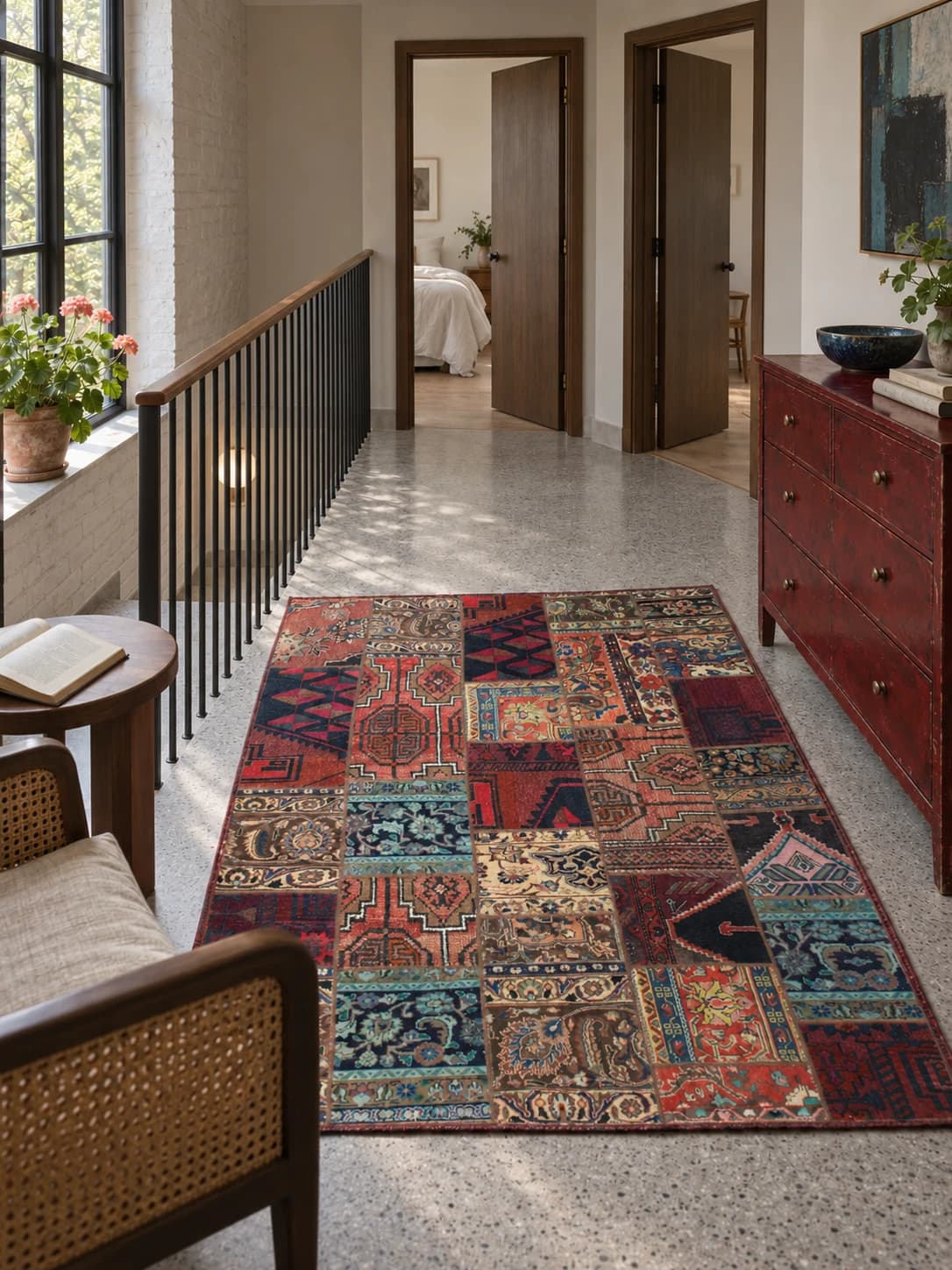
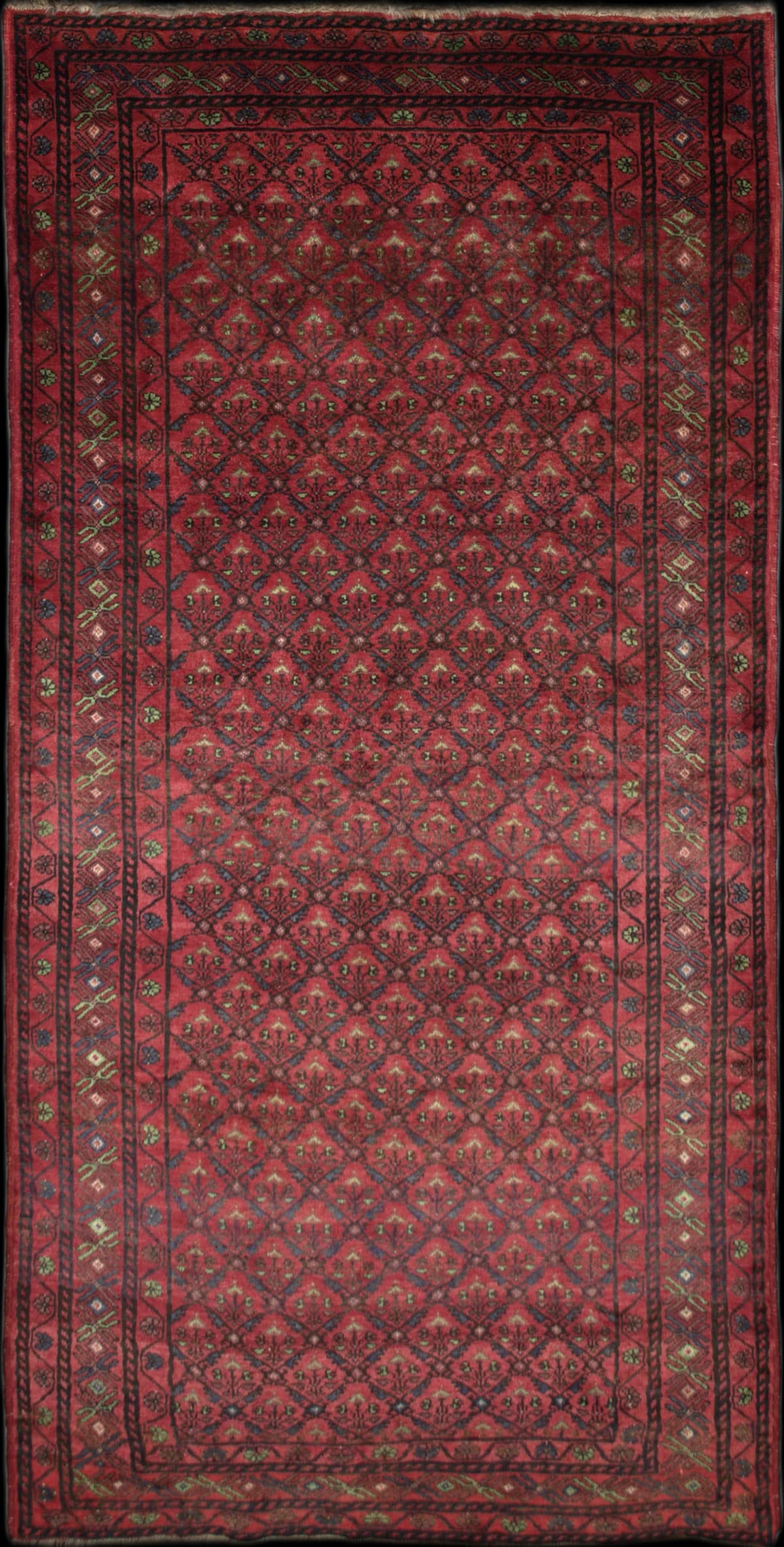
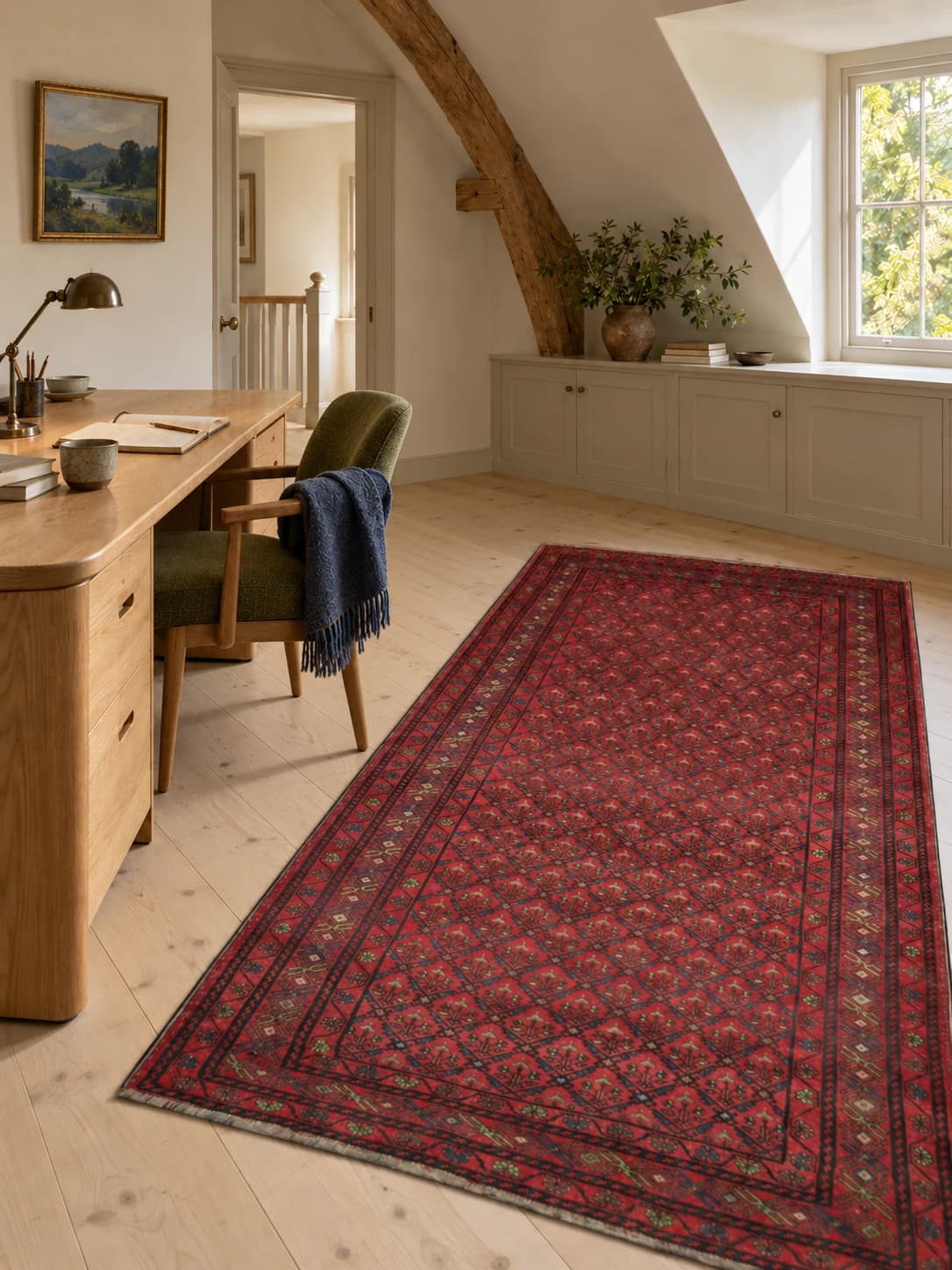
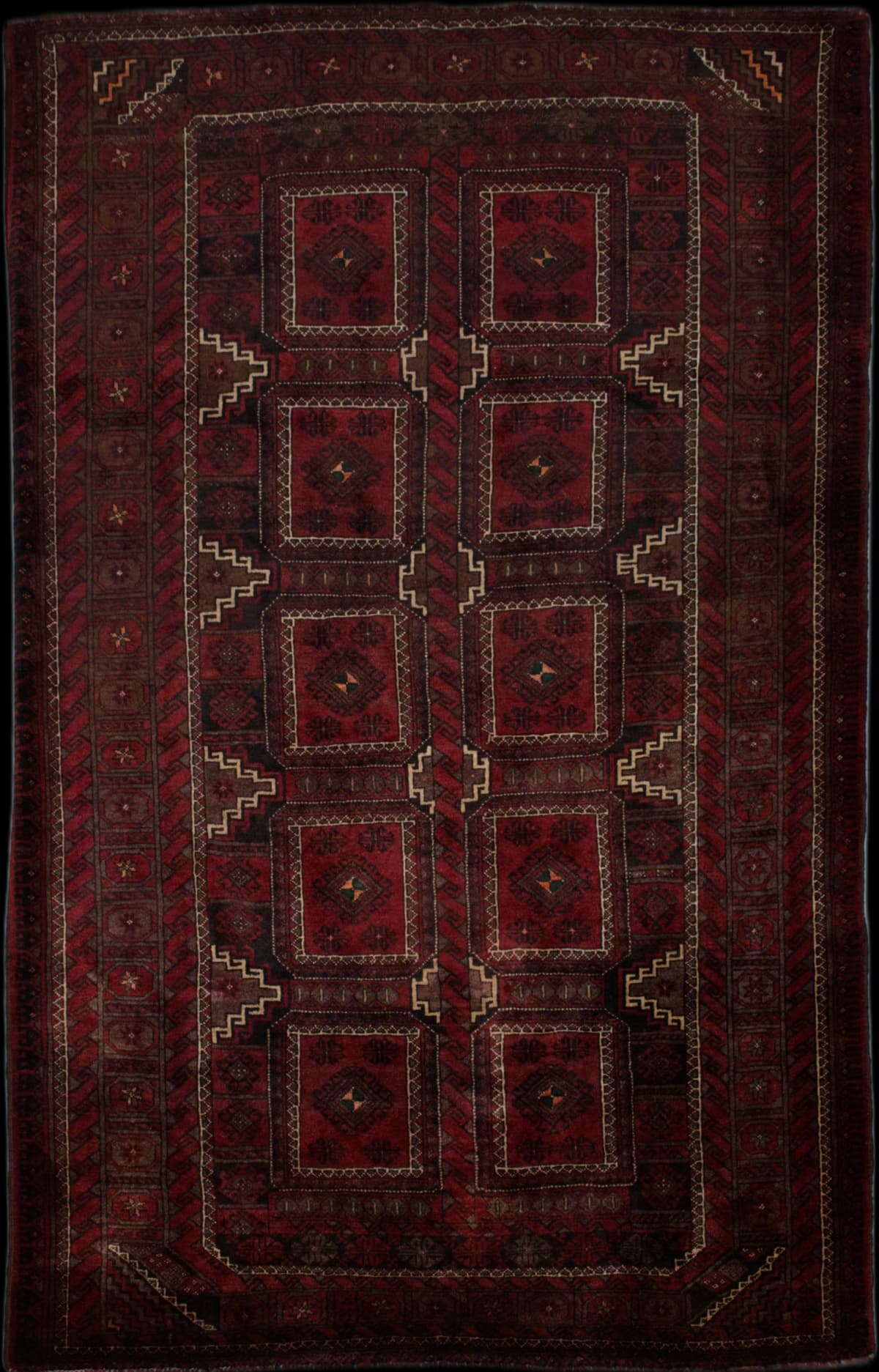
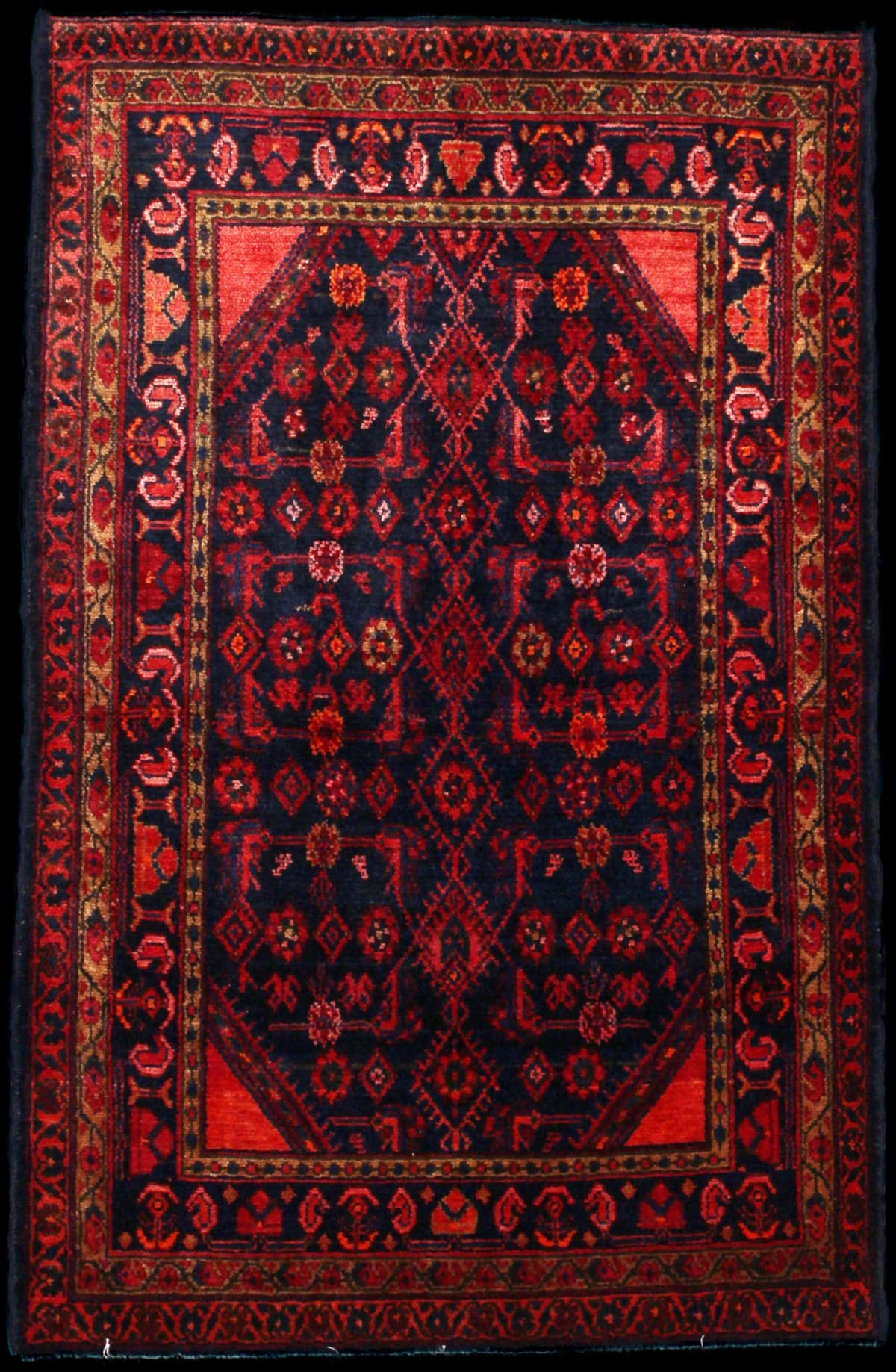
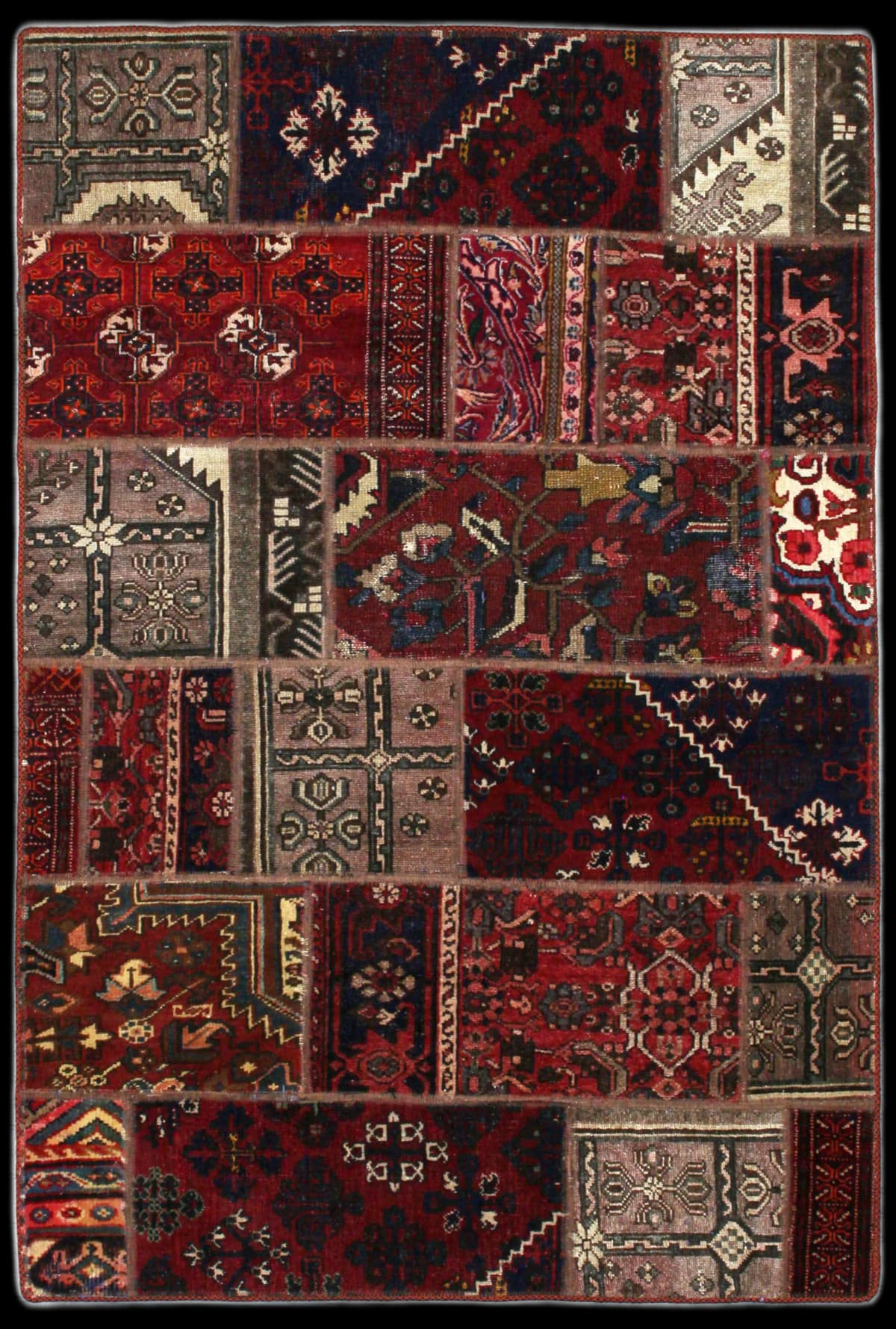
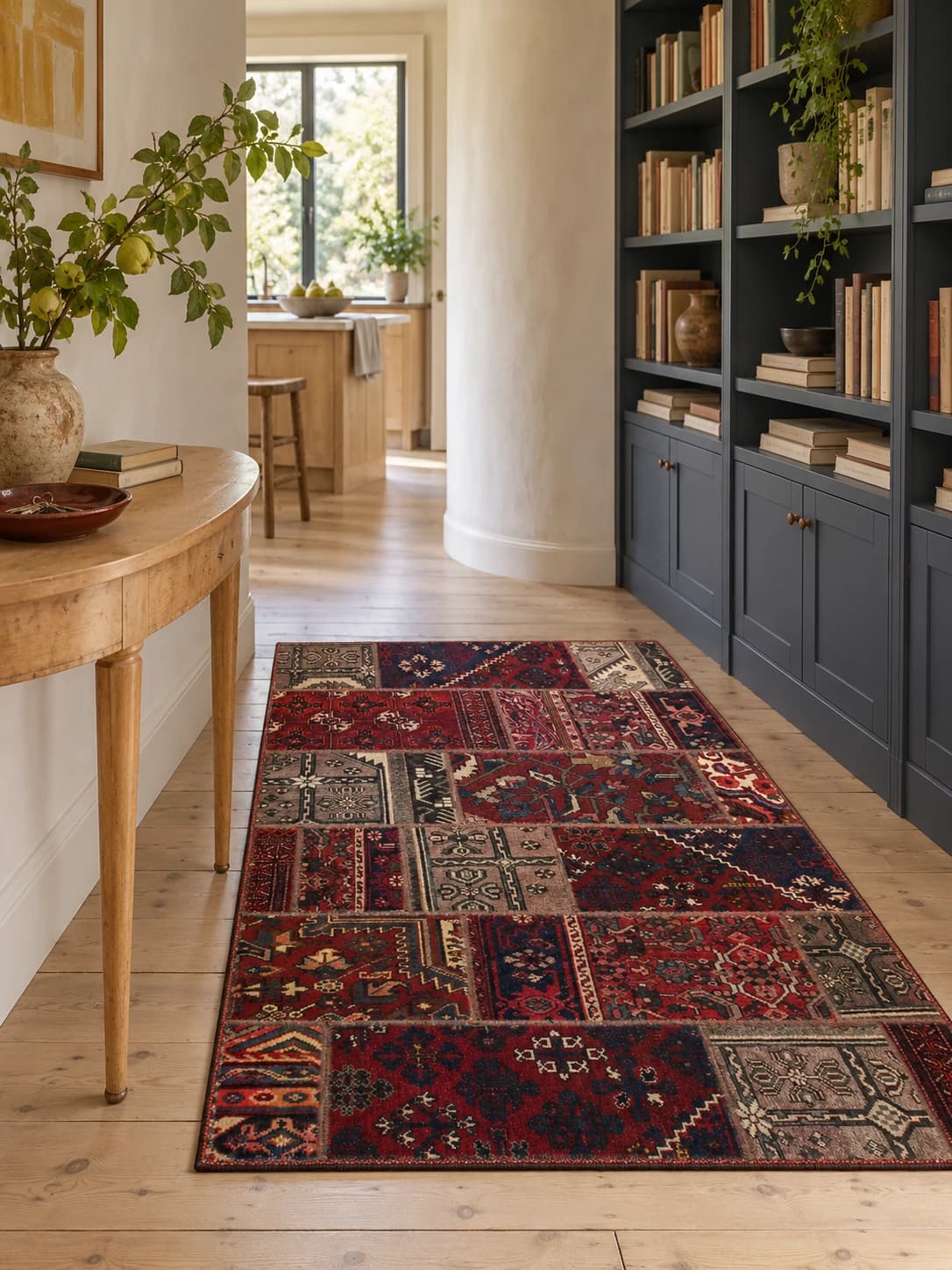
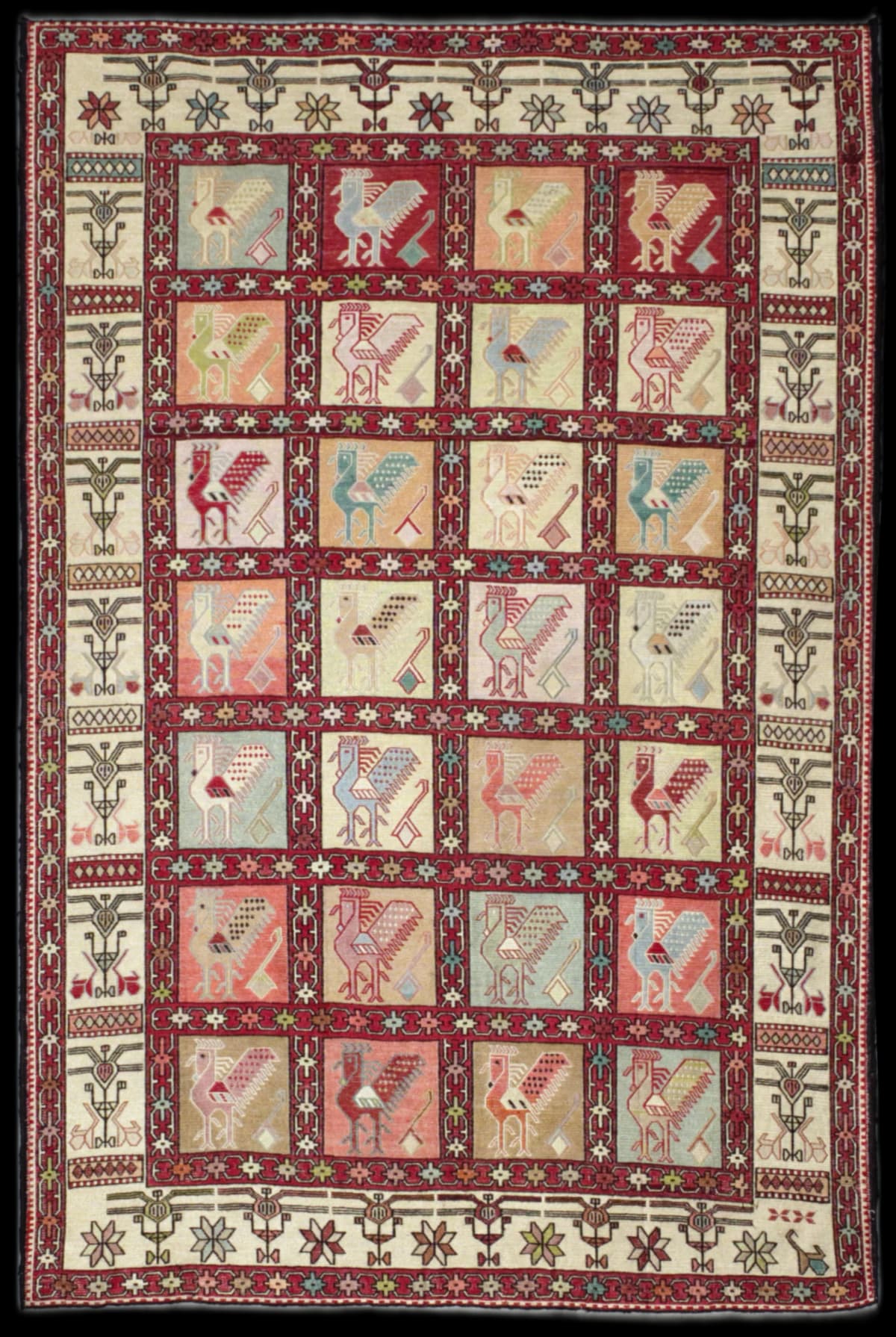
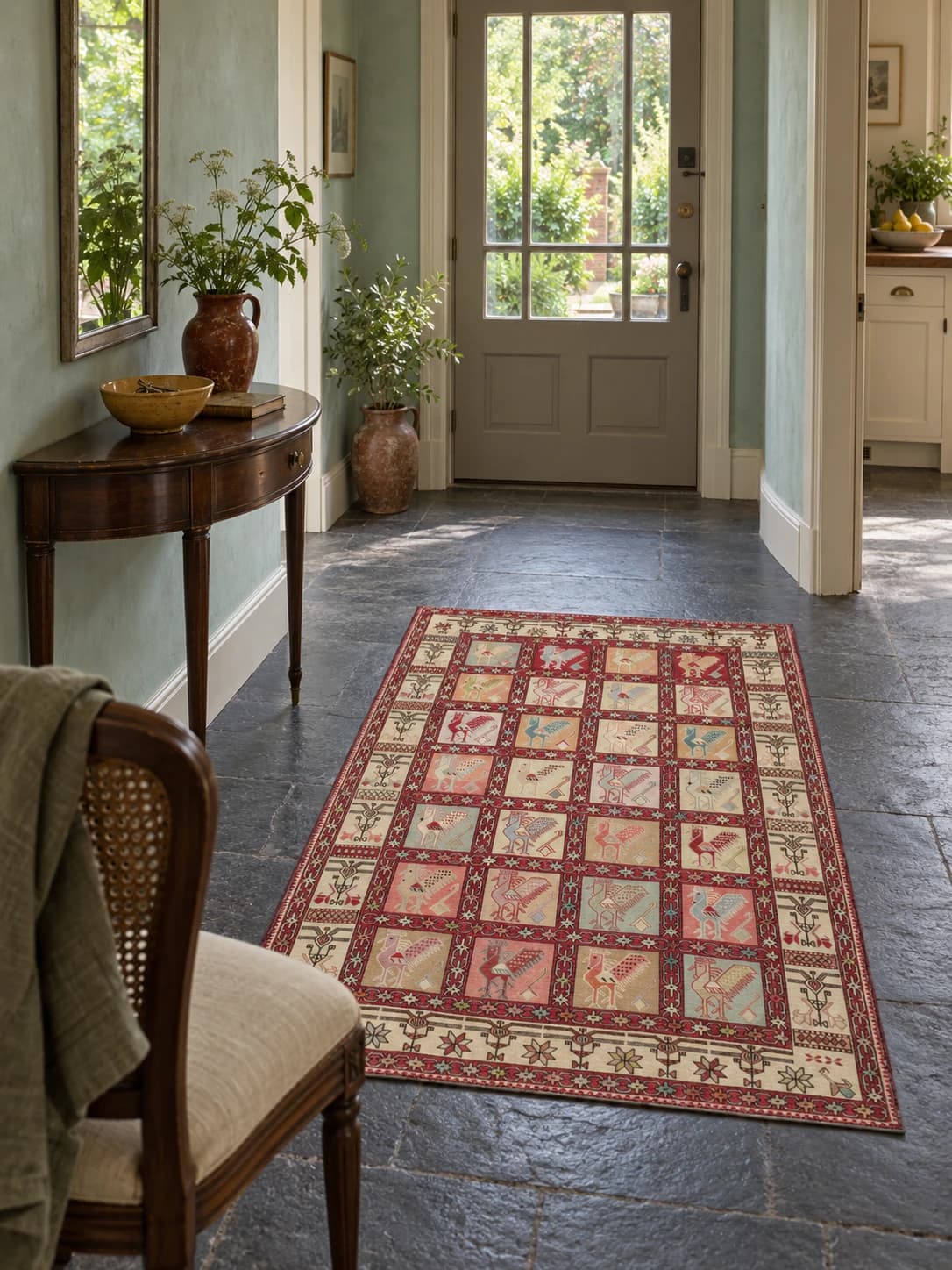
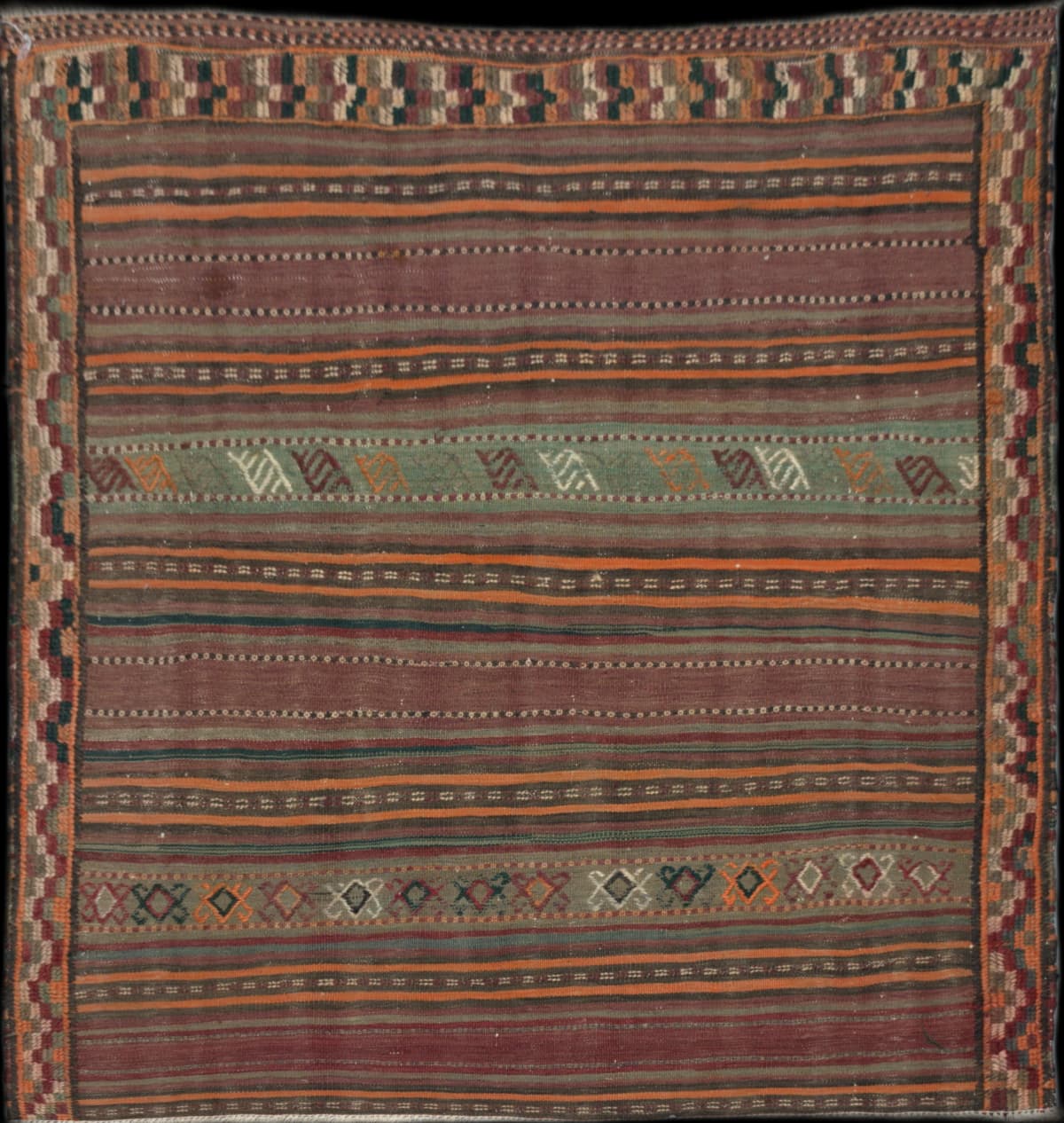
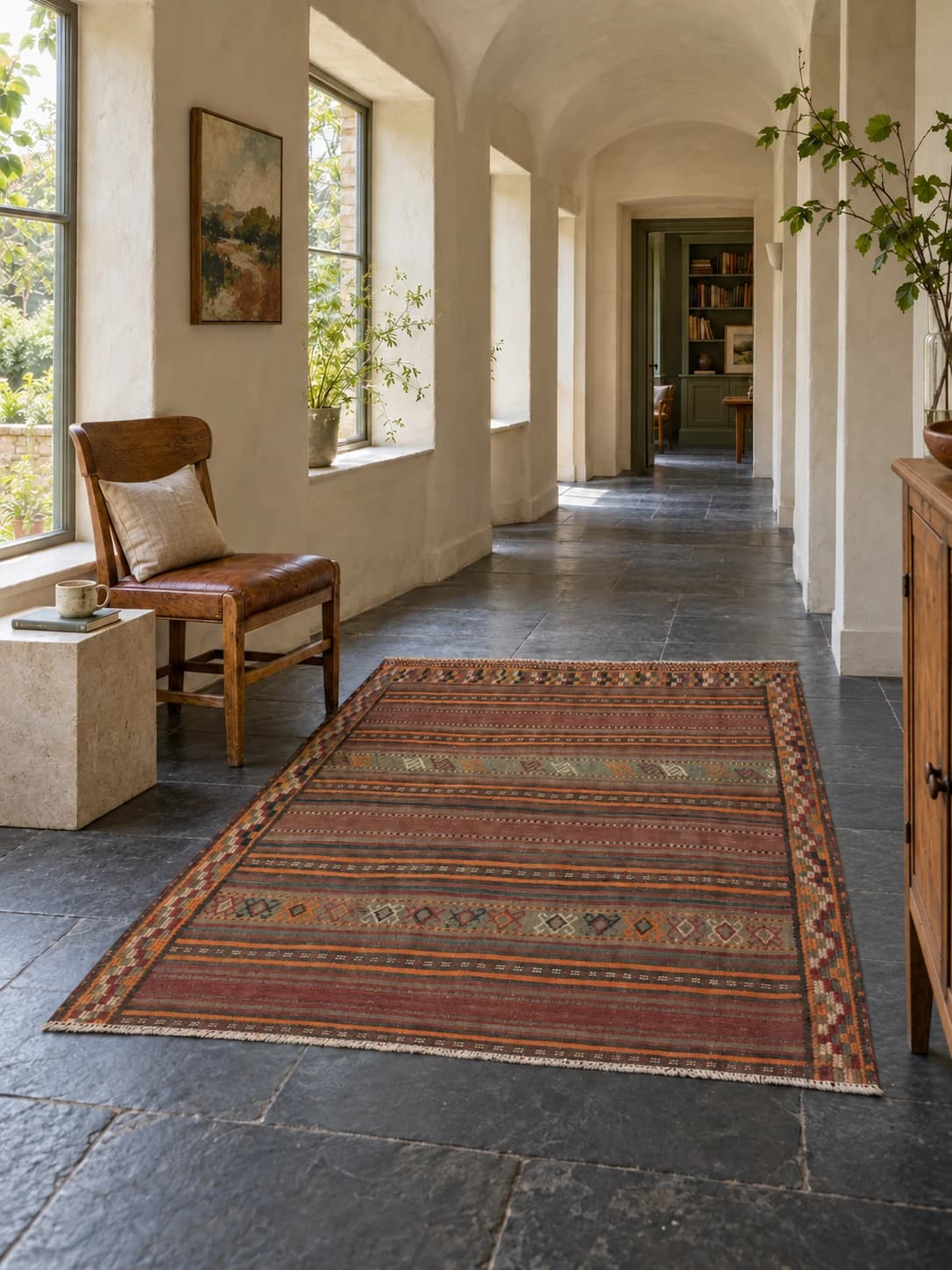
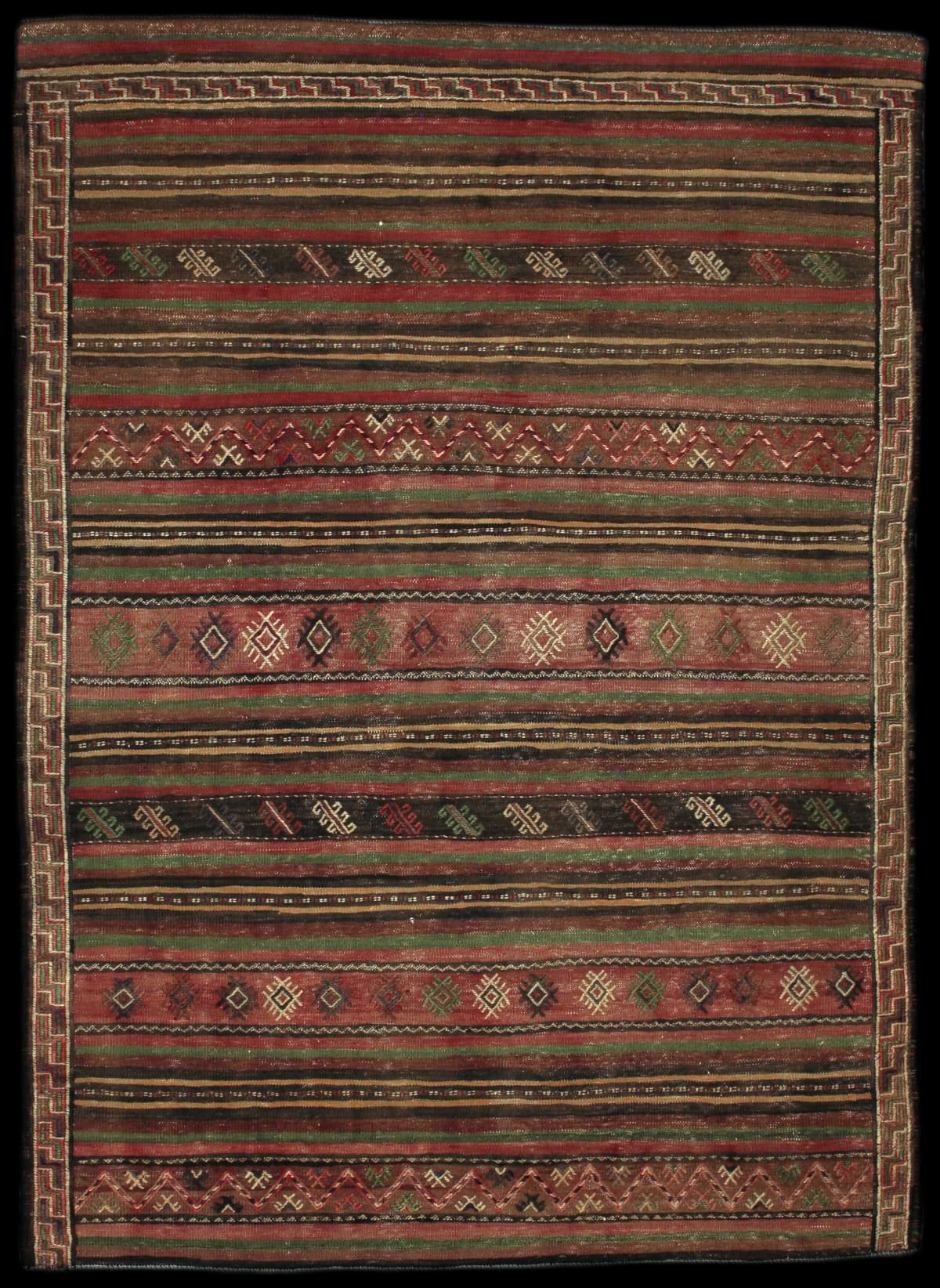
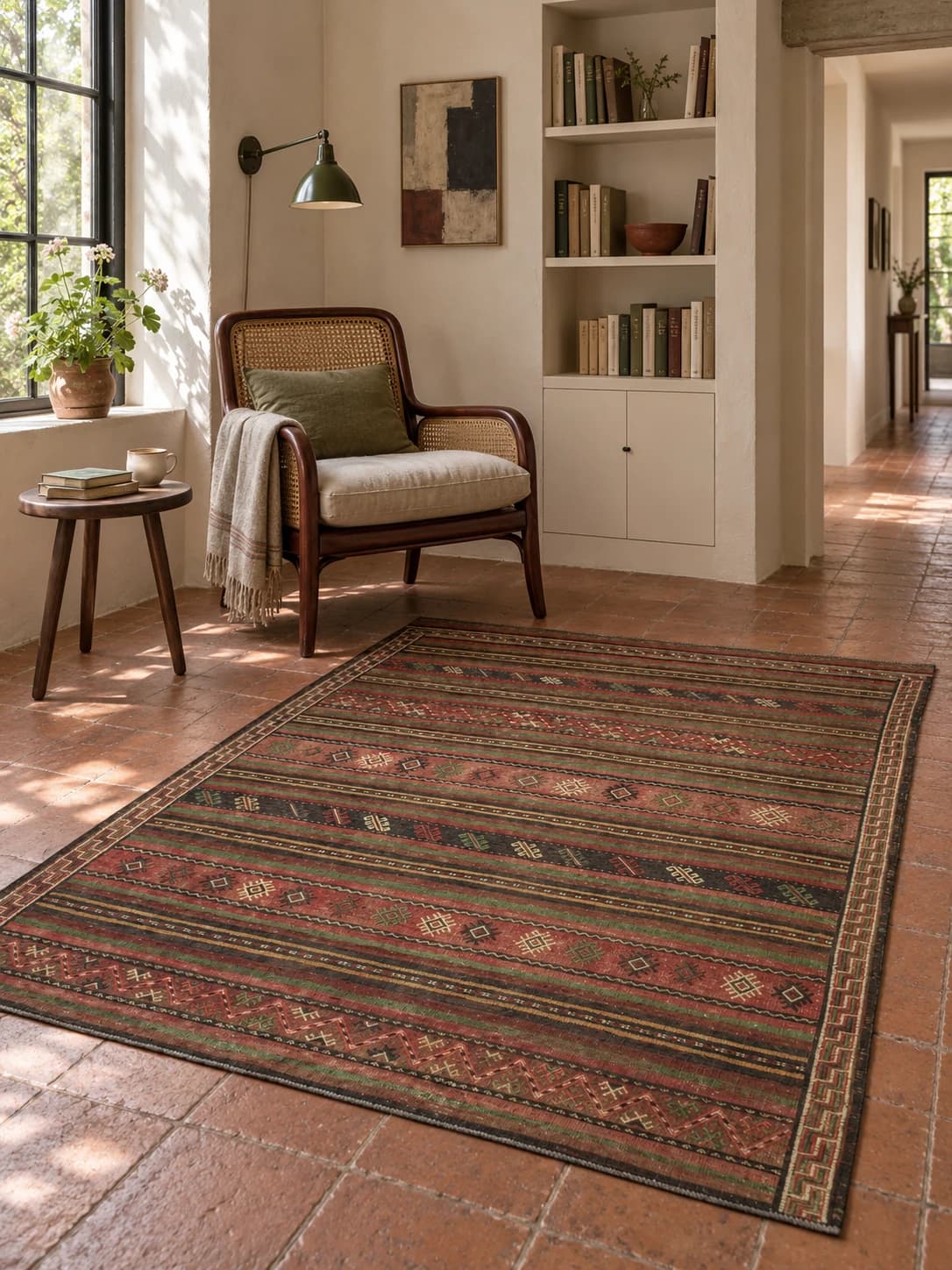
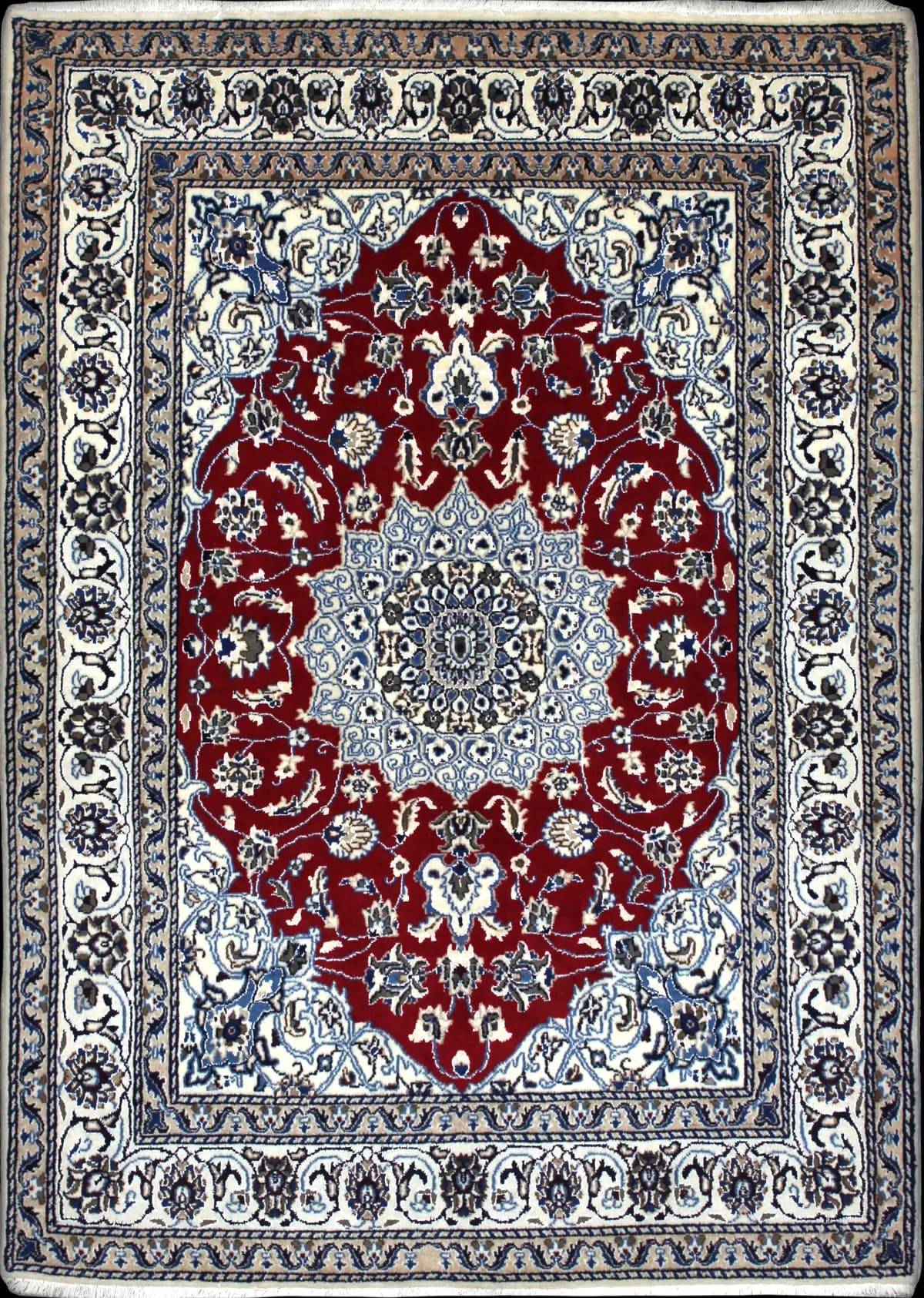
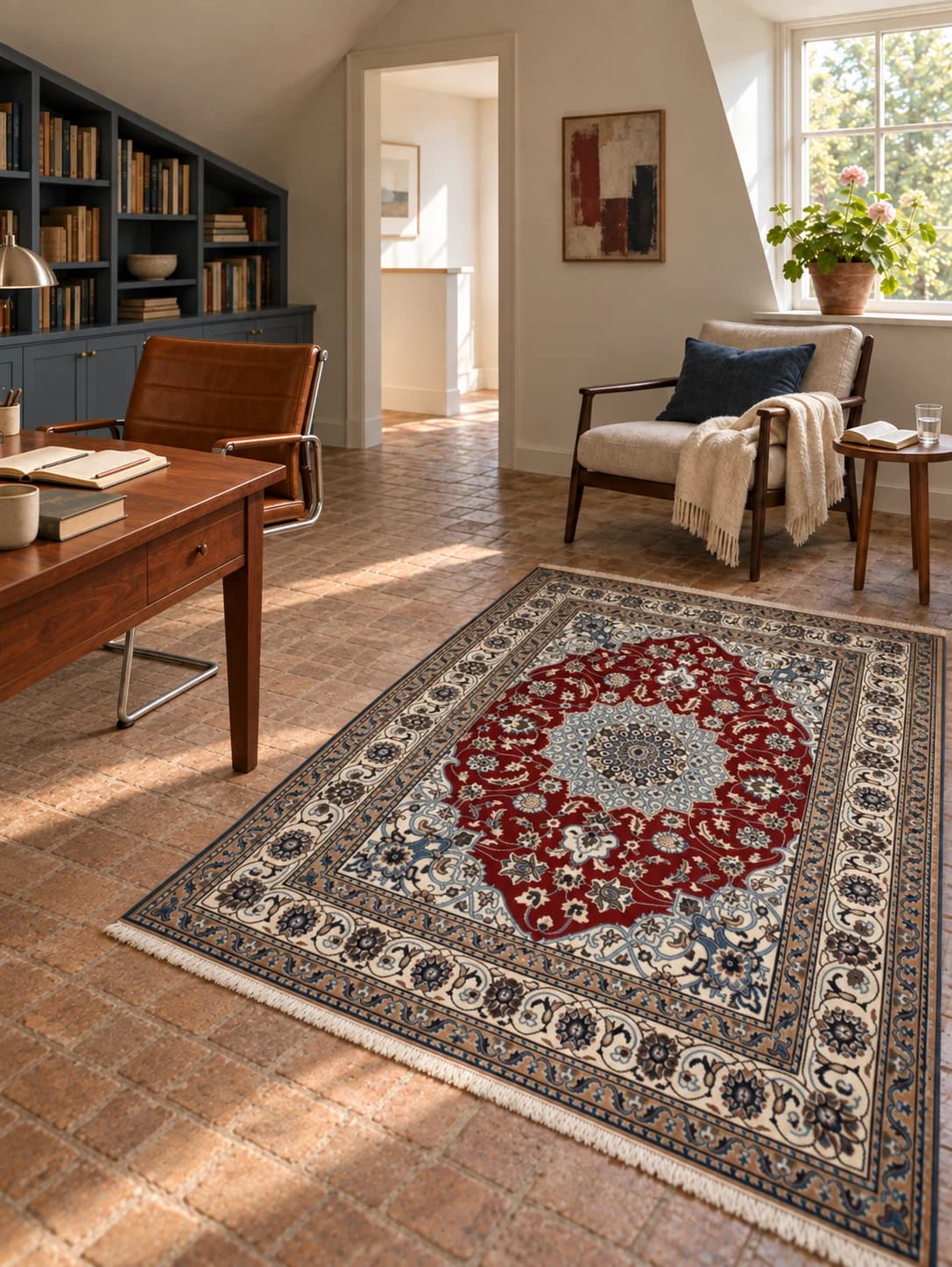
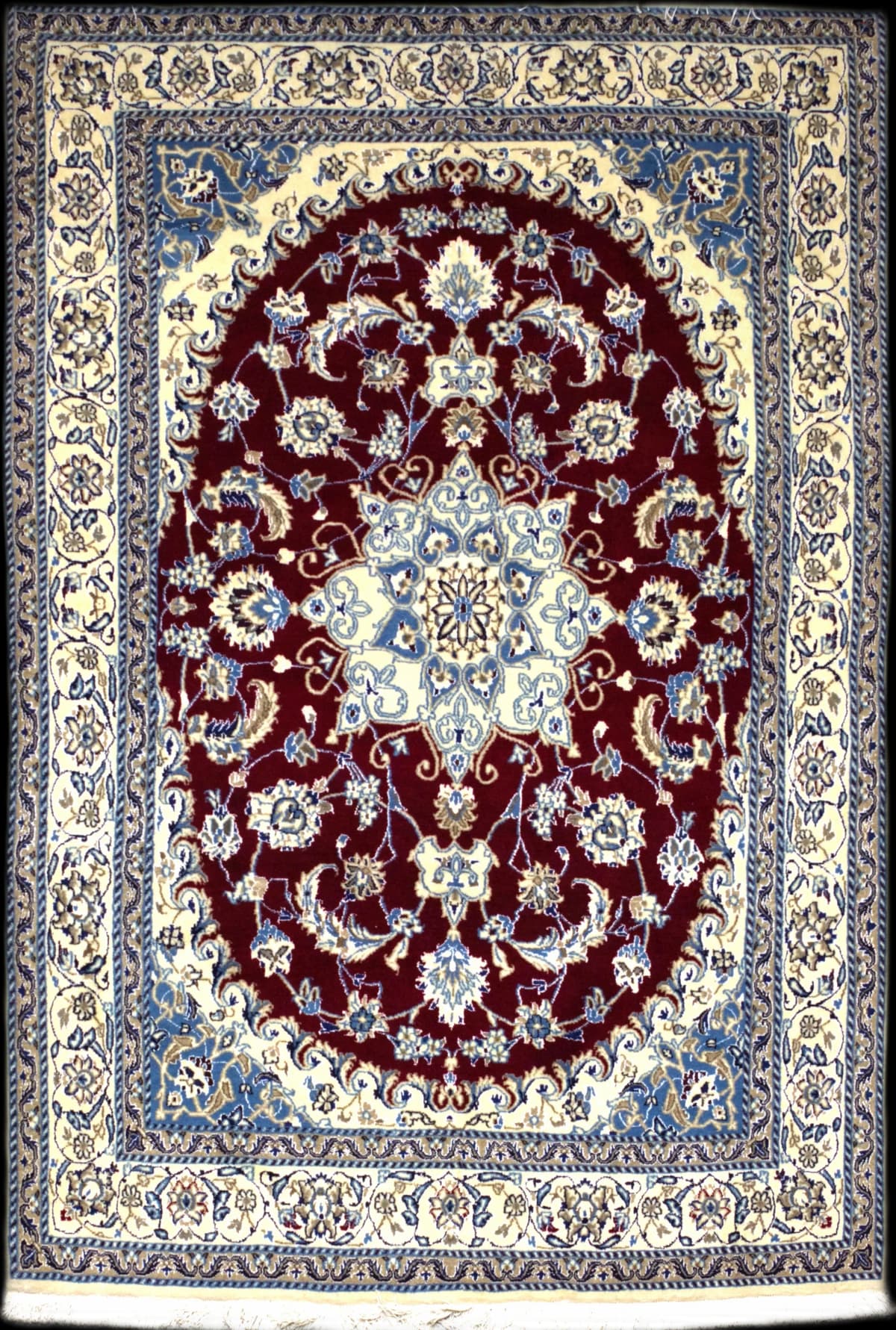
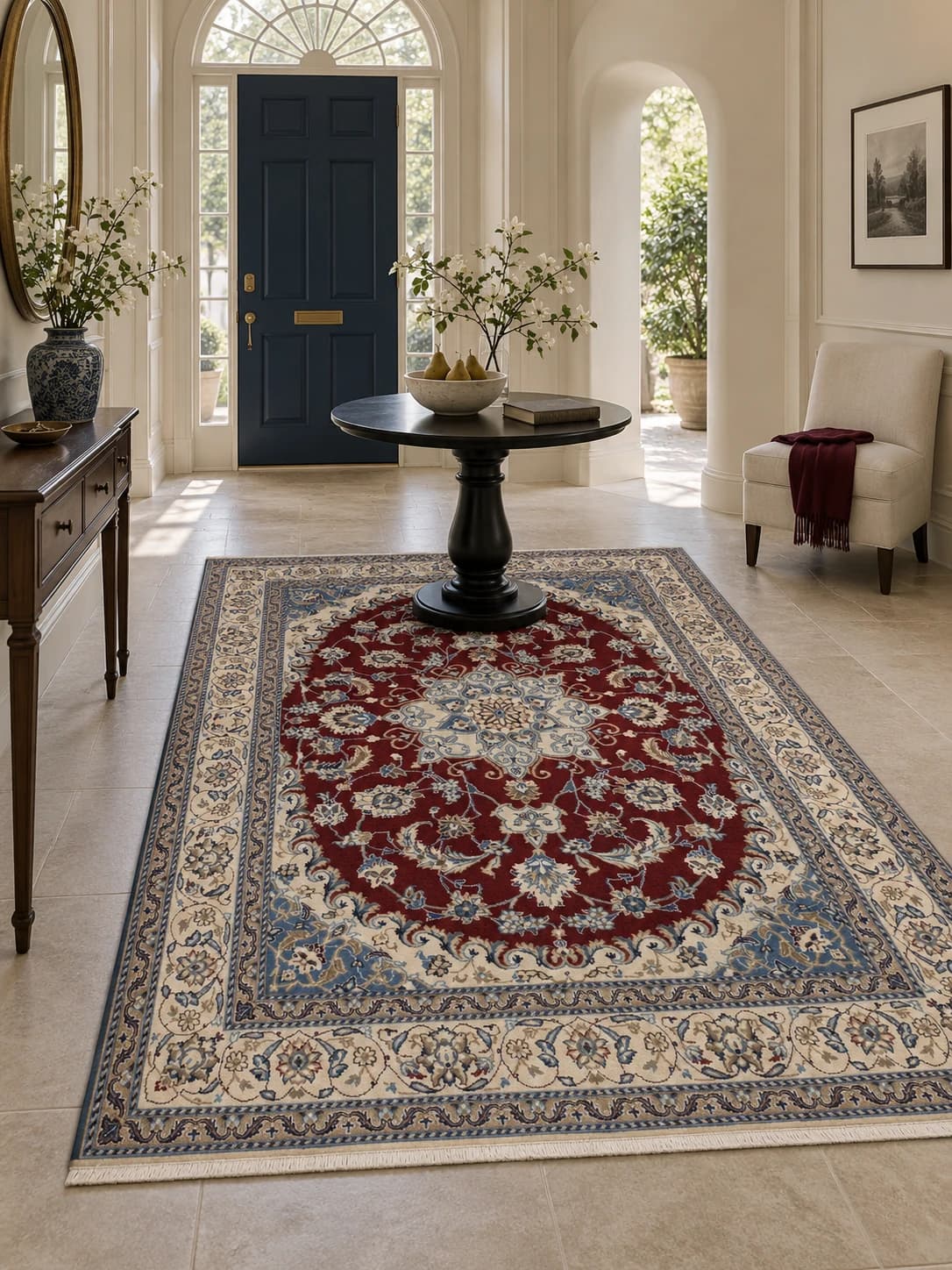
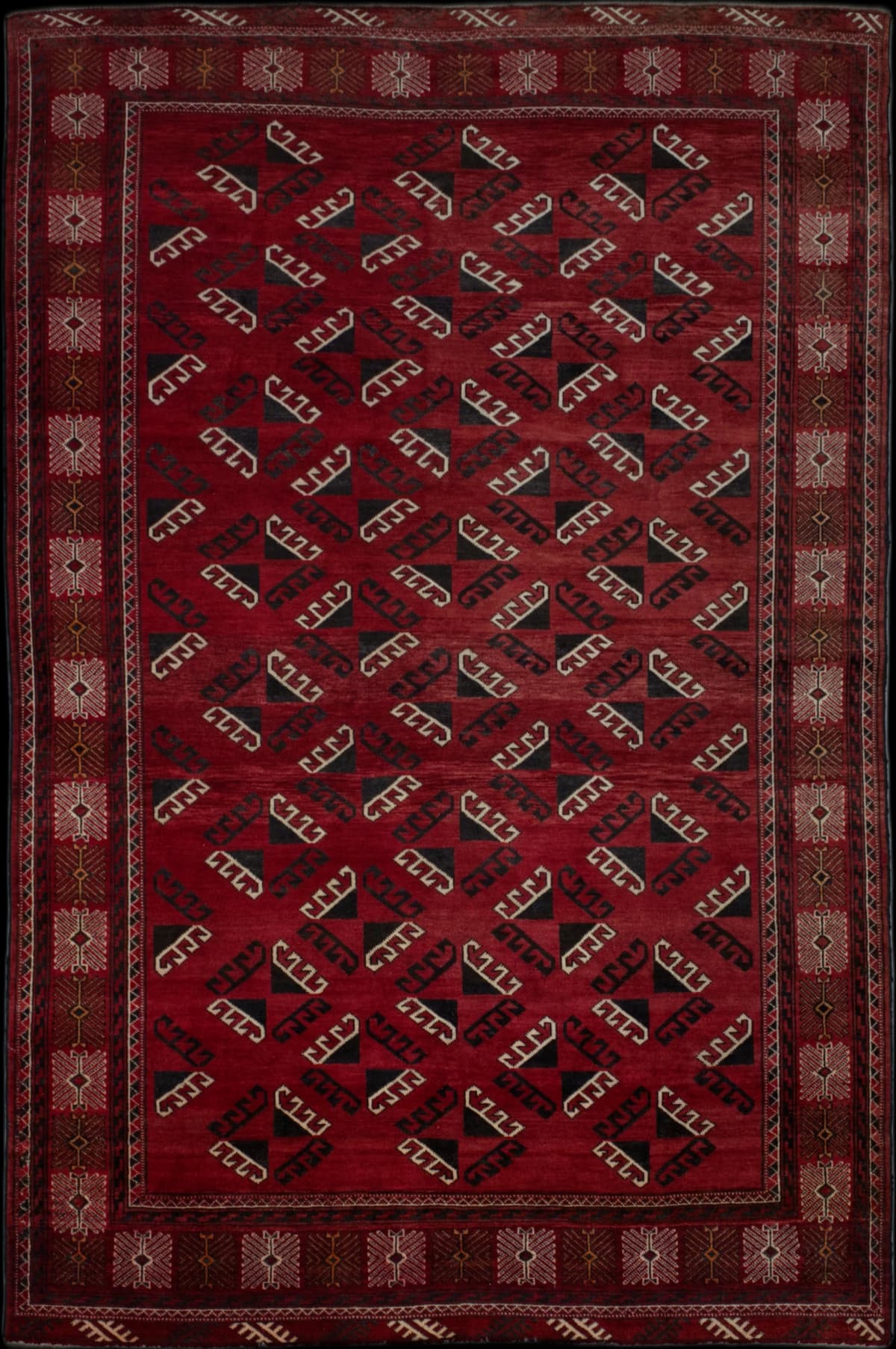
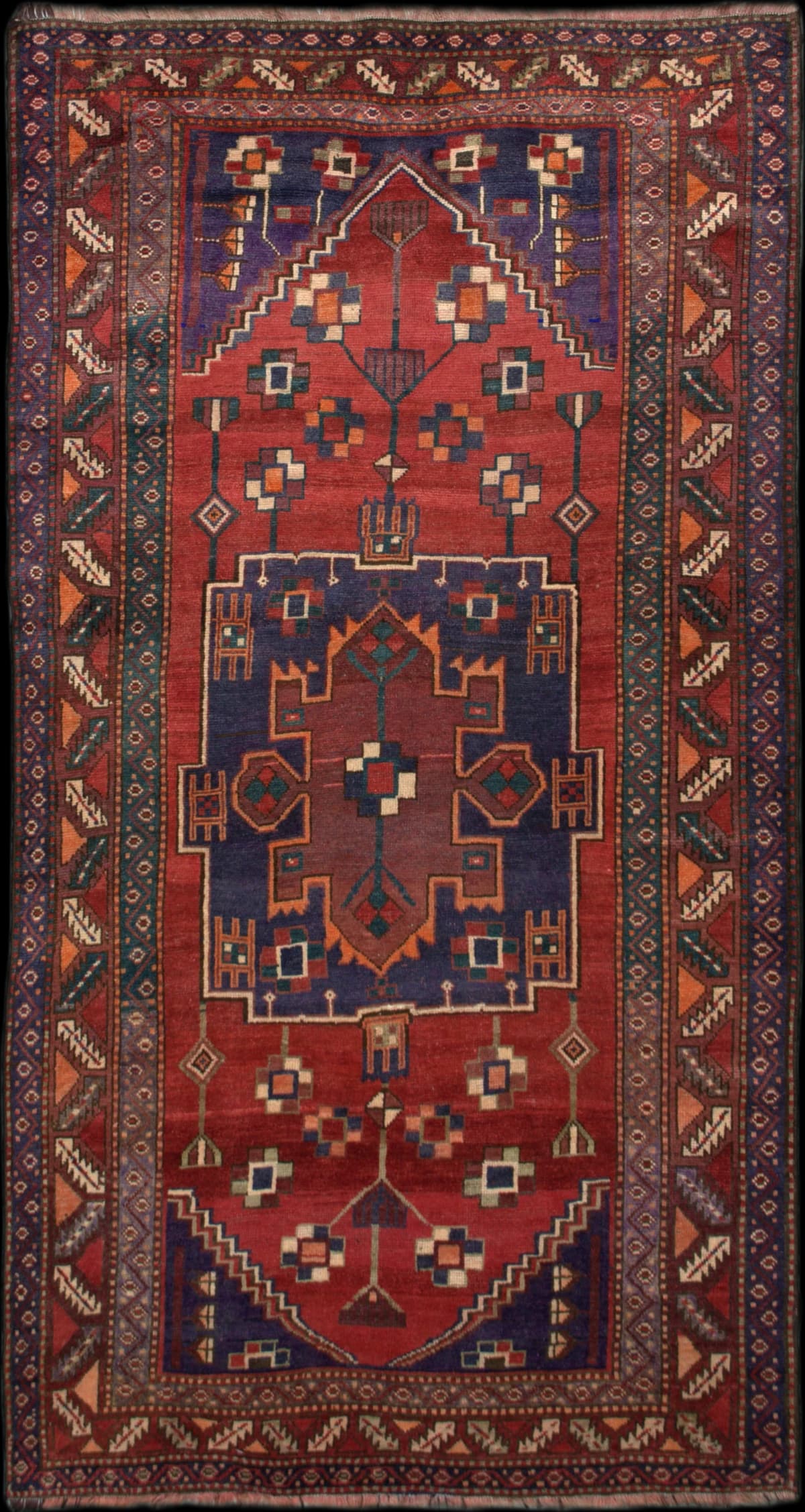
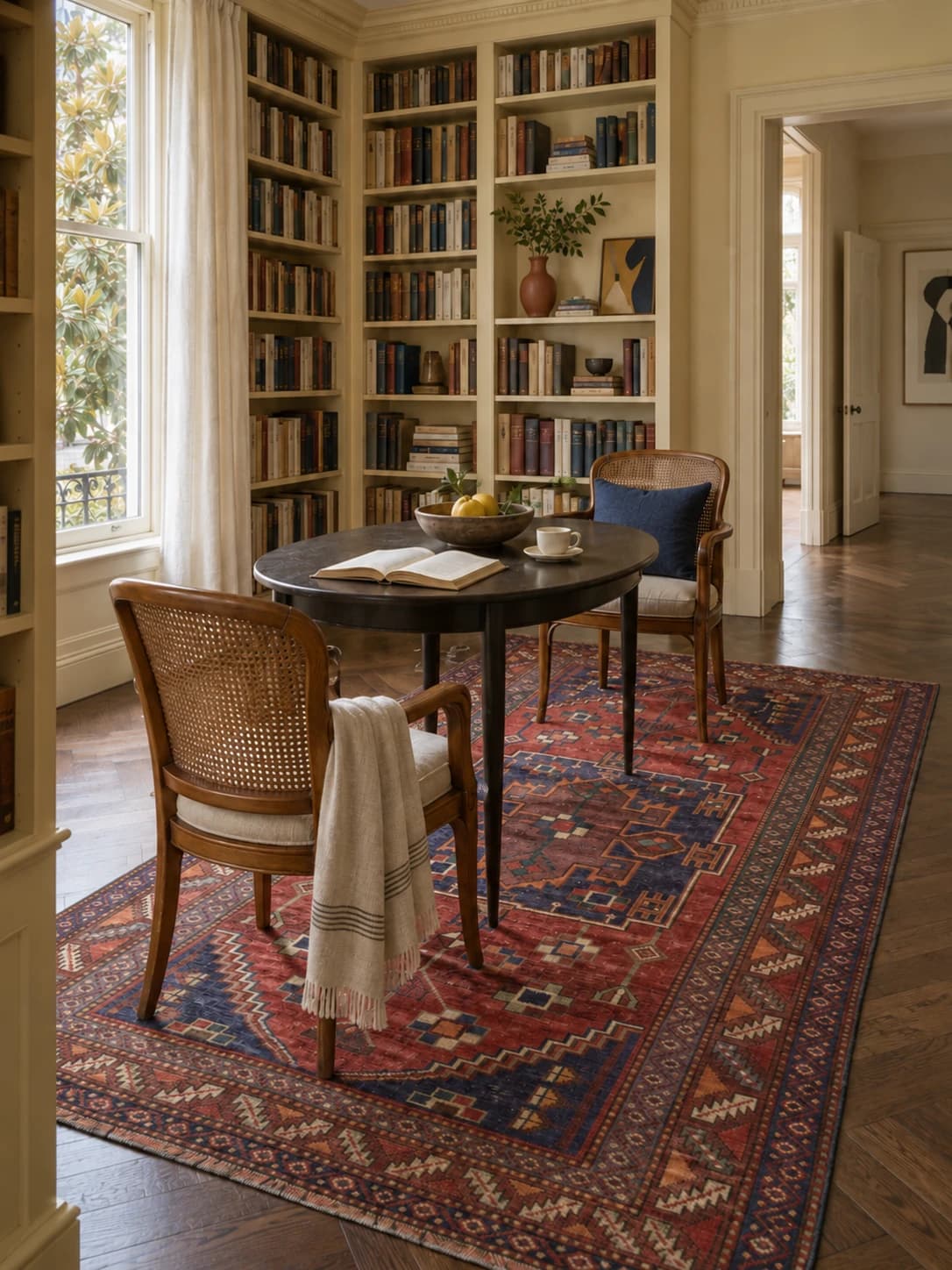
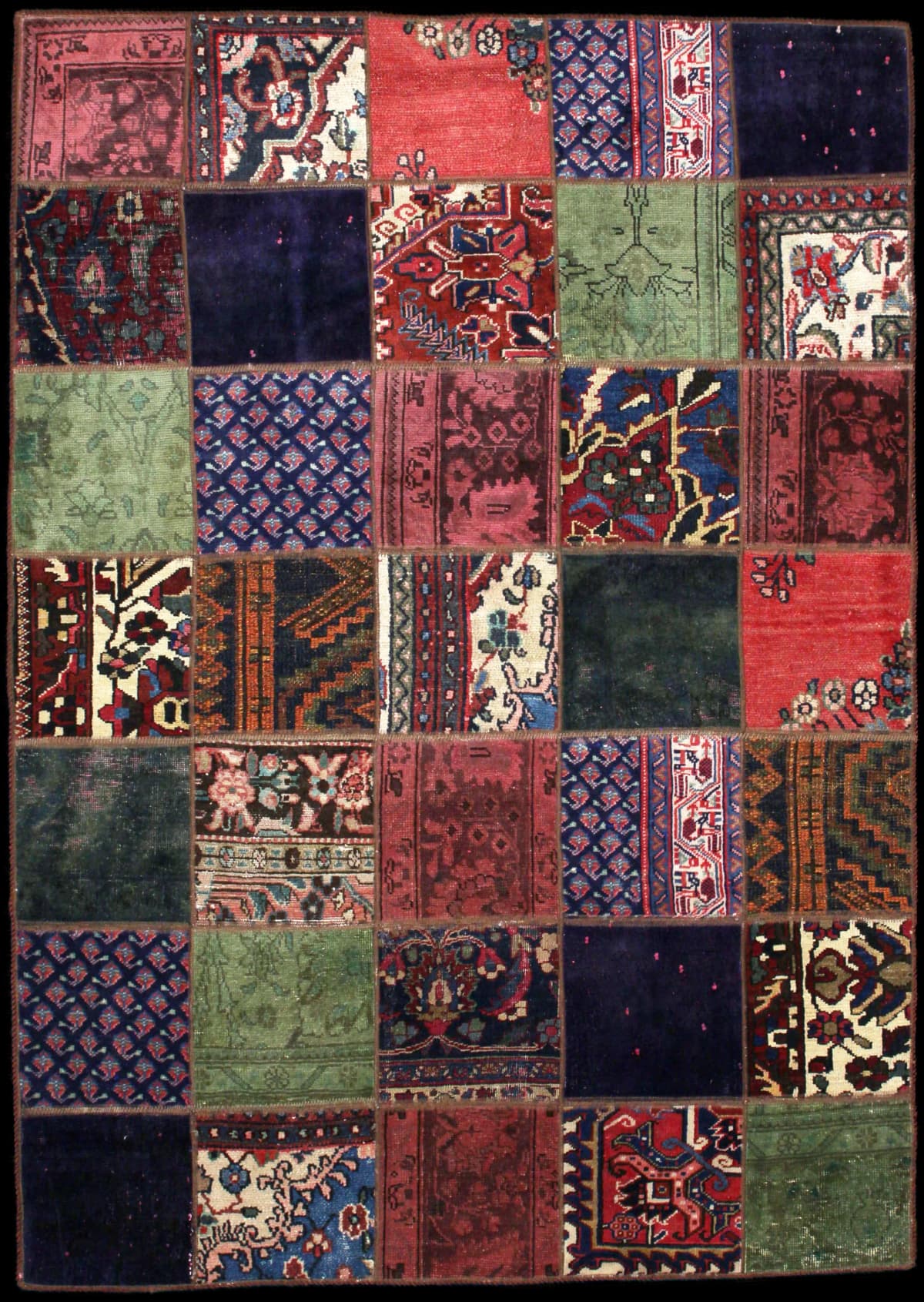
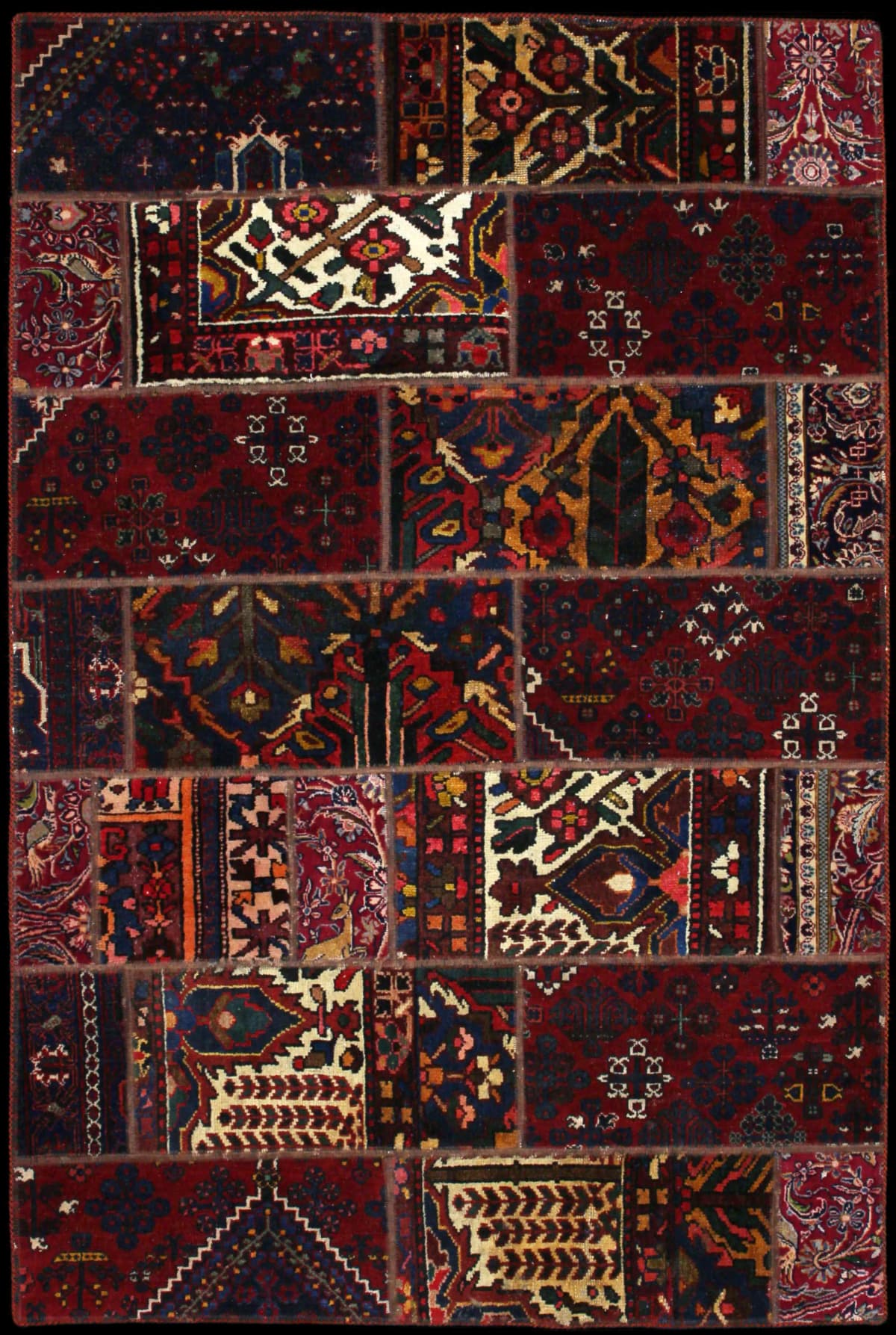
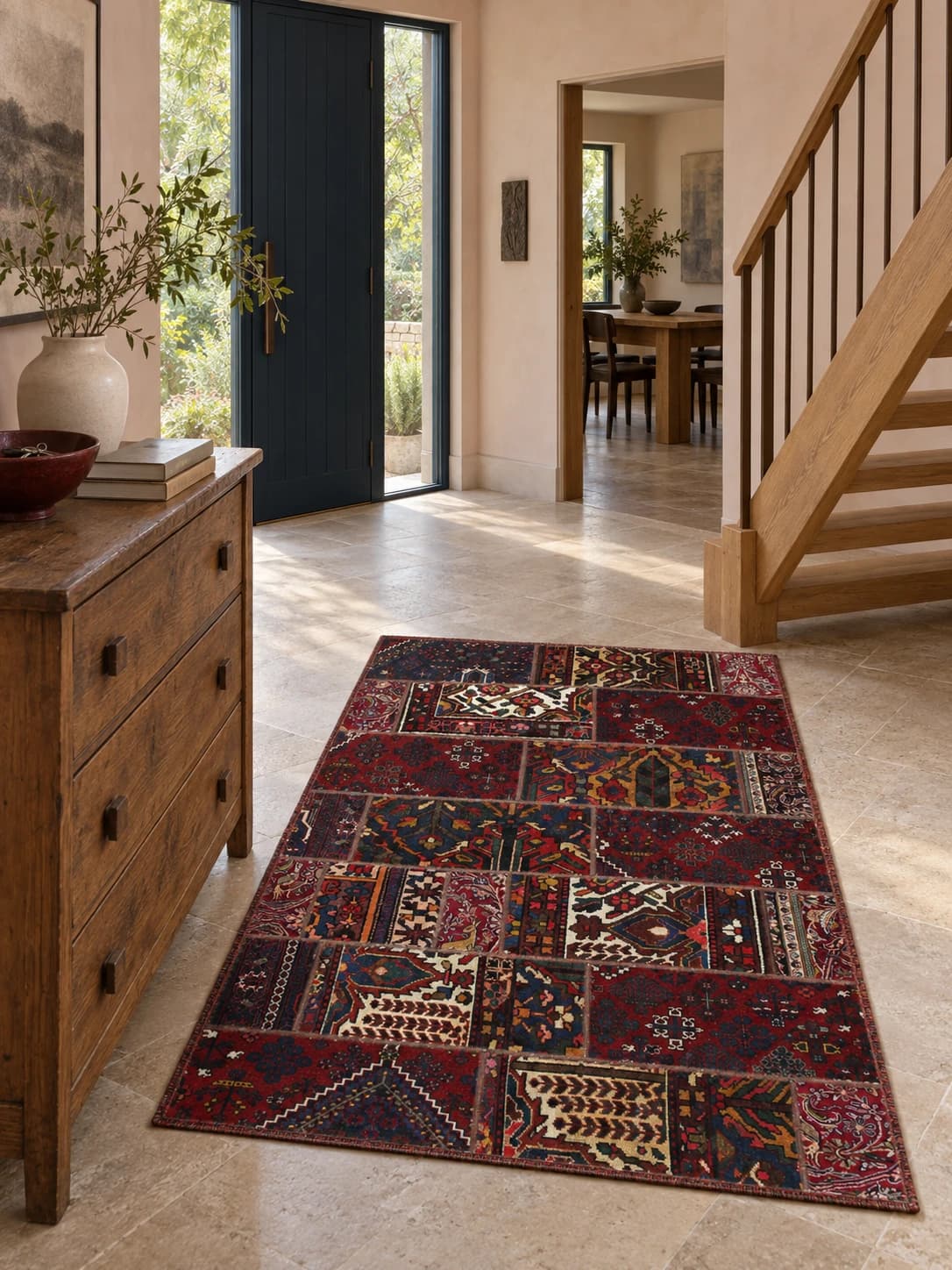
At YourCarpet.com, we celebrate the dramatic allure of red rugs. Red is the signature colour of Persian weaving—the colour of madder root, the dye plant that has coloured hand-knotted wool for centuries—and it is the most common colour in our own catalogue. A red carpet instantly transforms any room with its rich visual impact, creating environments that feel simultaneously energetic and luxurious.
A red Persian rug also rewards patience: natural madder mellows and softens over the decades rather than fading flat, which is why an antique madder red rug so often keeps its glow. That warmth—from burgundy calm to crimson energy—makes these pieces perfect for rooms meant to leave a memorable, welcoming impression.
The Rich Spectrum of Red: From Burgundy to Crimson
The world of red rugs encompasses a diverse palette of shades, each creating distinctly different aesthetic effects:
Deep Burgundy and Wine: These sophisticated darker reds with purple undertones bring traditional elegance and old-world luxury to formal spaces. Their depth gives burgundy rugs a sense of timeless refinement ideal for dining rooms, libraries, and classic interiors.
Warm Terracotta and Rust: Earthy red tones with orange undertones—the madder shades of a terracotta rug or a rust rug—create inviting, grounded spaces with Mediterranean or Southwestern appeal. These versatile hues complement natural materials and create harmonious connections to the outdoors.
Vibrant Crimson and Scarlet: True reds with balanced undertones make powerful statements in contemporary spaces. These classic shades create focal points that energise modern interiors while referencing red's timeless cultural significance.
Soft Berry and Ruby: Lighter reds with pink undertones bring a more playful, feminine energy to spaces while maintaining red's inherent warmth. These approachable shades work beautifully in bedrooms, sitting rooms, and transitional spaces.
Rich Oxblood and Garnet: Deep, complex reds with brown undertones, the kind that gives a maroon rug its weight, create sophisticated, masculine environments with exceptional depth. These substantial colours ground spaces with their presence while providing versatile backdrops for diverse decorative elements.
Design Applications: Where Red Rugs Shine
Red rugs serve multiple design functions, making them extraordinarily versatile despite their bold nature:
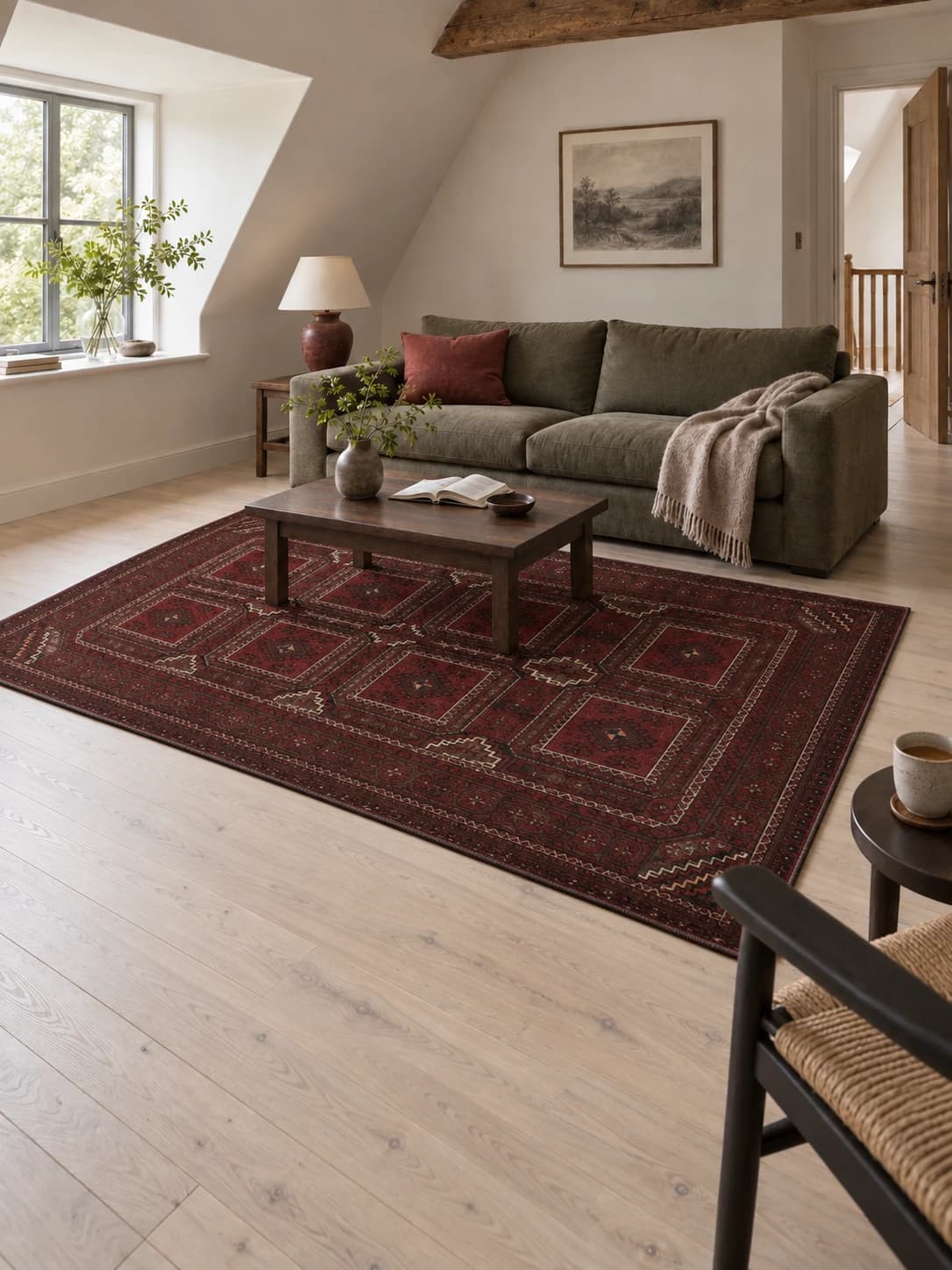
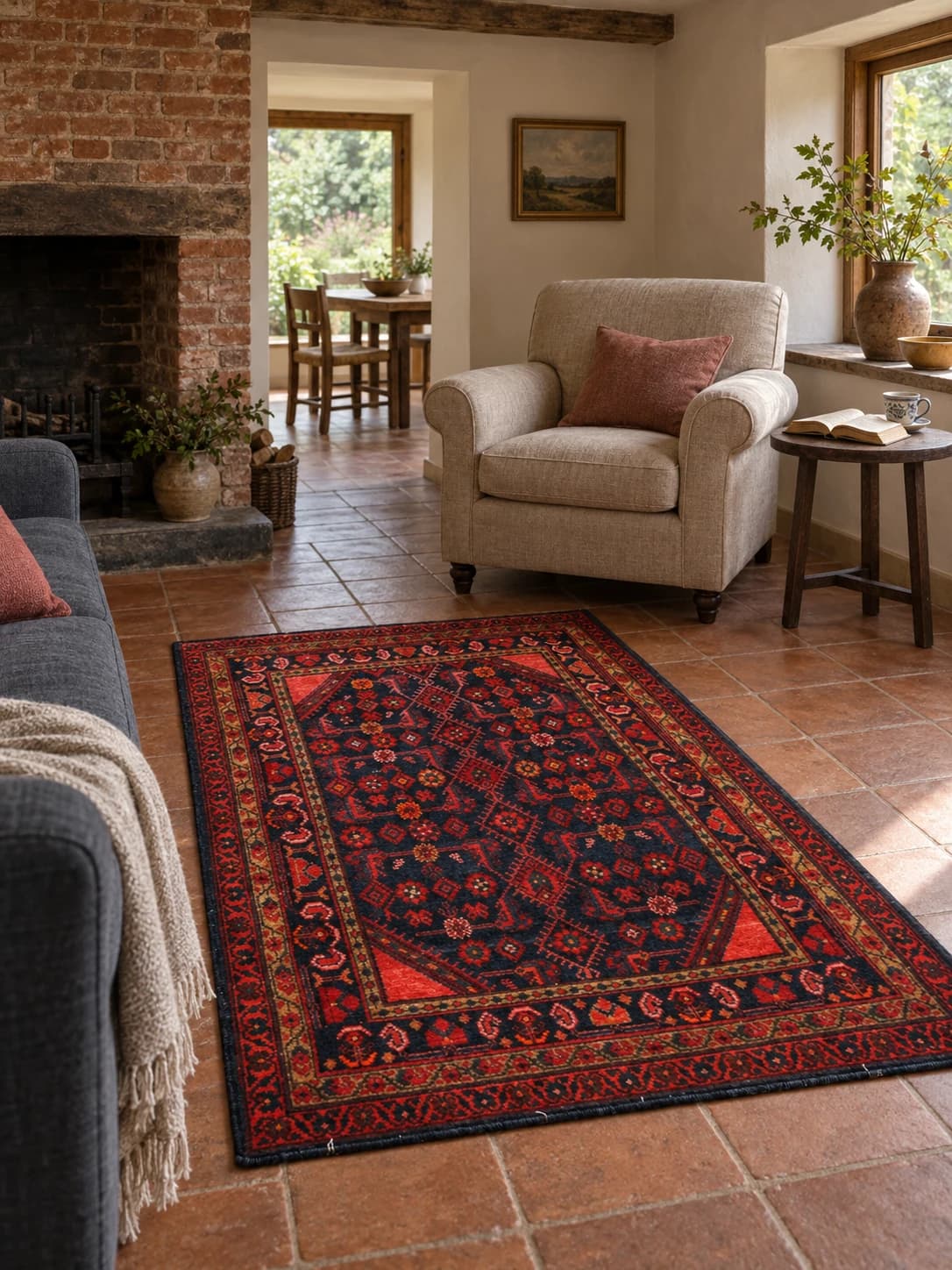
Creating Dramatic Focal Points: A hand-knotted red rug naturally draws the eye, establishing hierarchical importance in your interior scheme. This focusing effect makes red ideal for anchoring furniture groupings—a red rug in the living room pulls sofa and armchairs into one setting—and for defining conversational areas within larger spaces.
Adding Warmth to Neutral Environments: In minimalist or monochromatic interiors, a red area rug introduces vital warmth and energy without disrupting clean-lined aesthetics. The contrast between cool neutrals and warm red creates dynamic balance in contemporary spaces.
Establishing Luxurious Atmospheres: Red's historical associations with royalty and prestige make it perfect for creating environments that feel inherently luxurious and important. This psychological effect elevates even simple spaces to feel more considered and designed.
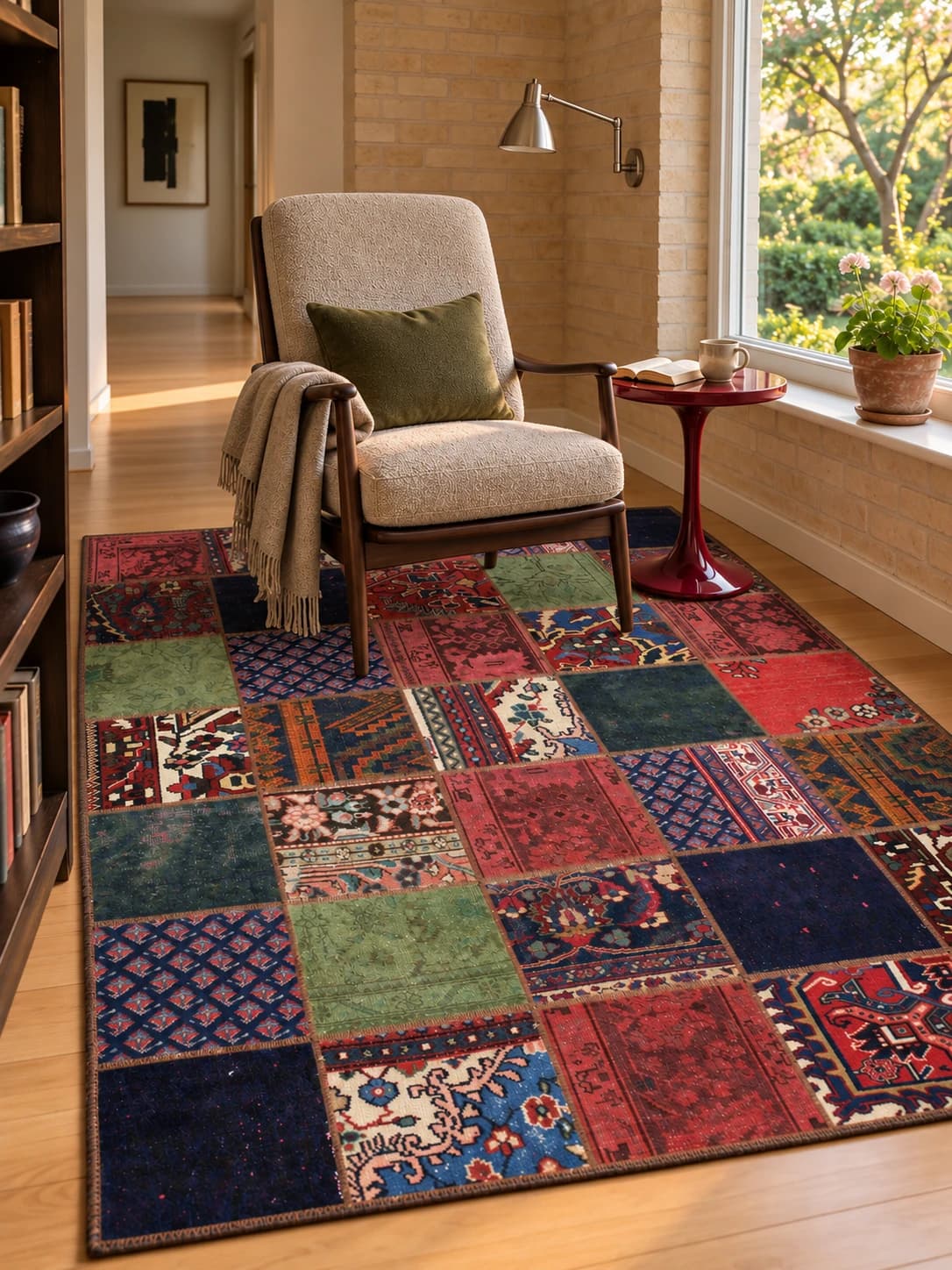
Connecting Colour Schemes: A multi-toned red rug with diverse shades and patterns can artfully bridge different colours throughout a space, creating cohesive interiors where various elements feel harmoniously connected rather than competing.
Defining Architectural Zones: In open floor plans, strategically placed red rugs create visual boundaries between functional areas while maintaining openness, effectively zoning spaces without physical barriers.
Red Rugs Across Interior Styles
Contrary to common perception, red rugs enhance virtually every design aesthetic when thoughtfully selected:
Traditional and Classic: Persian and oriental red rugs with intricate patterns in deep burgundy, ruby, and crimson tones have adorned traditional interiors for centuries—the medallion of a red Tabriz rug is the archetype of what the trade still calls a red Persian carpet. These timeless pieces—many of them red and blue rugs, their madder fields set with indigo—bring instant heritage and sophistication to formal spaces.
Contemporary and Modern: Plain or geometrically patterned red rugs in clear, vibrant tones create powerful statements in modern interiors. Their bold simplicity provides perfect counterpoints to the clean lines and neutral palettes typical of contemporary design. Even a traditional red rug can play this role: the large-scale angular drawing of a red Heriz rug reads almost modern against plain furnishings.
Eclectic and Bohemian: Vintage red rugs with softly faded patterns, or a kilim in rust-red tones, add character and artistic flair to eclectic spaces. These pieces often become the unifying elements that bring diverse decorative styles together.
Industrial and Urban: Deep oxblood or brick-red pieces bring essential warmth to industrial spaces dominated by cool metals, concrete, and exposed architecture. The contrast between raw structural elements and rich red textiles creates balanced, liveable environments.
Transitional Spaces: Red rugs with updated traditional patterns or subtle textures bridge the gap between classic and contemporary aesthetics, making them perfect for transitional interiors that blend elements from multiple design eras.
Styling Tips: Making Red Work Harmoniously
While undeniably impactful, red rugs require thoughtful integration to achieve balanced interiors:
Balance with Neutrals: Pair red rugs with substantial neutral elements that provide visual rest and prevent overwhelming spaces. White, cream, grey, and taupe create perfect counterpoints that allow red to shine without dominating—and a red and cream rug carries that balance within its own pattern.
Consider Colour Theory: Enhance red's impact by understanding its colour relationships. Complementary green accents make red appear more vibrant, while analogous oranges and purples create harmonious transitions that extend red's warmth throughout a space.
Layer with Patterns: When using a plain red rug, incorporate patterned elements elsewhere to add dimensional interest. Conversely, patterned red rugs work beautifully with solid upholstery that allows their complexity to take centre stage.
Mind the Lighting: Remember that red appears differently under various lighting conditions—warmer and more vibrant in incandescent light, slightly darker under LED lighting. Picture the rug under the light your room actually has at the hours you use it most.
Create Breathing Room: Avoid crowding a red rug with too many other bold elements. Instead, create deliberate negative space that frames and highlights the rug's impact while preventing visual competition.
Our collection of red rugs, from hand-knotted pieces to flat-woven kilims, offers a remarkable range of options for bringing this powerful colour into your home. One rule of thumb from decorators who work with hand-knotted Persian rugs: echo a couple of the rug's accent colours elsewhere in the room—but only a couple. Match too many and the scheme goes flat; match none and nothing ties together. Strike that balance and a red oriental rug gives the interior undeniable presence and a lasting impression.