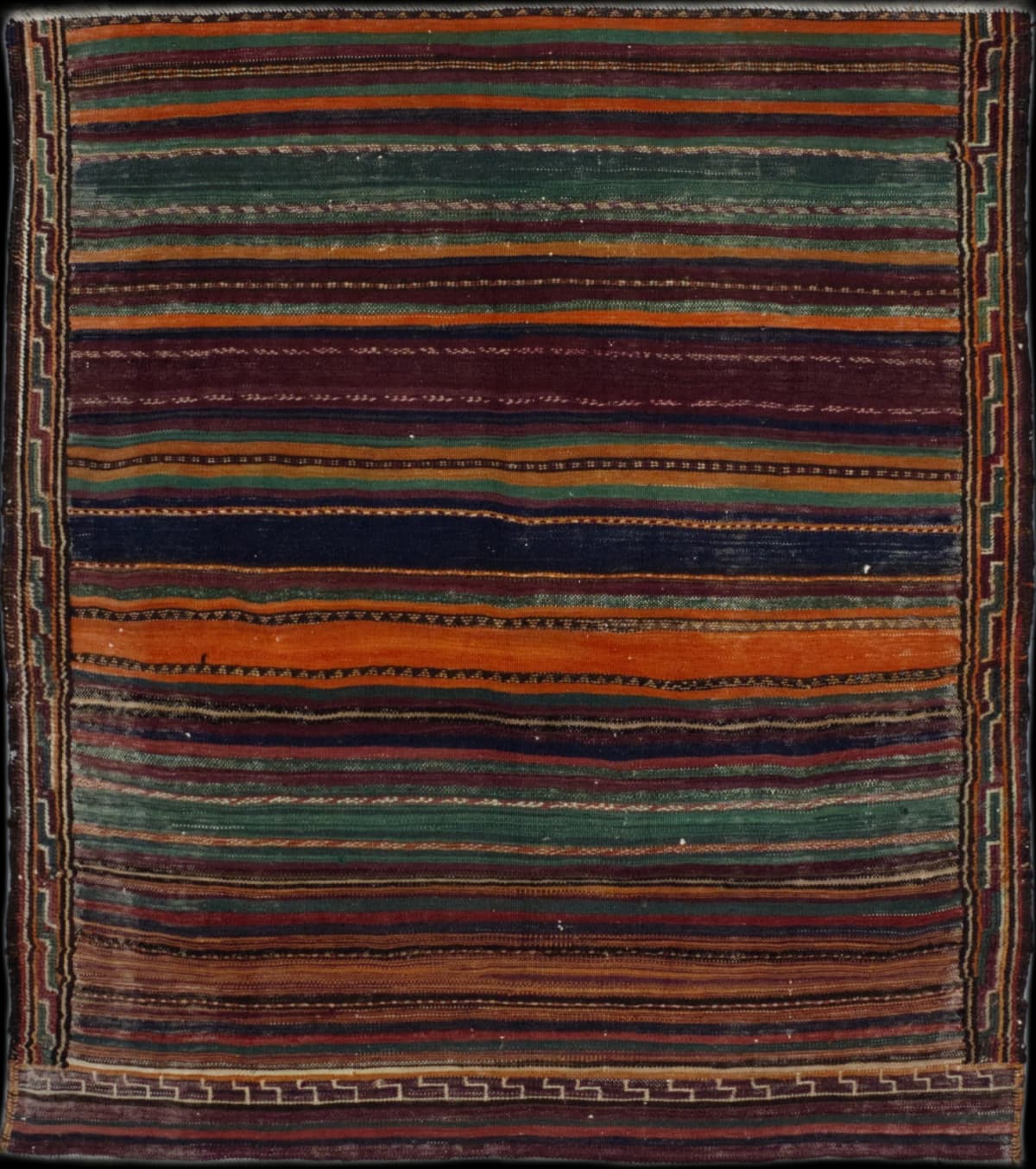
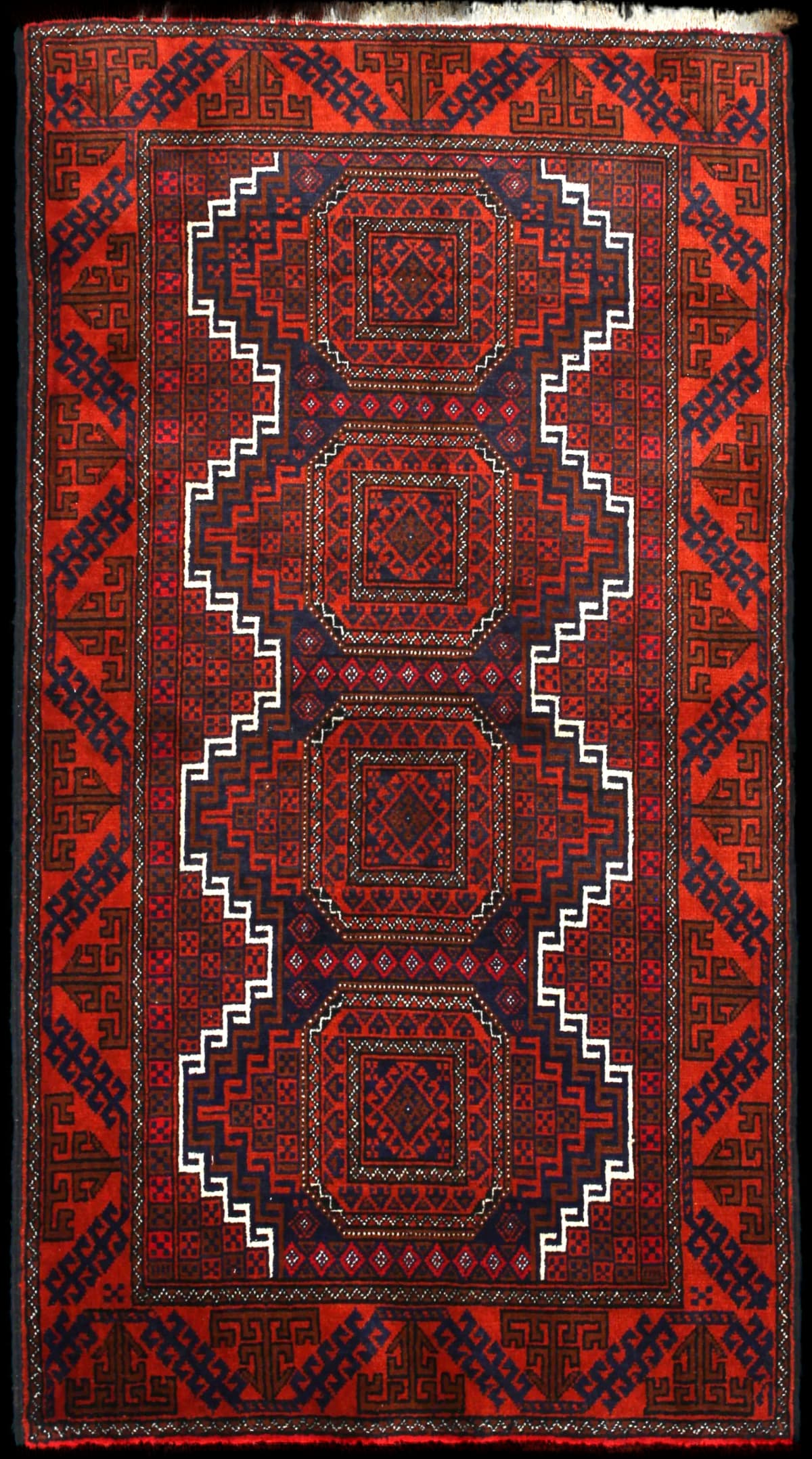
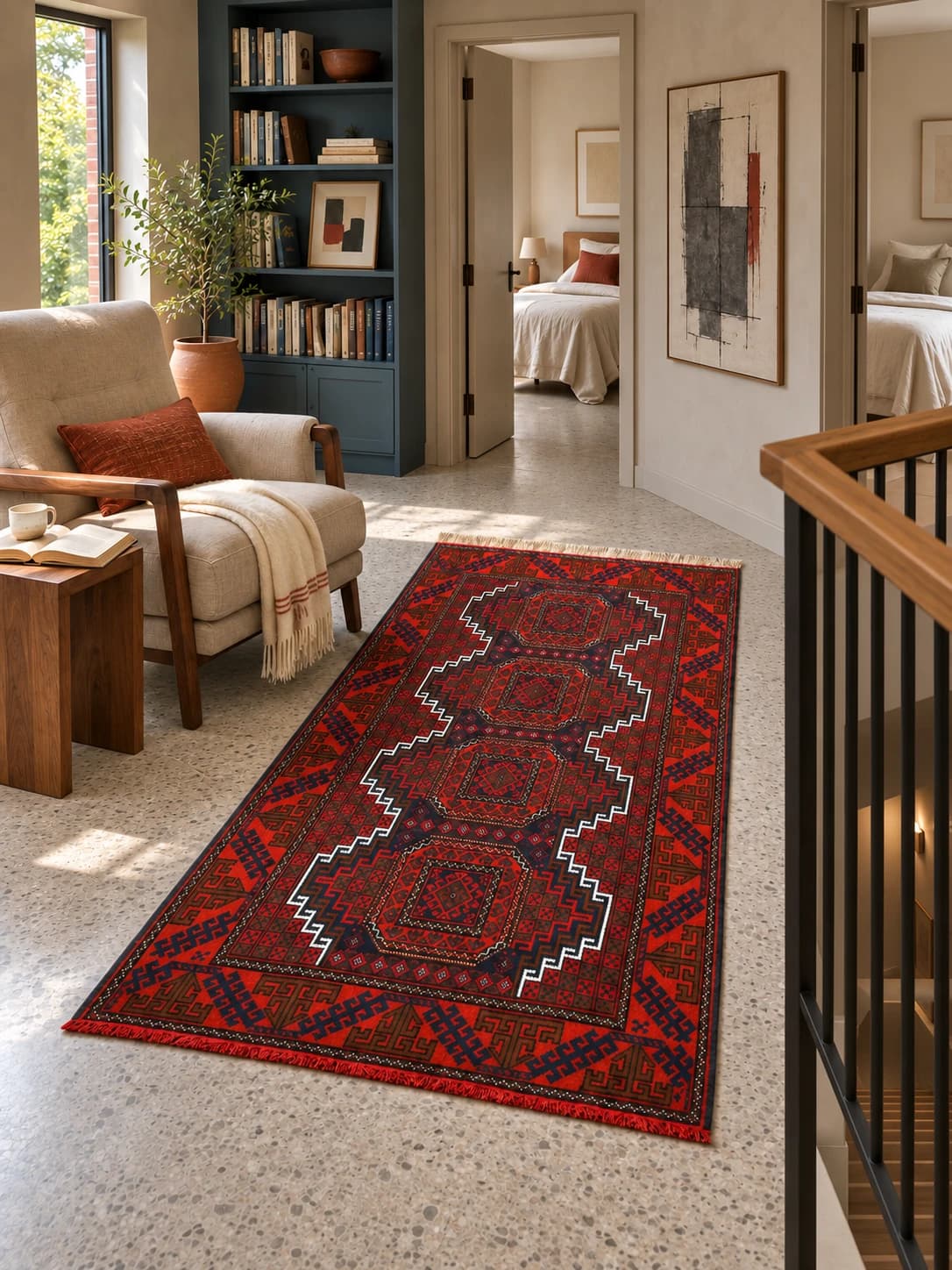
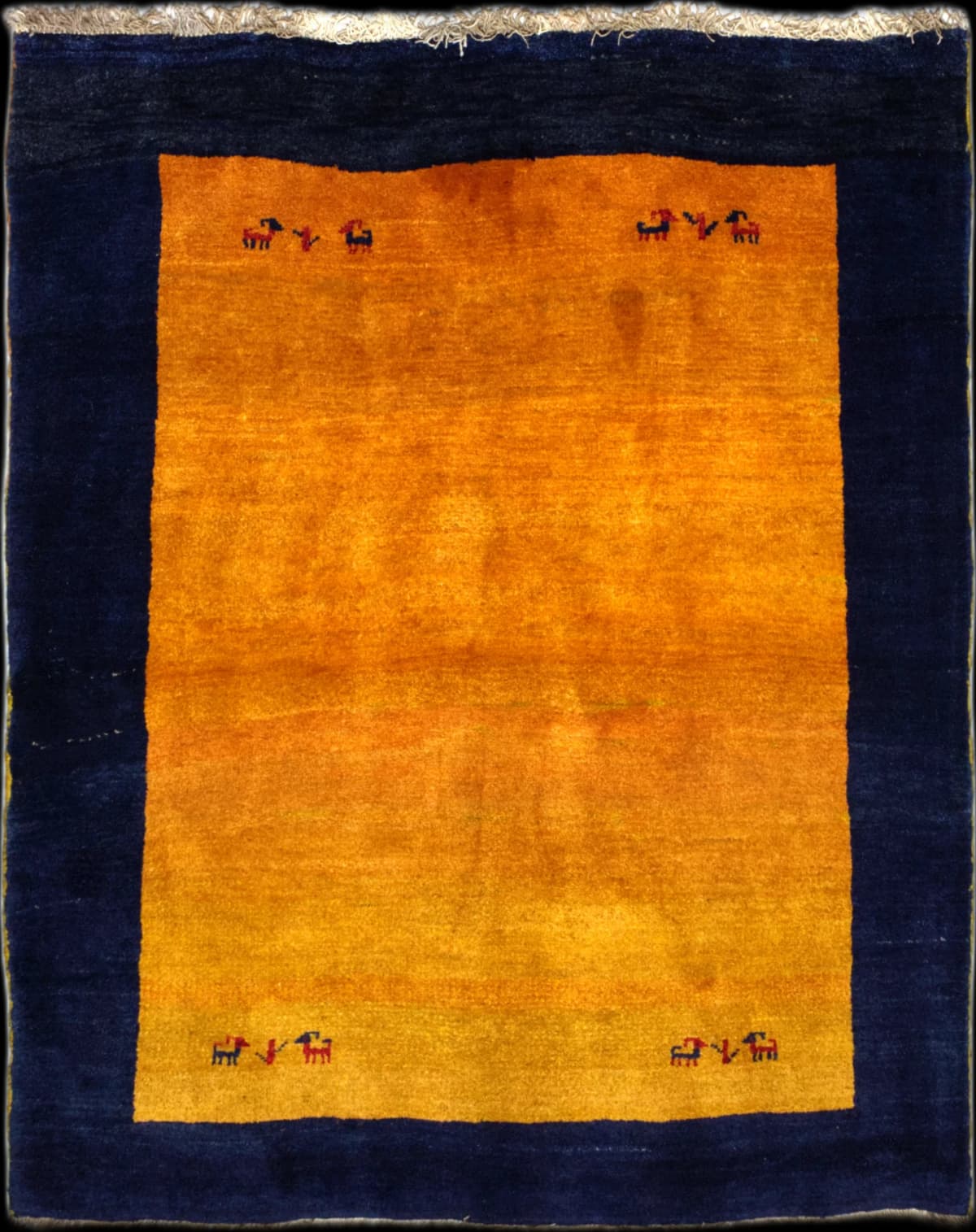
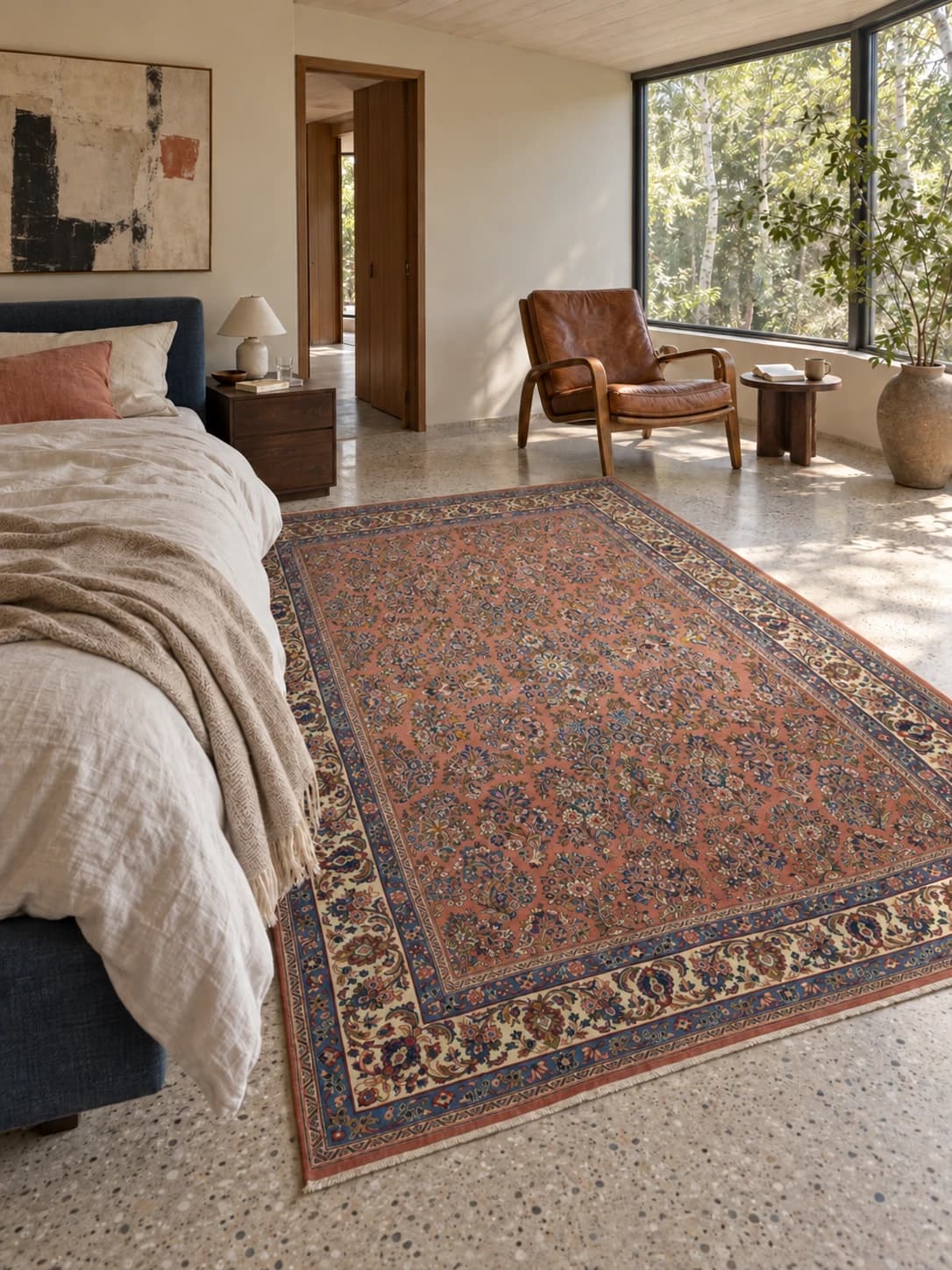
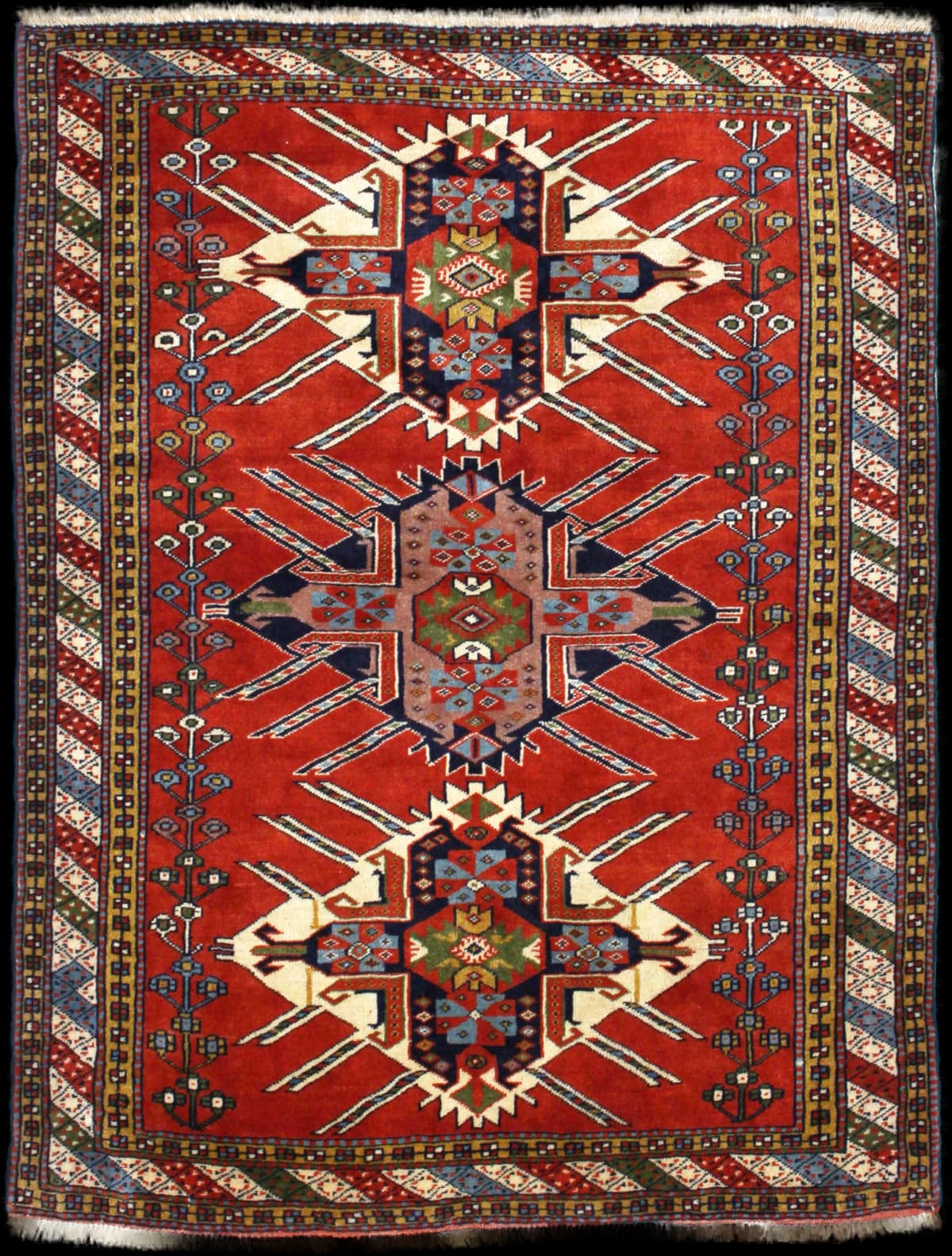
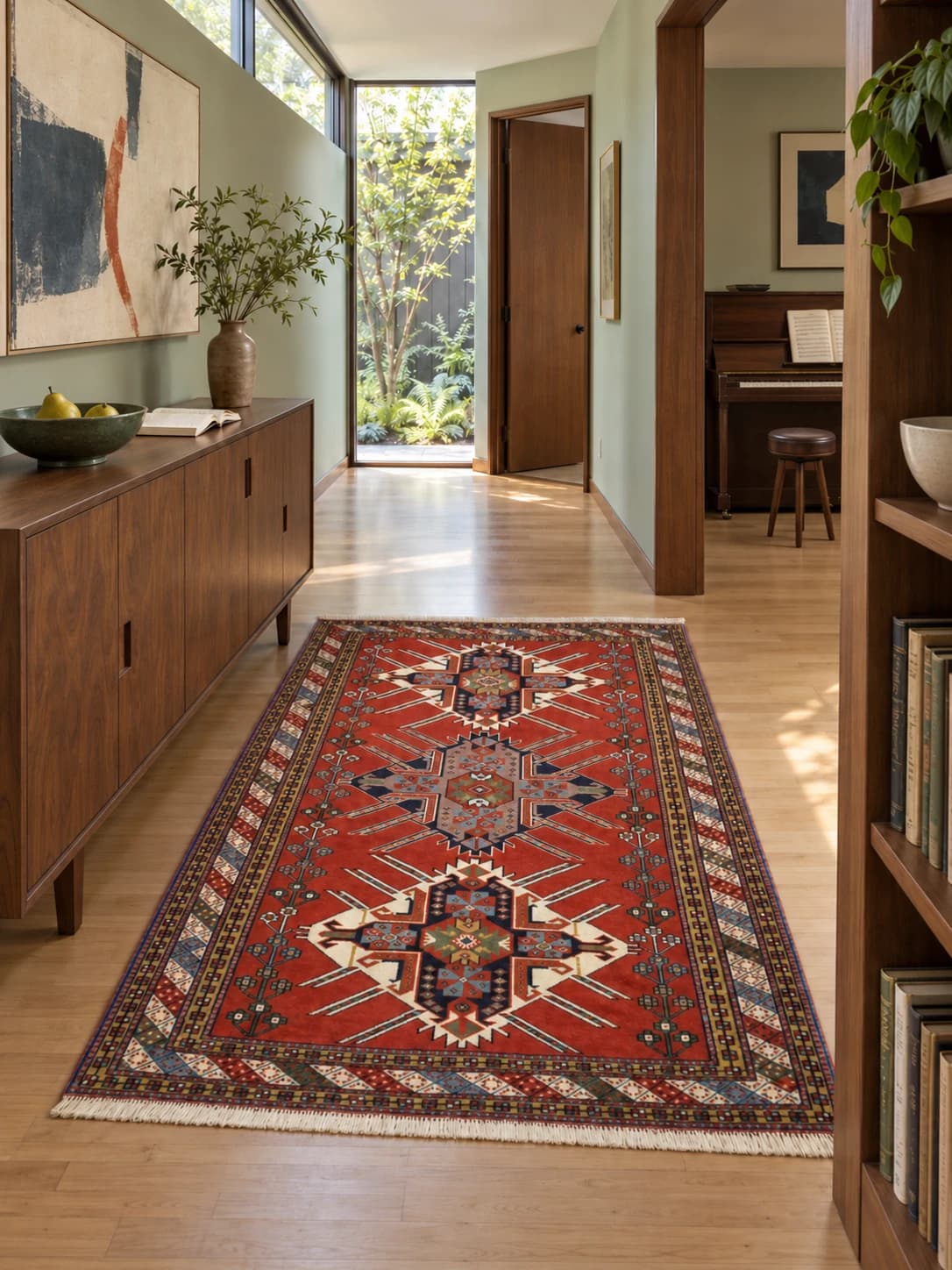
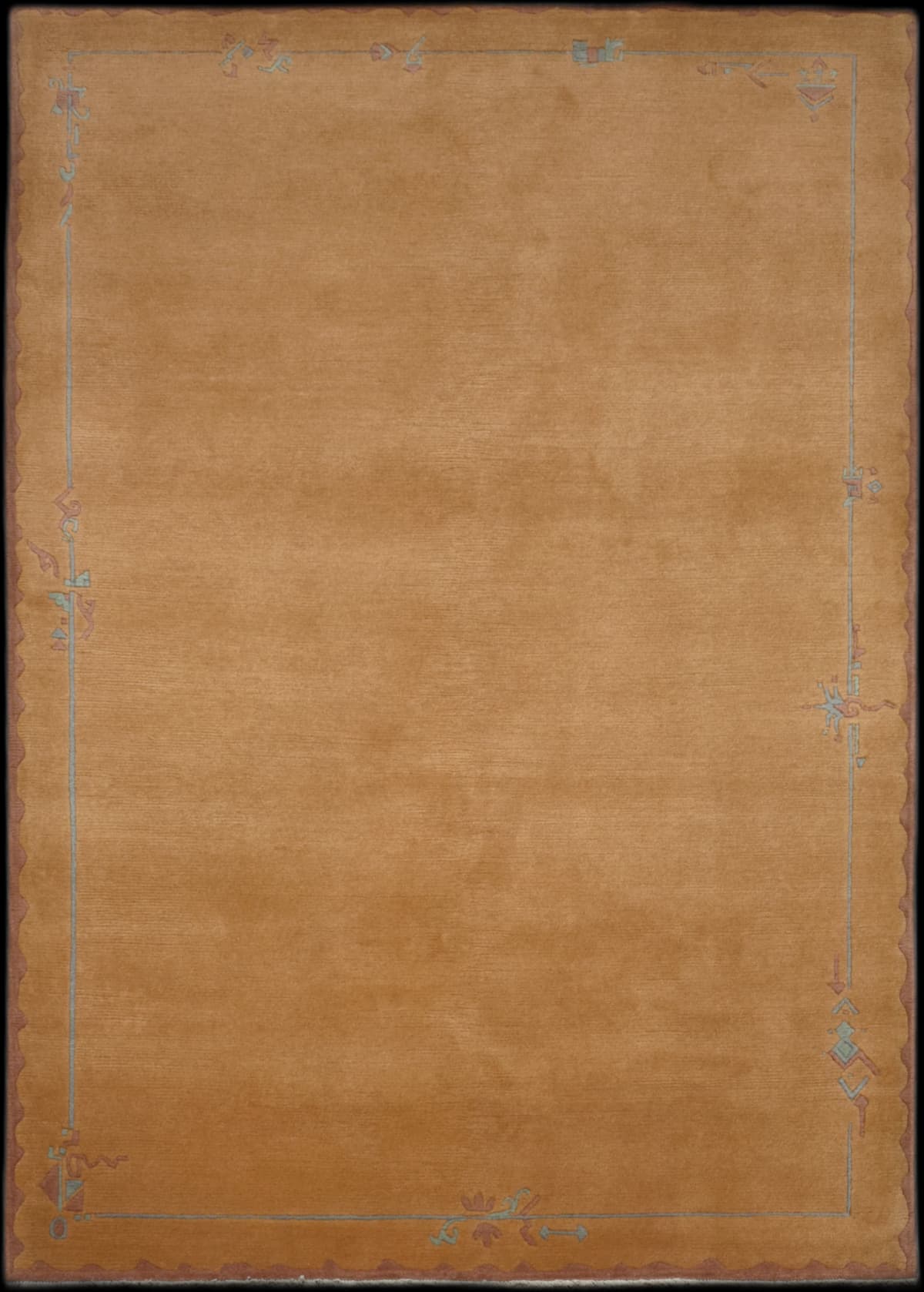
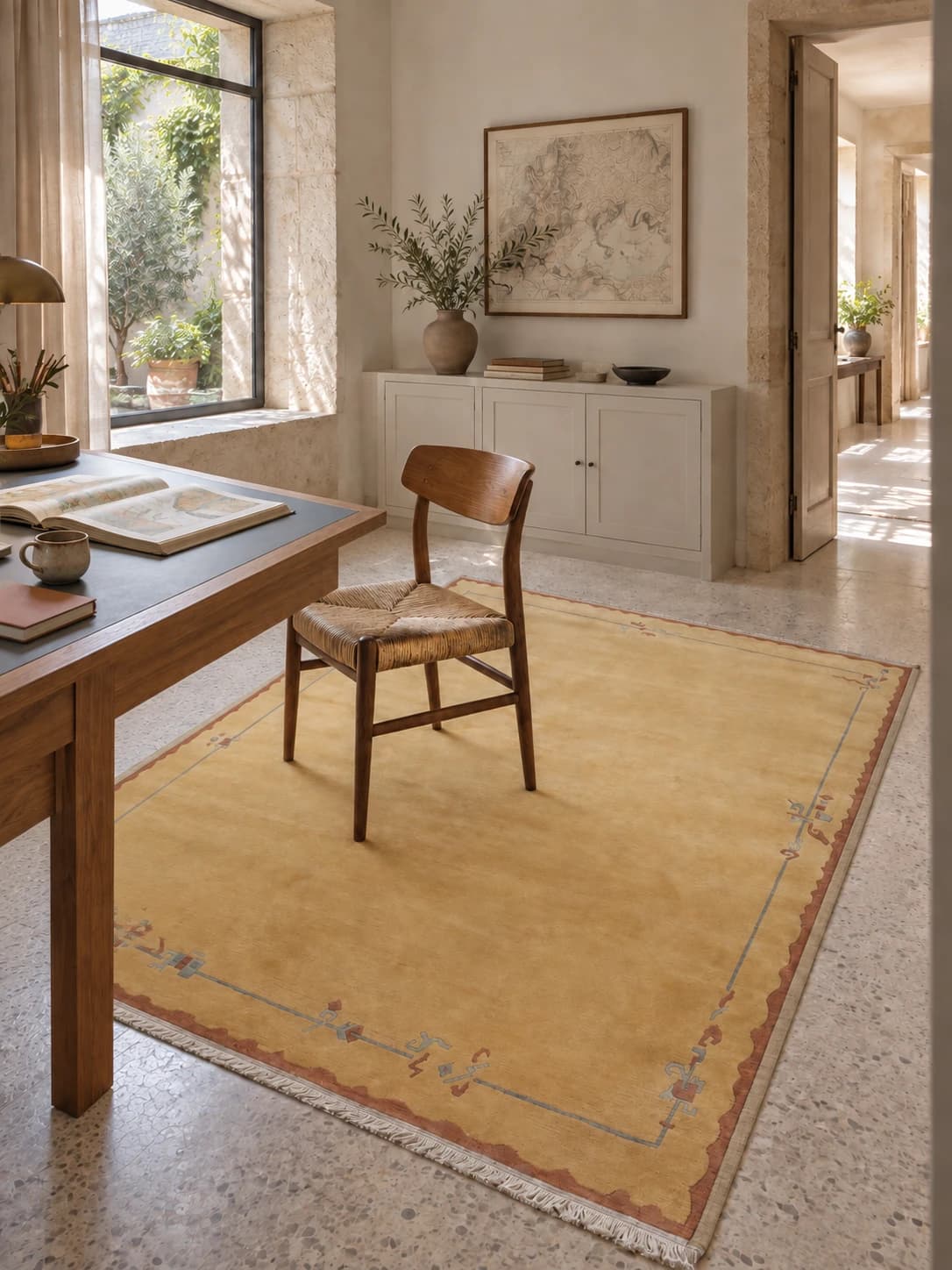
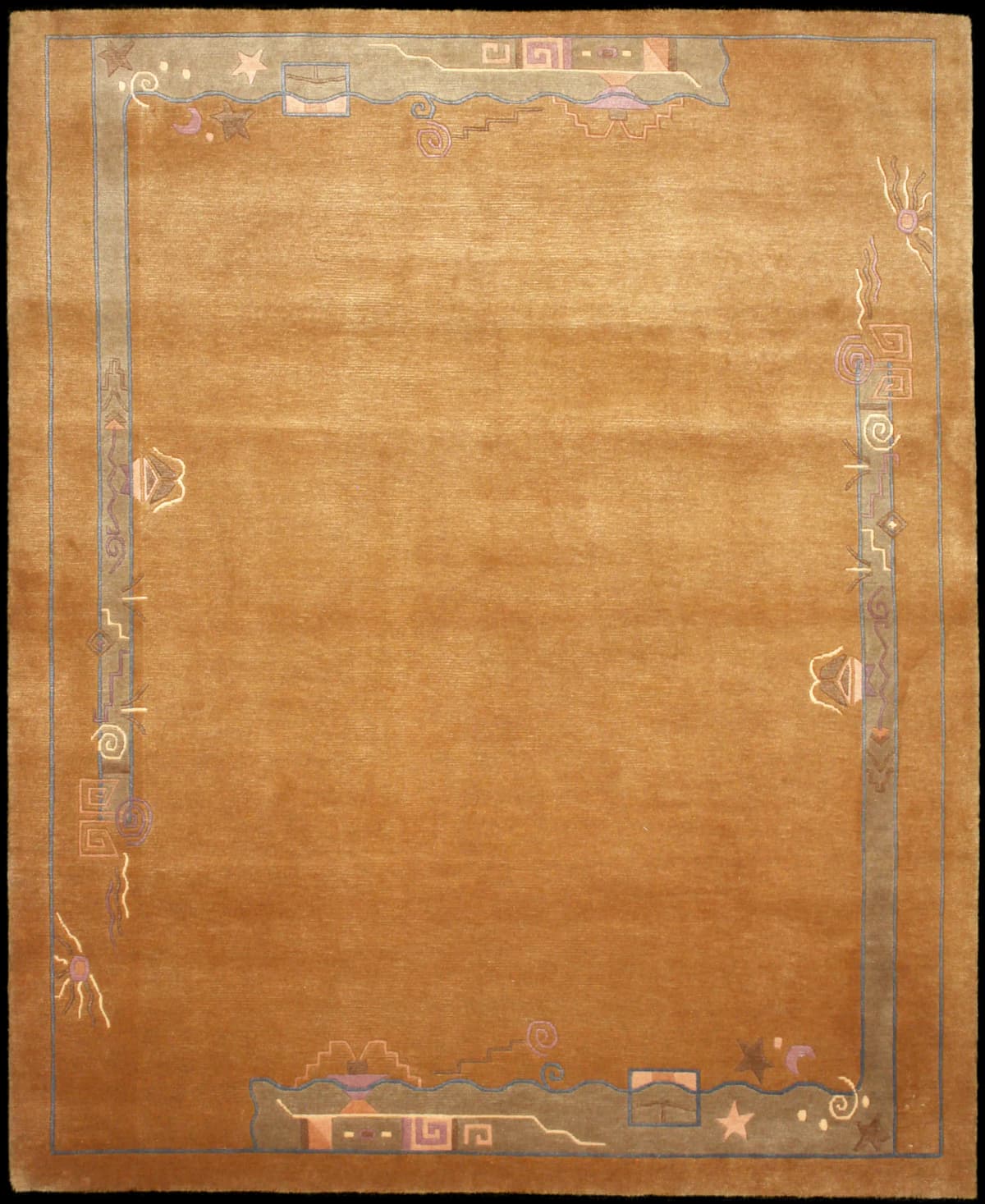
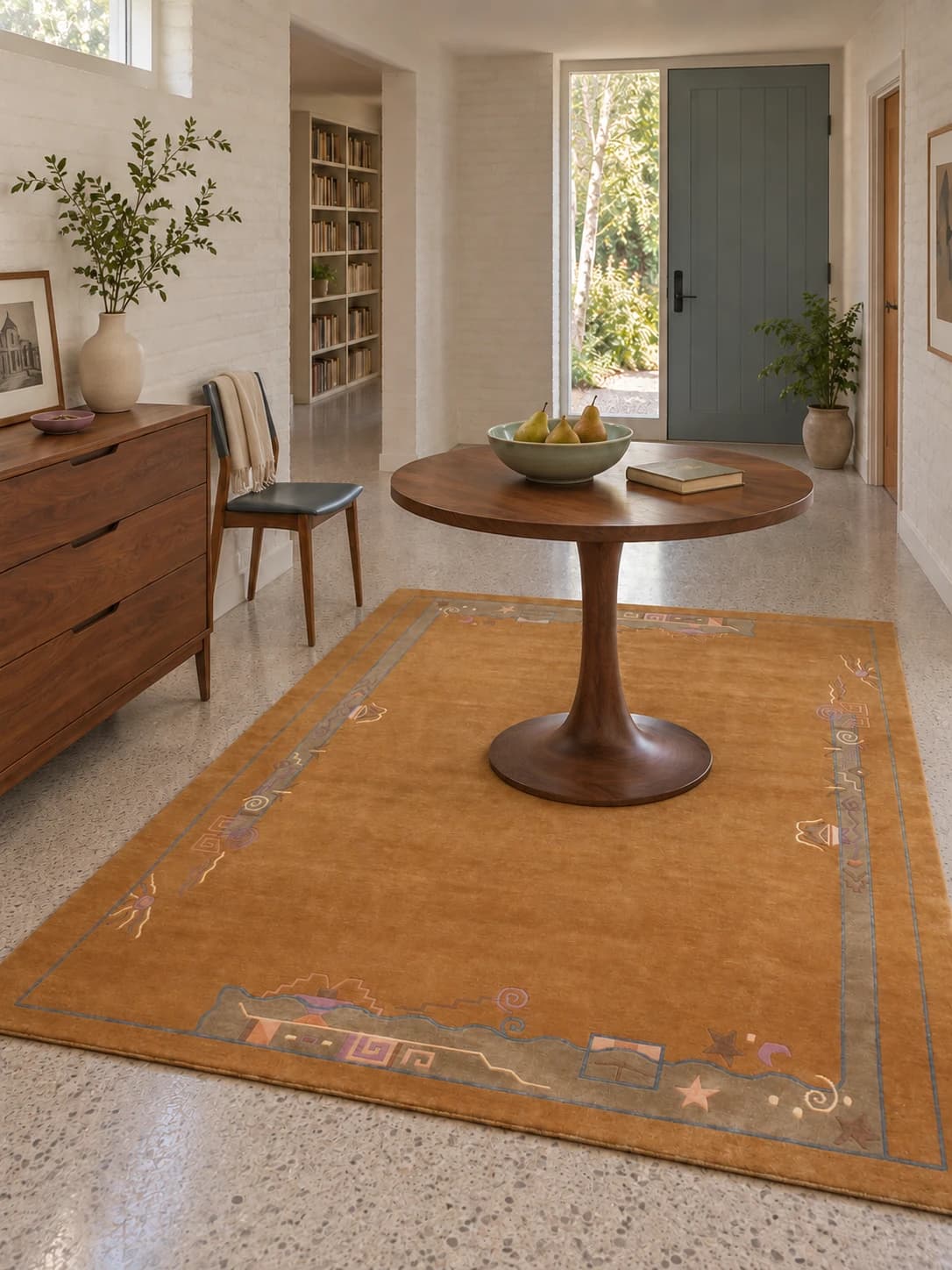
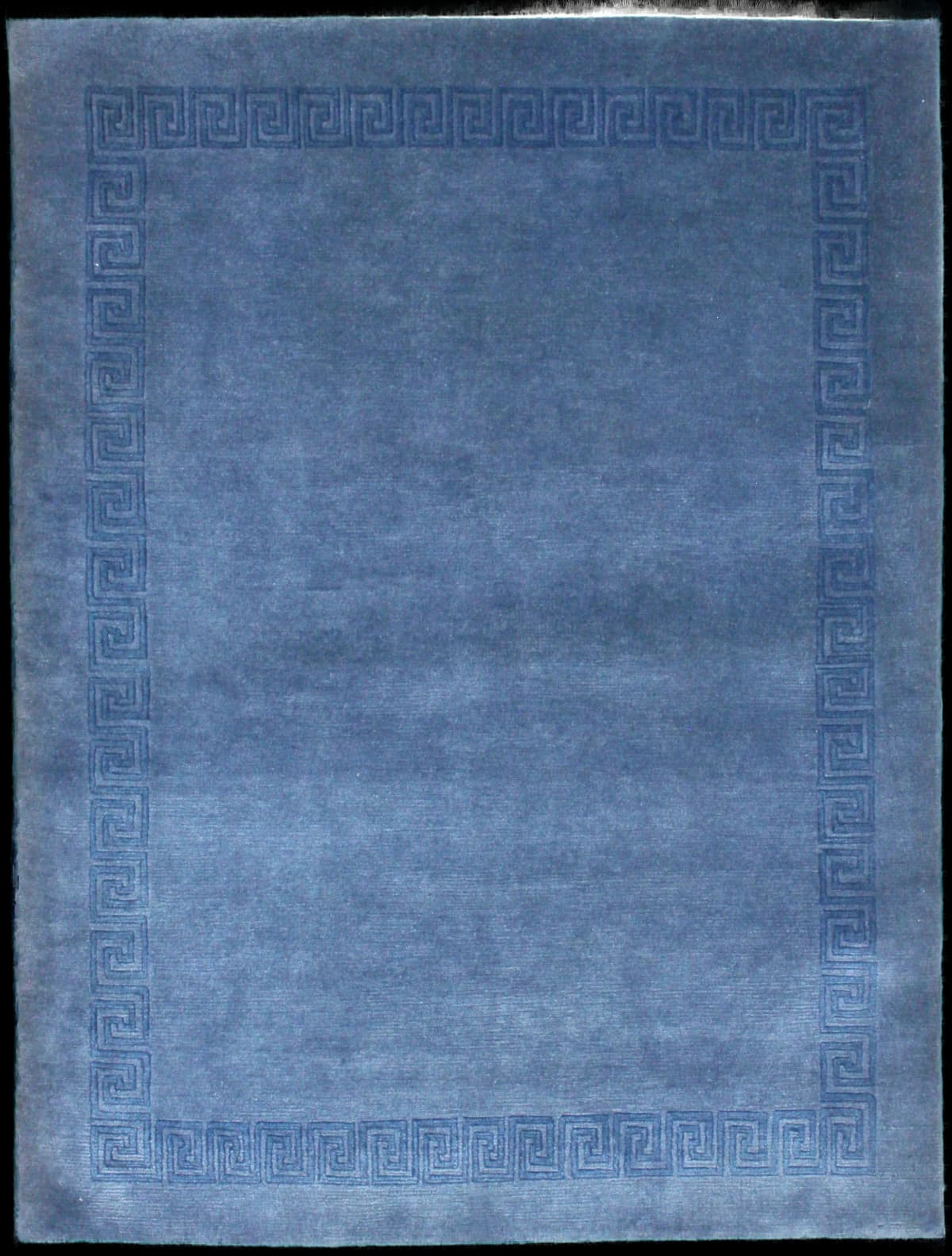
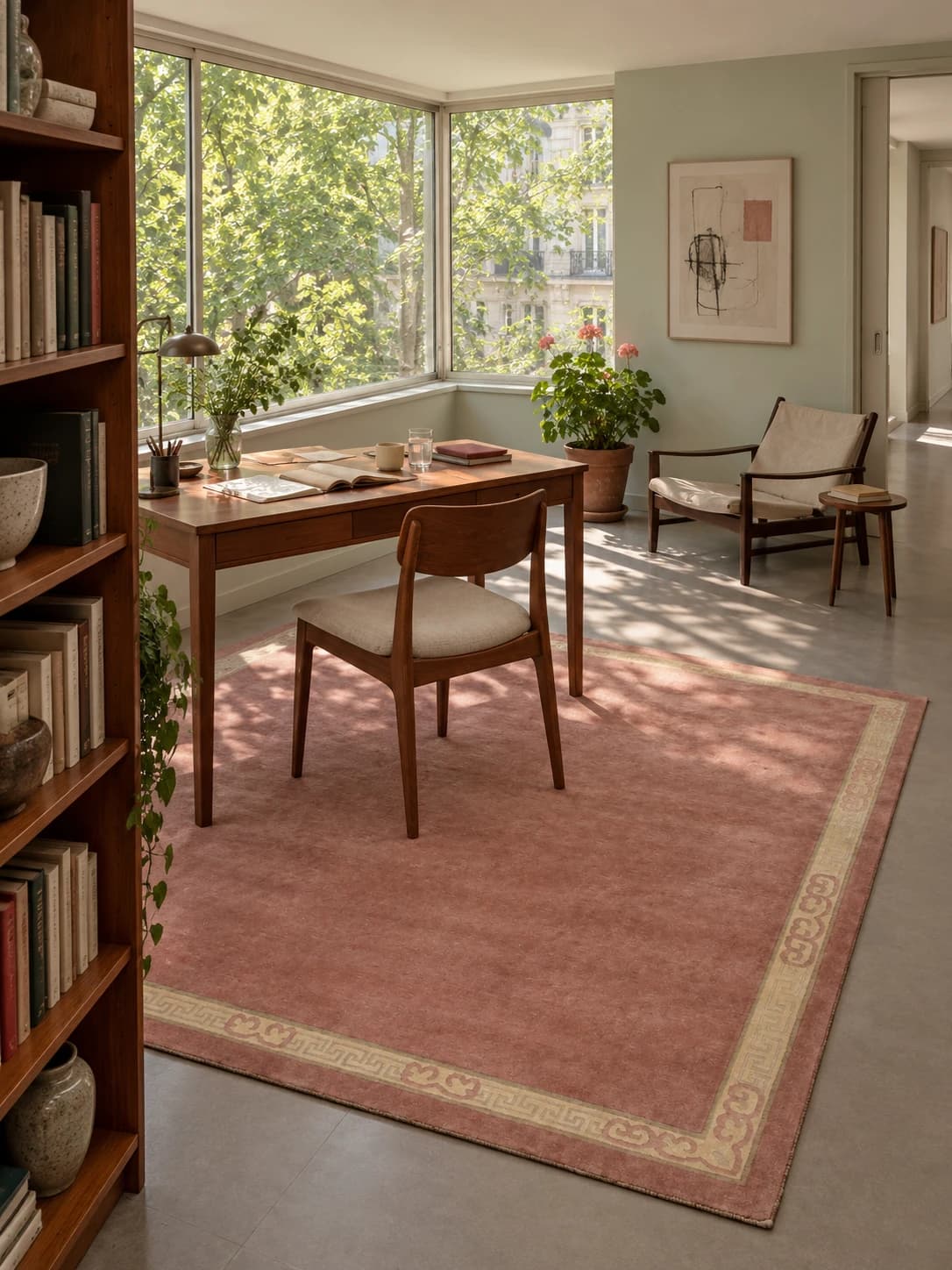
From the region ofشیرازShiraz
What makes this piece special
Hover over or tap a feature to read moreTwo knots per tuft — a denser, more durable pile that holds its pattern for decades.
Up close
Origin: Shiraz
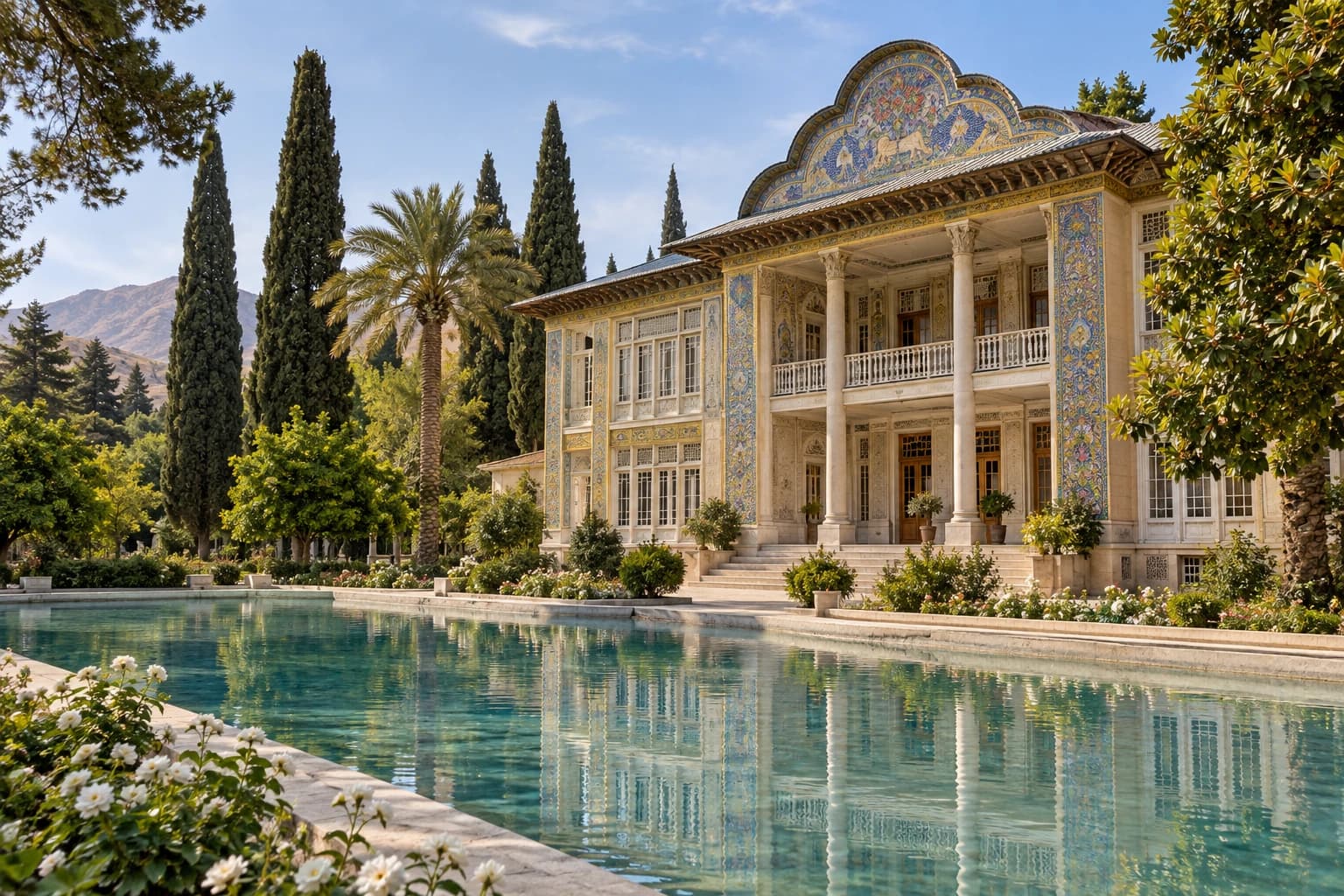
Shiraz lies in the south-west of Iran, the capital of Fars Province and the selling market for the whole of it. Fars, in its older spelling Pars, is the province that gave the rest of the world the words Persian and Farsi. The city was the seat of the Zand dynasty in the later eighteenth century, it holds the tombs of the poets Hafez and Saadi, and the ruins of Persepolis stand roughly sixty kilometers to its north-east. Rugs sold under its name are woven in the city itself and in the villages spread around it across the surrounding Fars countryside.
Weaving here is the work of tribal families who have settled. The looms are handmade and fixed in place, standing inside the weavers' own houses rather than being rolled up and carried between pastures, and that is the practical difference between this weave and a rug made on the move. When a piece comes off the loomSee in the carpet dictionary the family takes it into the local bazaar and sells it to the rug merchants there. The habit has turned the city into a clearing house for its neighbors too: the town of Abadeh, away to the north, is too small to support a rug market of its own, so its weavers bring their work here to sell.
Much of what makes the design recognizable comes from migration. Most of the weavers around the city arrived from the surrounding regions and brought with them the patterns they already knew how to tie, learned at home before they moved, and those repertoires then mixed. The result is a hybrid rather than a single house style, and the two parent traditions are usually easy to name: Abadeh, the small town that sits on the road running north towards Isfahan, and QashqaiSee in the carpet dictionary, the work of the region's best-known tribal confederation. This is tribal drawing meeting tribal drawing, not a city workshop dressing up village work.
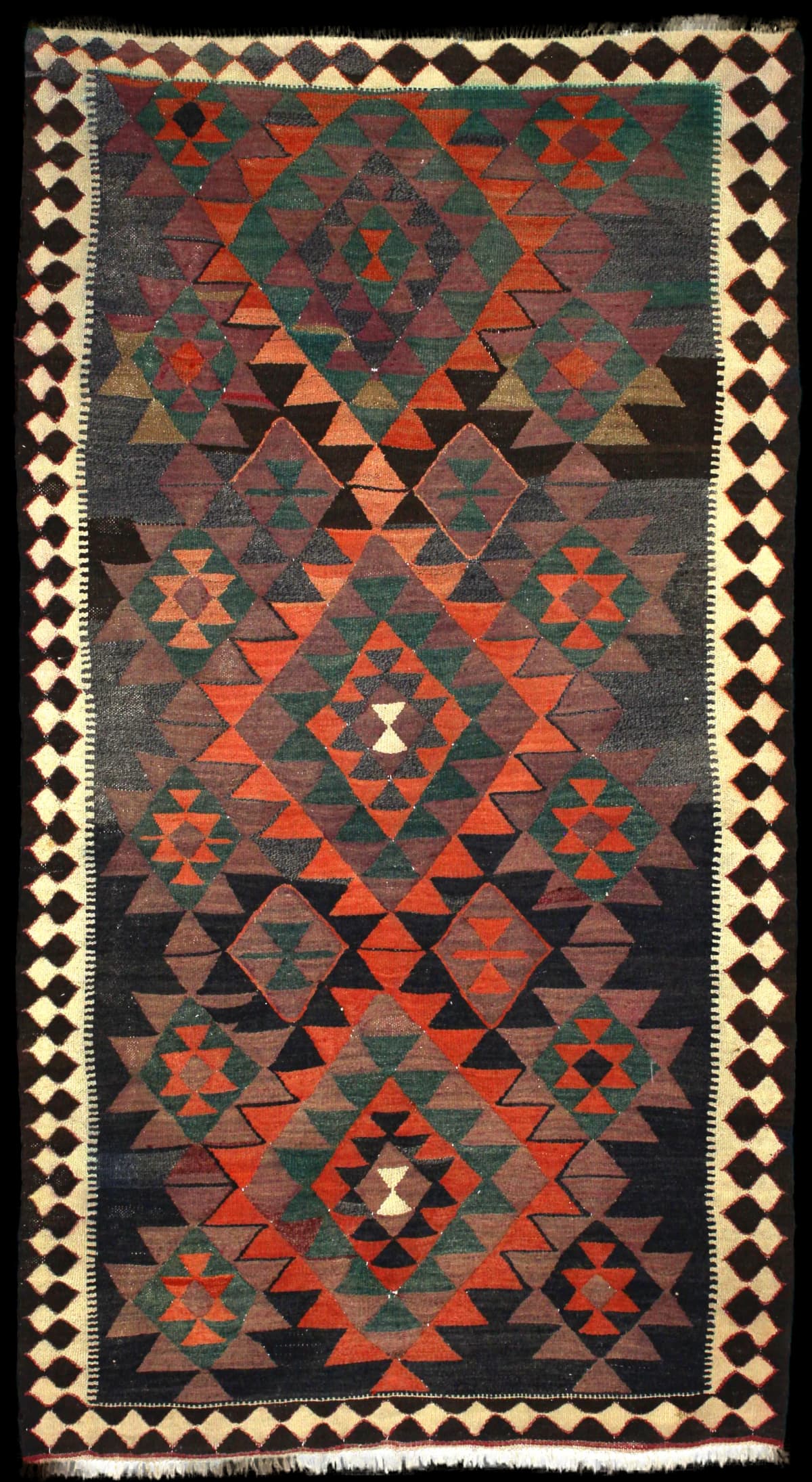
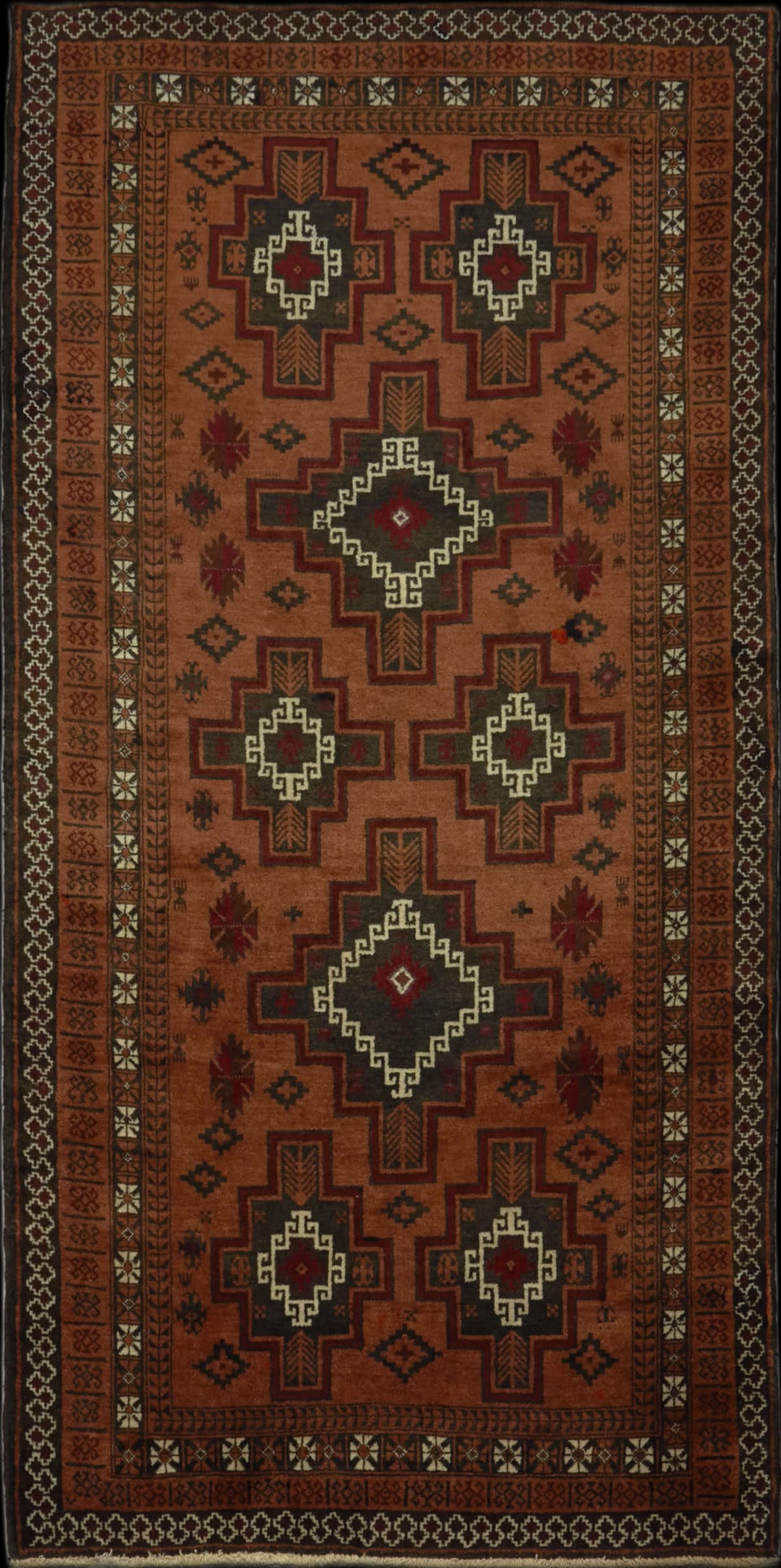
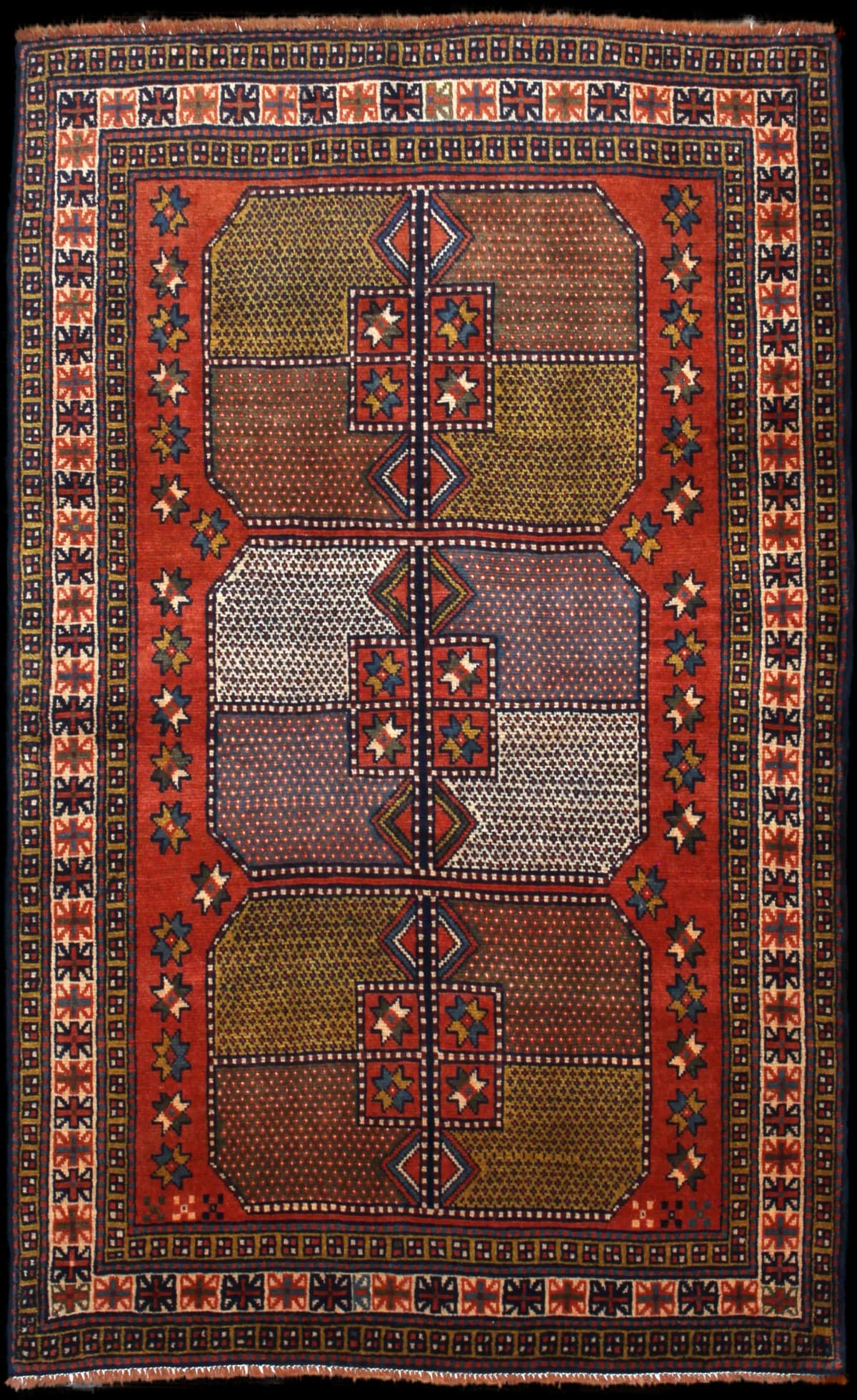
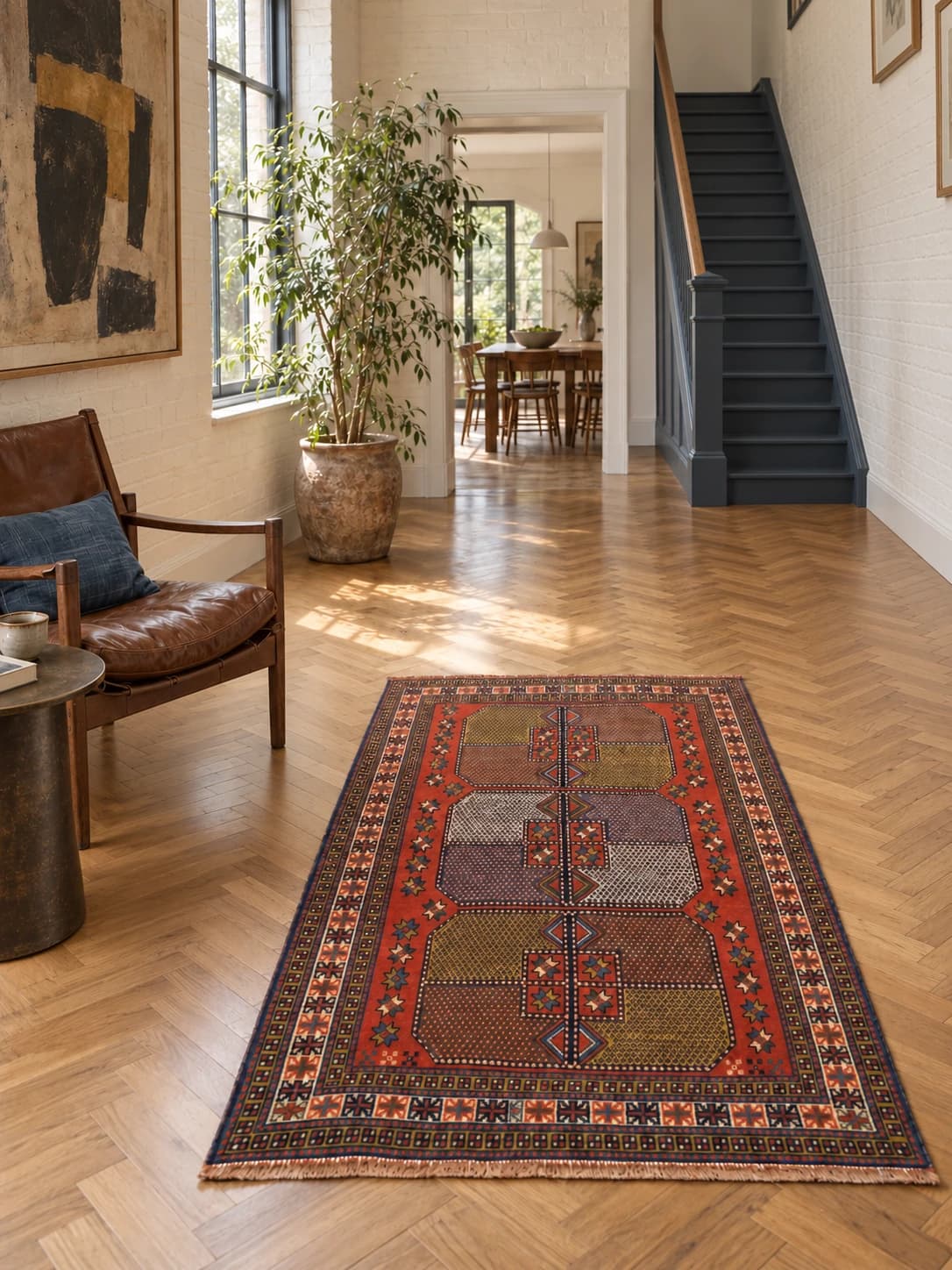
Layouts are geometric almost without exception, and three arrangements keep recurring. One is a single large geometric medallionSee in the carpet dictionary held in the center of the field. Another is a column of repeating medallions running the length of the rug. The third dispenses with the medallionSee in the carpet dictionary altogether and covers the whole ground with an all-over geometric pattern. Even when a medallion anchors the center, the taste runs towards a filled field rather than an open one, so the surface reads as busy and lively rather than calm and formal.
BotehSee in the carpet dictionary is the one named motif that turns up reliably in this group. It is drawn as a teardrop with a curled tip, read sometimes as a flame and sometimes as a pine cone, and it is usually repeated in rows across the field. The word means a budding flower or plant in Farsi, and in Persian culture the shape stands for growth and regeneration. European buyers will recognize the same figure as paisley, named after the Scottish town whose mills imitated Kashmir shawls and so kept the Persian shape while losing the Persian name.
From the Abadeh side of the family come hexagonal geometry, a small rosetteSee in the carpet dictionary set at the heart of the medallion, and a scattering of stylized living things across the ground: horses, sheep, birds, trees and flowers, squared off into straight lines and right angles. These are not naturalistic pictures, and at this weave they could not be. A horse is four legs, a back and a tail, reduced until it can be tied square by square at a coarse knot countSee in the carpet dictionary, and that reduction is exactly why tribal drawing of this kind still reads clearly from across a room.
What the Qashqai side contributes is a way of working rather than a set of shapes. Nothing is drawn out first; there is no cartoon pinned above the loom and no squared paper to follow. The pattern is carried in memory and handed down from one generation to the next, and the weaver fills the field with what surrounds her, animals, household objects, plants and the scenes of the year. A family that does not write its history down weaves it instead, which is why two rugs from the same household rarely match each other exactly.
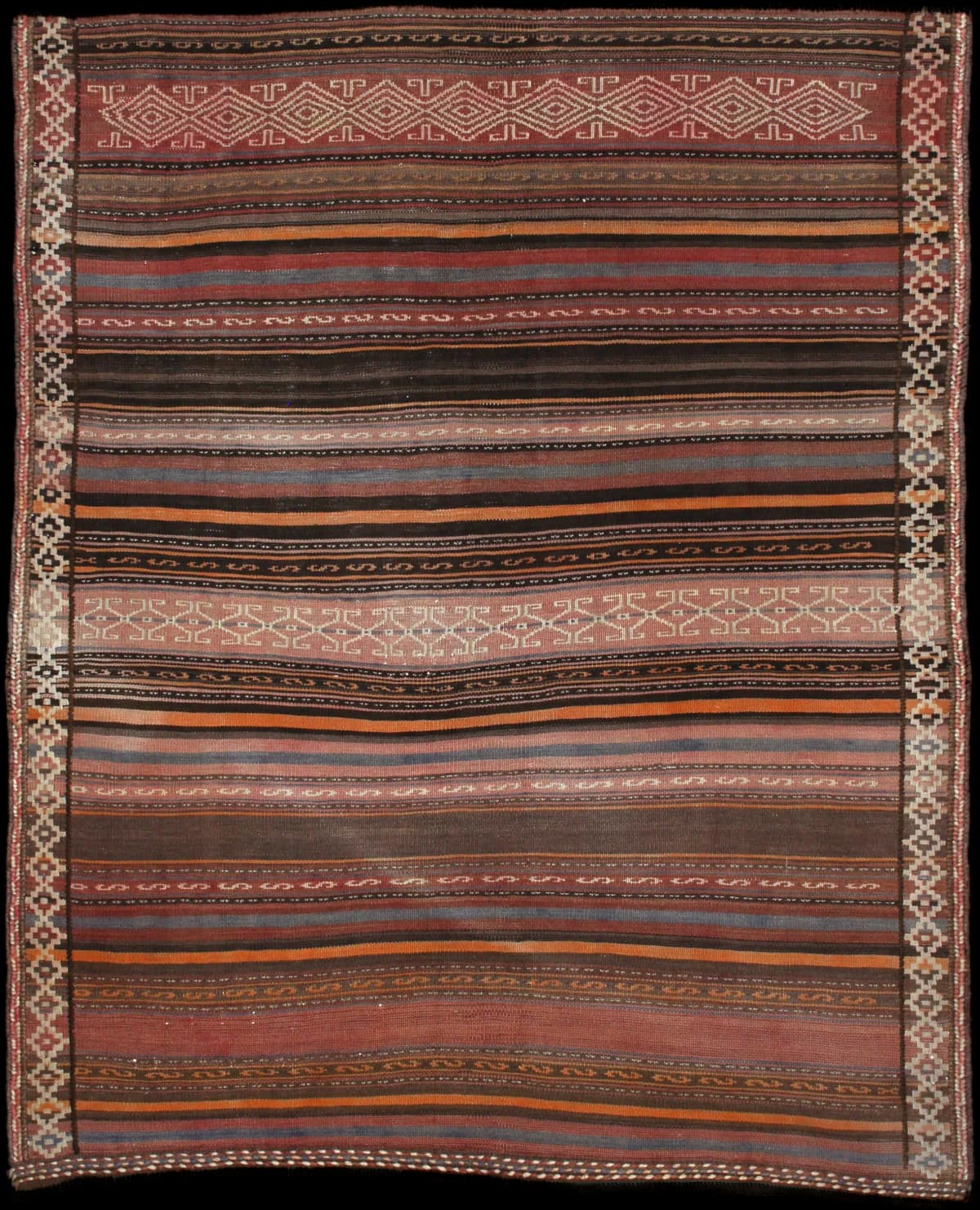
Color is where the group is at its most consistent. The field is usually a strong red or a warm brown, with the pattern picked out over it in cream, yellow, blue and green. The reds run deep rather than bright, and the cream does most of the work of legibility, outlining the forms so the geometry stays readable at a distance. Set beside a Qashqai, which favors jewel tones of saffron gold and indigo over deep red or navy grounds, a rug from around Shiraz reads a little earthier and a little quieter.
The pileSee in the carpet dictionary is almost always woolSee in the carpet dictionary, and the tribal flocks of Fars graze the Zagros highlands that the city itself sits among. Fleece of that kind is known in the trade as hard weaving wool: thicker than the clip the workshop cities buy, harder to spin and harder to tie at the loom. It repays the difficulty in wear. Rugs built from it take punishment and still keep a soft handle underfoot, which is the combination that makes this a floor covering rather than something to be hung up and admired.
Foundations are either cotton or wool, and which one a rug has changes how it feels in the hand. A wool foundationSee in the carpet dictionary goes together with the Turkish, or symmetrical, knot and produces a looser pile with some give in the body of the rug. A cotton foundation packs tighter, holds its shape more firmly and carries tighter knots. Neither is the better choice; they are different rugs sold under one name, and bending a corner back to see which foundation is underneath tells you more about how a piece will behave than the name on it does.
Knot density is low to medium, averaging around 120 knots per square inch (KPSI). That places these rugs in the everyday-durable band rather than the fine one, and it suits the drawing, because bold geometry needs no great resolution and a coarser weave gives a thicker, more forgiving carpet. Neighboring Abadeh, by comparison, runs to roughly 225 KPSI, since its small animals and flowers need the extra detail simply to be readable. A higher count is not automatically better. It is better for finer patterns, and this is not a fine pattern.
Because the looms are fixed and stand in a house rather than folding into a saddlebag, the sizes reach further than genuinely nomadic weaving allows. A portable frame holds its rugs to roughly 120 by 180 centimeters, 150 by 210 centimeters and runners, whereas a loom built into a home can be sized to the room it serves. Expect small and mid-room formats in quantity and larger pieces less often. These are carpets made to be walked on, and the weave and the wool together take hallway and living-room traffic without complaint.
The Persian rug
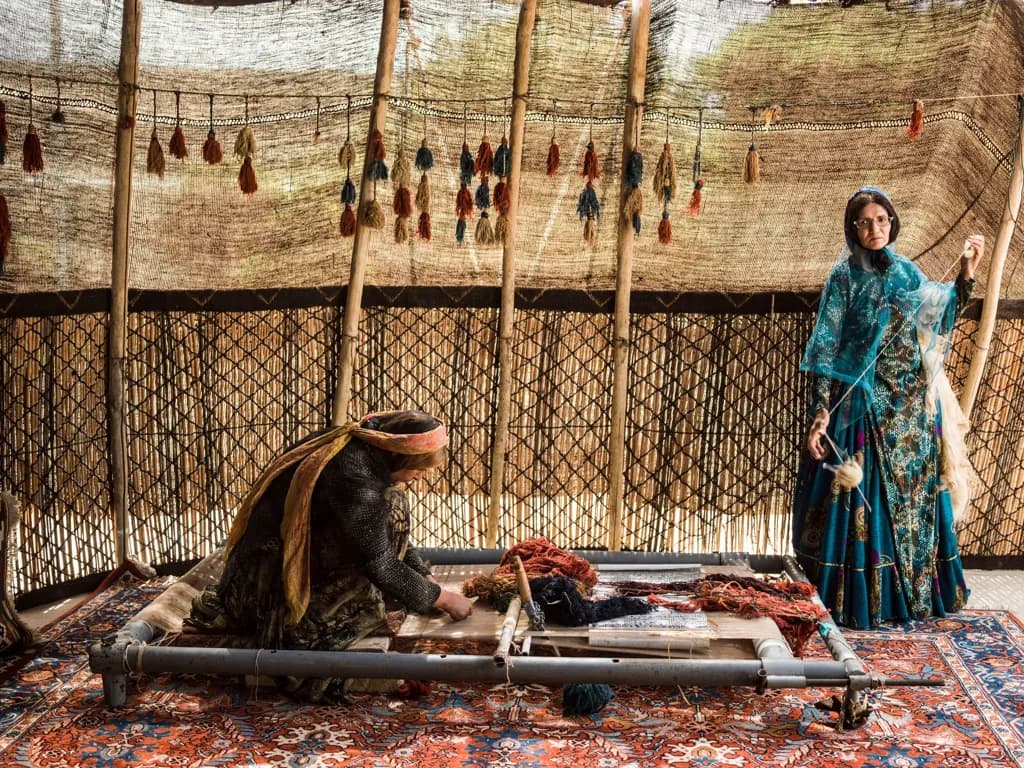
A Persian rug is an Iranian rug — a rug hand-knottedSee in the carpet dictionary in Iran — and the tradition behind it is the oldest documented anywhere. The earliest surviving carpet, the Pazyryk rugSee in the carpet dictionary, was found preserved in a frozen burial mound and dates to the fifth century BC — roughly 2,500 years ago — and it is already accomplished work, not a beginner's craft. What began as warm, hard-wearing floor coverings for tribal households grew, over those centuries, into the art form that every other rug-weaving country has borrowed from.
Two later chapters shaped what a Persian carpet looks like today. Under the Safavid dynastySee in the carpet dictionary, from 1501 to 1732, the court promoted weaving alongside painting and calligraphy, and the workshops of Tabriz, HeratSee in the carpet dictionary, Kashan and Kerman produced the masterpieces that now sit in museums. This is when the great central medallionSee in the carpet dictionary appeared, and when designs grew elaborate enough that a separate designer — often a miniature painter — drew the pattern onto a cartoon for the weaver to follow. The second chapter came in the nineteenth century, under the Qajar dynastySee in the carpet dictionary, when production reached its historical peak, exports to Europe and America boomed, and the workshop industry whose descendants still weave today took its modern shape.
The trade sorts Persian rugs into three families. City rugs — Tabriz, Kashan, Kerman, Nain, Isfahan — are woven in workshops from a drawn design, carry the highest knot densities and come in the widest range of colors, sizes and patterns. Village rugs such as HerizSee in the carpet dictionary, BakhtiariSee in the carpet dictionary and KarajaSee in the carpet dictionary sit in between, mostly geometric and largely woven from memory. Tribal rugs — Baluch, TurkomanSee in the carpet dictionary, QashqaiSee in the carpet dictionary, each named after the people who weave it — are made on small portable looms, so they run smaller, and their bold geometric drawing comes from the weaver's own head rather than from paper.
The design vocabulary draws on a deep stock of motifs: Shah AbbasiSee in the carpet dictionary palmettes, flowing arabesques, the small repeating Herati patternSee in the carpet dictionary, medallions, garden and tree-of-life compositions. These combine with regional habits into styles a practiced eye can place at a glance, from the bold geometric medallions of Heriz to the fine curvilinear florals of Isfahan.
The classic palette is built on natural dyes: madderSee in the carpet dictionary reds, indigo blues, saffron yellows and the soft whites of undyed woolSee in the carpet dictionary, settled into combinations refined over centuries. Natural dyes age gracefully, mellowing into the patina that older rugs are prized for, and slight shifts of tone between dye batchesSee in the carpet dictionary — the effect called abrashSee in the carpet dictionary — are a mark of small-batch natural dyeing, not a flaw.
The pileSee in the carpet dictionary is almost always woolSee in the carpet dictionary, and in a Persian wool rug the wool itself decides much of the quality. The best fleece comes from high-altitude flocks, where it grows thicker and richer in natural oils; spring-sheared wool beats the autumn clip, and hand-spun yarnSee in the carpet dictionary gives a finer, softer thread than machine spinning. Fine pieces add silk highlights to a wool pile, and at the very top sits the Persian silk rug, woven in pure silk. Foundations are usually cotton in city weaving, wool in tribal and older pieces, silk at the very top of the range.
Every knot is tied by hand, one at a time, in one of two forms: the asymmetric Persian knotSee in the carpet dictionary, usual in central and eastern Iran, or the symmetric Turkish knotSee in the carpet dictionary, common in the north-west ever since Seljuk weavers introduced it in the eleventh and twelfth centuries. A large rug holds in the region of two million knots and can occupy a weaver for about a year.
Knot densitySee in the carpet dictionary is the figure newcomers fixate on, and the finest silk-foundation pieces do reach as much as 1,000 knots per square inch. But densitySee in the carpet dictionary only matters as far as the drawing demands it: a curvilinear Isfahan needs a fine weave to stay sharp, while a geometric Heriz is famously durable at a modest count. Material, symmetry, color harmony and condition say more about quality than any single number.
Persian carpets settle into modern rooms as naturally as classical ones, as a focal point in a living room, a foundation under a dining table or a quieter accent in a bedroom. Care is undemanding: gentle vacuuming without a rotating brush, an occasional turn for even wear, and a professional wash about every five years — sooner in a hallway or entrance, less often in a quiet room.
A hand-knotted Persian rug tends to outlast its owners. Pieces a century old regularly survive in fine condition, their colors settled and their pile supple, often looking better than when they left the loomSee in the carpet dictionary. A well-chosen, well-kept rug holds its worth and passes down as a family heirloom rather than being replaced — which is precisely what the knots, the wool and the dyes were always for.
Questions about this carpet?
Our family has traded carpets for two generations. Ask us anything — photos, video calls, advice on sizes.
Message us
Keep exploring
Guides from our family workshop: how to clean, place and care for hand-knotted rugs.