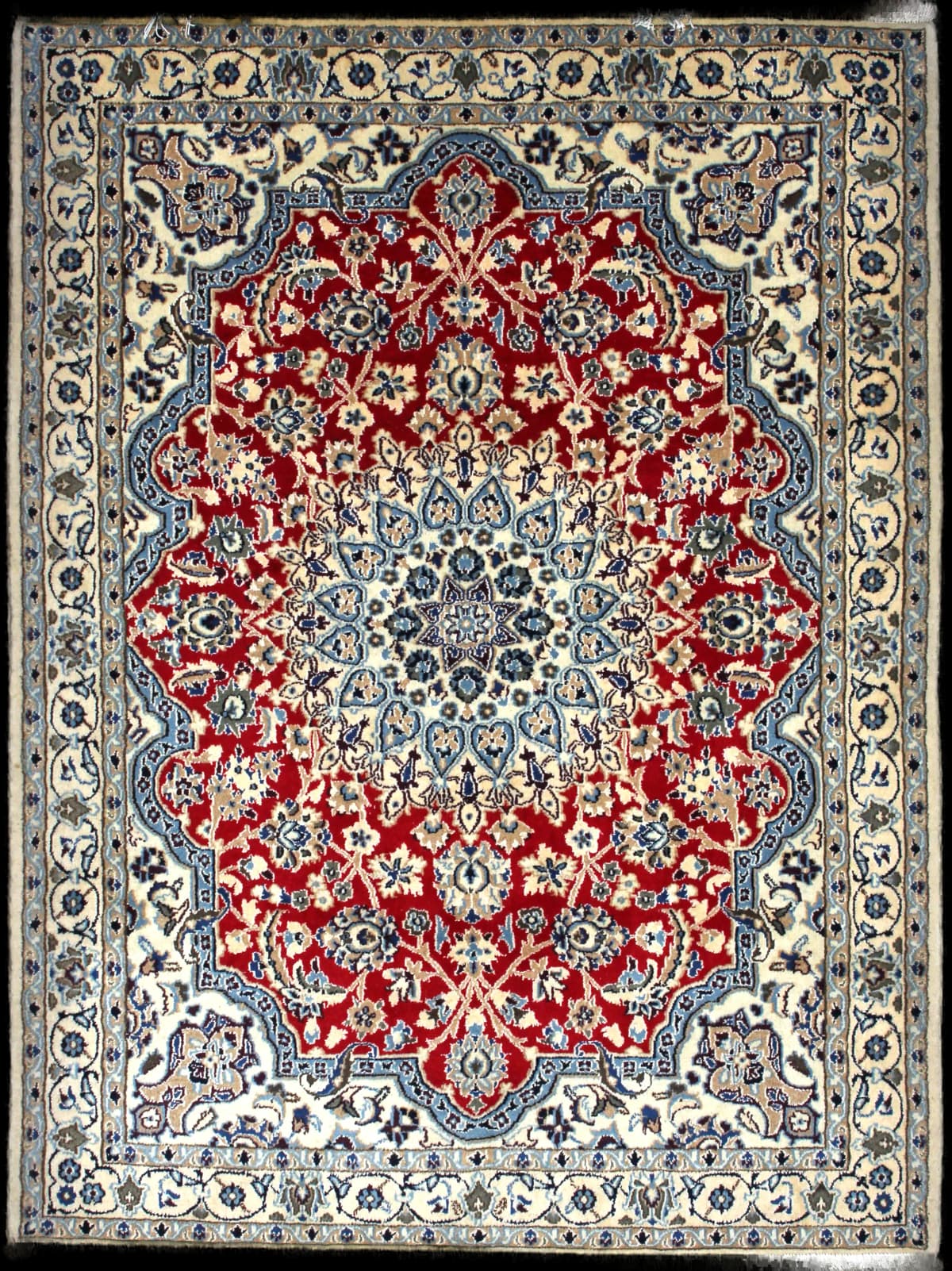
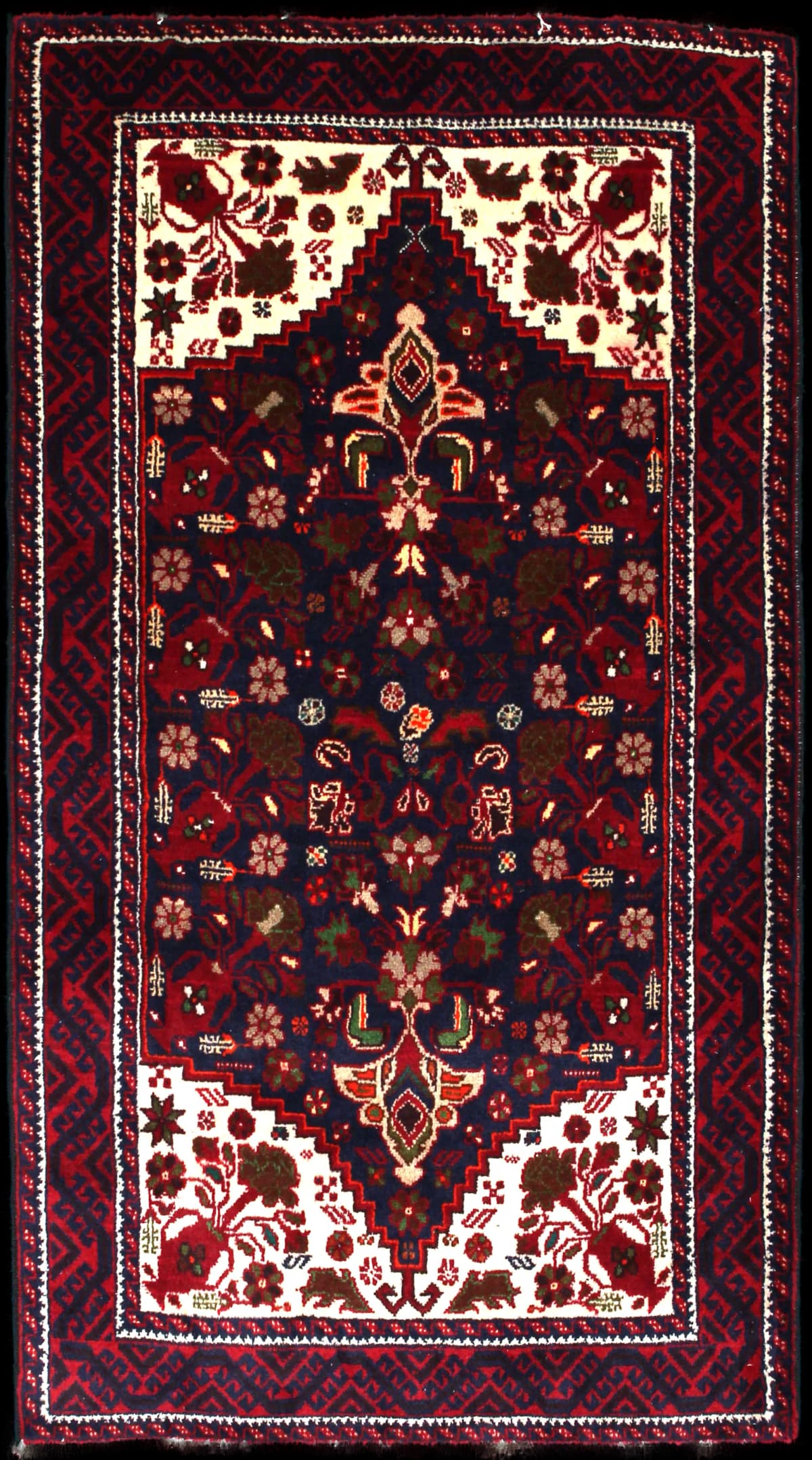
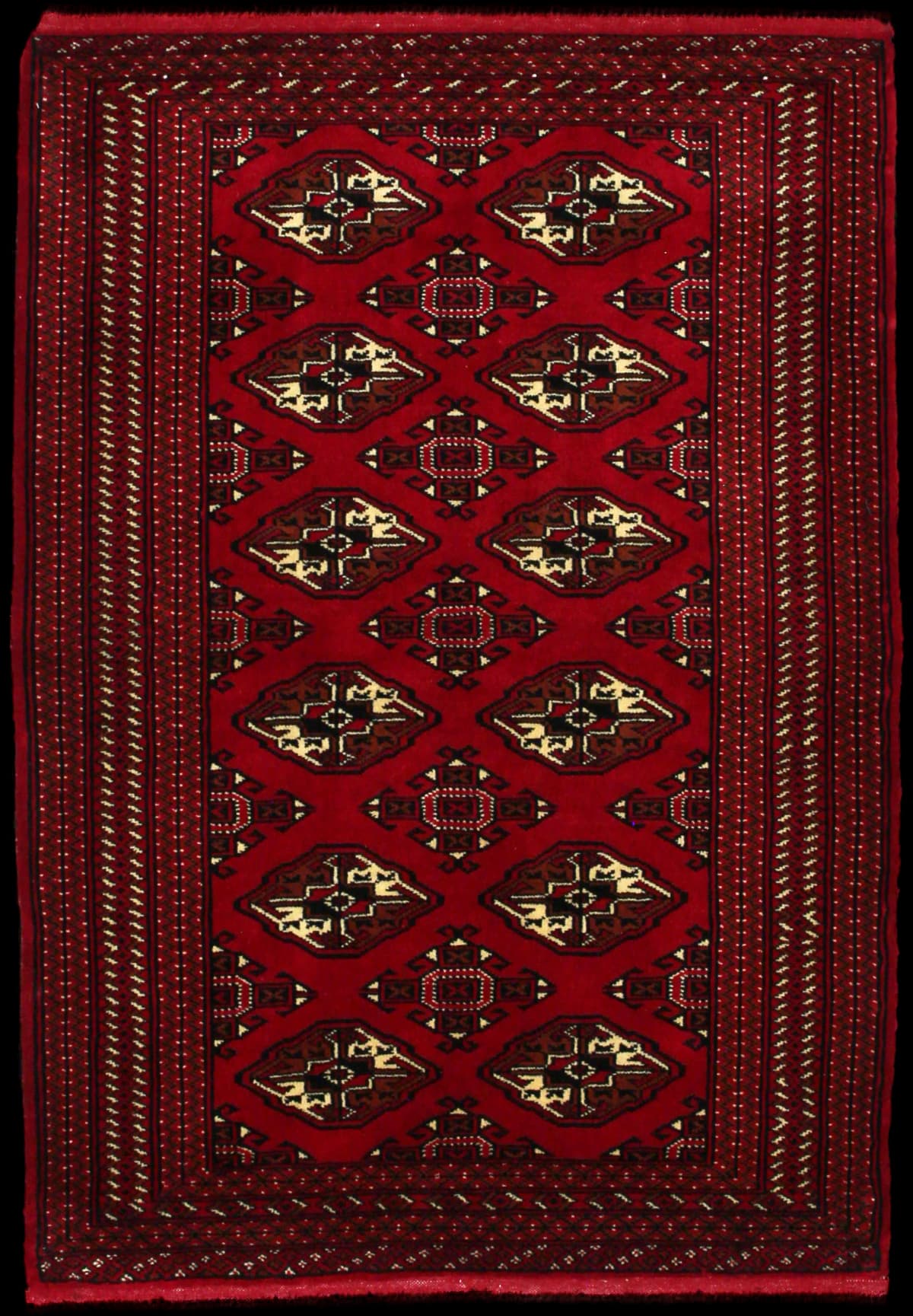
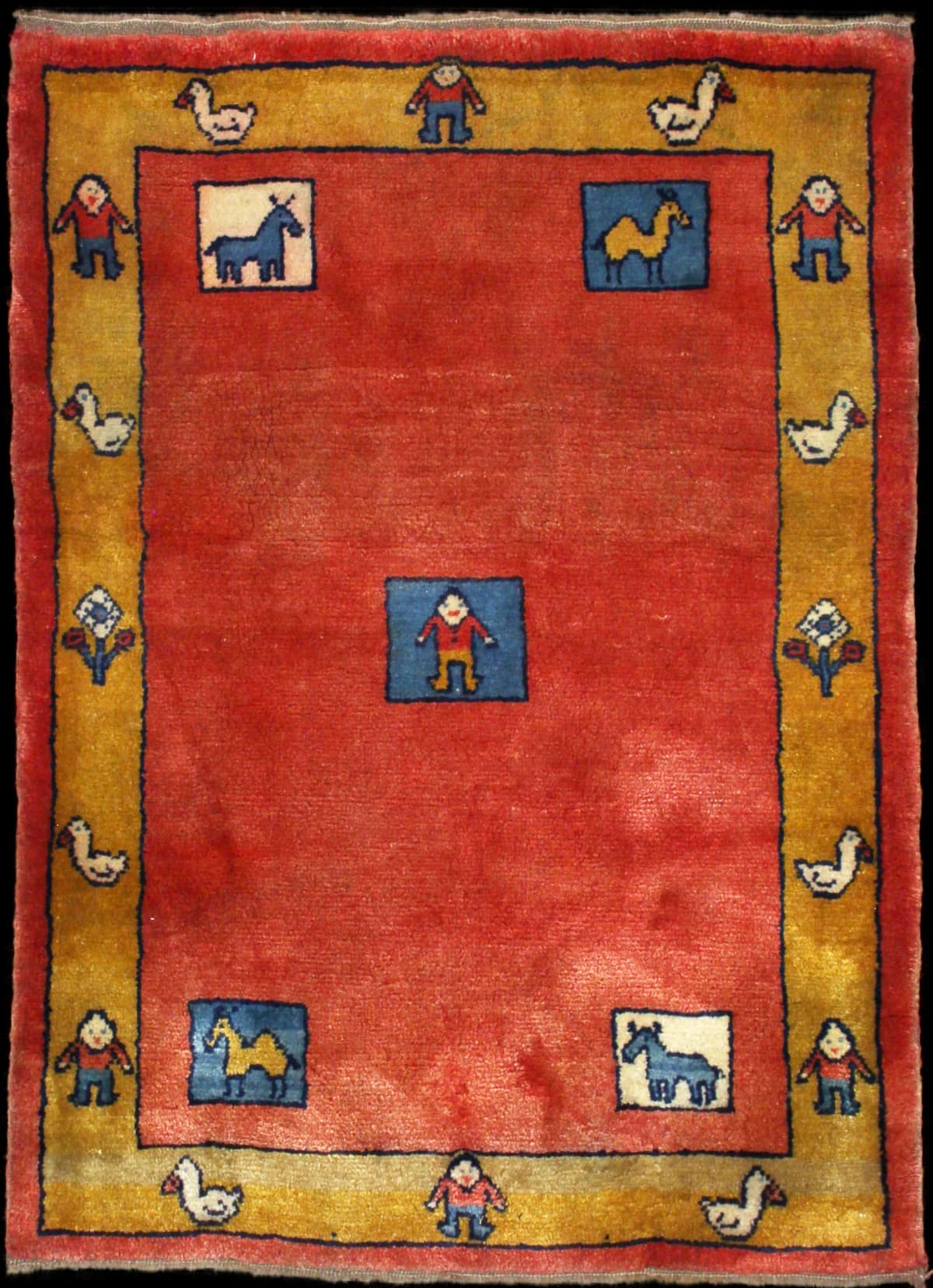
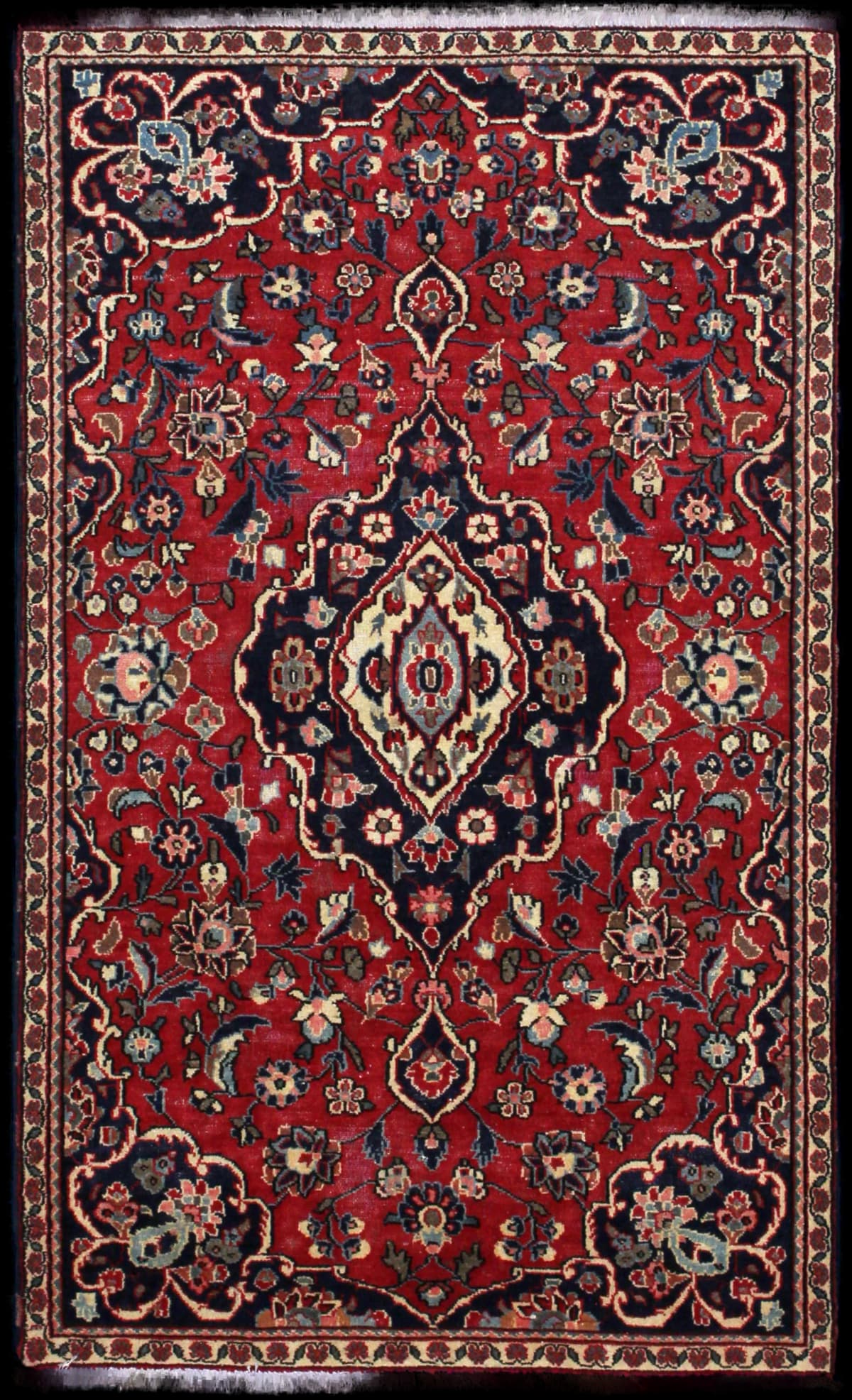
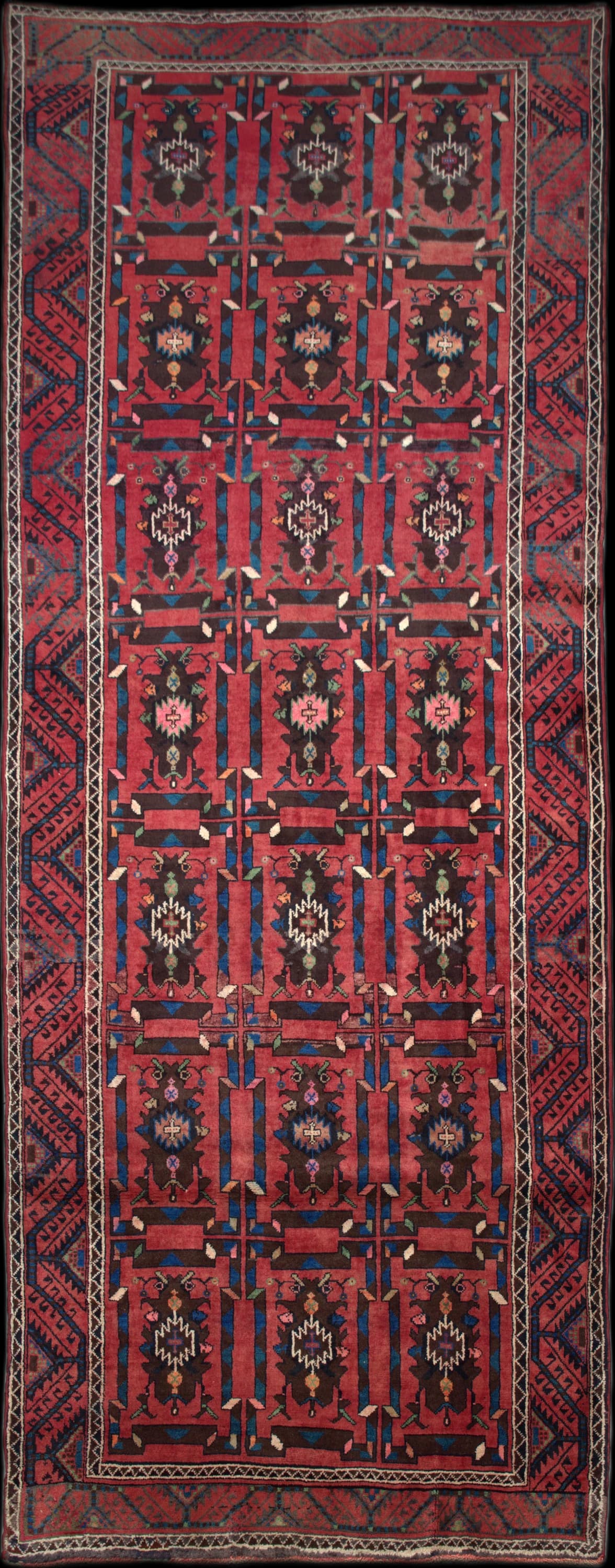
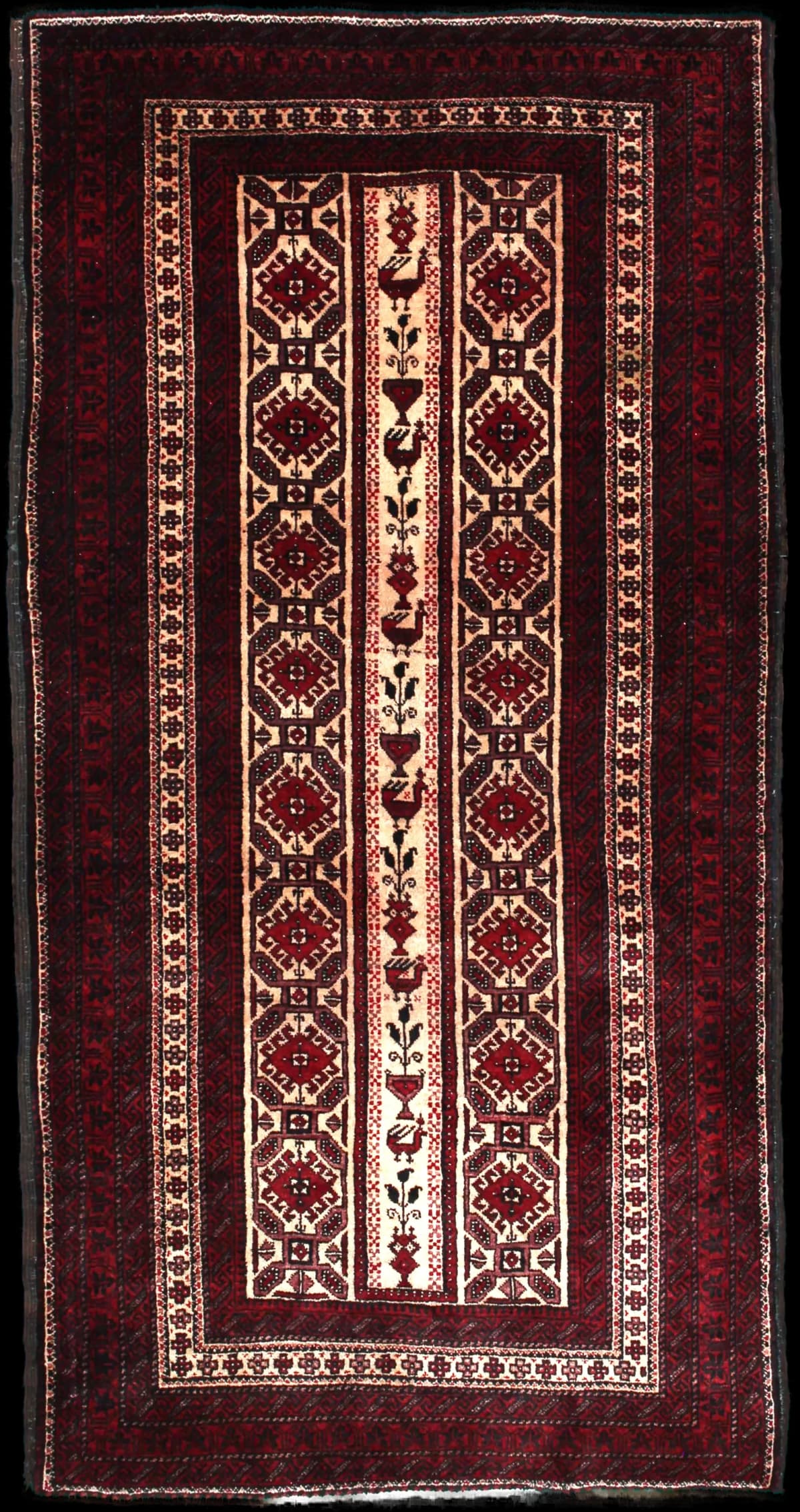
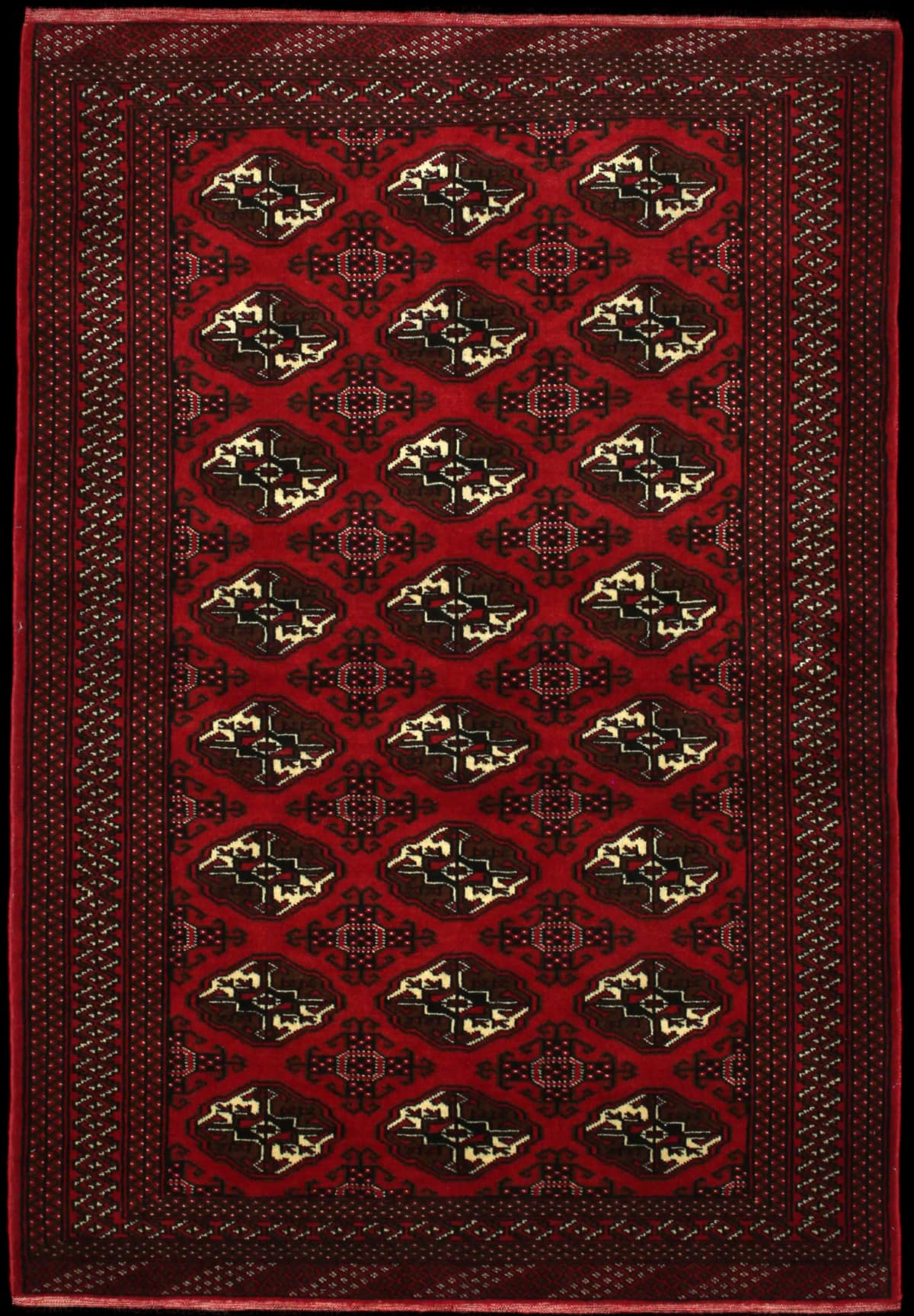
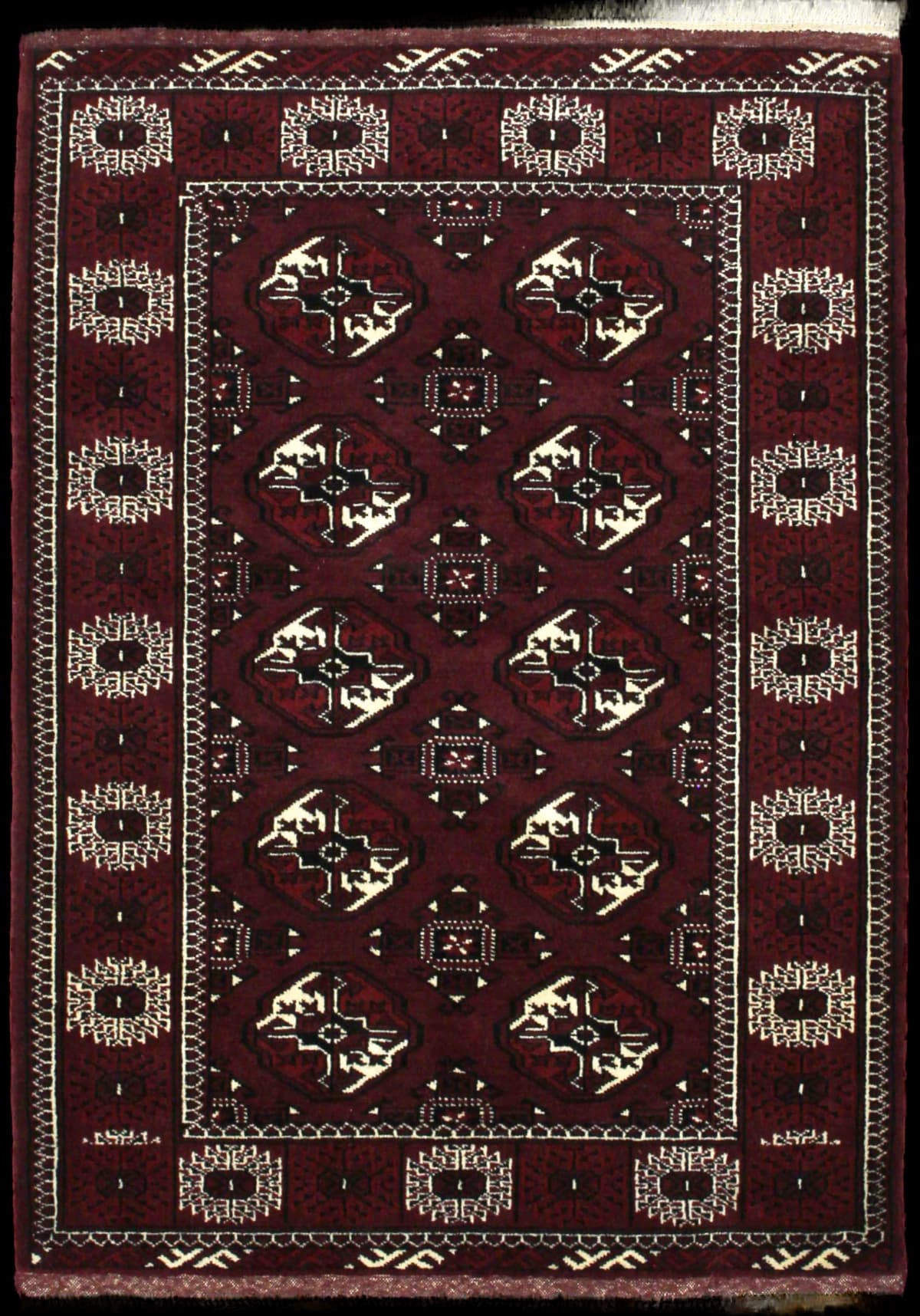
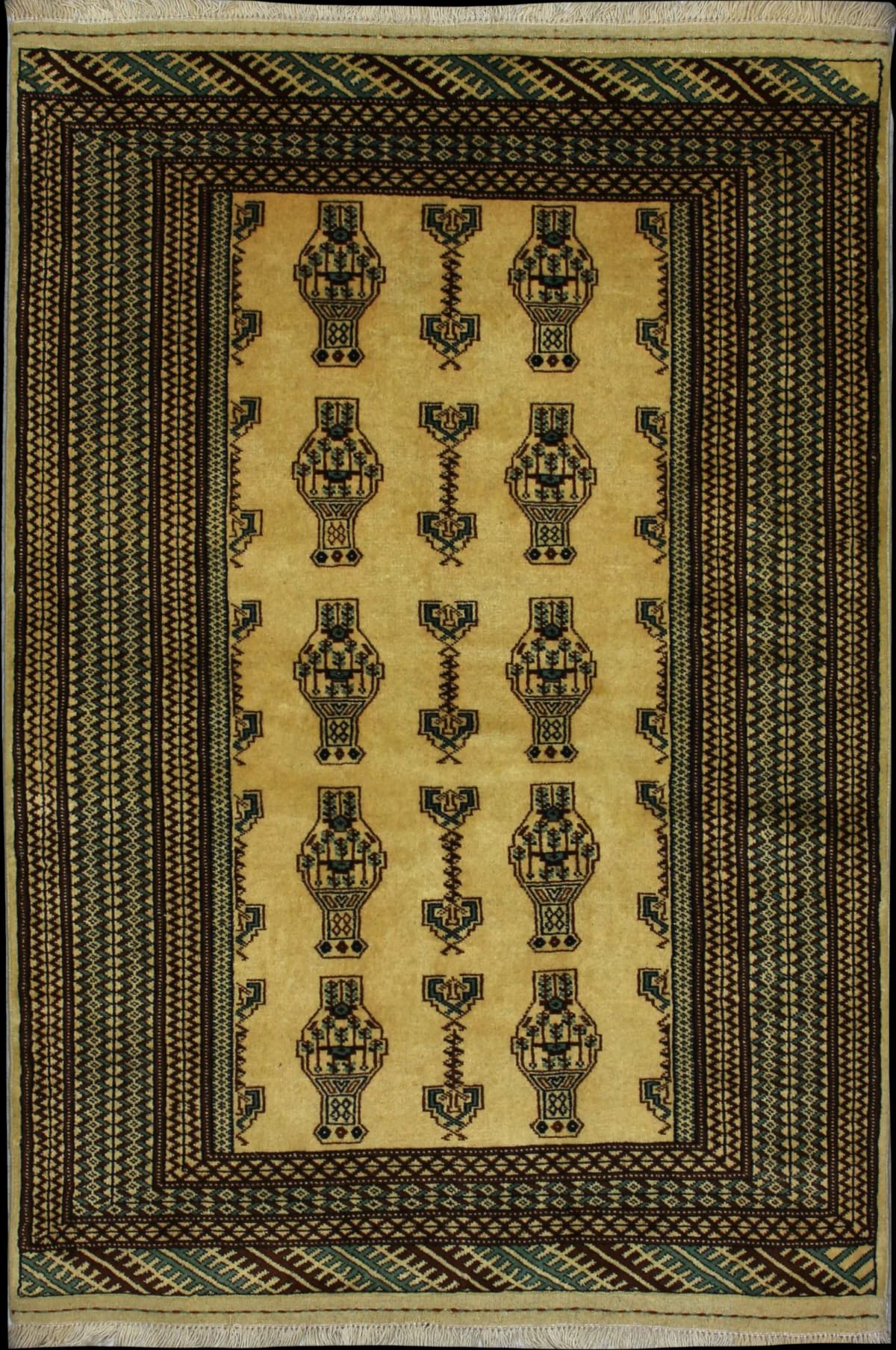
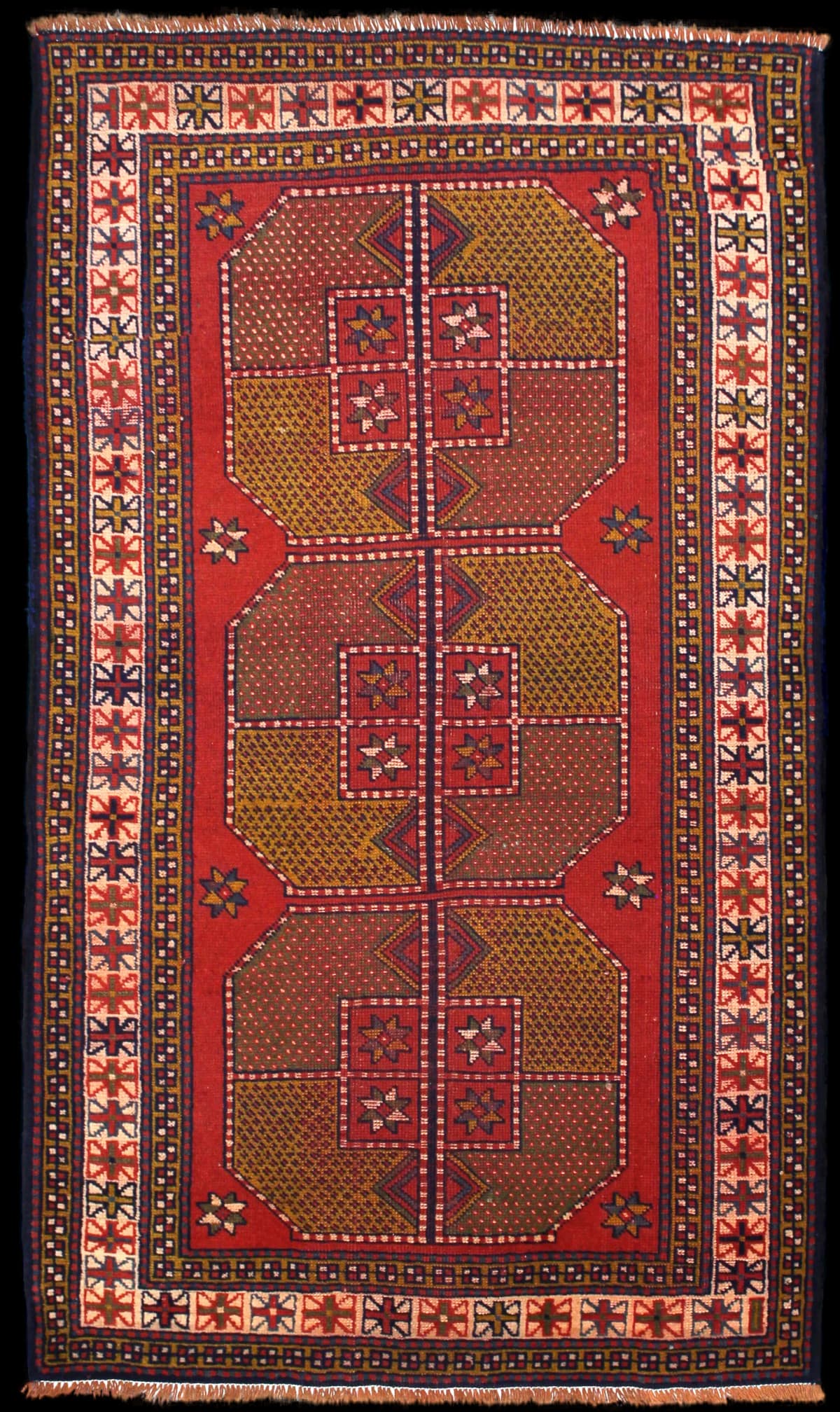
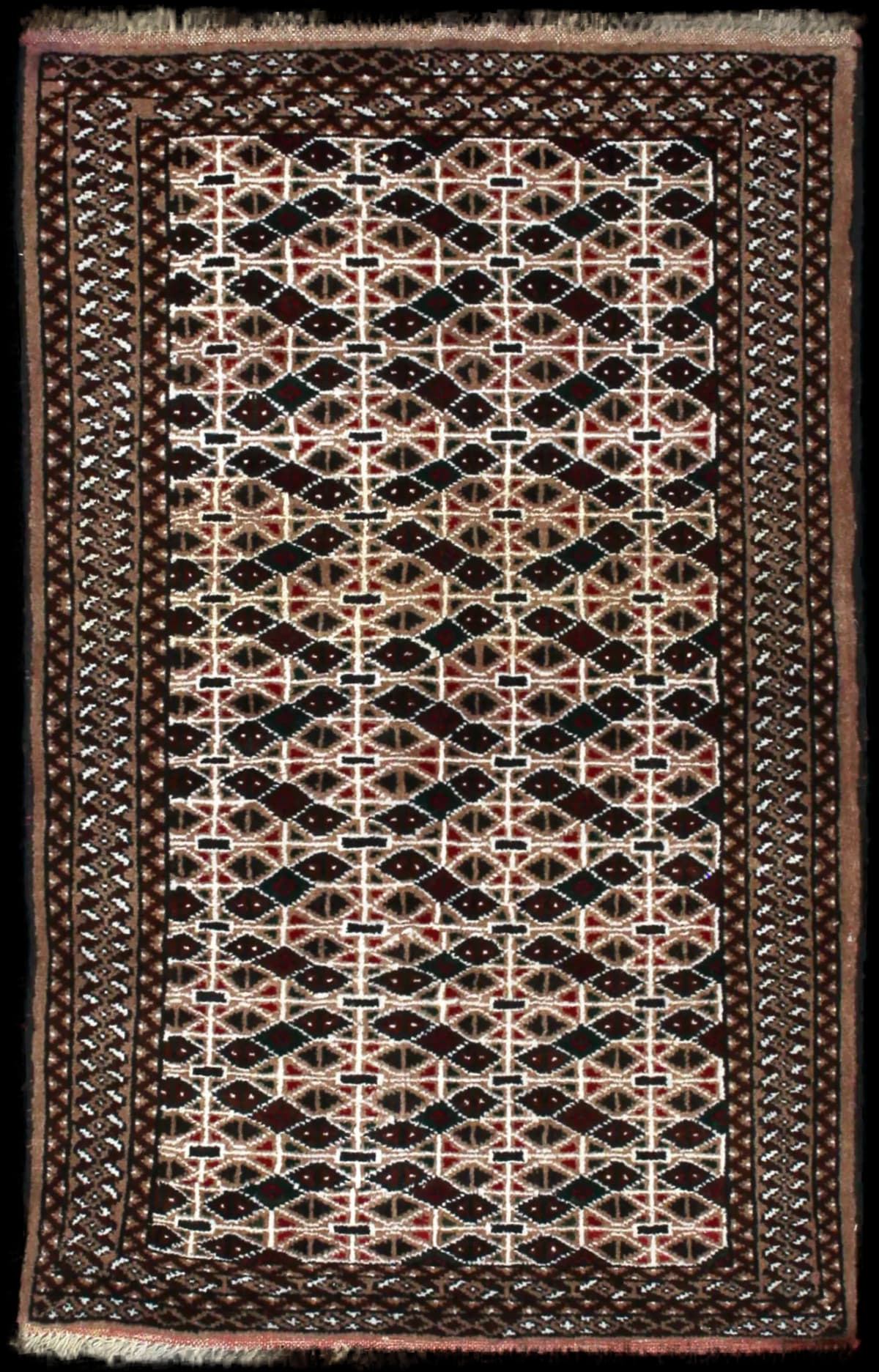
From the region ofگلستانGolestan
Up close
Origin: Golestan
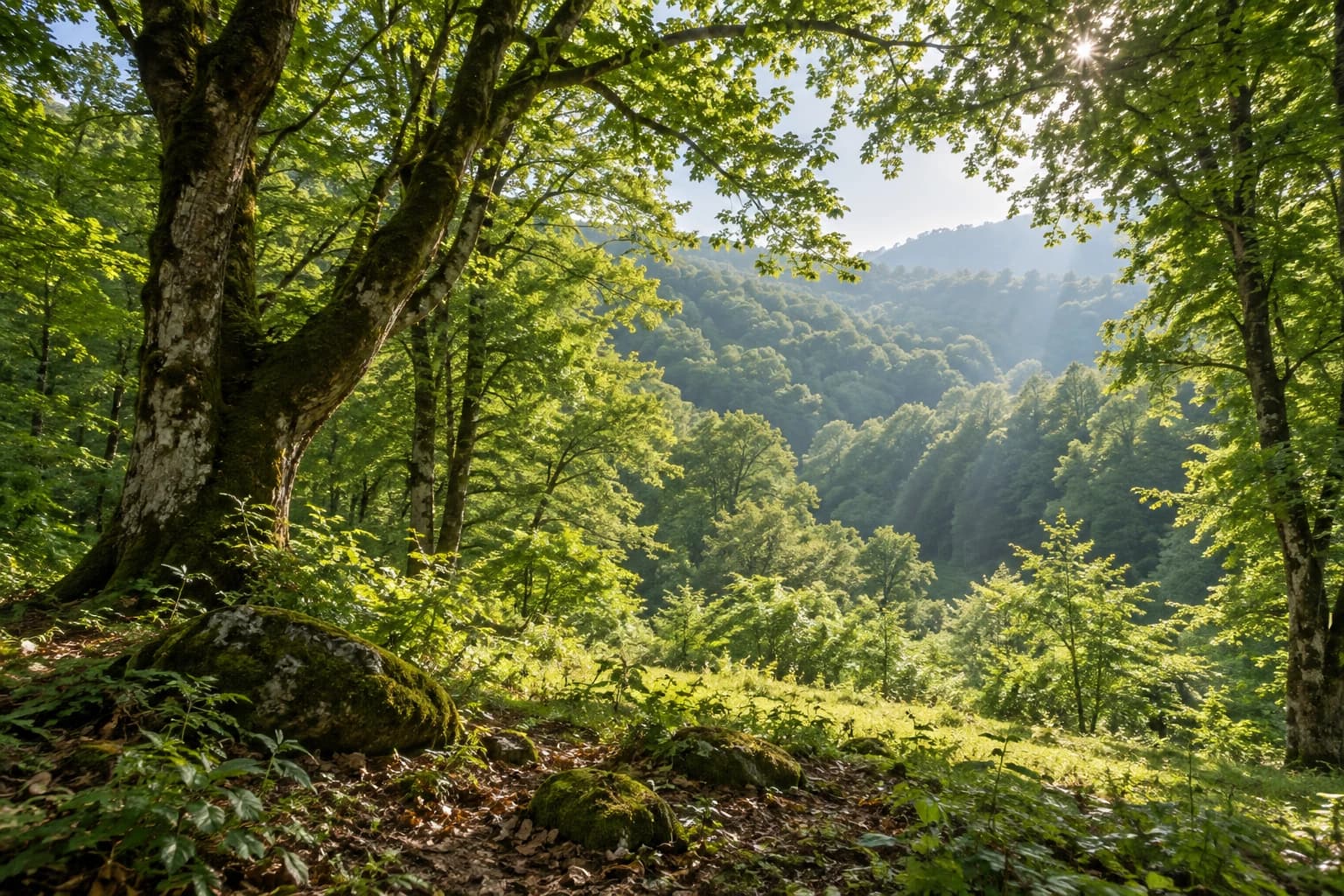
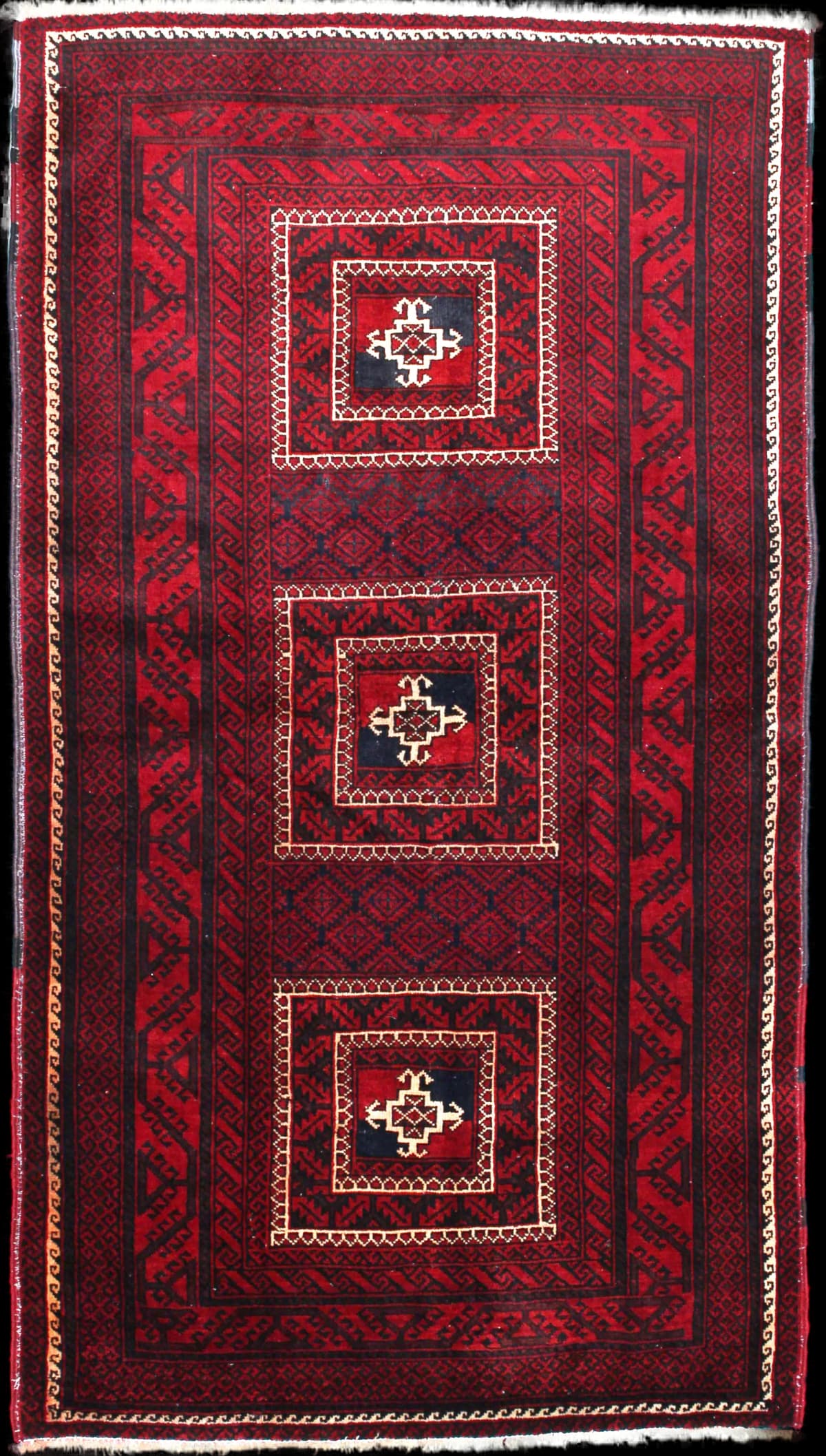
Golestan province sits in the north of Iran, on the south-eastern corner of the Caspian Sea, with Turkmenistan along its northern border. Its capital, Gorgan, was called Astarabad until 1937, and the province itself was carved out of Mazandaran only in 1997. The weaving half of it is not the humid farmland and forest along the Caspian but the dry plain to the north, Turkmen Sahra, whose market towns are Gonbad-e Kavus, Bandar-e Torkaman and Aq Qala. That plain is the Iranian homeland of the YomutTurkmen rugs of the Yomut, counted among the finest Turkmen pieces. Most Turkmen rugs are wool on wool, but the Yomut are known for pieces with a silk foundation under a wool pile, and the silk allows a higher knot count and more detailed drawing than is usual for the type. Grounds run to reds, browns and beige, and the rugs are typically unsigned.See in the carpet dictionary and Goklan Turkmen, and the weaving that carries the region's name is Turkmen weaving.
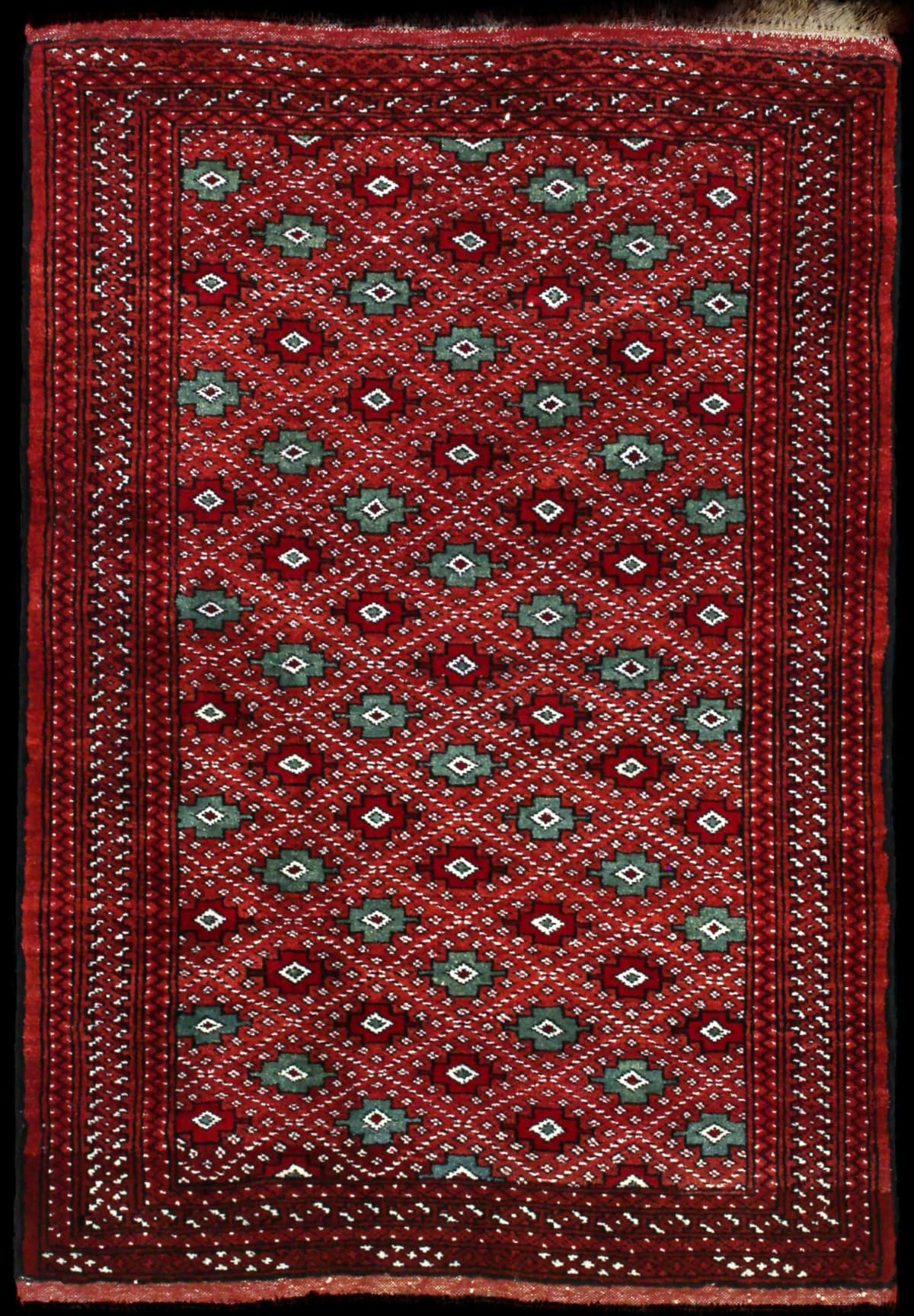
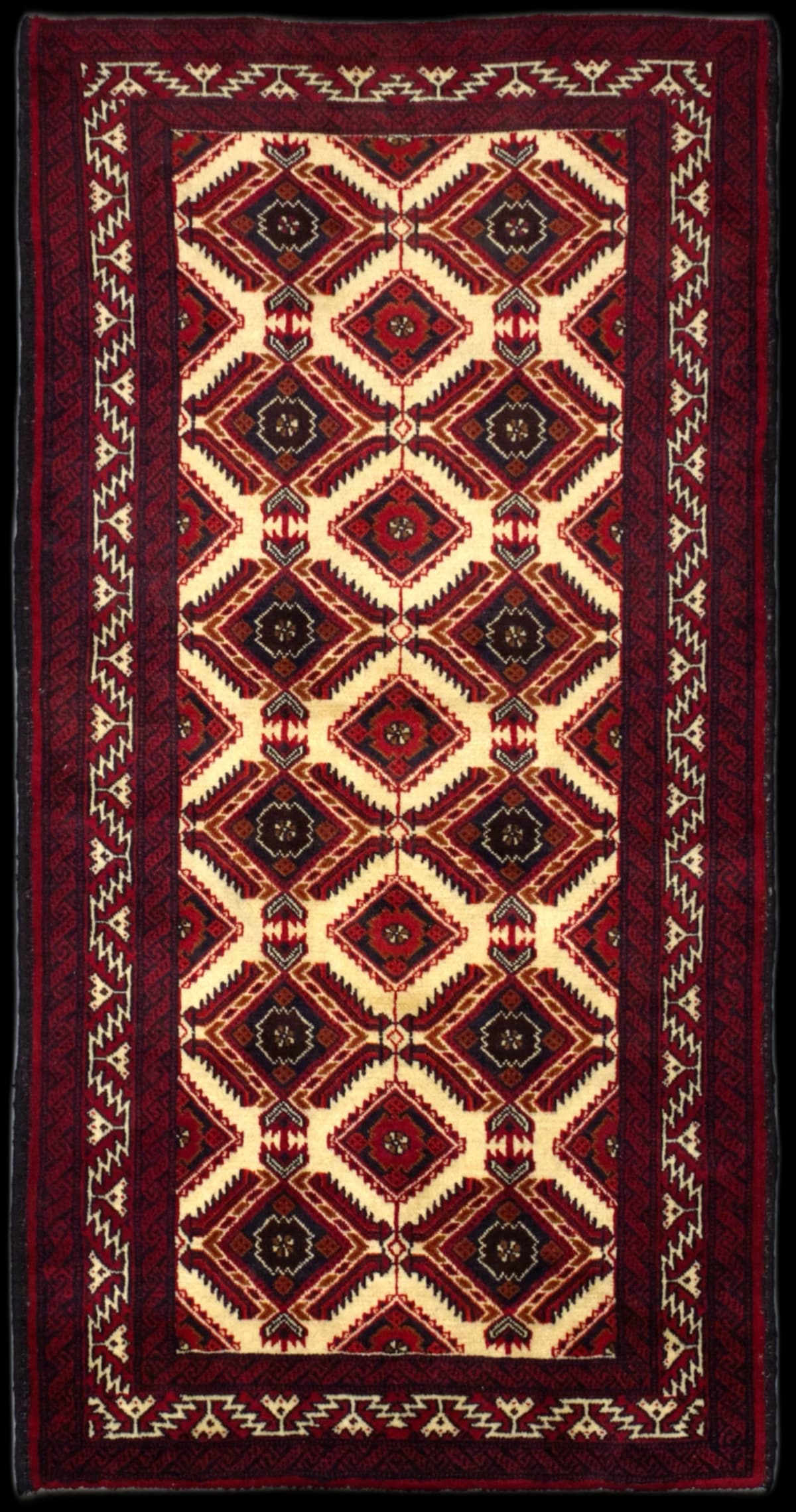
Its name sends buyers in the wrong direction. GolAn octagonal or polygonal, stylized flower motif repeated in rows across the field of Turkmen rugs, and also seen in Baluchi rugs and the Bokhara design. In older Turkmen rugs each tribe (Tekke, Salor, Ersari and others) typically kept its own gul, so an expert can read a rug's tribe from the motif, whereas modern pieces mix guls freely. The word means “flower” or “rose” in Persian, though the shapes are highly geometric rather than naturalistic.See in the carpet dictionary means flower and -stan means place, so Golestan reads as flower garden, and the trade sometimes borrows the word for rose-garden designs that have nothing to do with the province. What a flower means on this steppe is a different thing: the gul, an octagonal emblem repeated in ranks across the field. The word is usually explained as the Persian one for flower, but what it names is a device held in the weaver's memory and drawn in straight lines, not a botanical study of vines and blossoms.
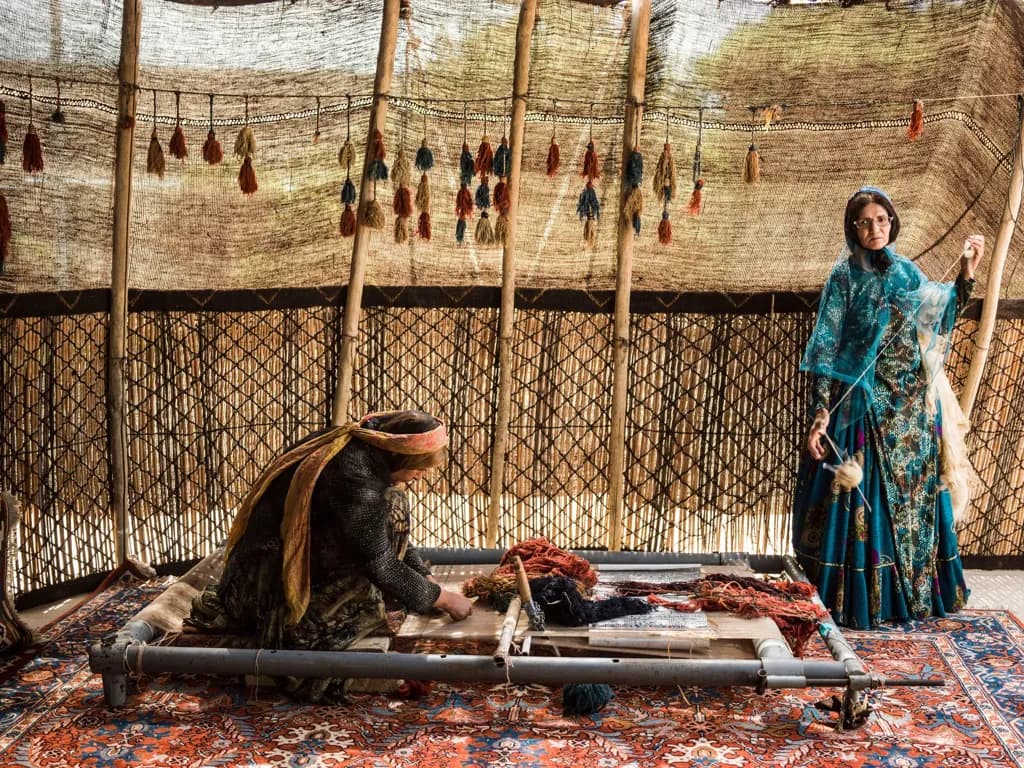
Turkmen weavers came into Iran from the Central Asian steppe east and north of the Caspian, brought the design with them, and kept making it once they had settled on the Iranian side of the frontier. Their presence on that frontier was organised and militarily serious: the Safavid shahs settled Kurdish fighting tribes further east, on the border above Mashhad, expressly to hold the line against Turkmen pressure. Settling changed the politics more than it changed the weaving. Rugs made in Turkmen Sahra still come out of a tribal tradition, on a tribal loomThe frame on which the warp (vertical) threads are strung first and held under tension so the weft (horizontal) threads can be interlaced through them. Hand-knotted and hand-woven rugs are made on simple looms, such as upright village looms or the portable ground looms of nomadic weavers, where every knot is tied by hand. Loom size sets rug size: nomads' compact looms yield small rugs, city workshops with very large looms can weave palace sizes, and wooden looms in tribal and village weaving expand and contract over time, one cause of crooked rugs. Power looms such as Wilton, Axminster, and Jacquard are the industrial descendants, used for machine-woven carpet.See in the carpet dictionary, in families working from memory rather than from a workshop cartoon.
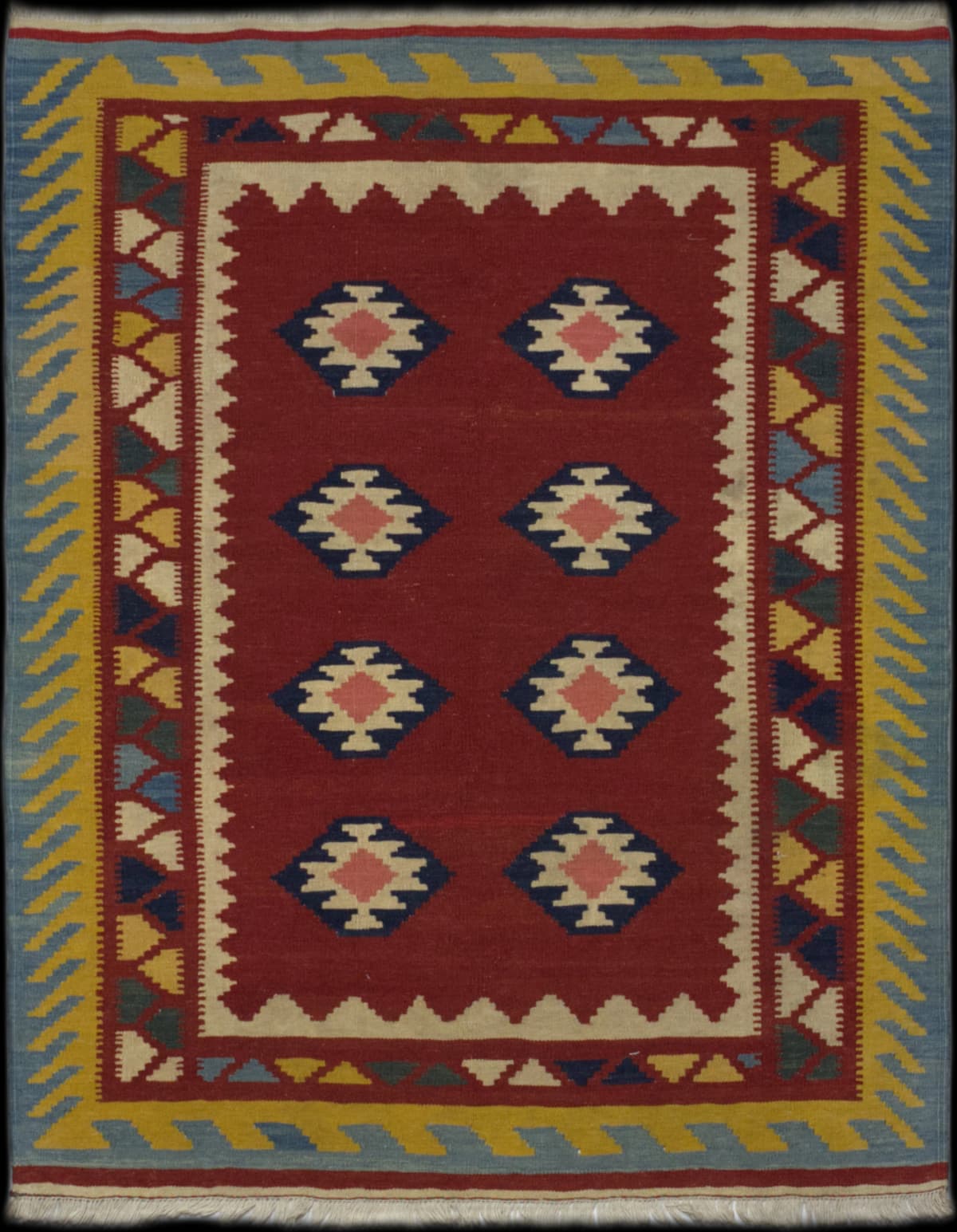
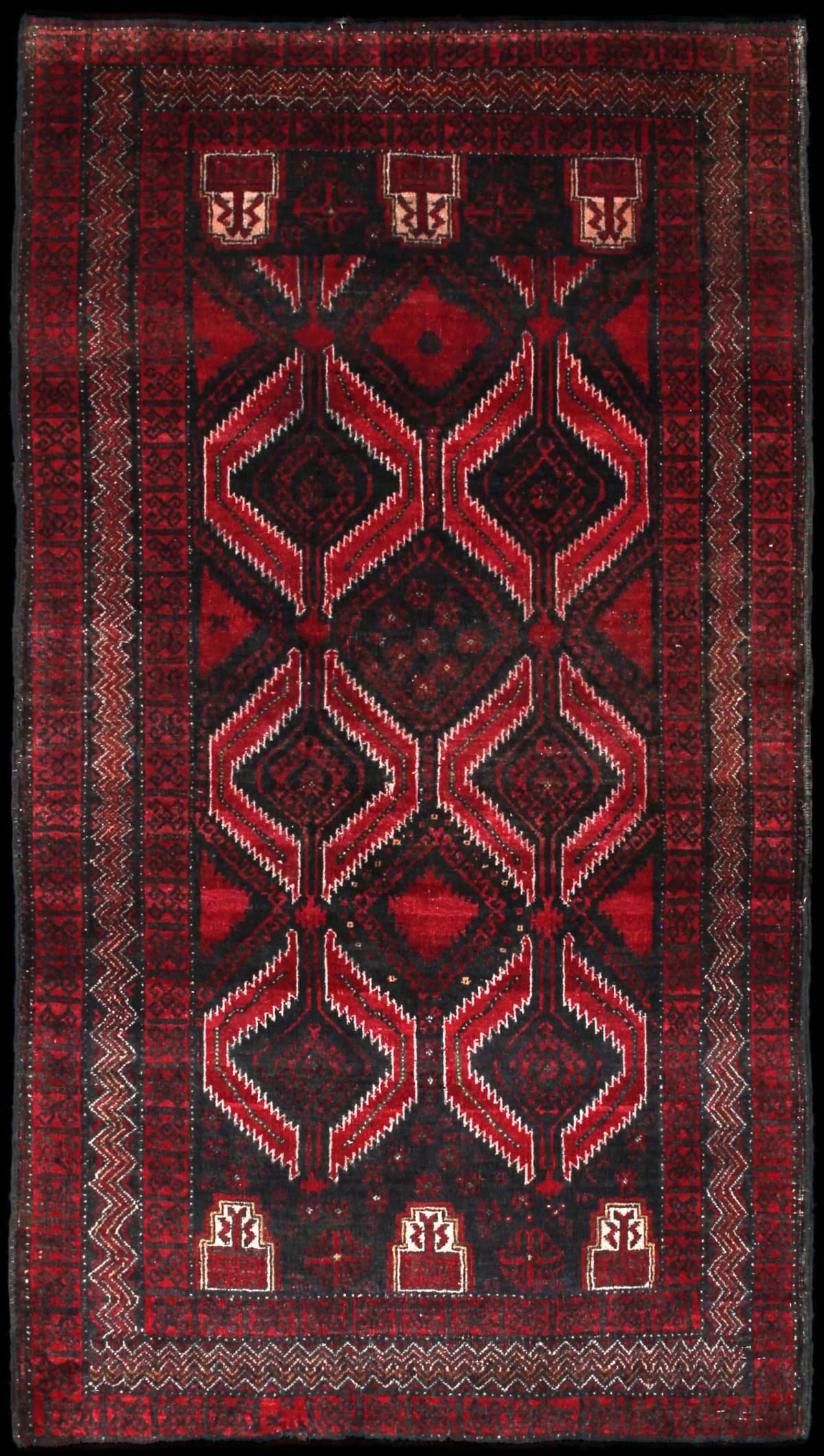
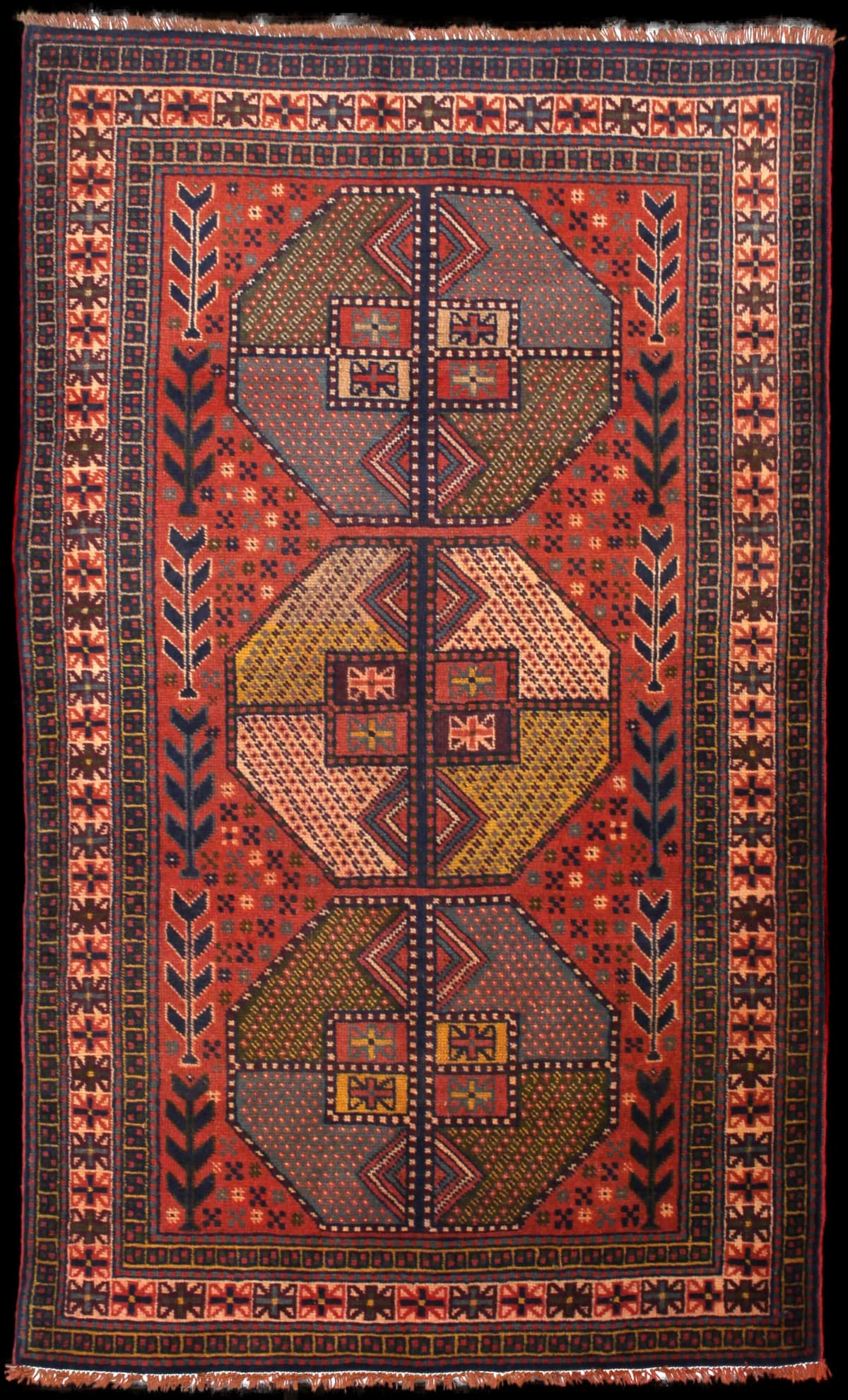
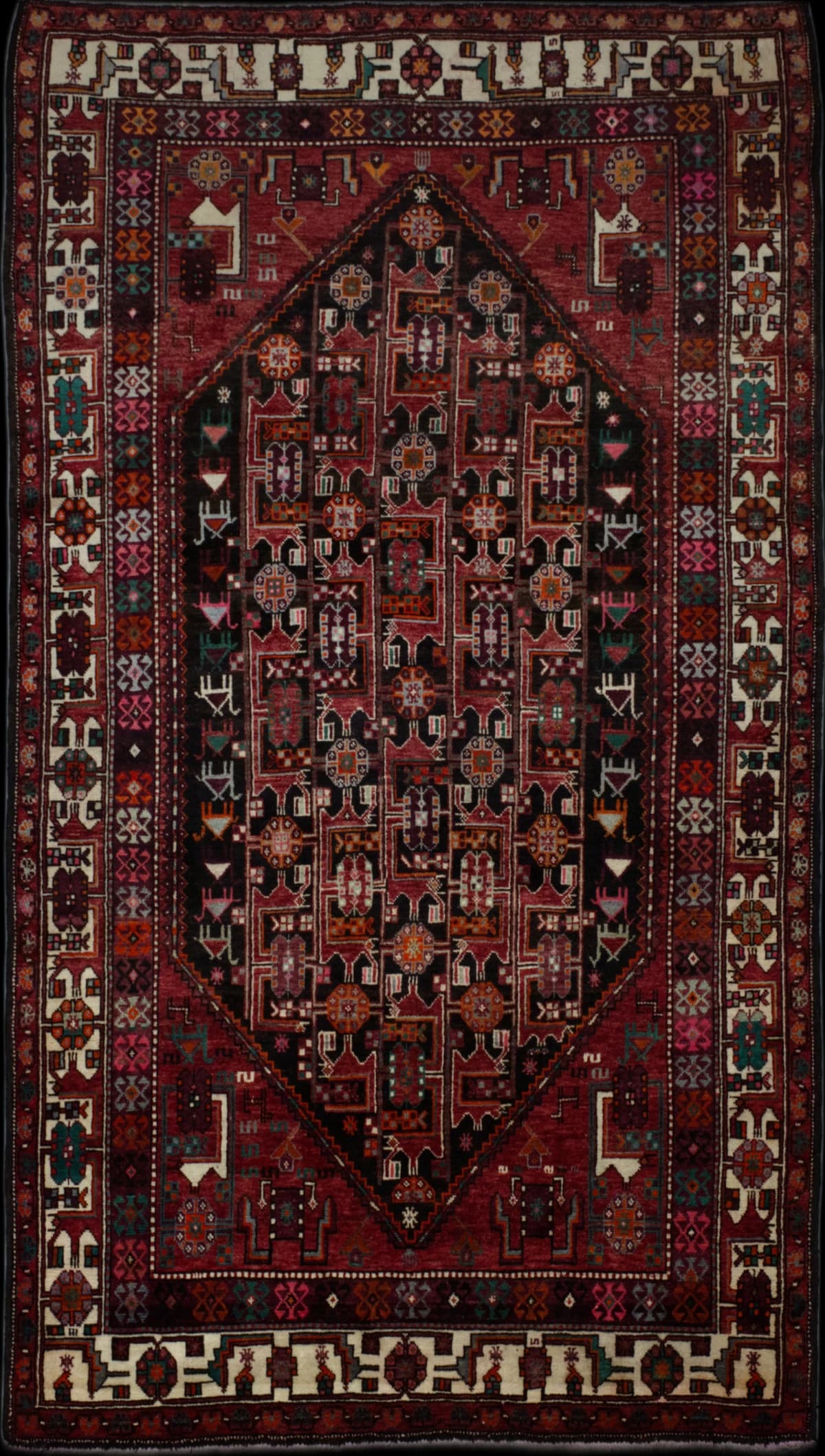
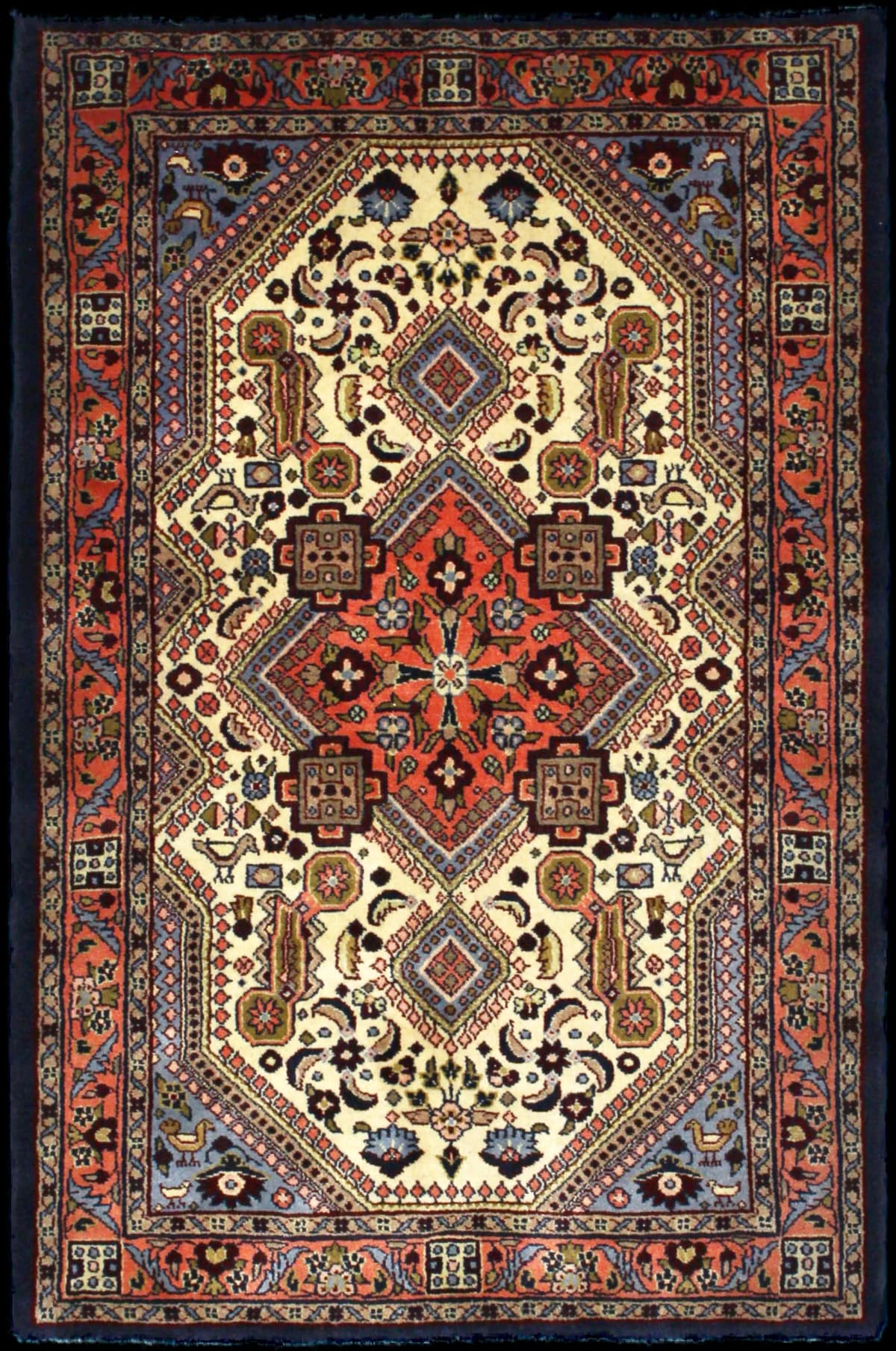
Field layout follows one rule: rows of guls, evenly spaced, running out to the edge of the field with no central medallionA large motif at the center of a rug's field, around which the rest of the design is organized. Floral medallions, typical of city rugs such as Tabriz, Kashan and Sarouk, are often read as a lotus blossom; geometric ones, often hexagonal or diamond-shaped, mark village and tribal rugs such as Heriz and Zanjan. A medallion may stand alone, pair with four corner pieces, be flanked by smaller medallions above and below, or repeat down a long field such as a runner. Rugs with a pattern repeating across the whole field and no central motif are called allover. In a well-made rug the medallion sits at the center and the corners mirror one another, as closely as handwork allows.See in the carpet dictionary. Borders are narrow and stacked, built from small geometric bands rather than scrolling vines, so they frame the repeat instead of competing with it. In older pieces each tribe kept its own gul to itself, and an experienced eye could name the weaver's tribe from the pattern alone. That restriction has gone. Weavers now combine guls from several tribes in a single rug, which is the most visible difference between older work and current production.
Prayer rugs are a second speciality of these weavers. The design is unidirectional, built around a mehrabAn arch- or doorway-shaped niche woven at one end of a prayer rug's field, echoing the niche of a mosque that marks the direction of Mecca. It is the focal point of the rug and reminds the person praying that they stand in a sacred space. The drawing ranges from a bare outline of a doorway to an architectural rendering with columns and fine detail.See in the carpet dictionary, the arched doorway that gives the rug a top and a bottom; tribal versions tend towards a plain outlined arch rather than the columned architecture a city workshop draws. A piece like this hangs as well as it lies, which is why so many of them end up on a wall, where the single orientation stops being a limitation and the arch reads the way it was drawn.
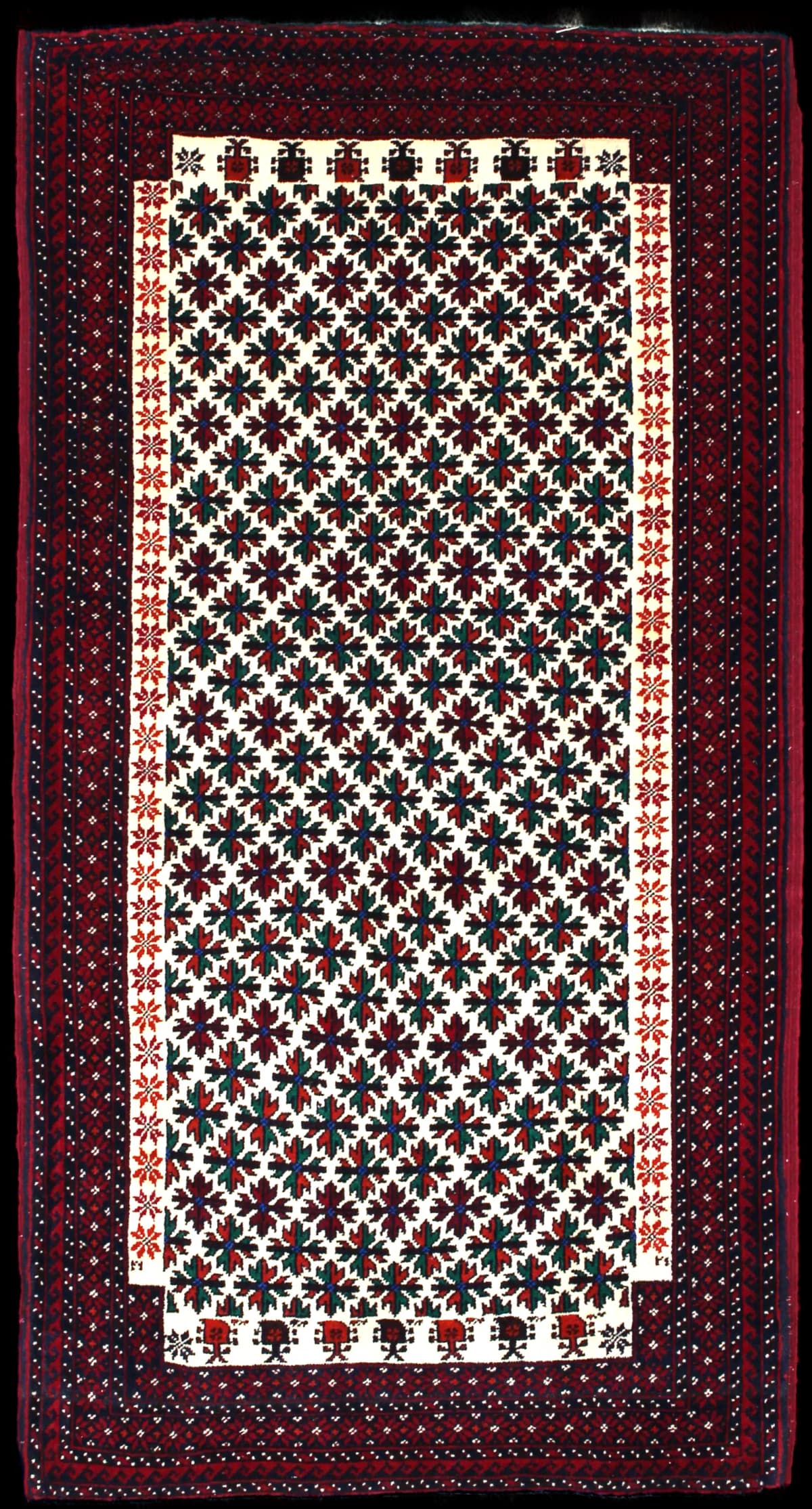
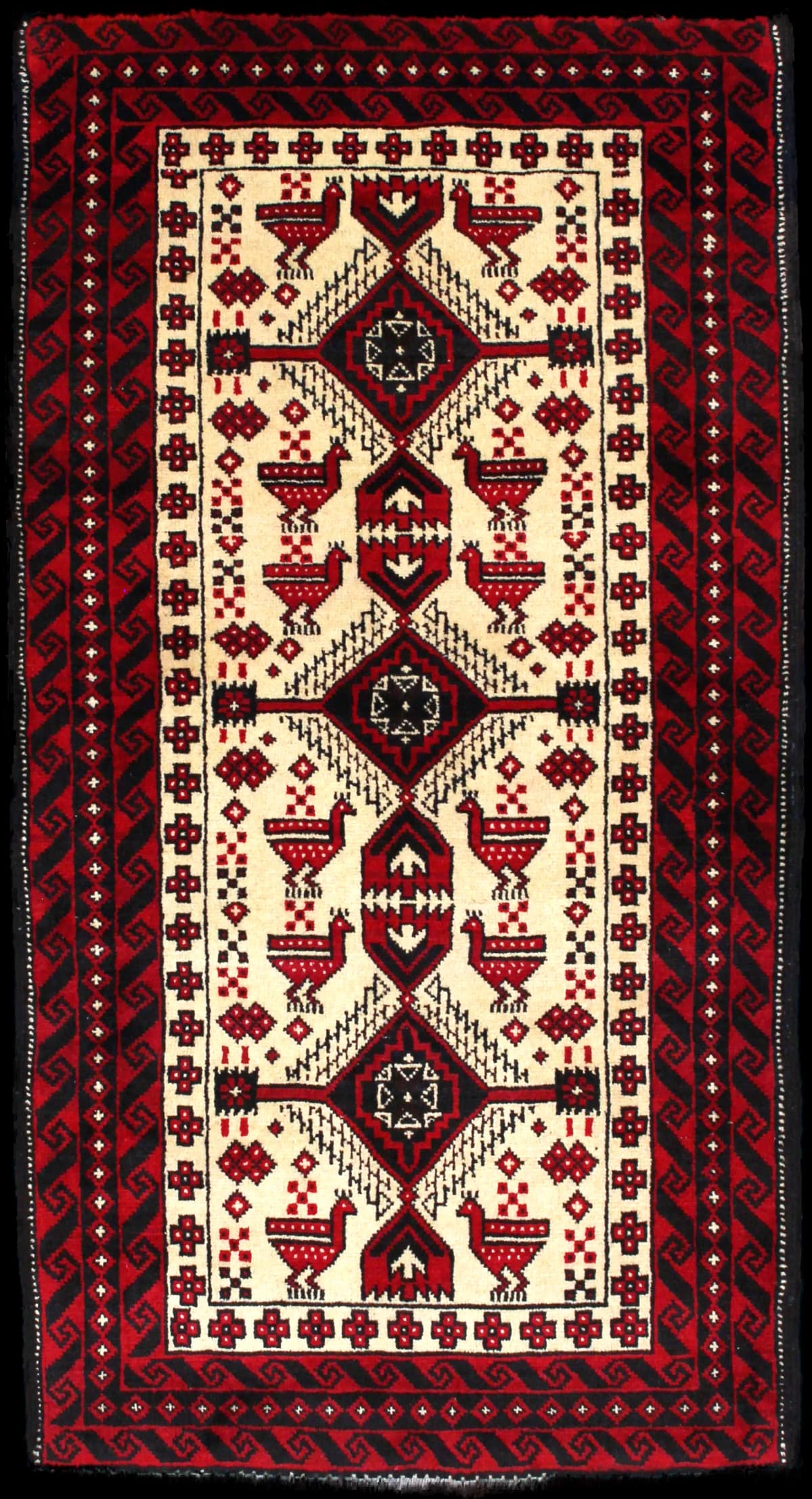
Colour is the quickest way to identify the type. Grounds are deep red, reddish brown and occasionally cream, and those three cover nearly everything the region produces. Green, blue, black and beige appear as highlights inside the guls and along the border bands, almost never as a field colour. A red-brown ground under an all-over octagonal repeat is recognisable across a room. Colour has traditionally come from plant dyes gathered locally, which is why the red of one rug rarely matches the red of the next, and why a larger piece can show gentle horizontal banding where one dye lot gave out and another began.
WoolA natural animal fiber used for the pile, and in some rugs also the foundation, of high-quality rugs, prized for its durability, resilience, natural stain resistance and fire-retardant properties. It feels soft and cushioned underfoot, insulates against cold, and takes up dye readily and holds it for many years. Quality depends above all on where the sheep graze: high-elevation pastures give thicker, oilier wool, and Manchester, New Zealand and Ghazni wools are the best-known prized examples. Spring shearing and hand spinning improve it further, while thin, dry wool taken from dead sheep ends up in cheaper rugs.See in the carpet dictionary here comes from karakul sheep, a breed that grows two coats at once, a coarse outer fleece over a finer, softer one beneath it. Turkmen weavers use the inner fleece, which is what gives the pileThe surface of a rug or carpet, made of upright fibers in cut tufts or loops. In a hand-knotted rug it is formed by the cut ends of thousands of wool or silk knots tied onto the warp row by row, trimmed lightly during weaving and given its final height by shearing at finishing. Pile thickness, measured from the back of the rug to the top of the pile, typically runs from low, about 1/8 to 1/4 inch (3 to 6 mm), to high, about 1/2 to 5/8 inch (13 to 16 mm). Fine, dense designs are cut short to keep the pattern sharp; higher pile suits traffic and heavy furniture, lower pile suits door clearance and humid rooms.See in the carpet dictionary its close, dense handle rather than a plush one. Construction is normally wool throughout, wool warpA rug base in which the warp and weft threads are wool instead of cotton. It is typical of tribal rugs such as Baluchi, Turkoman and Gabbeh (some use goat hair instead), turns up in some Qashqai, Shiraz and small Bakhtiari pieces, and is common in older village and tribal rugs; experts treat cotton as the norm for rugs made after about the 1930s, once machine-spun cotton became widely available. Wool's soft, less rigid structure gives the design a fluid, warm character, and the fringes are sometimes braided or in different colors. The drawback is that wool shrinks and stretches with humidity, so these rugs tend to be less straight than cotton-based ones.See in the carpet dictionary and weft under a wool pile, and a cotton foundation does occur but is the exception rather than the standard. Spring shearing gives the best fleece of the year, and the quality of a rug's wool tracks the grazing behind it rather than anything done at the loom.
At the fine end sit the Yomut pieces, the most highly regarded weaving of this tradition, and they belong to this steppe on the Iranian side of the border as much as to the Turkmen country north of it. Some are built on a silk foundationA rug base in which the warp and weft threads are silk rather than the usual cotton or wool. Silk is finer and thinner, so many more knots fit into each square inch; silk-based rugs typically run about 500 to 1,000 knots per square inch (roughly 78 to 155 per square centimeter). It is found mainly in fine traditional city rugs, most commonly Qum and Isfahan, and also in select Tabriz workshops and a special group of Yomut Turkoman rugs. The pile above may be wool, silk and wool, or pure silk.See in the carpet dictionary instead of wool. The silk sits in the warp and weftThe two thread systems that make up a carpet's foundation: the warp, the vertical threads strung on the loom first, and the weft, the horizontal threads passed through them. The foundation is usually cotton, though wool is common in tribal and older rugs and silk in very fine ones. Single-weft rugs, typical of the Hamadan area, show zigzag rows of white warp dots on the back, whereas double-weft construction, standard in fine, tightly woven rugs, hides the warp. The warp ends form the fringe, and extra weft passes at each end form the flat-woven kilim end that secures the pile.See in the carpet dictionary only, the pile stays entirely wool, and the point of it is densityA measure of how tightly a carpet is packed. In machine-made carpet it describes the fibers in the pile and is calculated by multiplying the face weight by 36 and dividing by the pile height; higher density generally indicates better durability and performance. In hand-knotted rugs it means knot density (KPSI, knots per square inch), counted on the back and averaged over several areas (150 KPSI is about 23 knots per cm²). Like image resolution, higher density allows finer curves and sharper designs, usually with a lower-trimmed pile and more labor, but it is not the sole measure of quality: bold geometric village rugs are made at low to medium density.See in the carpet dictionary: a thinner, stronger foundation lets the weaver set more knots into the same area and draw the guls in more detail than a wool foundation allows. These pieces almost never carry a signature.
Pile is kept low to medium and never deep, partly because a fine repeat only reads properly when the wool is cut short. That makes these rugs practical where a thick carpet is not: they sit flat under a door that has to swing over them, take a chair leg without holding the dent, and work along a hallway or at the edge of a kitchen. A wool foundation also keeps the rug supple rather than board-flat, so it will follow a step or an uneven floor instead of fighting the shape.
Sizes run small. A tribal loom is built to be taken apart and carried, which limits the width of what can be woven on it, so this tradition produces far more scatter rugs, runners and modest area sizes than room-filling carpets. The same looms turn out the household weaving that was much of the point in the first place, the storage bags and tent trappings, along with flatweaves beside the knotted pile. A very large carpet in this drawing is likelier to have come off a workshop loom somewhere else than off a loom on this steppe.
The gul travelled a good deal further than the tribe did. Much of what is sold worldwide as BokharaRugs woven today chiefly in Pakistani workshops by Pakistani and Afghan weavers who rework older Persian-Turkmen designs rooted in Central Asia. The hallmark is an allover repeat of guls, octagonal or diamond-shaped motifs, on a field most often red, then cream, and more recently blue, green, or black, with black, peach, blue, and green accents, all in plant-based dyes. The pile is soft, silky-looking wool on a cotton foundation, medium in height, with some oversized formats; a finer grade has higher knot density, more detailed drawing, and premium Ghazni wool.See in the carpet dictionary is workshop production in Pakistan and Afghanistan, wool pile on a cotton foundation, copying Turkmen drawing with factory evenness and a wider choice of field colours; the name itself points at a Central Asian market city where Turkmen rugs were once traded, not at anywhere they were made. The tribal original is wool on wool, slightly irregular where a hand-drawn repeat drifts, and coloured from a local dye pot. Telling the two apart matters more with this type than with almost any other Persian rug.
The Persian rug
Persian carpets stand as living masterpieces of textile art, representing over 2,500 years of cultural heritage and unparalleled craftsmanship that has influenced rug making worldwide. These extraordinary floor coverings transform spaces into galleries of woven artistry, each piece telling its own unique story.
The distinguishing characteristics of authentic Persian carpets lie in their hand-knottedA rug construction in which the weaver ties each knot of wool or silk pile yarn by hand around adjacent warp threads on a loom, then runs a weft through the row and beats it down. The cut knot ends form the pile, the warps and wefts form the foundation, and the warp ends become the fringe. A rug can take months or even years, and the work leaves subtle irregularities: patterns not perfectly symmetrical, opposite edges a few inches different in length, an uneven fringe. Authentic Persian, Oriental and Turkish rugs are hand-knotted, unlike hand-tufted rugs (sometimes sold as “handmade”) and machine-made ones, whose backs feel stiff and evenly aligned.See in the carpet dictionary construction, with skilled artisans tying each knot individually - often up to 1,000 knots per square inchThe number of knots in one square inch of a hand-knotted rug (KPSI, or knot density; 1 KPSI is about 15.5 knots per 10 x 10 cm), counted on the back by multiplying the knots along one inch of height by those along one inch of width, averaged over two or three areas. More knots show finer, sharper detail, like a higher-resolution screen, and usually add cost and some durability, but density alone does not grade quality. Rough bands run under about 80 for the coarsest tribal weaves, 80 to 200 for sturdy village and city rugs, 200 to 400 for fine floral city rugs, and 400 to 1,200 or more for the finest silk and silk-foundation pieces.See in the carpet dictionary in the finest pieces. This meticulous process creates rugs of exceptional densityA measure of how tightly a carpet is packed. In machine-made carpet it describes the fibers in the pile and is calculated by multiplying the face weight by 36 and dividing by the pile height; higher density generally indicates better durability and performance. In hand-knotted rugs it means knot density (KPSI, knots per square inch), counted on the back and averaged over several areas (150 KPSI is about 23 knots per cm²). Like image resolution, higher density allows finer curves and sharper designs, usually with a lower-trimmed pile and more labor, but it is not the sole measure of quality: bold geometric village rugs are made at low to medium density.See in the carpet dictionary and durability, explaining their ability to last for generations while growing more beautiful with age.
Each Persian carpet's design vocabulary draws from a rich tradition of motifs: elegant Shah AbbasiA classic Persian floral style named after the Safavid ruler Shah Abbas, which began as a royal court pattern about 400 years ago. Its main features are stylized, feather-like palmette leaves and lotus flowers, the lotus being an ancient symbol of long life, arranged in strict symmetry with scrolling ornament around a central medallion, often a rosette. Early examples favored deep reds and blues, while later rugs in this style often turn to muted neutral tones. The design appears in Kashan, Nain and Tabriz rugs.See in the carpet dictionary flowers, graceful arabesques, intricate Herati patterns, and magnificent medallions. These elements combine with regional variations to create distinct styles, from the bold geometric patterns of HerizBold village rugs from the Heriz area of northwestern Iran, near Tabriz, and the best-known of all Persian village rugs. A coarse, tough wool pile on a cotton foundation, usually double-wefted for extra thickness, and a low-to-medium knot density (commonly quoted at about 120 to 170 KPSI, roughly 1,900 to 2,600 per 10 by 10 cm) make them very durable. The classic design is a large angular medallion with four corner pieces, sometimes an allover layout, in a rust red attributed to copper minerals in the local river, with dark navy and cream. Bakshaish and Serapi are their older forms.See in the carpet dictionary to the delicate floral compositions of Isfahan.
The color palette of Persian carpets represents a masterclass in natural dyeing techniques. Rich madderThe root of the madder plant (Rubia tinctorum), a natural red dye and the source of the terracotta tones in Persian and Oriental rugs. Together with indigo and walnut husks it is among the plant dyes used to color the wool, bonding to its natural lanolin. Slight shade variations within one color area, known as abrash, are normal in rugs dyed this way.See in the carpet dictionary reds, indigo blues, vibrant saffron yellows, and subtle ivory tones come together in harmonious combinations that have been perfected over centuries. These natural dyes age gracefully, developing a sought-after patina that enhances the carpet's character.
Superior materials form the foundation of every genuine Persian carpet. The finest woolA natural animal fiber used for the pile, and in some rugs also the foundation, of high-quality rugs, prized for its durability, resilience, natural stain resistance and fire-retardant properties. It feels soft and cushioned underfoot, insulates against cold, and takes up dye readily and holds it for many years. Quality depends above all on where the sheep graze: high-elevation pastures give thicker, oilier wool, and Manchester, New Zealand and Ghazni wools are the best-known prized examples. Spring shearing and hand spinning improve it further, while thin, dry wool taken from dead sheep ends up in cheaper rugs.See in the carpet dictionary, sourced from high-altitude sheep and spun by hand, provides remarkable resilience and a luxurious feel. In prestigious pieces, silk highlights add shimmer to wool backgrounds, while all-silk carpets offer unmatched luminosity and refinement.
Persian carpets adapt beautifully to both traditional and contemporary settings. Their timeless designs complement modern minimalist spaces as effectively as they enhance classical interiors. Whether used as striking wall-to-wall installations, elegant room-sized carpets, or dramatic wall hangings, these pieces command attention while creating atmosphere.
The investment potential of Persian carpets is well-documented, with fine examples appreciating in value over time. Each piece represents a tangible asset that combines aesthetic appeal with historical significance. The finest examples are often considered alternative investments, particularly those from renowned weaving centers or featuring unusual designs.
Maintenance of Persian carpets reflects their premium status. Their natural materials respond well to professional cleaning, while regular careful vacuuming and rotation ensure even wear. Many pieces actually improve in appearance over decades, developing subtle variations in color and acquiring a lustrous sheen.
Owning a Persian carpet means participating in one of humanity's oldest and most refined decorative arts traditions. These pieces represent more than floor coverings; they are portable works of art that bring warmth, sophistication, and cultural richness to any environment they grace.
Questions about this carpet?
Our family has traded carpets for two generations. Ask us anything — photos, video calls, advice on sizes.
Message us
Keep exploring
Guides from our family workshop: how to clean, place and care for hand-knotted rugs.