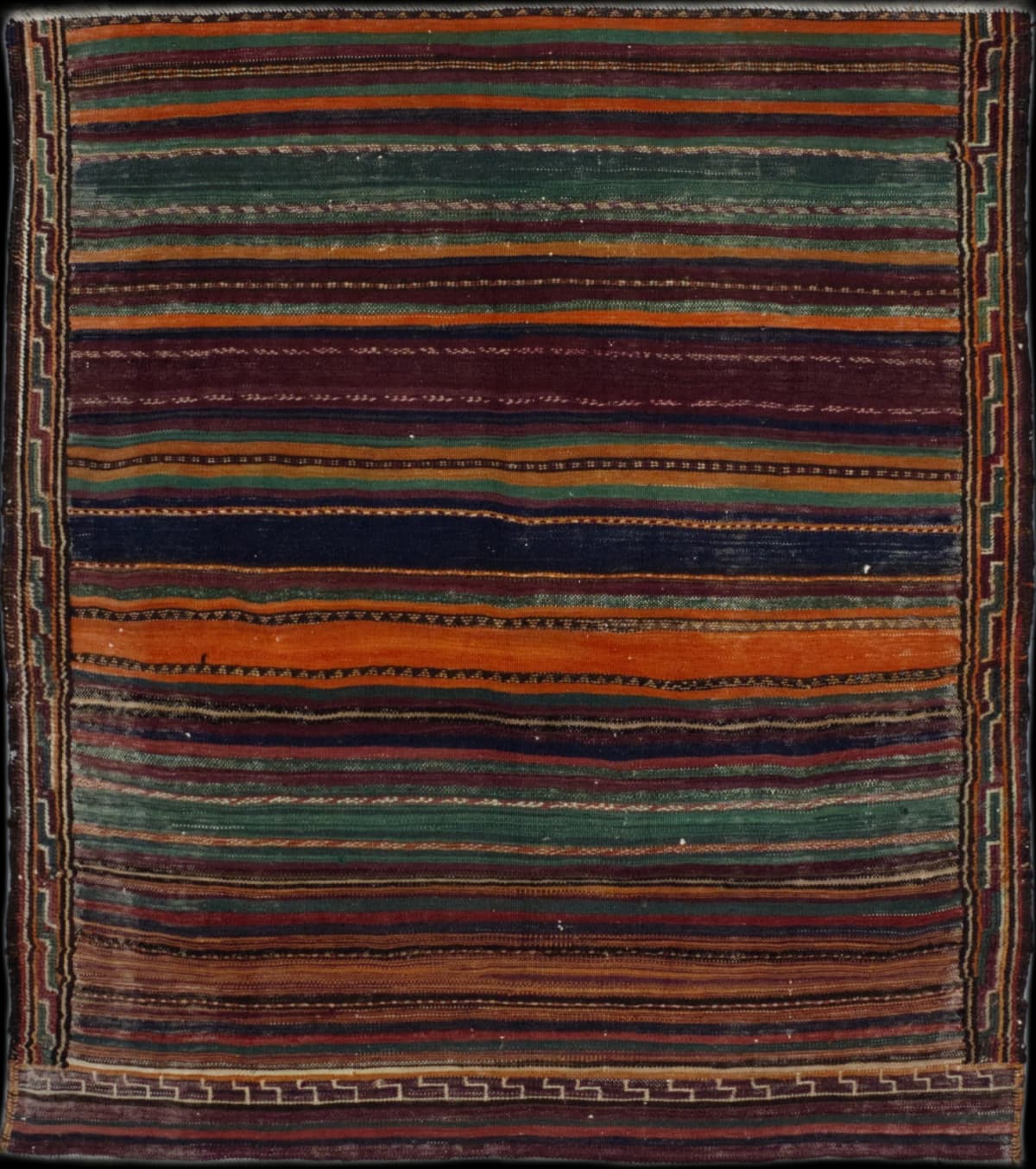
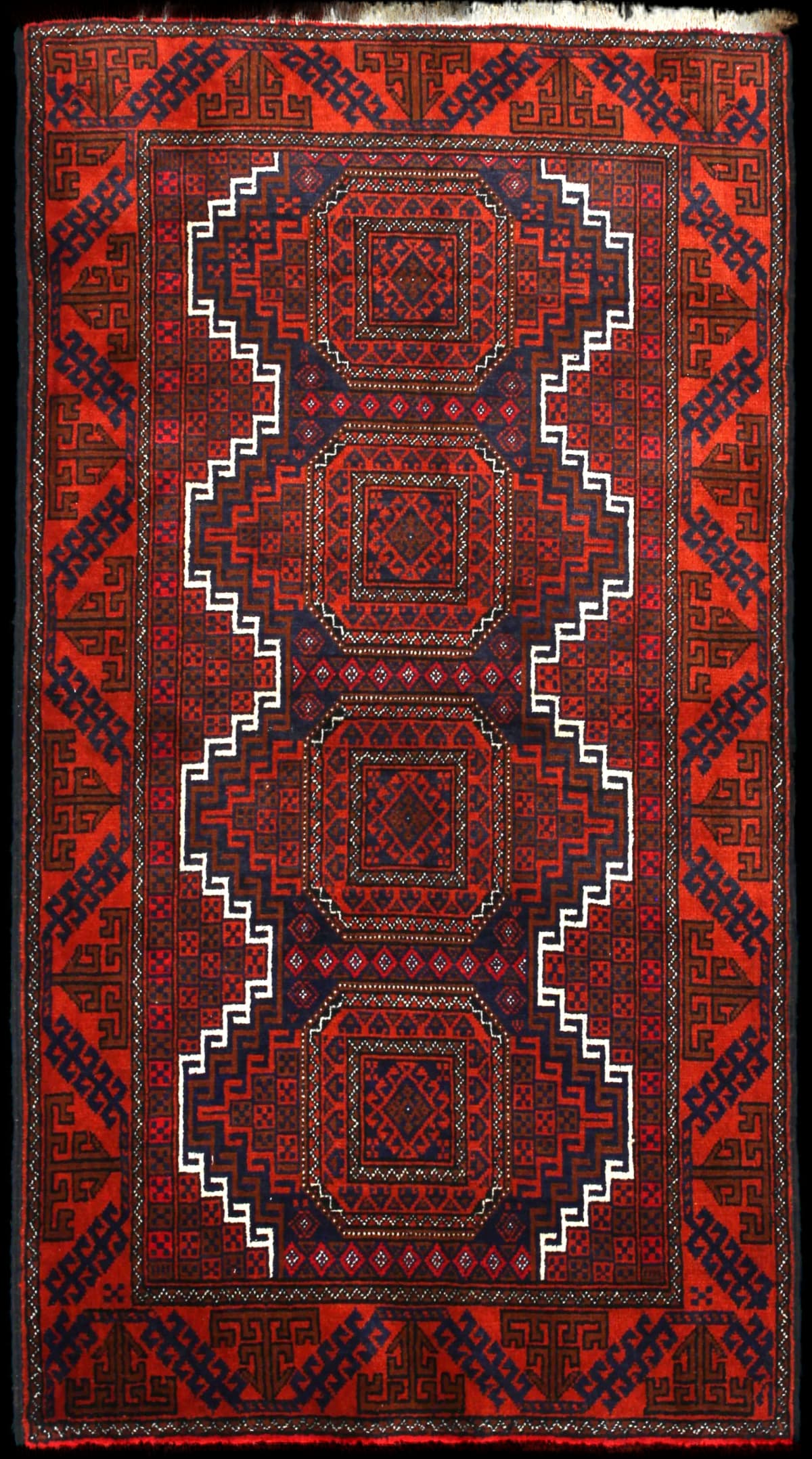
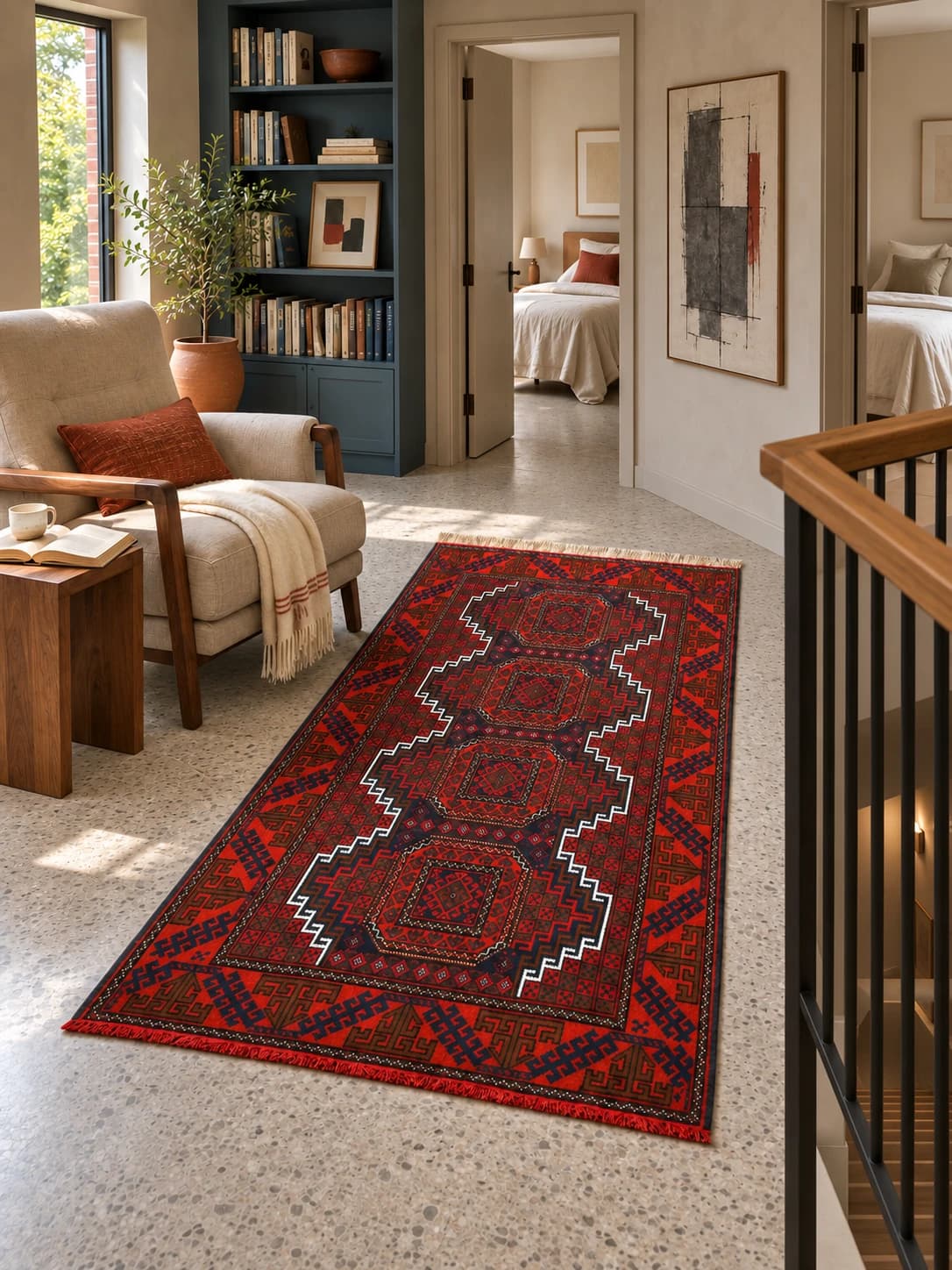
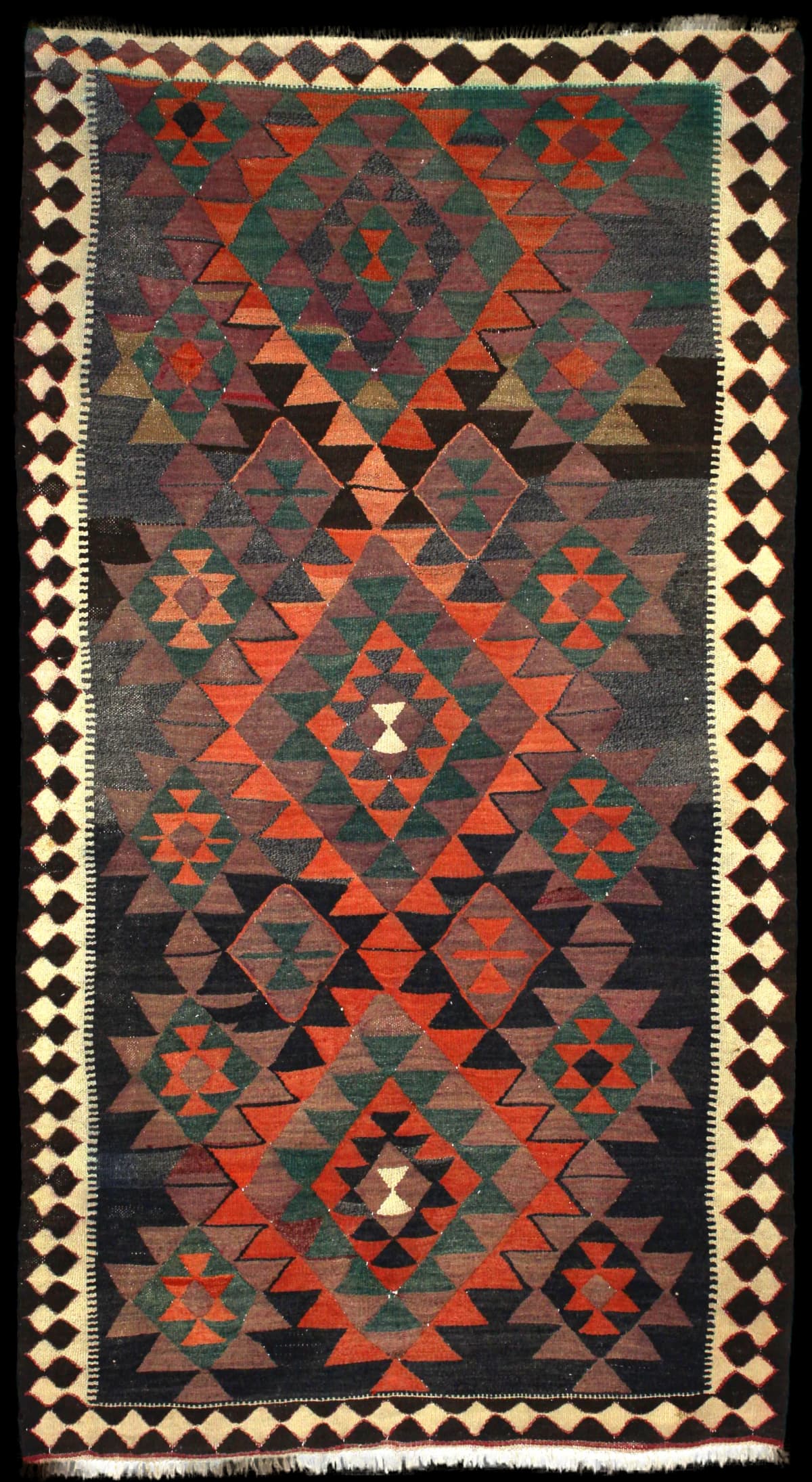
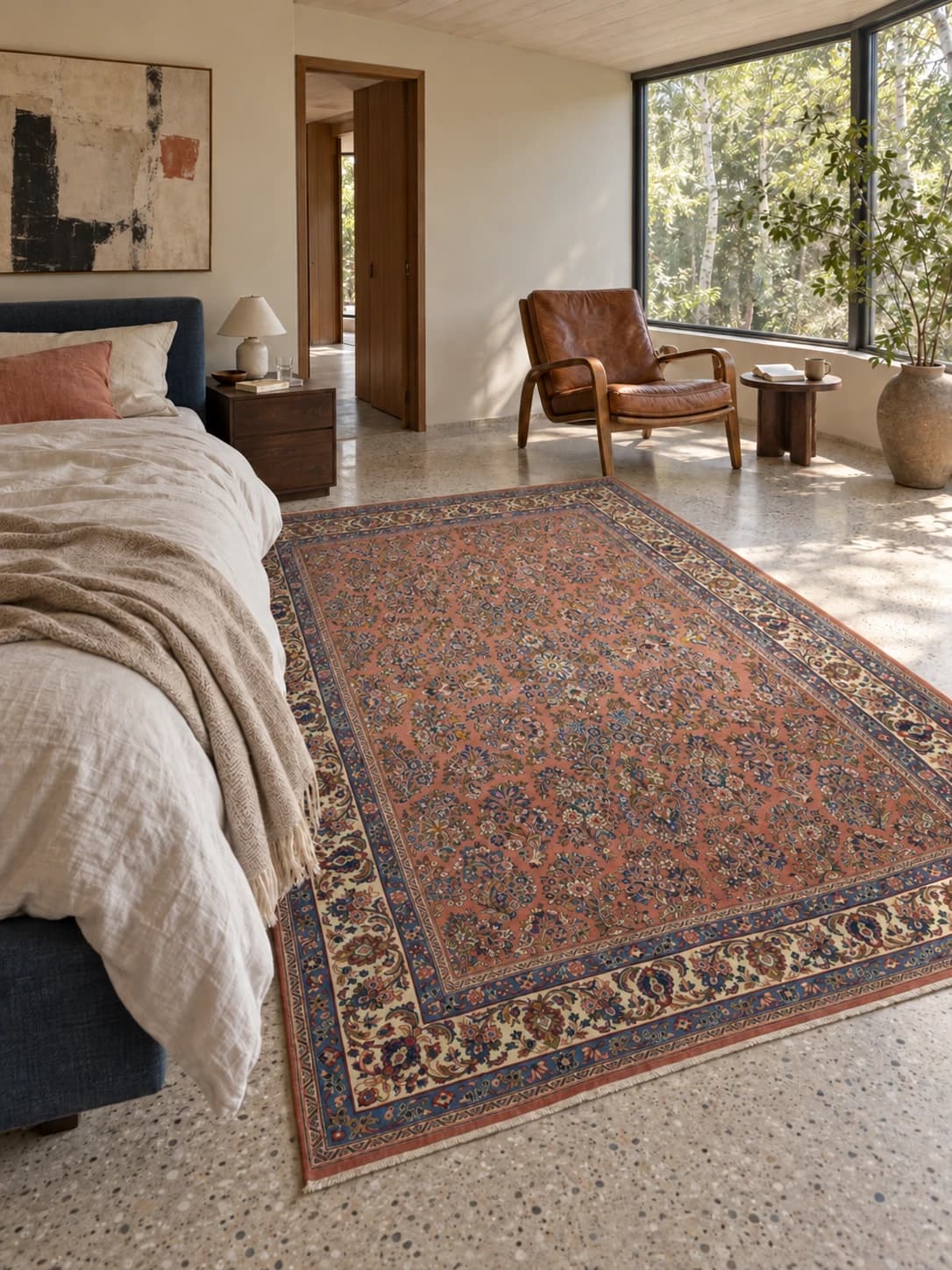
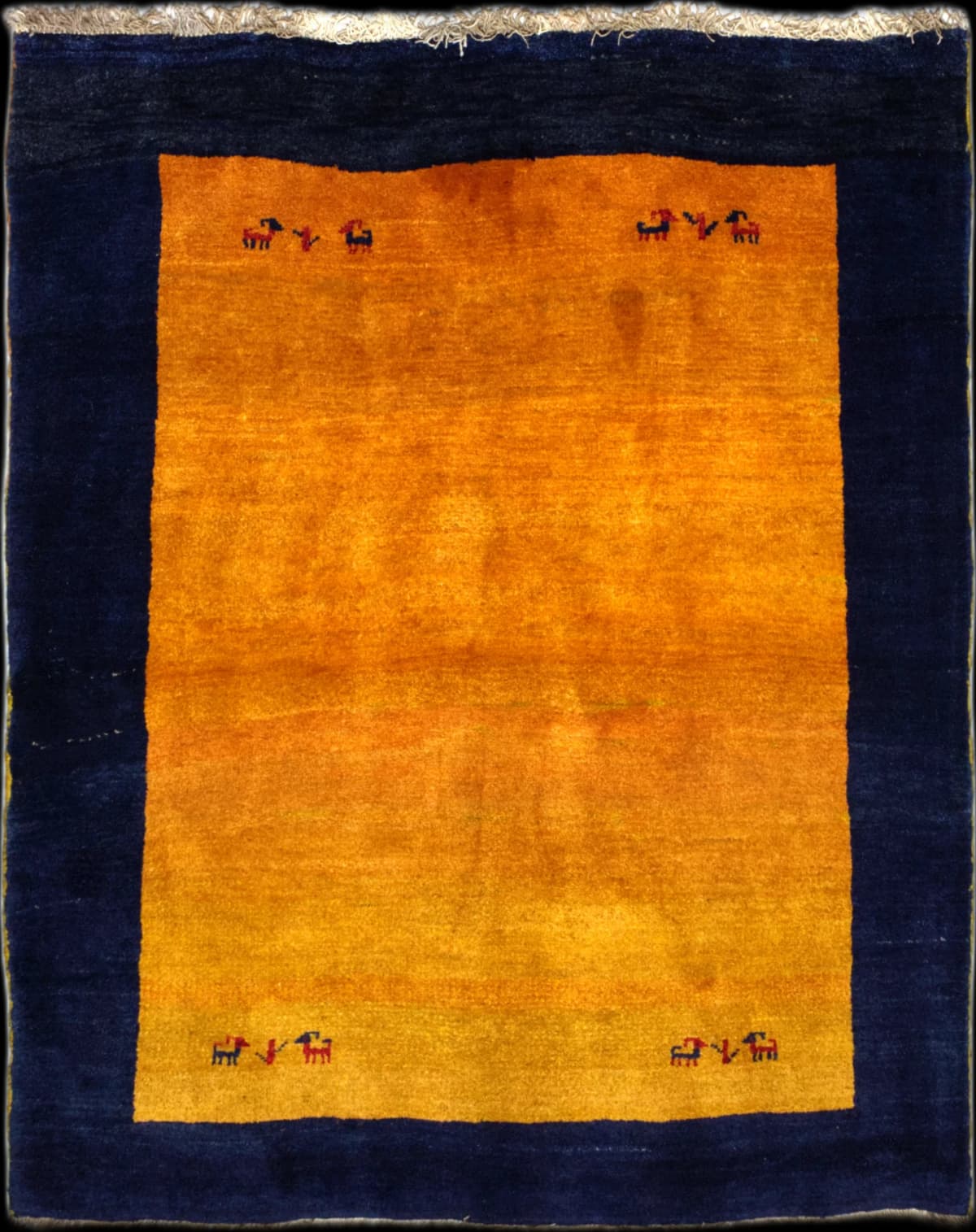
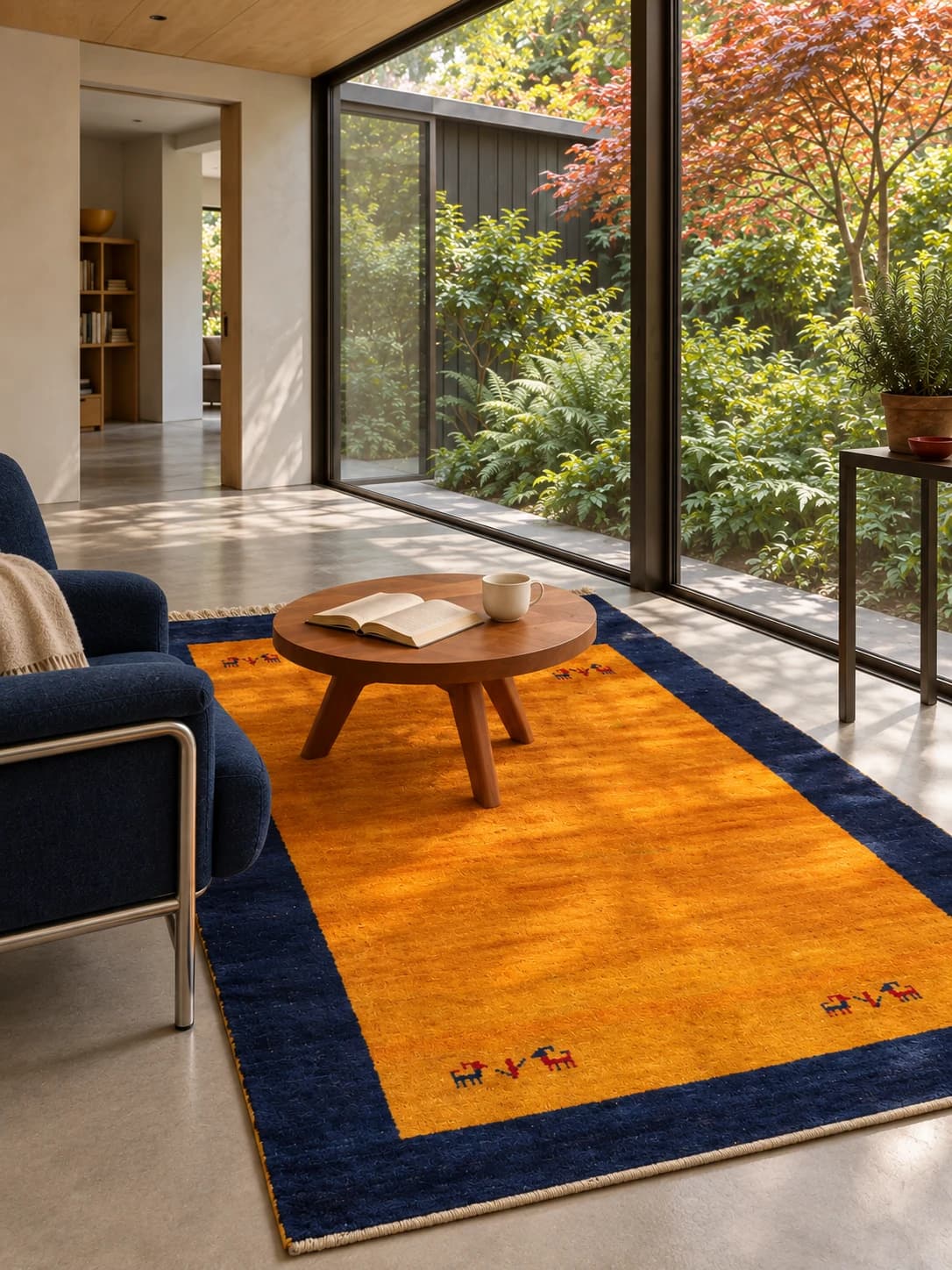
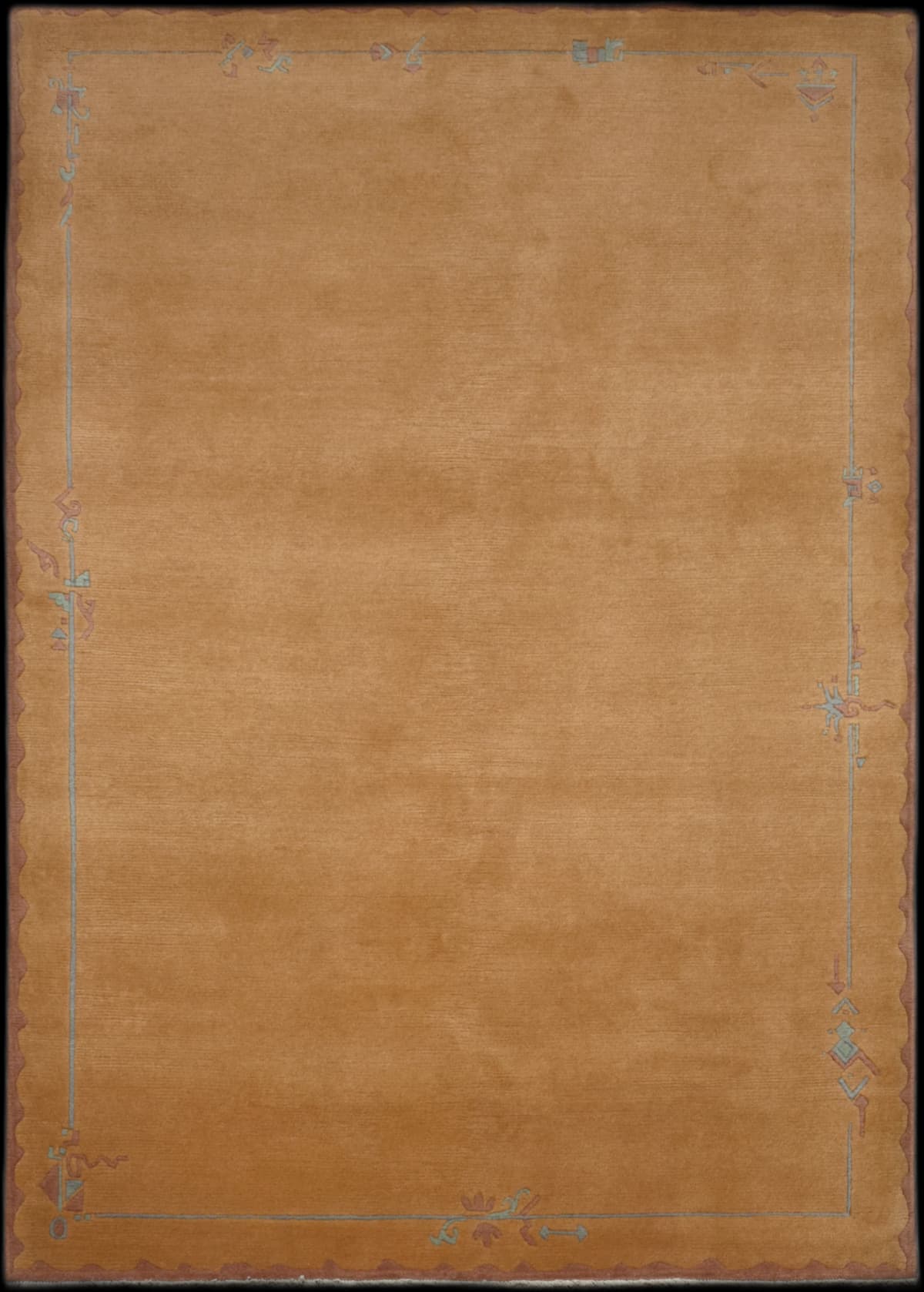
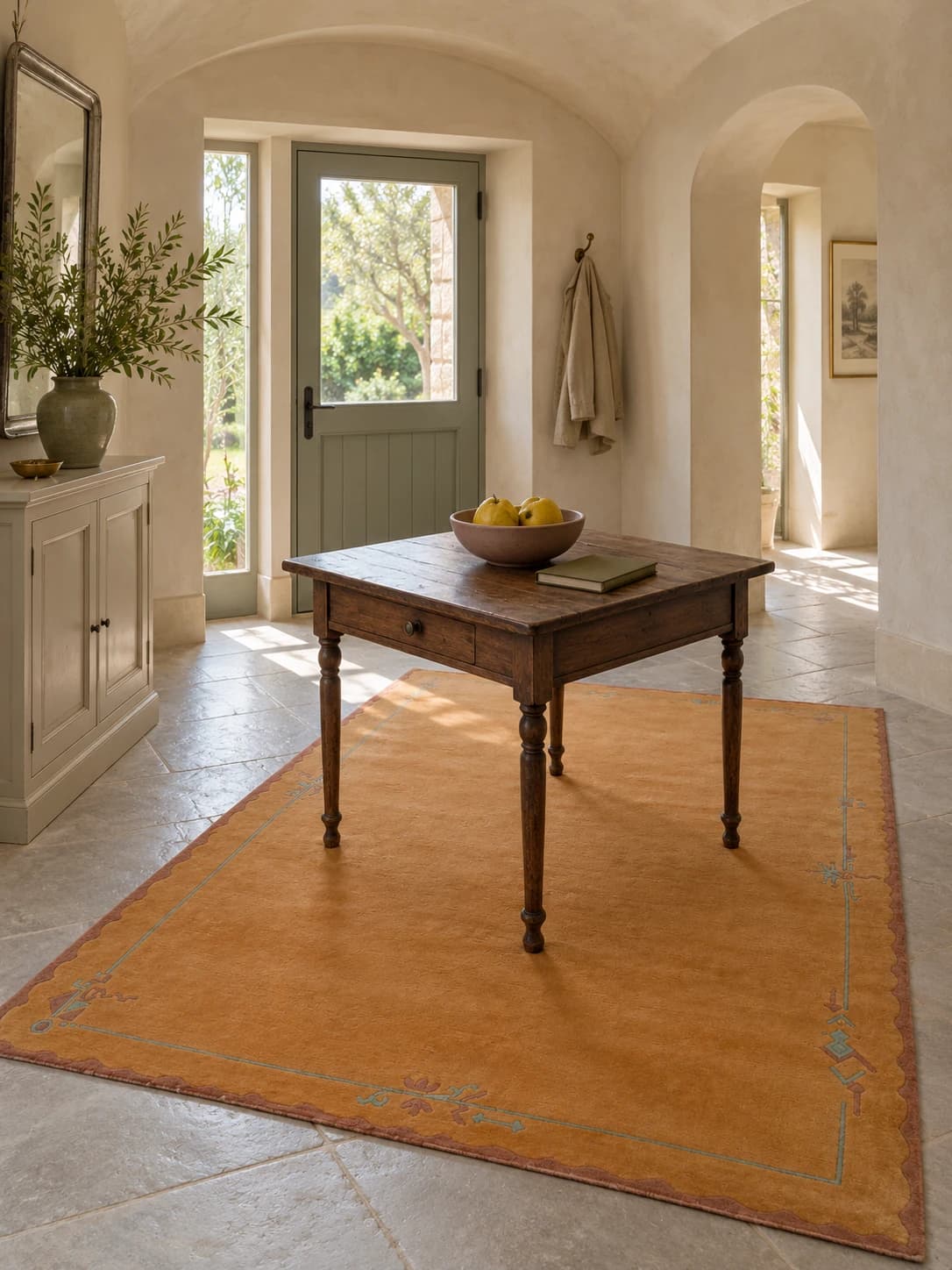
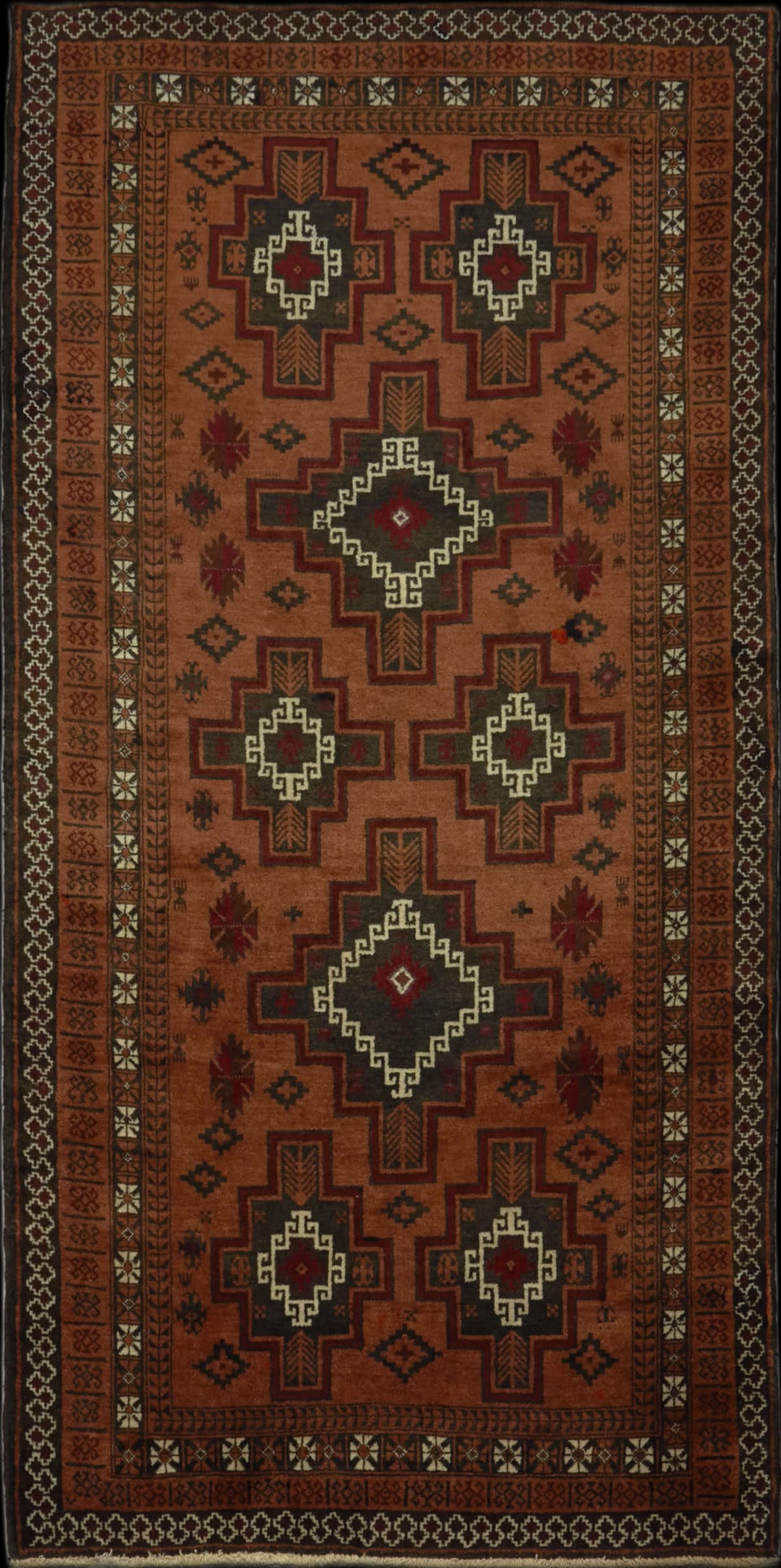
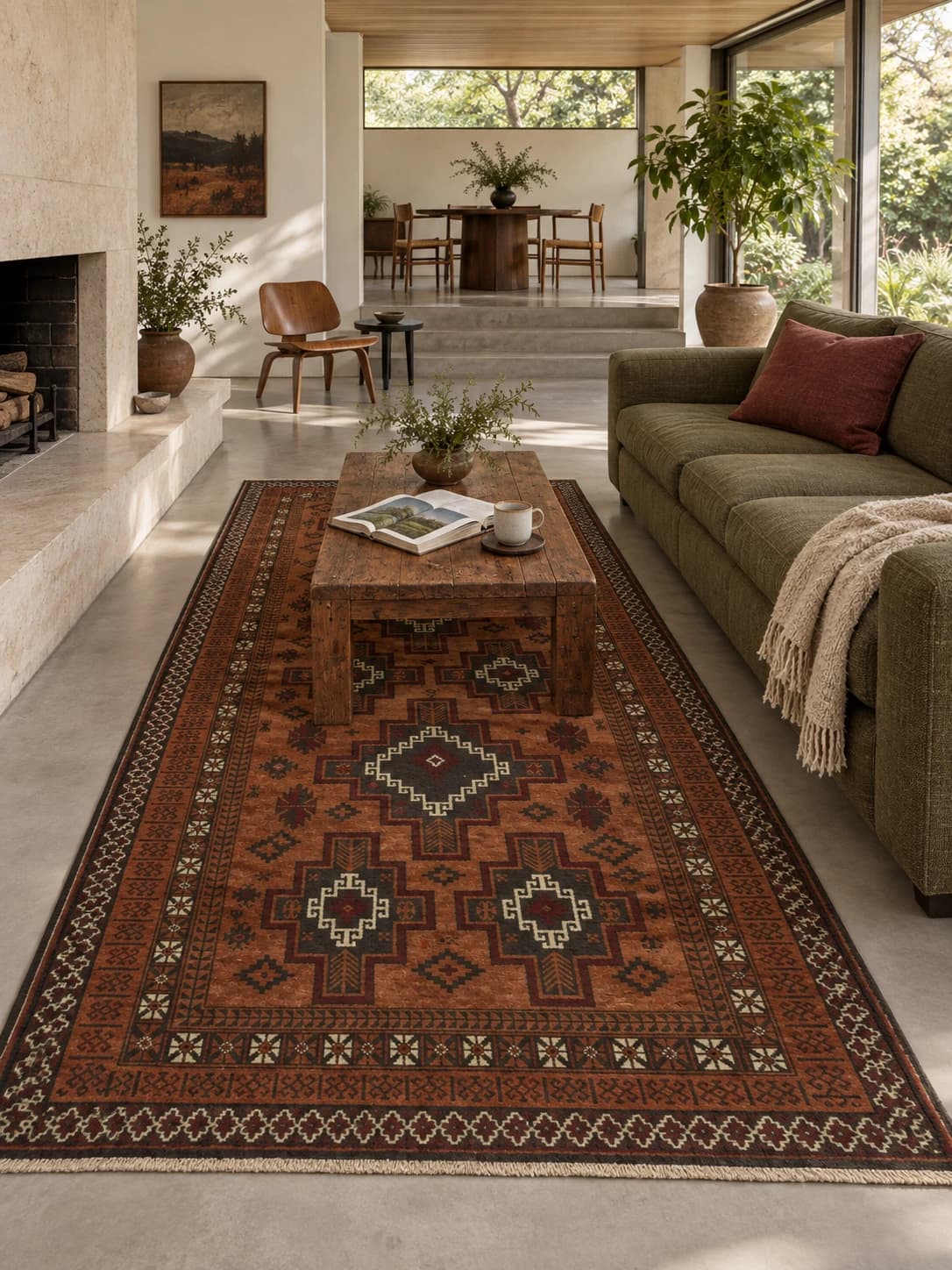
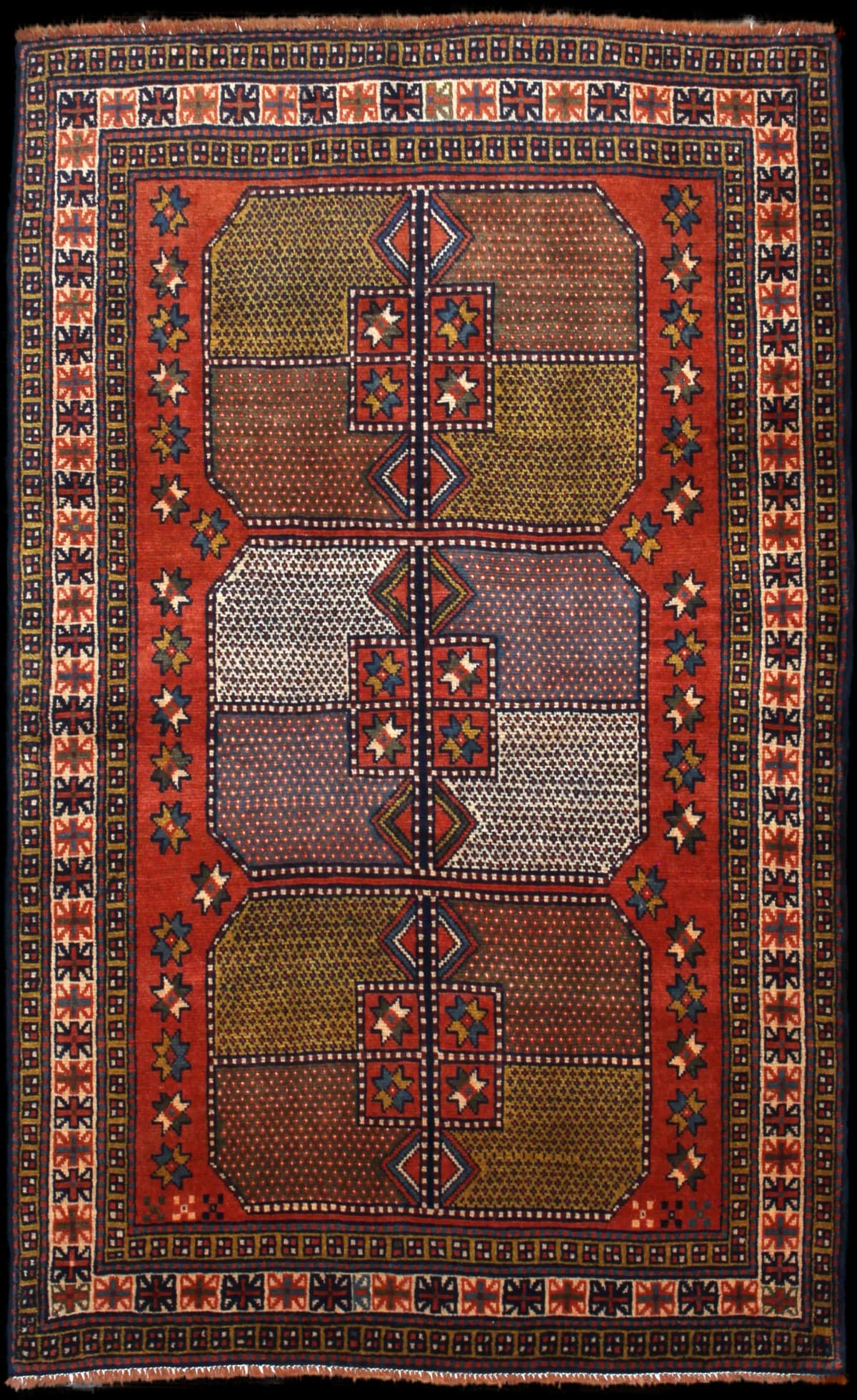
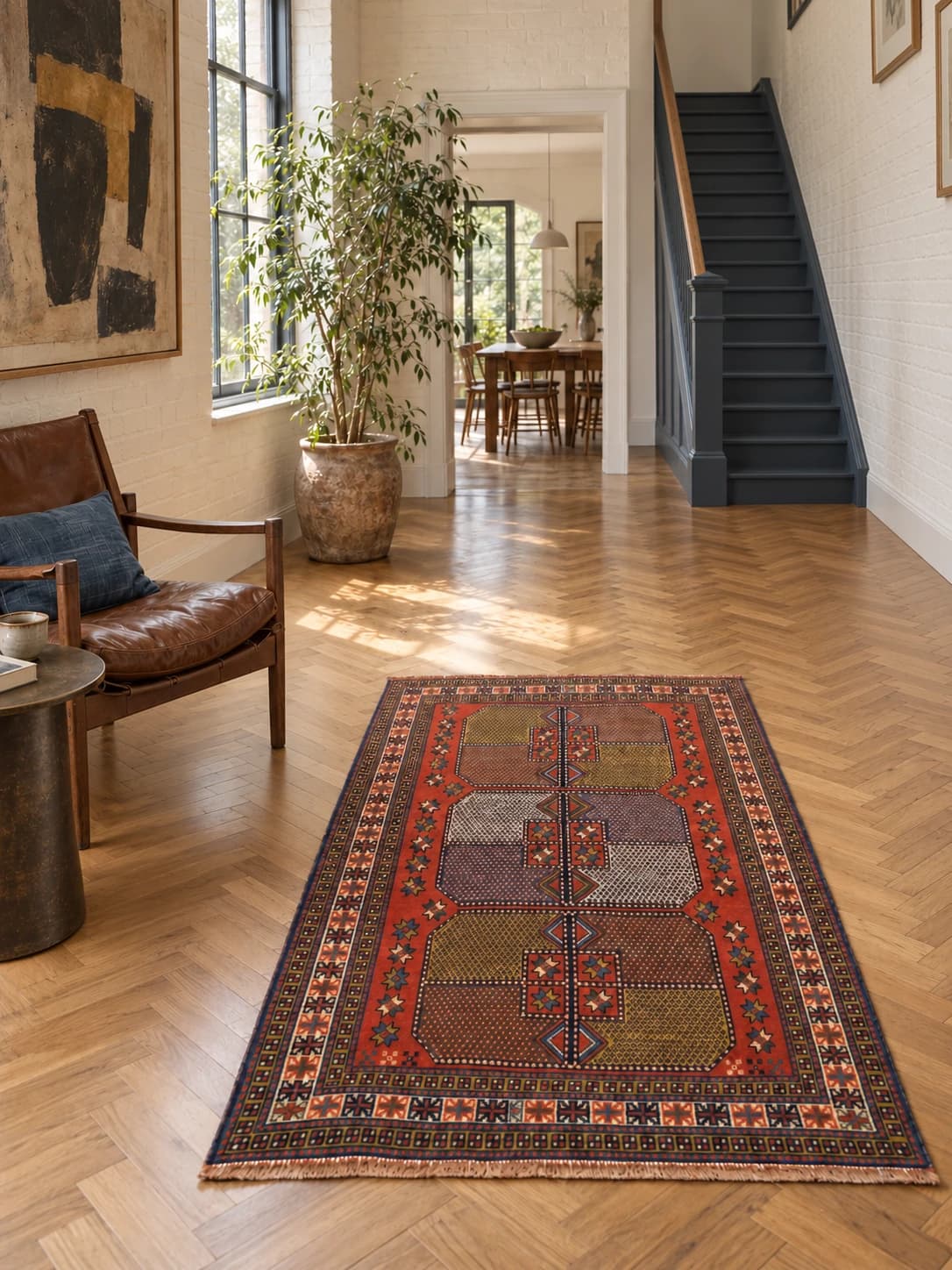
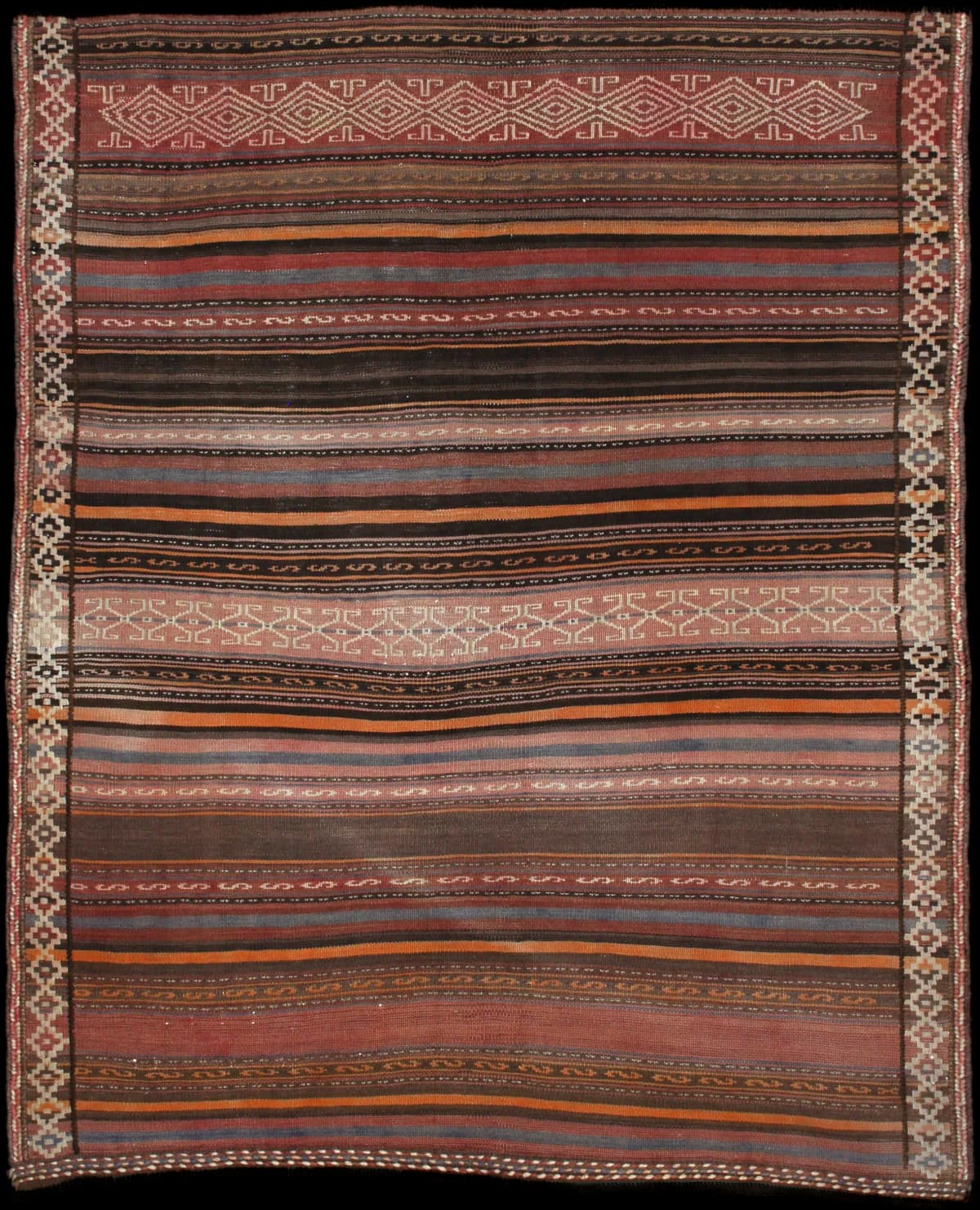
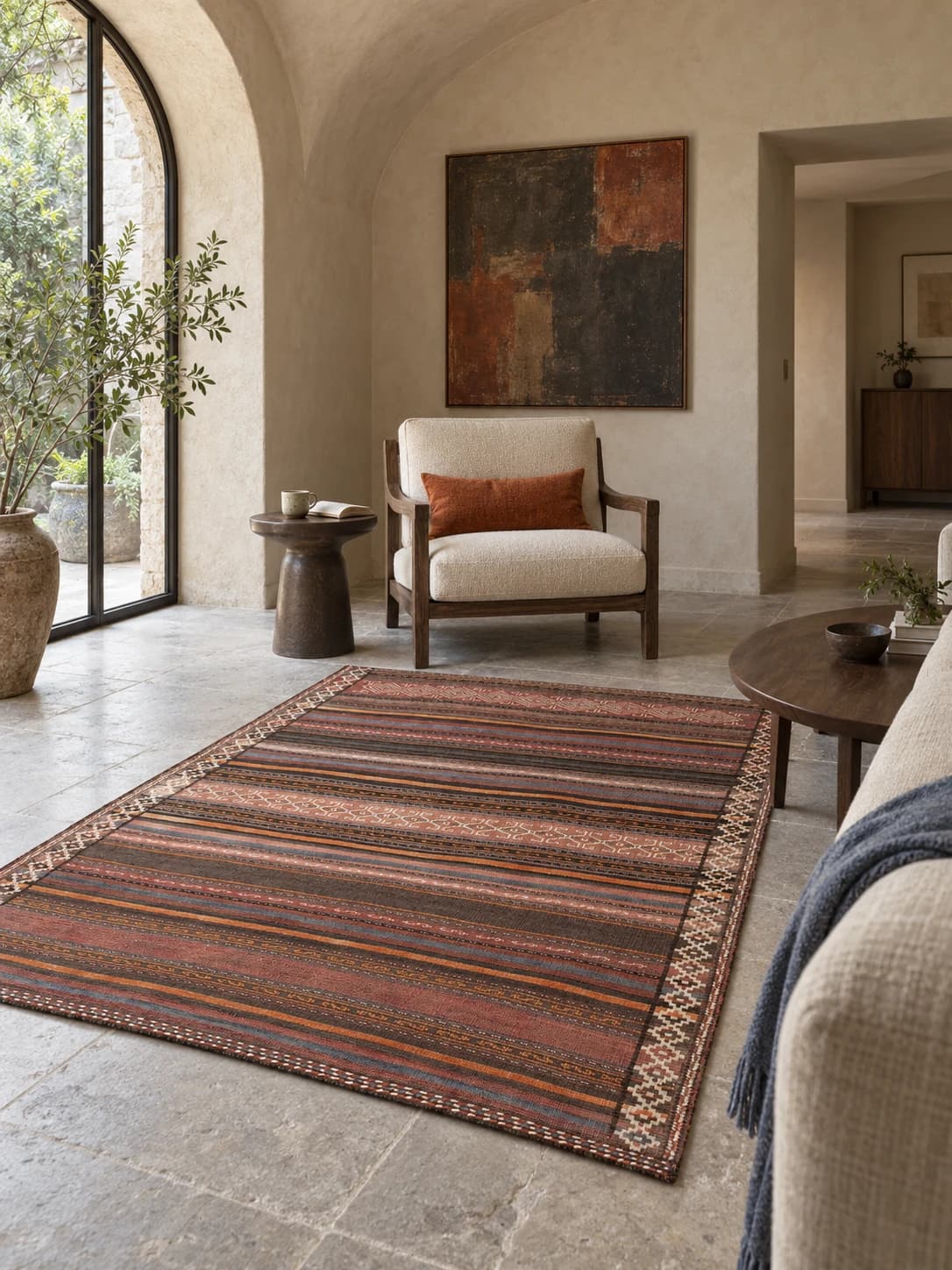
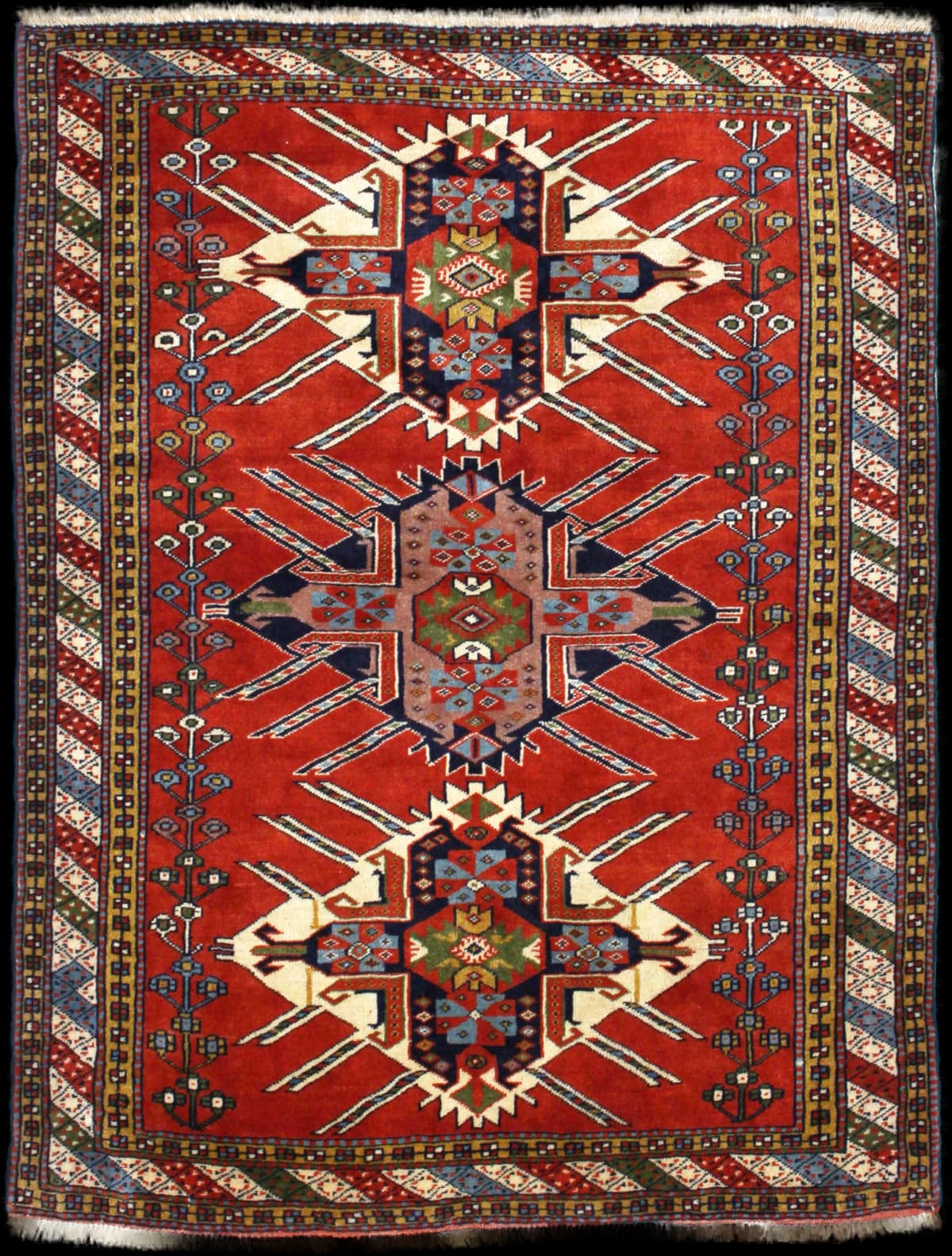
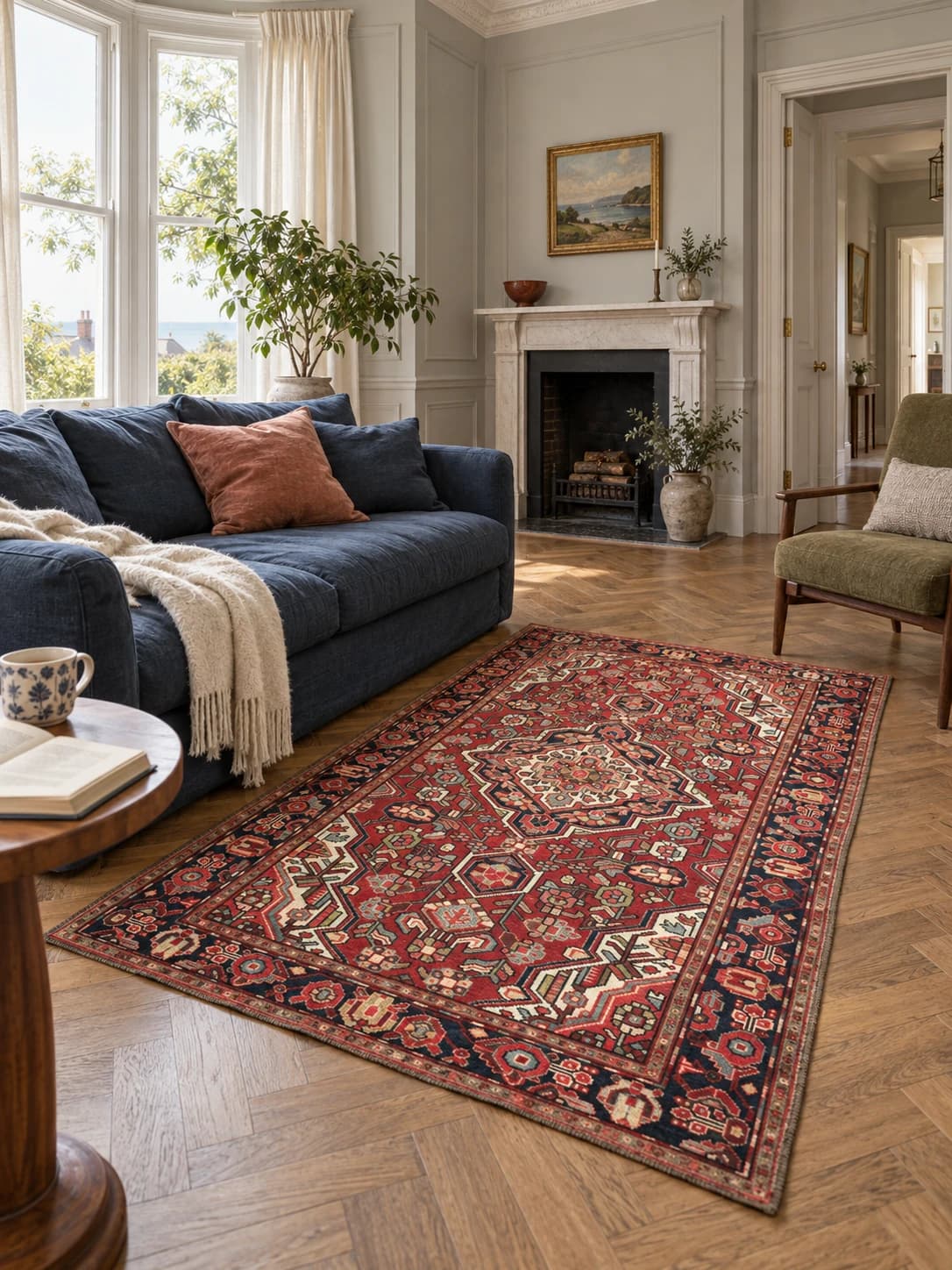
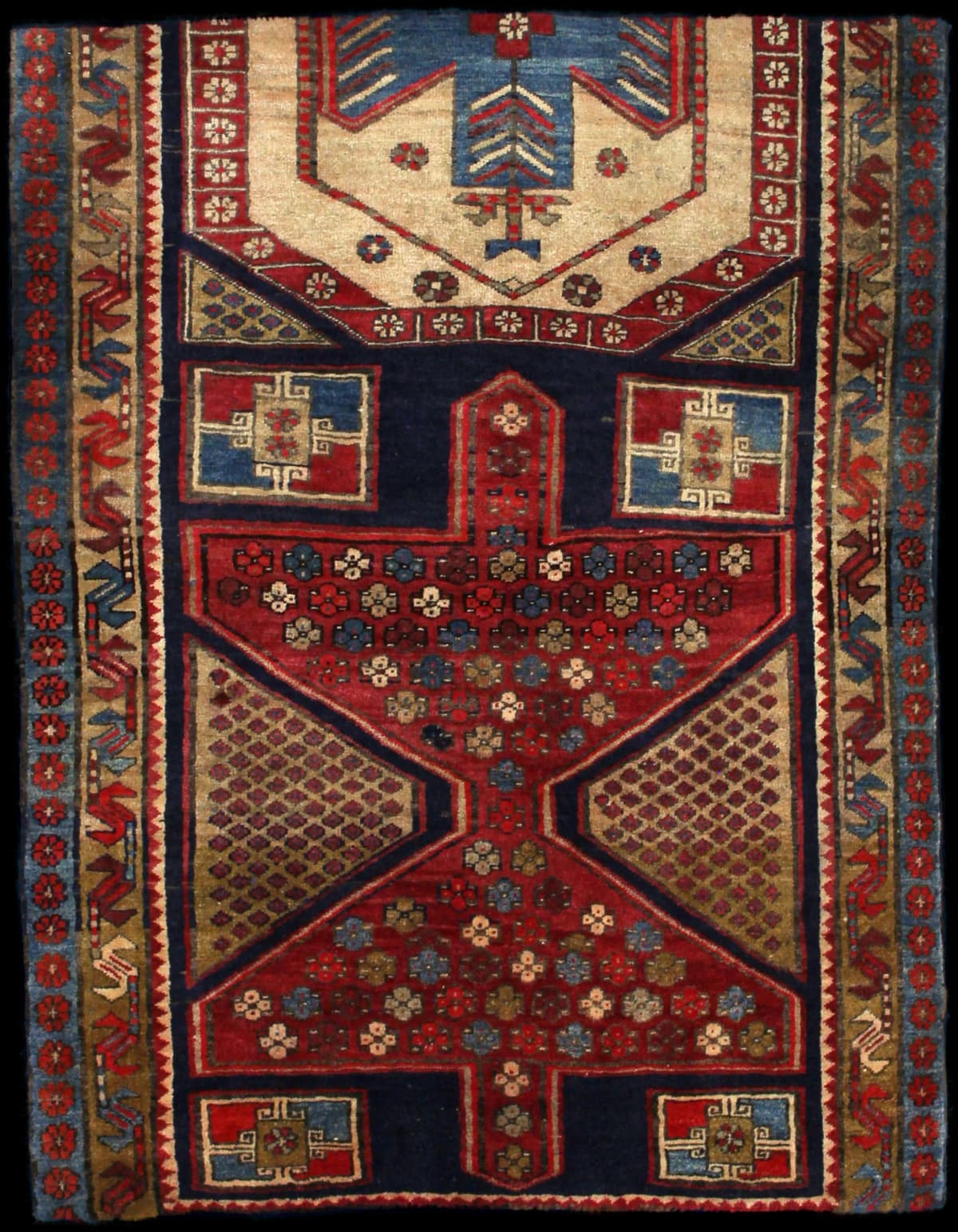
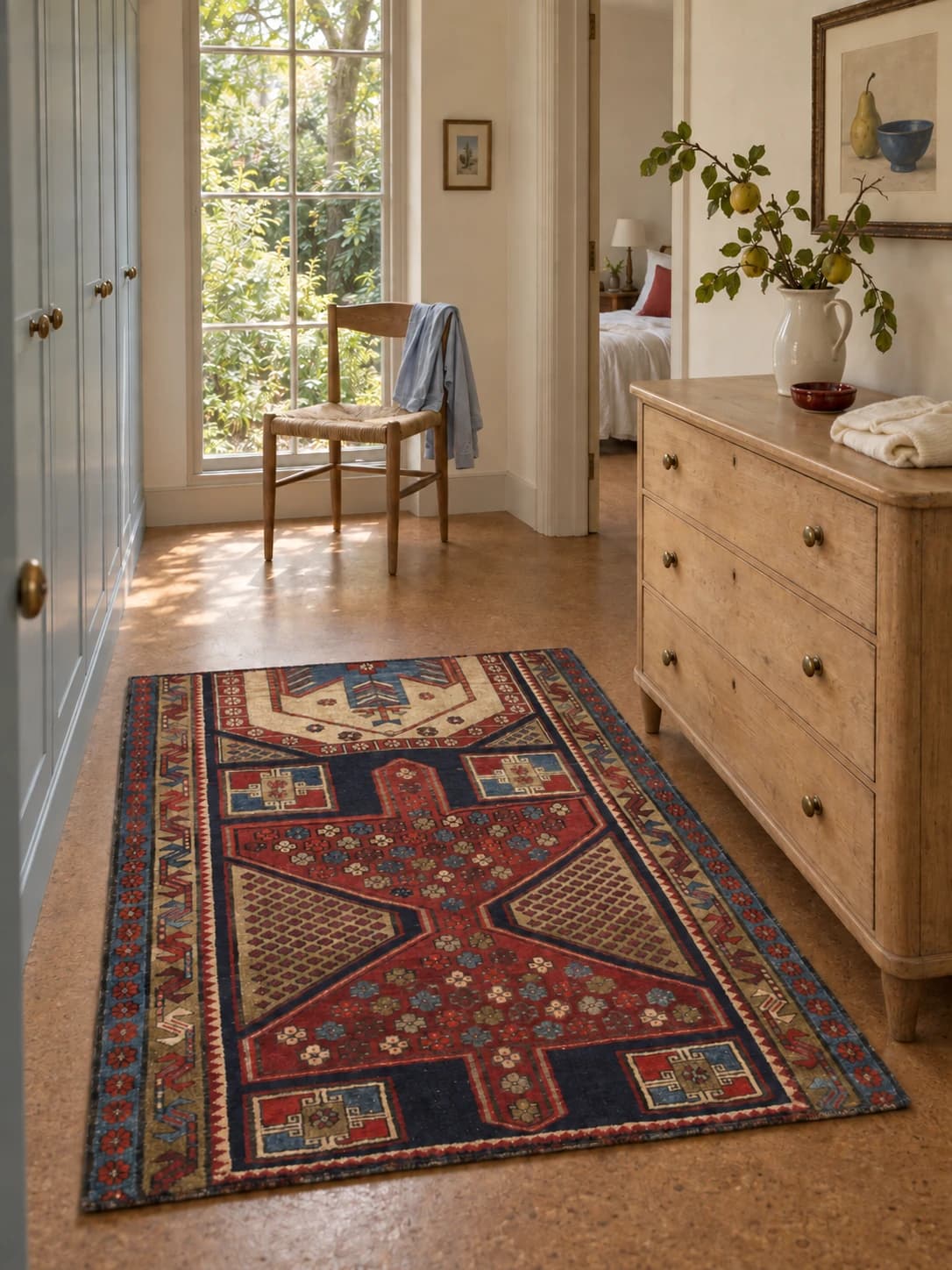
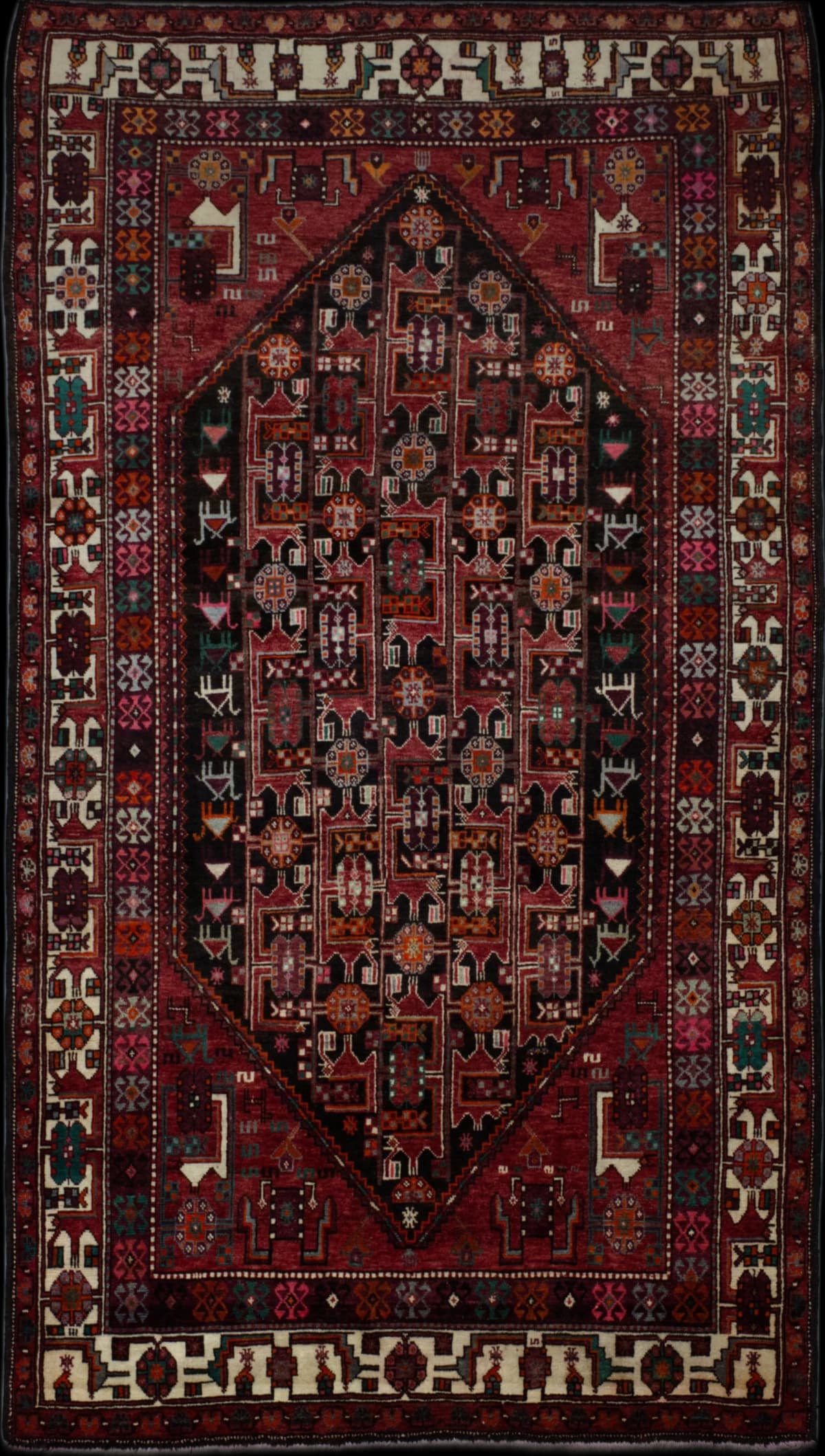
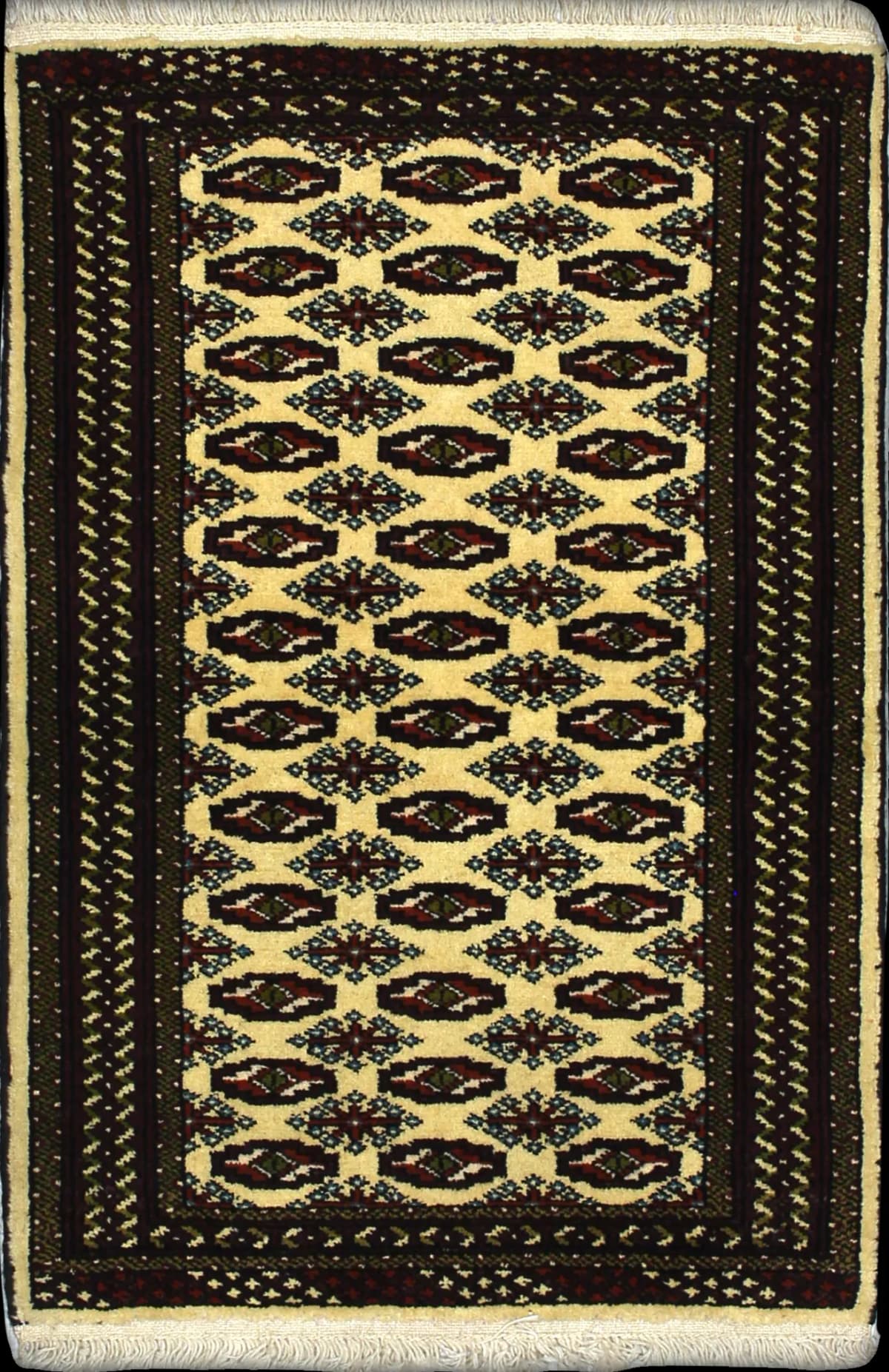
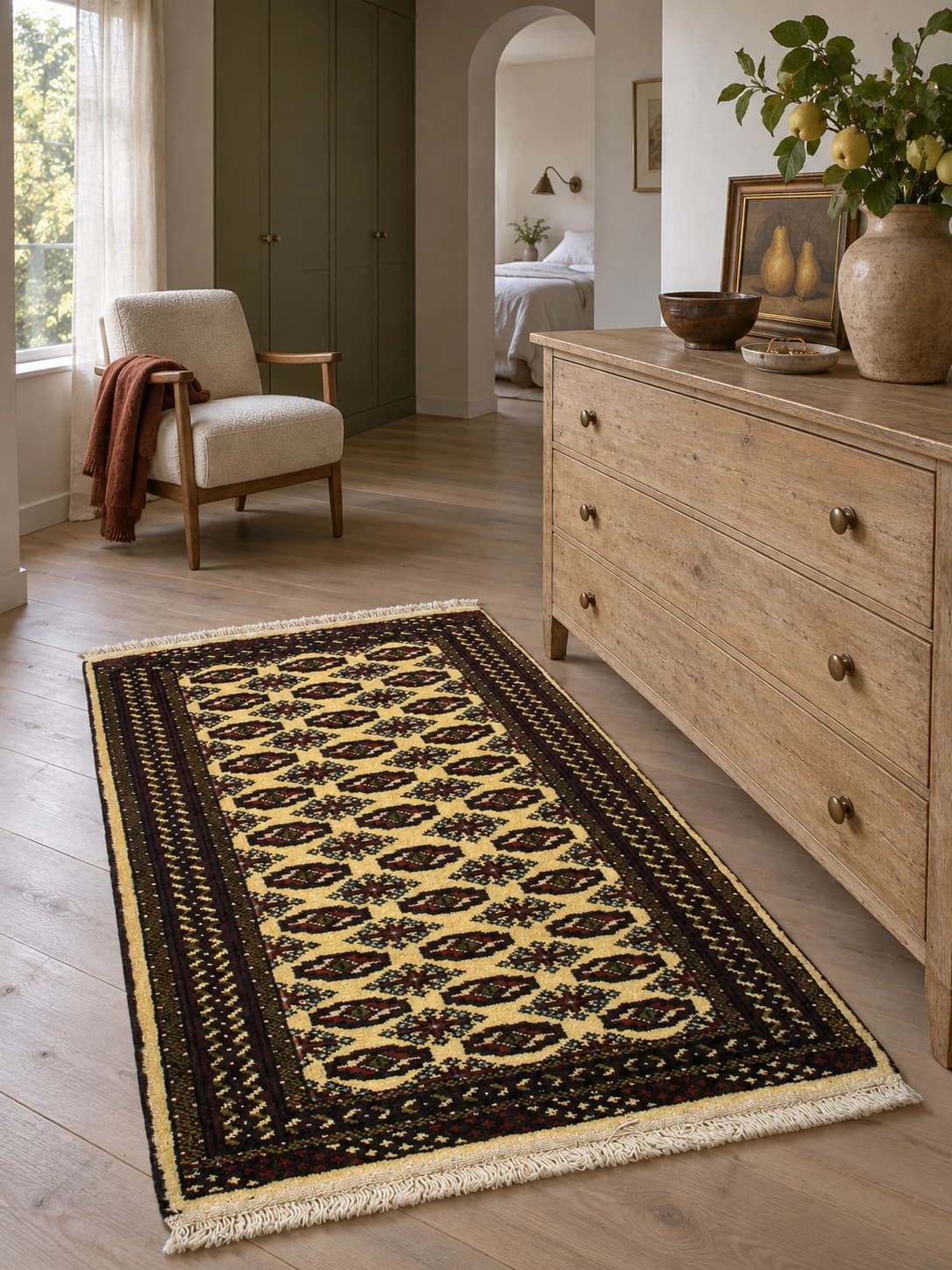
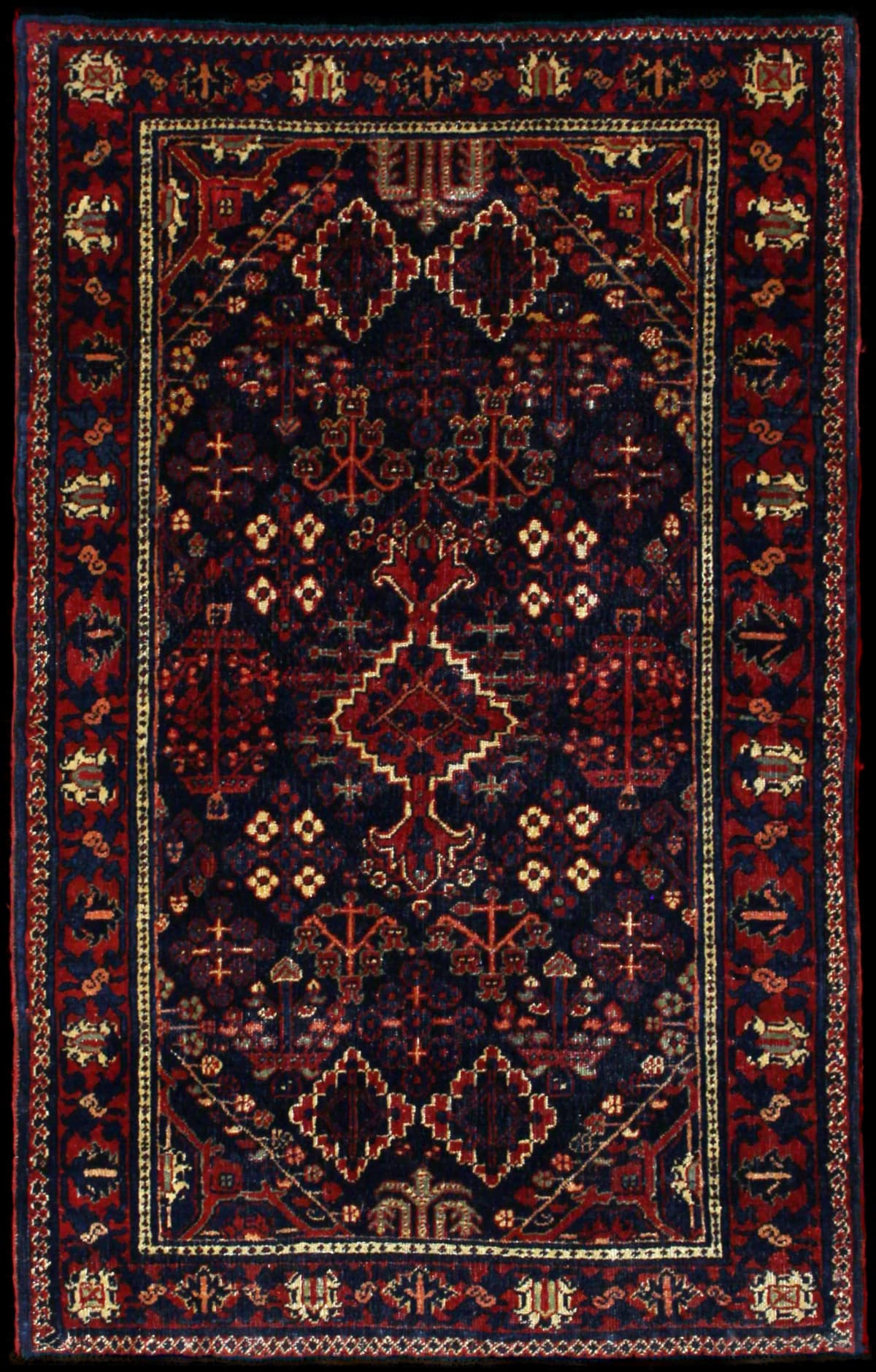
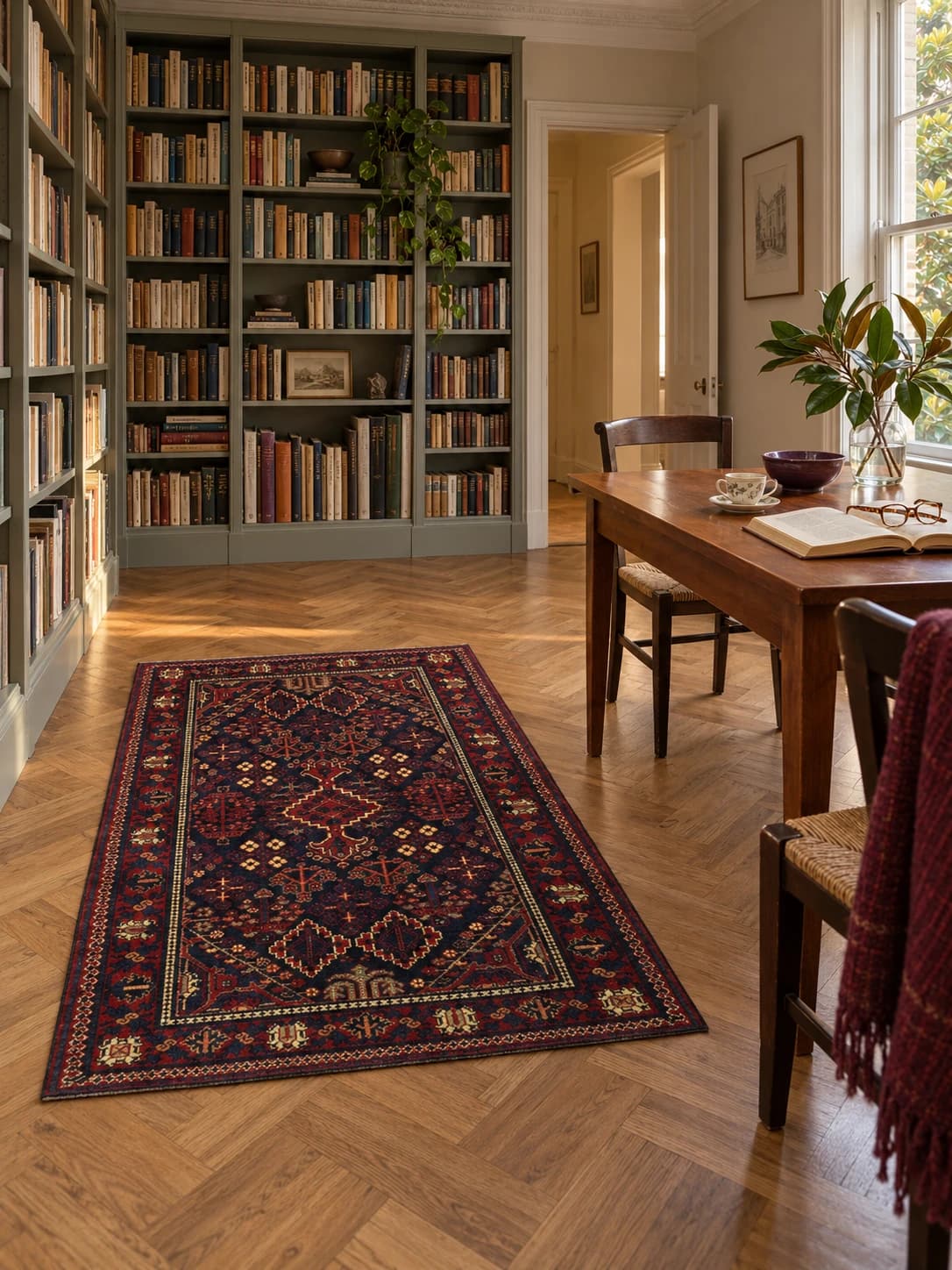
From the region ofकाठमाडौँKathmandu
Up close
Origin: Kathmandu
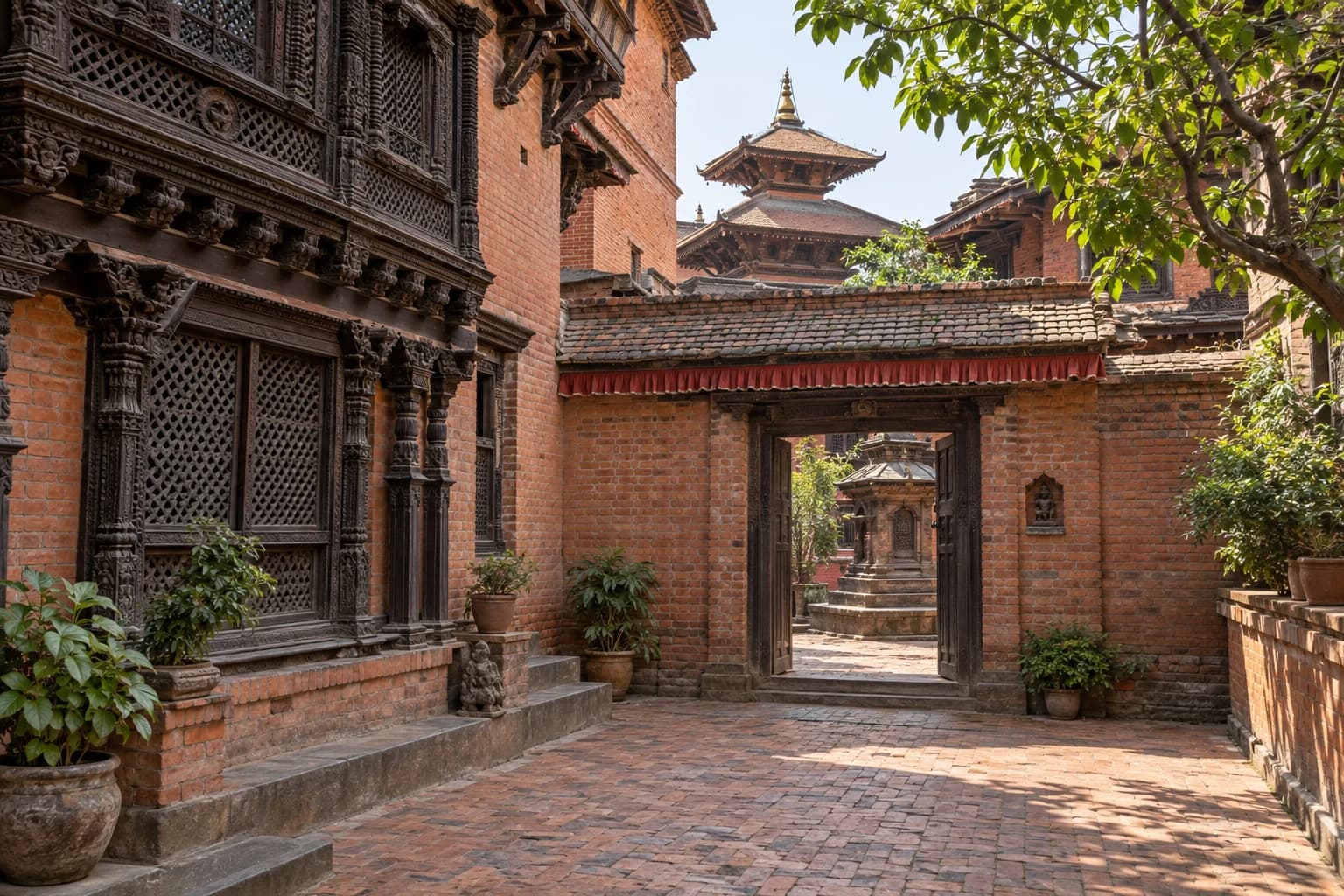
Kathmandu is the capital of Nepal and the principal city of the Kathmandu Valley, in Bagmati Province. Its name descends from Kasthamandap, the timber pavilion at Maru Tole beside the old Durbar Square; the Malla kings ruled the city as Kantipur, and its Newar inhabitants still call it Yen. Weaving belongs to the valley rather than to the capital's street plan. Looms and finishing sheds sit in Kathmandu itself, in the Tibetan quarter around Boudhanath on its north-eastern side, across the river in Lalitpur - old Patan - around Jawalakhel, and eastward towards Bhaktapur. A rug sold under the Kathmandu name comes from that cluster rather than from one quarter of the city.
Nepal had no knotted-pileSee in the carpet dictionary industry of any commercial size before the middle of the twentieth century. What exists today was built almost from nothing after 1959, when Tibetan families who had crossed the Himalaya were resettled in the valley and a handicraft centre opened at Jawalakhel, with Swiss technical assistance, to give them work they already knew how to do. The craft was Tibetan rather than indigenous, and its market was foreign from the start, first visitors in Kathmandu and then importers abroad. Within a generation carpets had become one of the country's largest manufactured exports and the valley its main production centre. This is a young tradition, and its youth explains a great deal about how the rugs look.
The weave itself is what most clearly separates these carpets from Persian ones. Rather than tying an individual knot on each pair of warps, the weaver runs a continuous length of yarn across the row, looping it around pairs of warps and around a metal gaugeSee in the carpet dictionary rod laid in front of them. When the row is complete the loops are cut along the rod and the rod is withdrawn, leaving a finished row of pile. This is the Tibetan or loop knot, and it gives a pile that feels dense, springy and slightly shaggy underfoot, with a softer and less exactly drawn line than a Persian knotSee in the carpet dictionary produces.
DensitySee in the carpet dictionary is quoted differently here as well. Himalayan rugs are traditionally graded in knots per horizontal inch, as 60-knot, 80-knot or 100-knot quality, while Persian and most other hand-knottedSee in the carpet dictionary rugs are measured in knots per square inchSee in the carpet dictionary, counted on the back across an inch each way and averaged over two or three parts of the pattern. The two figures are not interchangeable, and setting one against the other tells you very little. What matters more is whether the count suits the drawing: fine detail and curved lines need density or they blur, open grounds and geometry do not, and plenty of coarse rugs outlast fine ones.
WoolSee in the carpet dictionary comes from two sources and usually from both at once. Highland fleece from the Tibetan plateau is coarse, long in staple and high in lanolinSee in the carpet dictionary, which makes it hard-wearing and lets it take dye with real depth; New Zealand woolSee in the carpet dictionary is whiter, more even and spins more smoothly, and blending the two is standard practice rather than a compromise. CardingSee in the carpet dictionary and spinning are often still done by hand, which leaves the yarn slightly irregular, and that irregularity is part of why the finished surface catches light the way it does. Silk or bamboo viscoseSee in the carpet dictionary is sometimes added in small quantities for highlights. The foundation is nearly always cotton, which holds its dimensions where a wool foundationSee in the carpet dictionary shrinks and pulls.
Colour is where the valley parts company with the older Oriental repertoire most visibly. Vegetable dyes drawn from plants, seeds and flowers are used and give deep, harmonious grounds, but much of the output relies on modern dyes, because the greys, sands, charcoals and washed pastels the trade asks for were never part of a traditional dyer's range. AbrashSee in the carpet dictionary, the gradual banding that appears where one dye lotSee in the carpet dictionary gives way to the next or where the wool took colour unevenly, turns up here as readily as anywhere and is usually welcomed rather than corrected. Because a whole order tends to be dyed in one batch, colour still runs more consistent than in village weaving, where yarn is bought and dyed piecemeal.
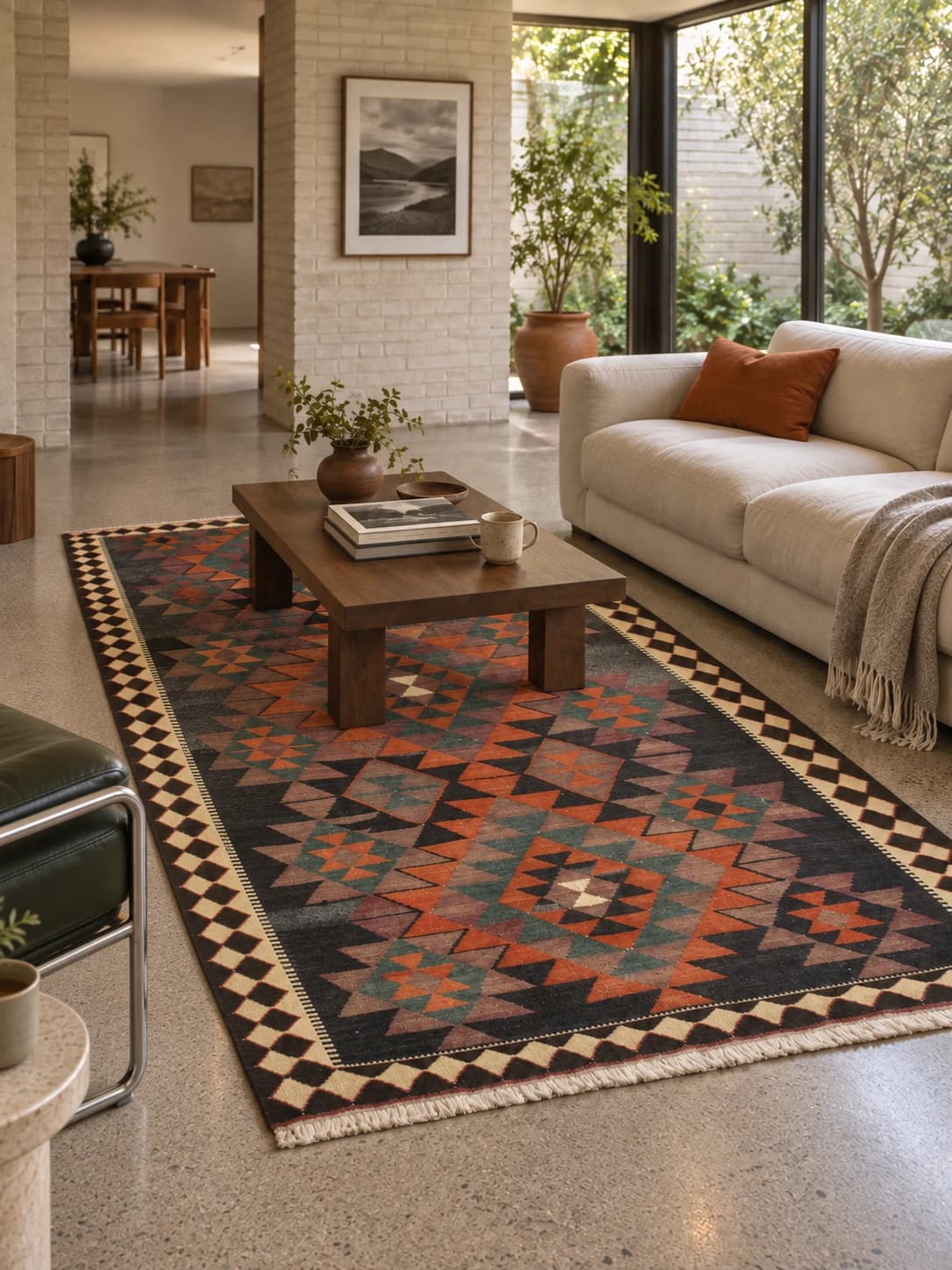
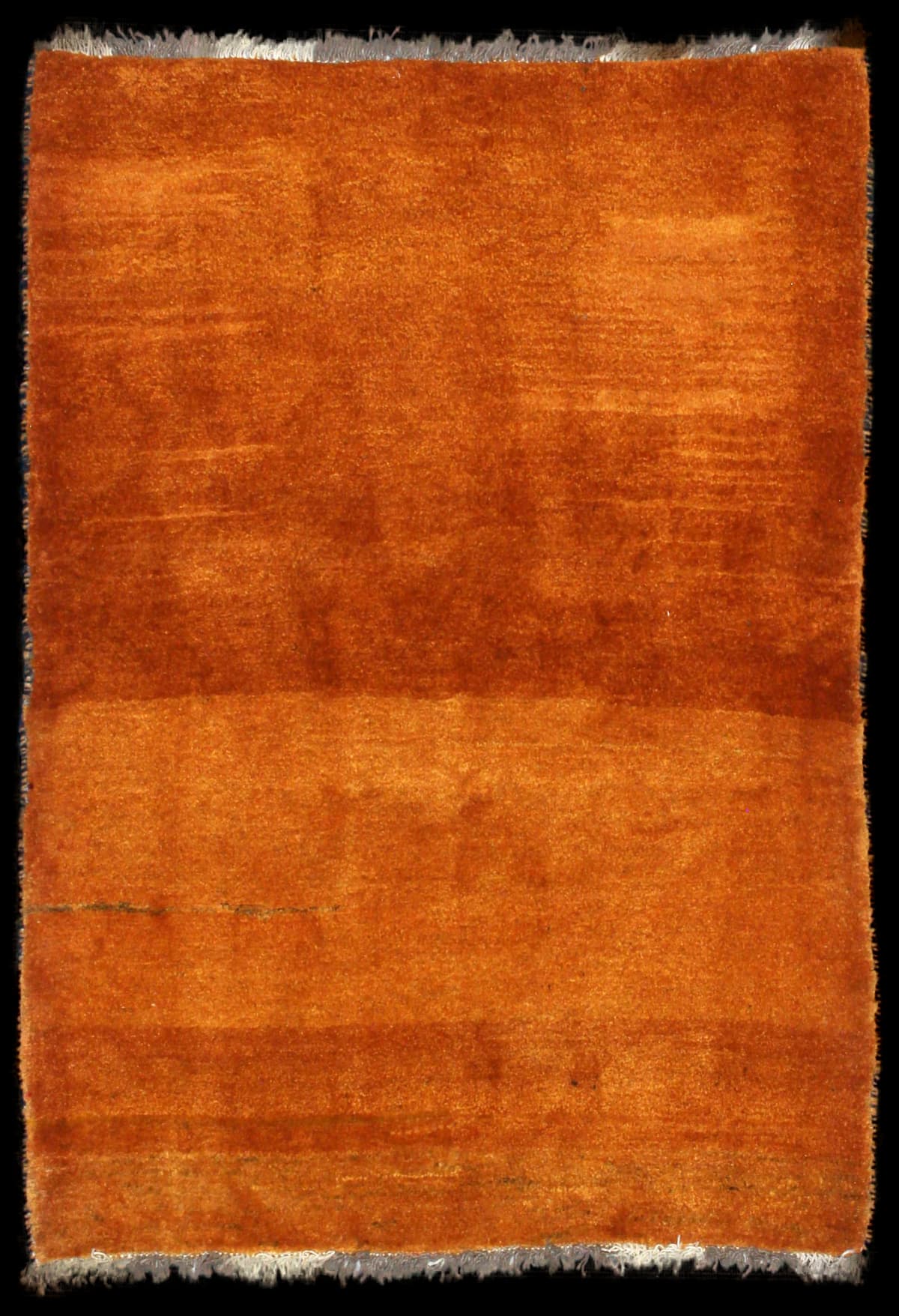
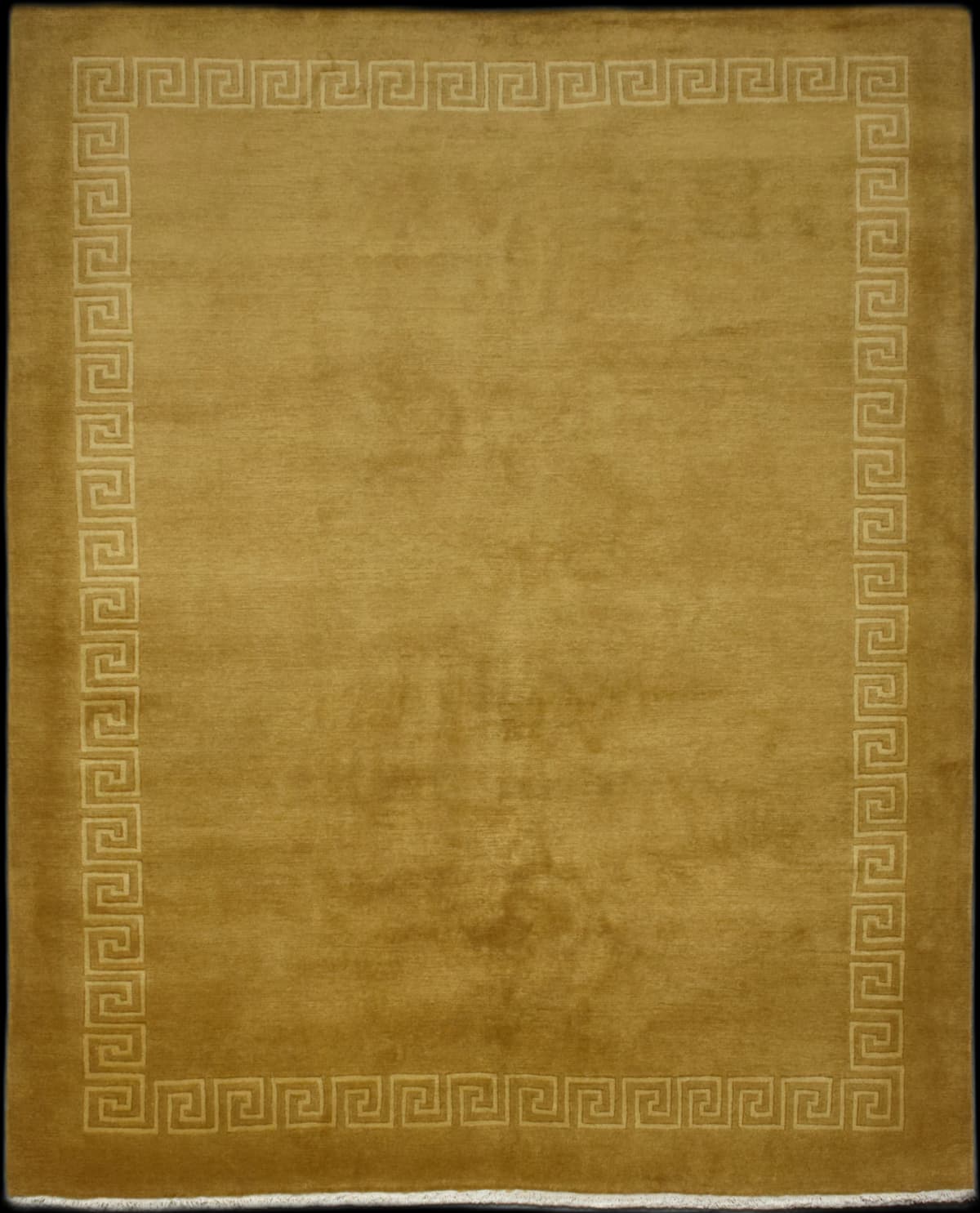
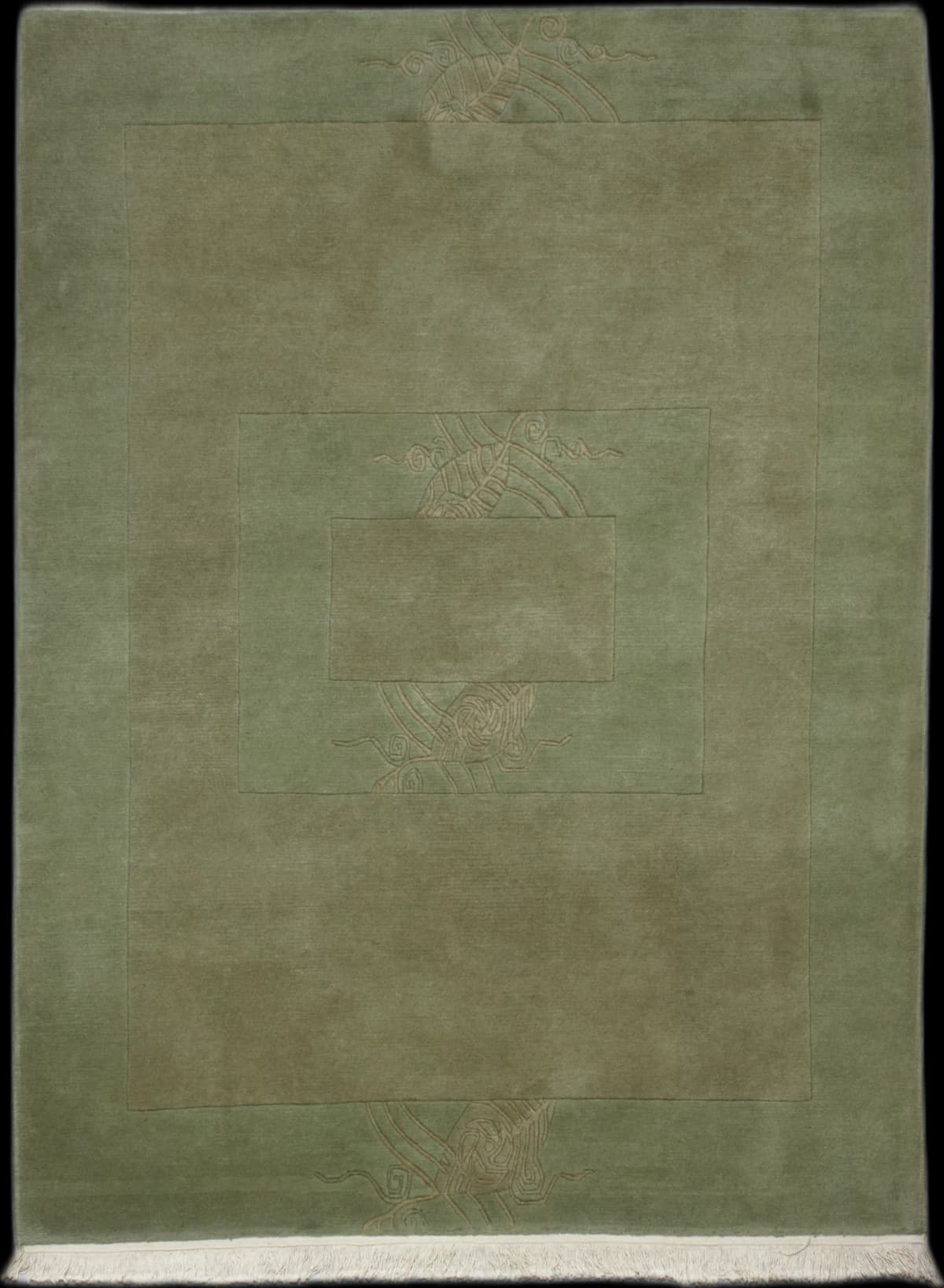
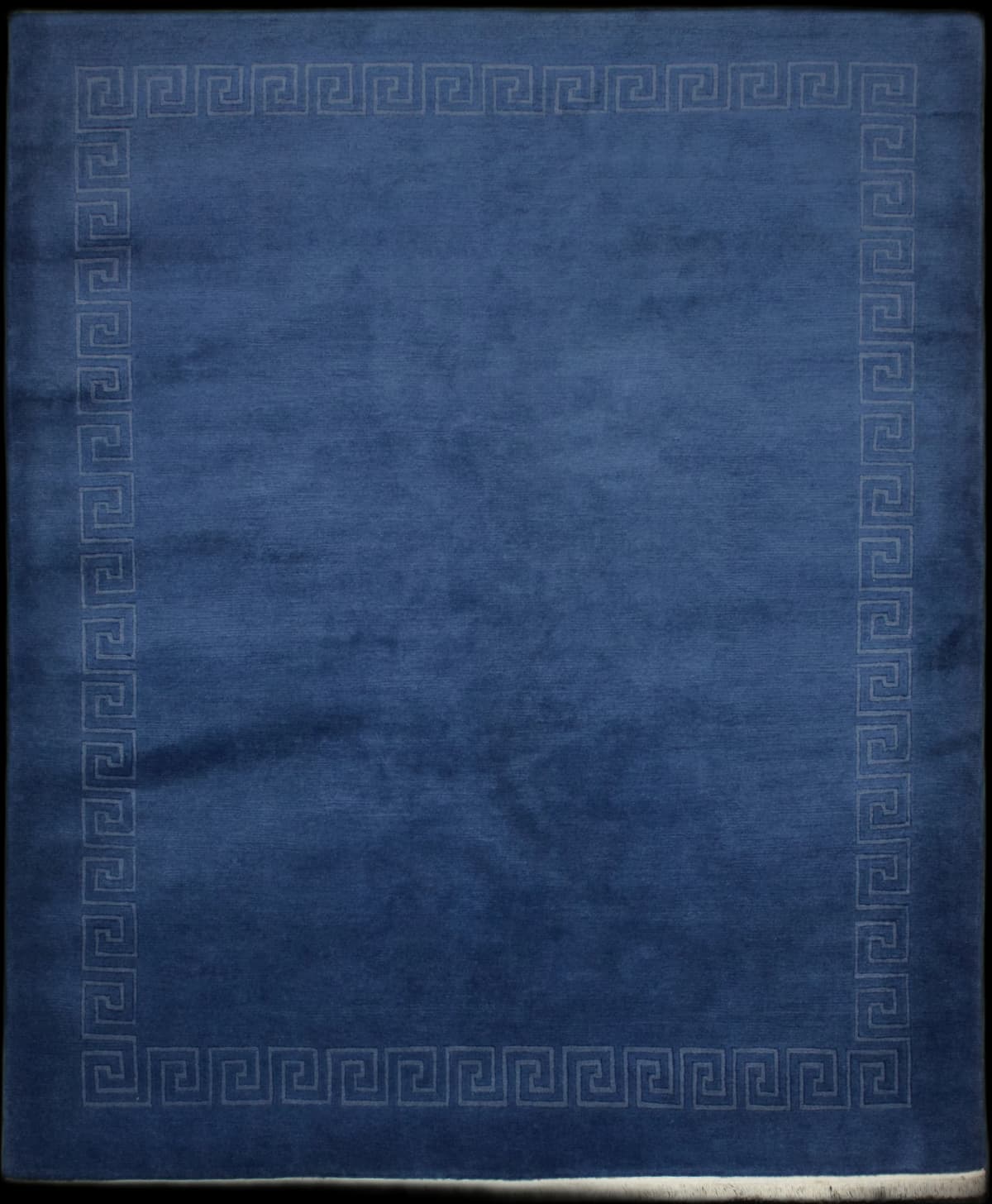
Patterns range from plain to almost architectural. Older Tibetan motifs survive - lotus flowers, cloud bands, dragons, and the small medallionSee in the carpet dictionary formats of the khaden sleeping rug - but the bulk of what the valley weaves is modern: abstract fields, stripes and grids, tone-on-tone textures, borderless grounds where the interest sits in the surface rather than in a drawn design. Cut-and-loop pileSee in the carpet dictionary, in which some areas are left uncut, is one of the usual ways of getting that texture. Since the industry was built for export, it is unusually willing to weave to order, and custom sizes, shapes and colourways are ordinary requests rather than exceptional ones.
In use these are robust rugs. The looped knot packs a great deal of wool into the pile, so the carpet feels thick and resilient underfoot and copes well with a hallway or a family room, and the softer drawing means wear shows less than it would on a finely knotted floral field. Sizes run large, because the looms were set up for contract and export work, so genuinely big room-size pieces are easier to find here than in most weaving regions. The trade has also carried independent child-labour certification since the 1990s, when the first labelling schemes were set up for South Asian carpets, and labelled rugs are a normal part of it.
Nepal
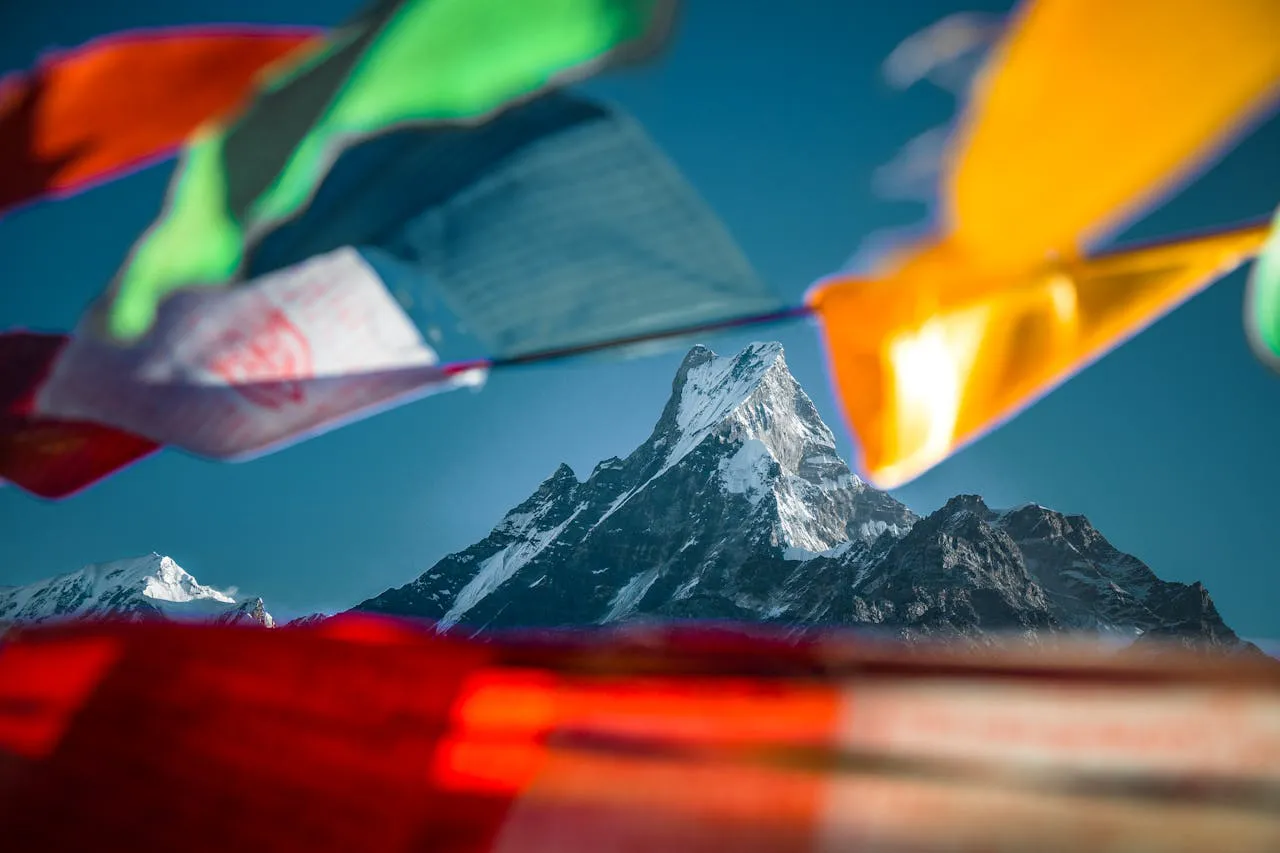
Nepalese rugs carry the weaving traditions of the Himalayas, gathering styles and techniques from regions across the country. The craft grew out of centuries of exchange along old trade routes between Tibet, Nepal and India, which is why the trade most often files these pieces simply as Tibetan rugs.
The foundation of Nepal's carpet industry is the distinctive Tibetan knot, a technique preserved and adapted throughout the country's weaving centres. Like every hand-knottedSee in the carpet dictionary rug, a Nepalese carpet is built one knot at a time over months at the loomSee in the carpet dictionary; the Tibetan method, worked by wrapping the yarn around a rod, gives an even, dense pileSee in the carpet dictionary with a character of its own.
Nepal's rug makers work with an array of wools, including high-altitude Tibetan varieties and New Zealand fleece. That range of materials, combined with varying proportions of Chinese and Indian silk, lets different workshops develop their own textures and finishes.
Dyeing traditions vary by region. Mountain workshops often favour natural dyes, while the larger production centres use both traditional and modern colouring techniques, so the palette on offer runs from muted vegetal tones to strong contemporary colour.
Contemporary Nepalese design reflects the country's mixed cultural inheritance, from traditional Buddhist and Hindu motifs to modern abstract compositions. Individual workshops keep their own design languages while taking part in the broader evolution of the craft.
Construction typically runs from 60 to 100 knots per square inchSee in the carpet dictionary, with specialised workshops achieving higher densities. That is a sensible range for these designs: bold, textural drawing does not need extreme knot counts to read clearly or to wear well.
Many Nepalese workshops maintain strong ethical practices, supporting their communities through fair-labour initiatives and social programmes, and environmental responsibility is increasingly emphasised, though approaches differ from one producer to the next.
Production spans small village workshops to large manufacturing centres, each bringing its own character to the tradition. That spread of scale and style is part of why Nepalese weaving covers so much ground, from traditional to sharply modern.
Nepal's rugs cover a genuine spectrum of quality and design, from everyday pieces to collector-grade work. The variety of regional techniques means there is a Nepalese rug for most tastes and budgets, without the country's reputation for sound weaving being diluted.
Questions about this carpet?
Our family has traded carpets for two generations. Ask us anything — photos, video calls, advice on sizes.
Message us
Keep exploring
Guides from our family workshop: how to clean, place and care for hand-knotted rugs.