Up close
Pakistan
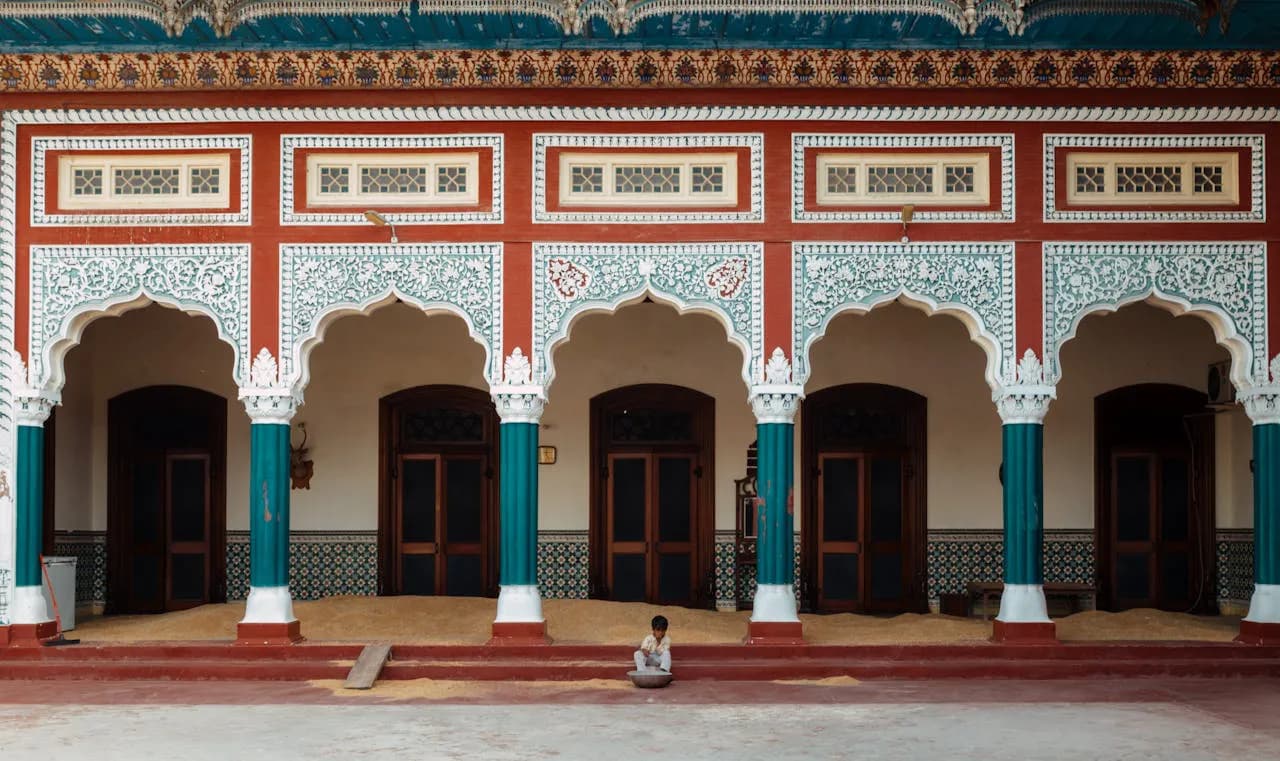
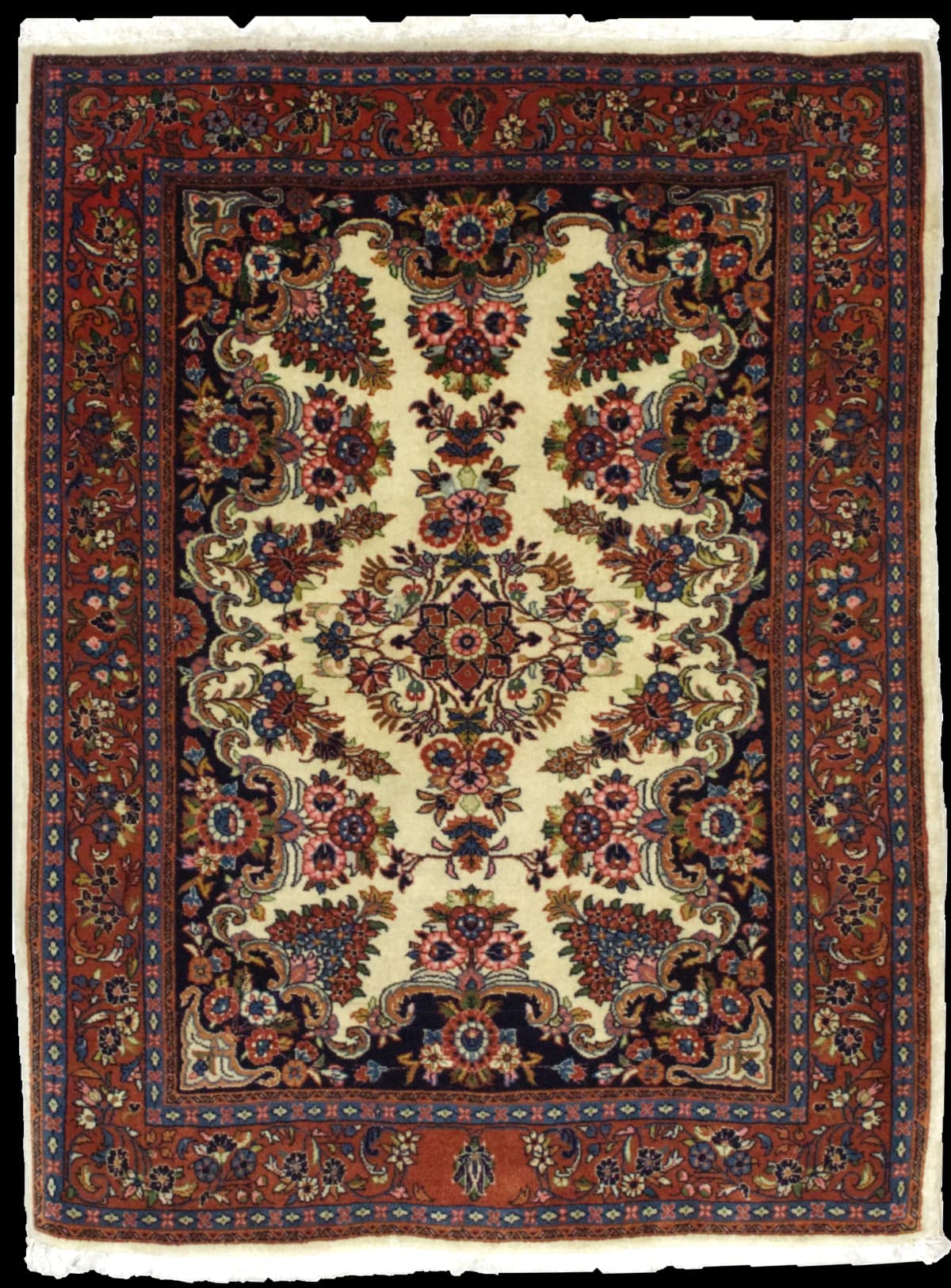
Pakistani rugs are a young industry with old roots. Serious workshop weaving took hold in the country in the second half of the twentieth century, and its defining wave came in the 1970s, when embargoes cut Iranian weaving off from Western buyers. Experienced workshop owners moved to Pakistan, bringing their design archives and production skill with them, trained local weavers, and set the industry's course: classical Turkish and Persian patterns, woven to disciplined workshop standards.
The defining material is woolSee in the carpet dictionary from the highlands of Ghazni in neighboring Afghanistan — thick, high-altitude fleece rich in lanolinSee in the carpet dictionary, usually spun by hand. It takes dye deeply, carries a natural luster, and wears into the soft, almost silky surface these rugs are known for, with New Zealand woolSee in the carpet dictionary appearing alongside it in the better grades. The pileSee in the carpet dictionary sits on a cotton foundation, tied predominantly in the asymmetric Persian knotSee in the carpet dictionary, at densities typically between 100 and 300 knots per square inchSee in the carpet dictionary.
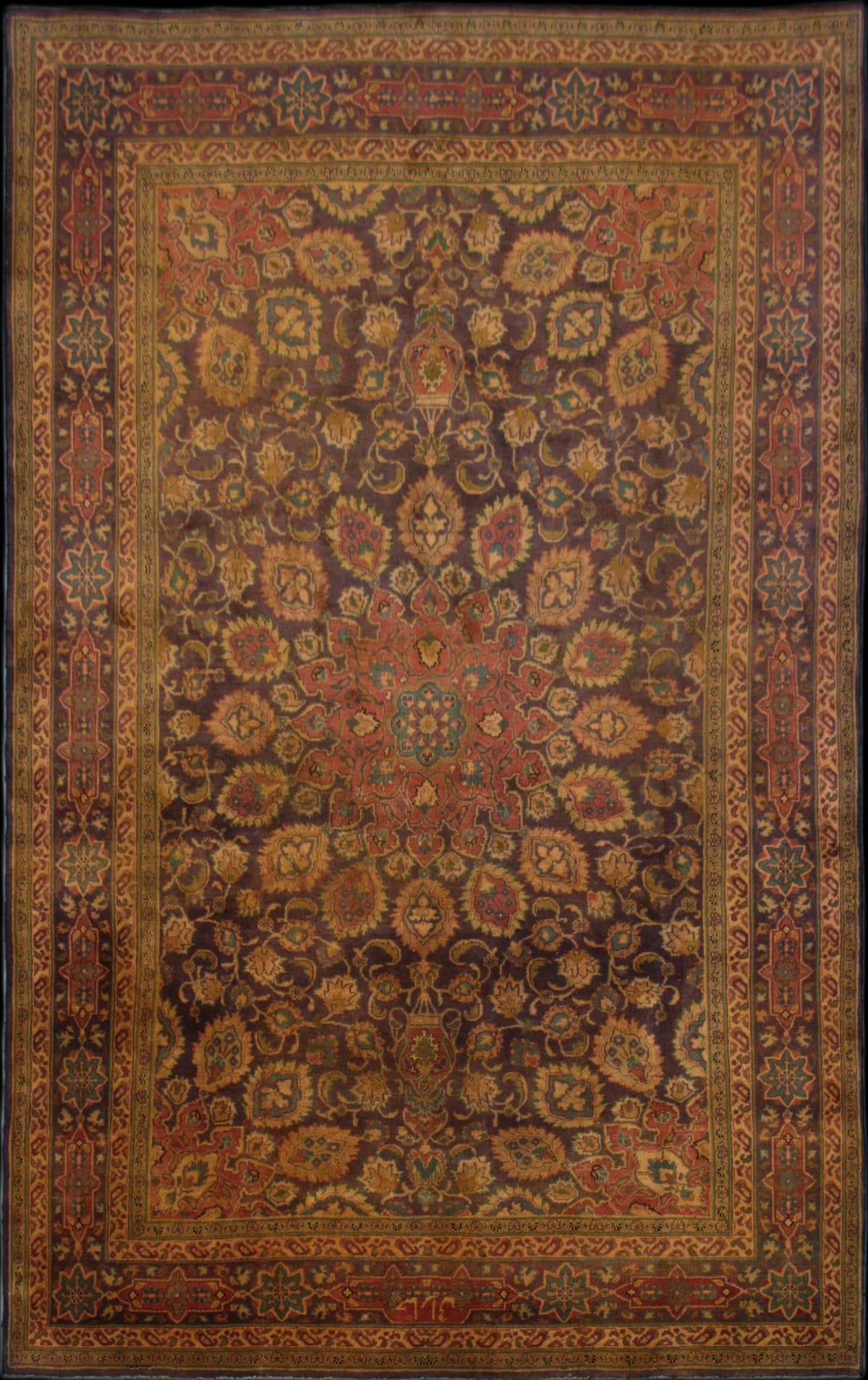
The best-known face of this weaving is the Peshawar style, which also trades as ChobiSee in the carpet dictionary, ZieglerSee in the carpet dictionary or Farahan depending on design and knot count. These rugs look antique but are newly made, and the antique finish is deliberate: the wool is colored with natural dyes, so the palette starts darker, and the finished rug is then stone-washed and set out in strong sunlight until the colors soften. The pile is clipped short in the same spirit. Underneath the treatment they remain thoroughly durable rugs.
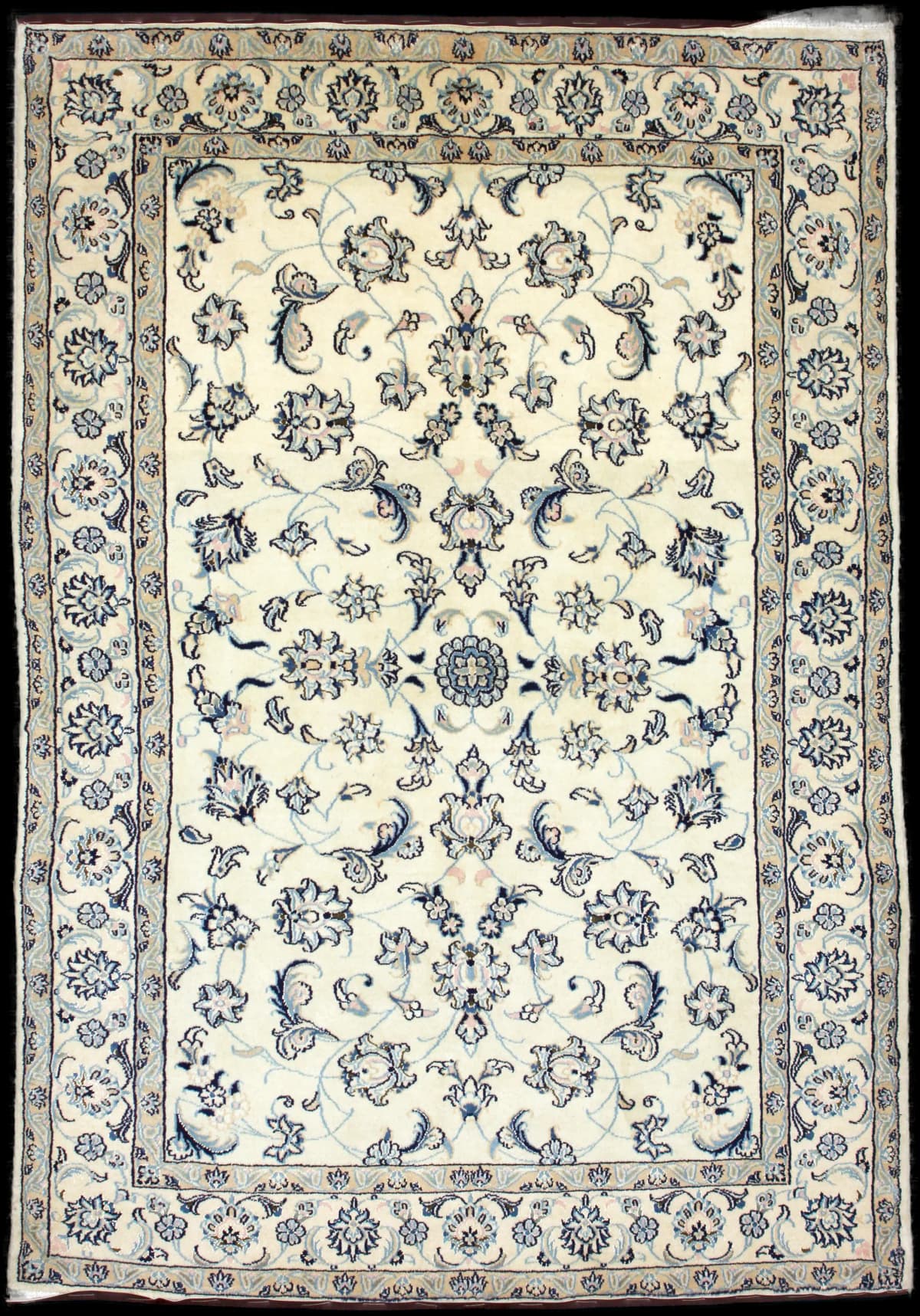
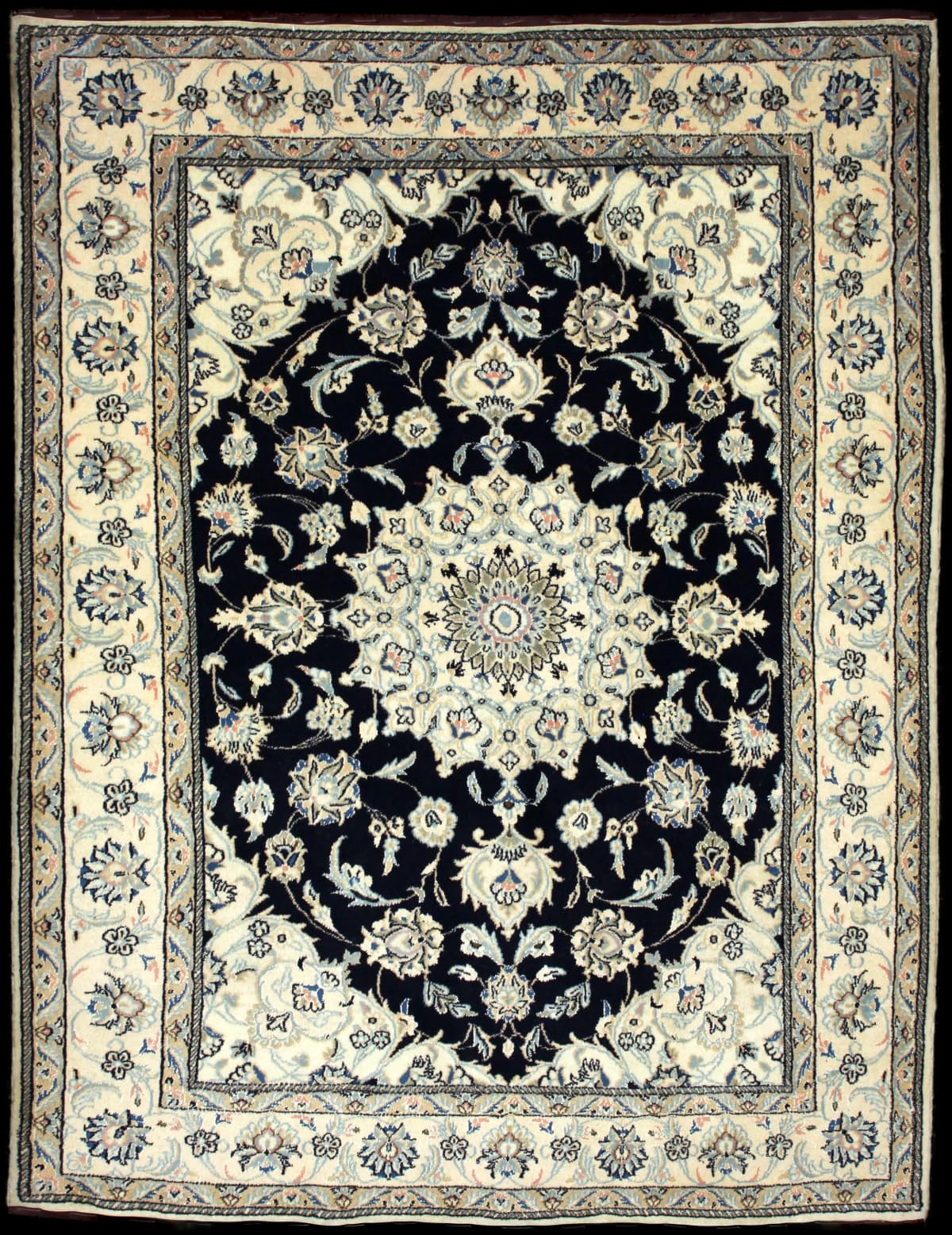
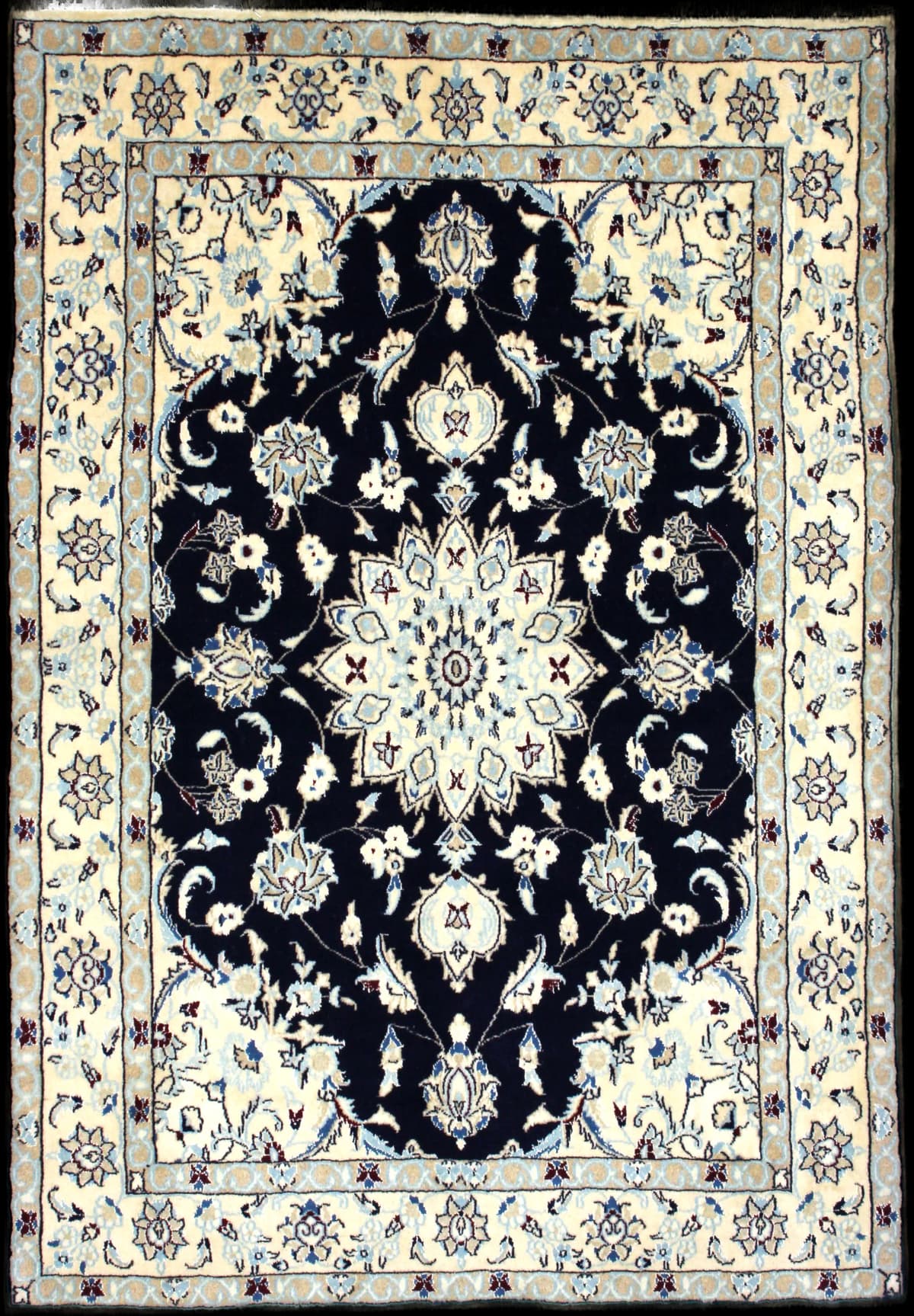
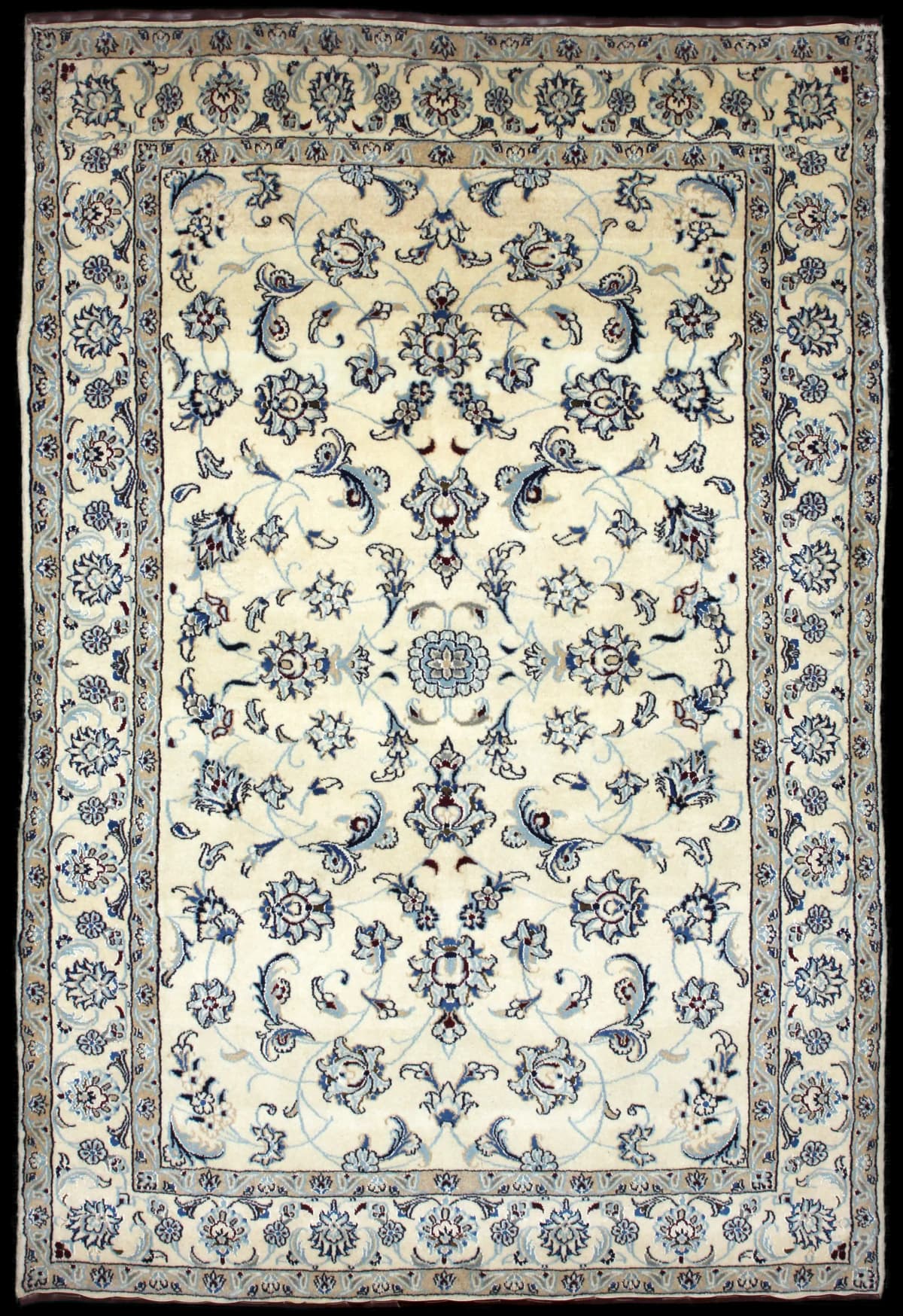
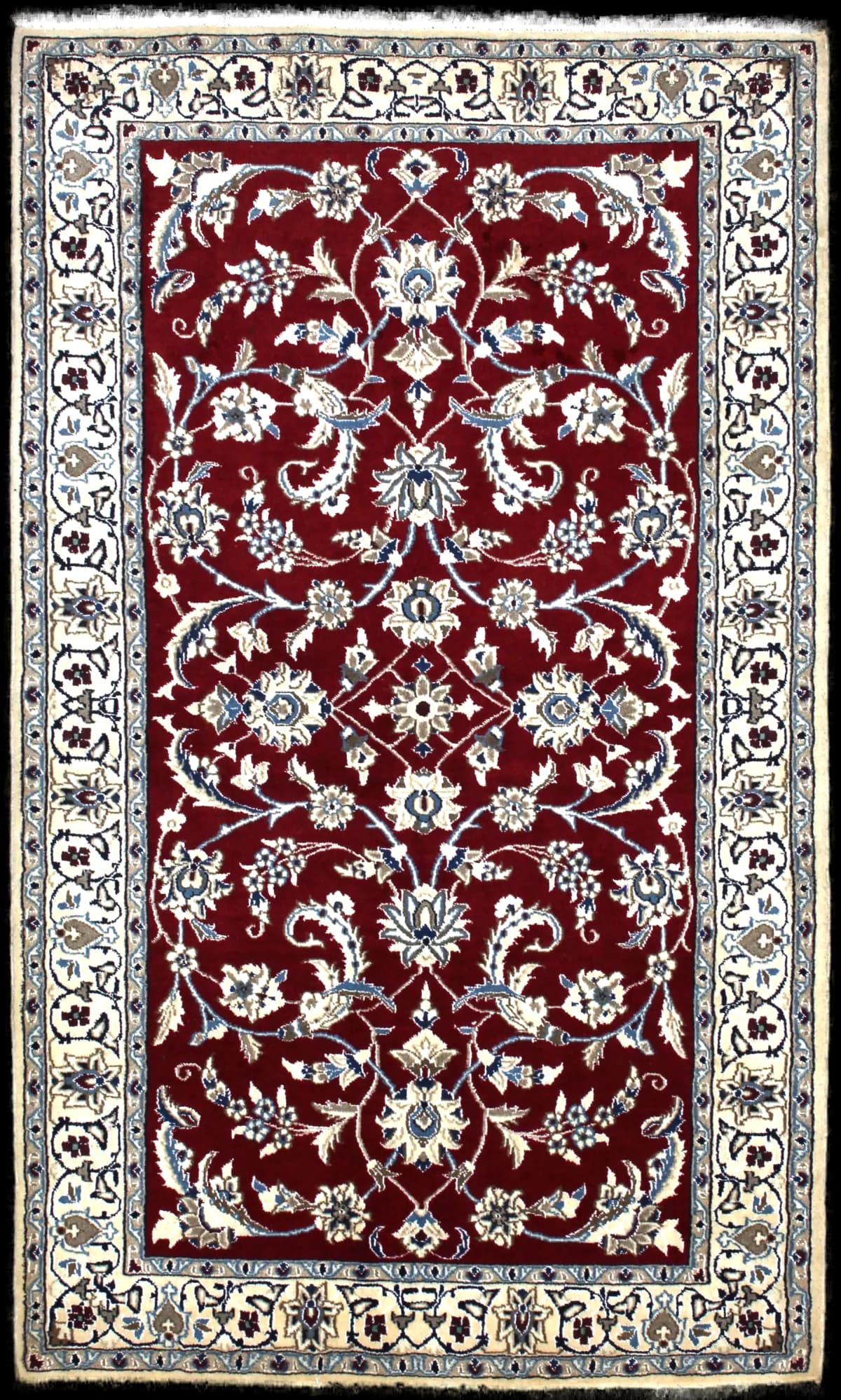
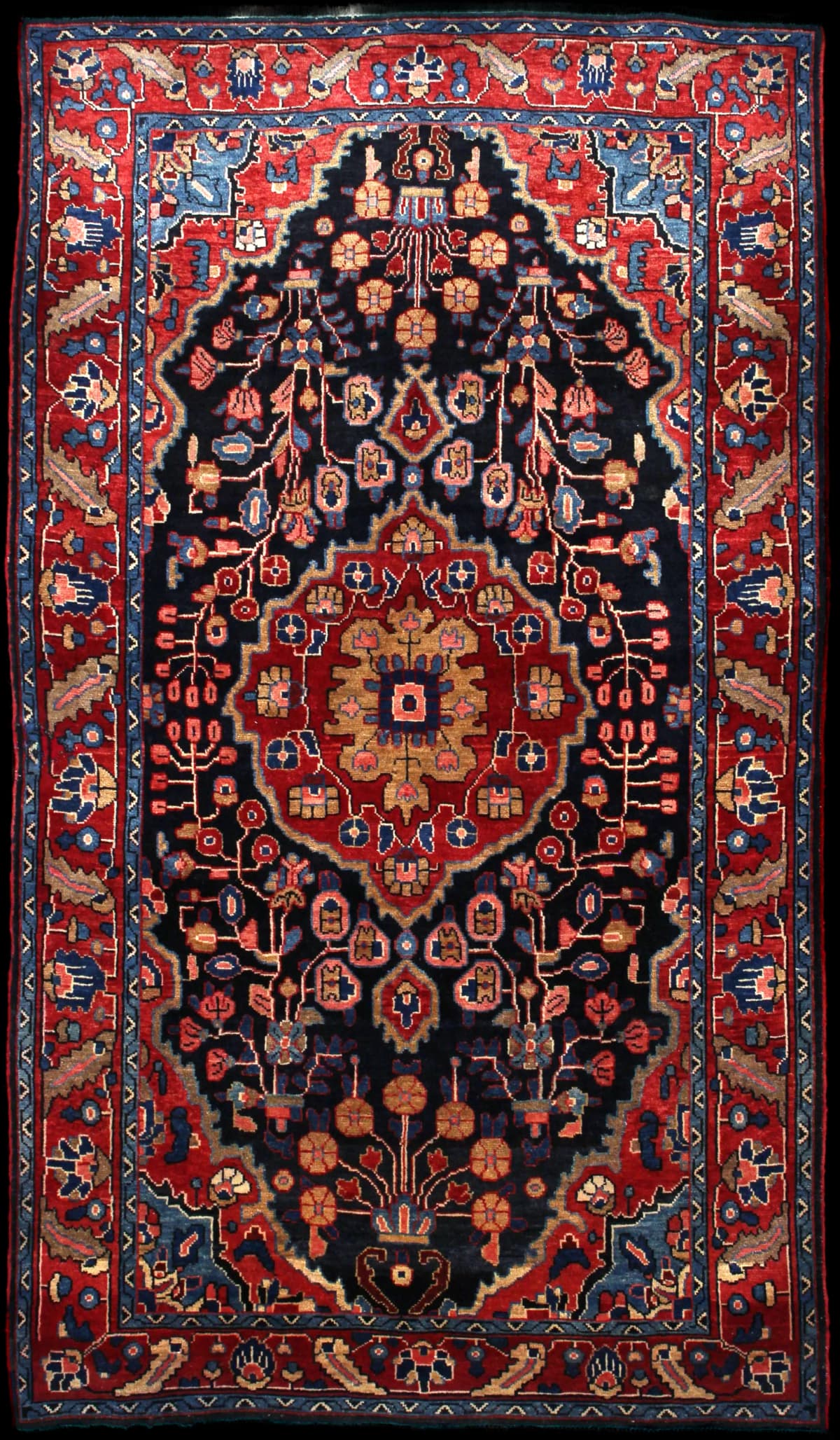
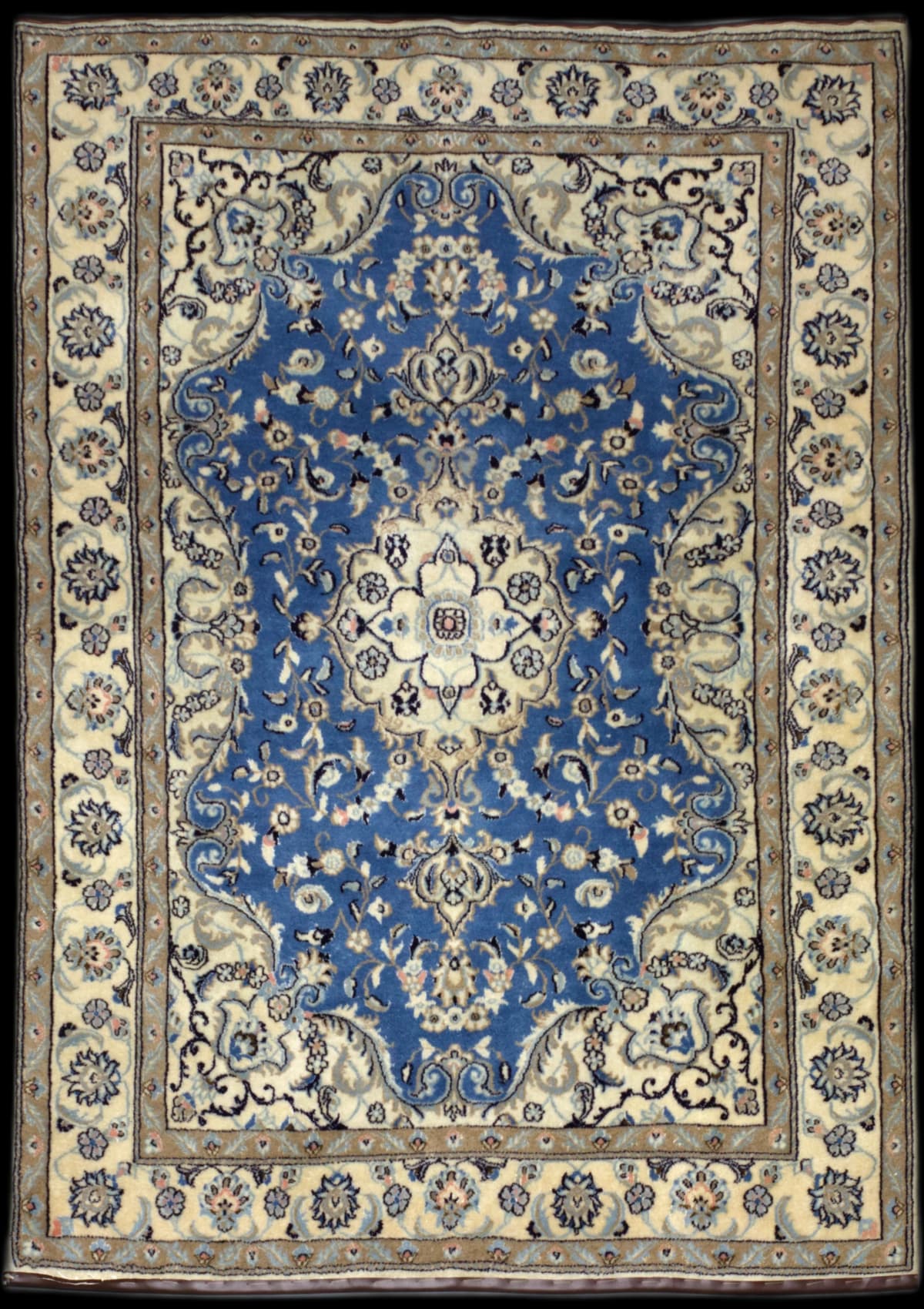
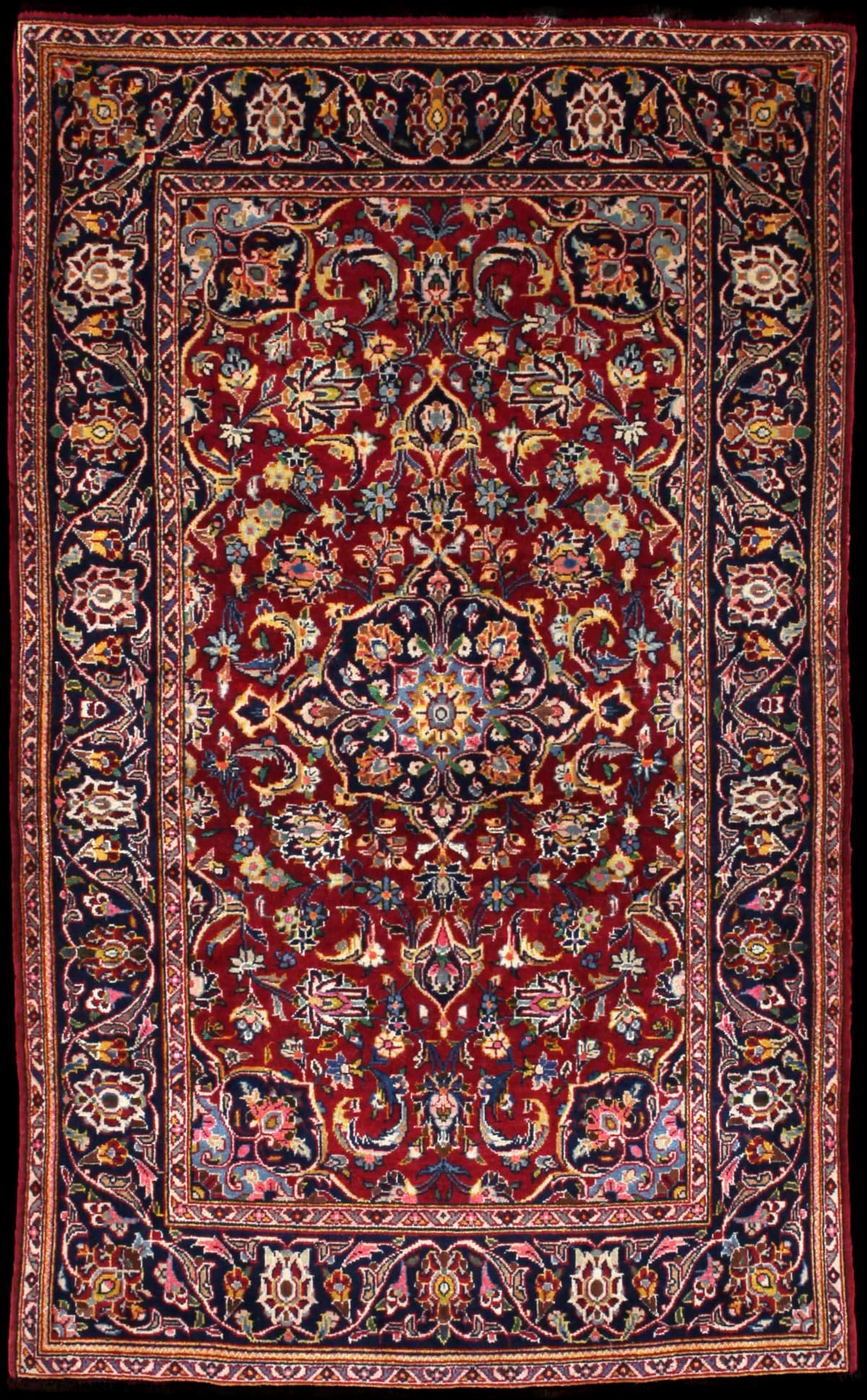
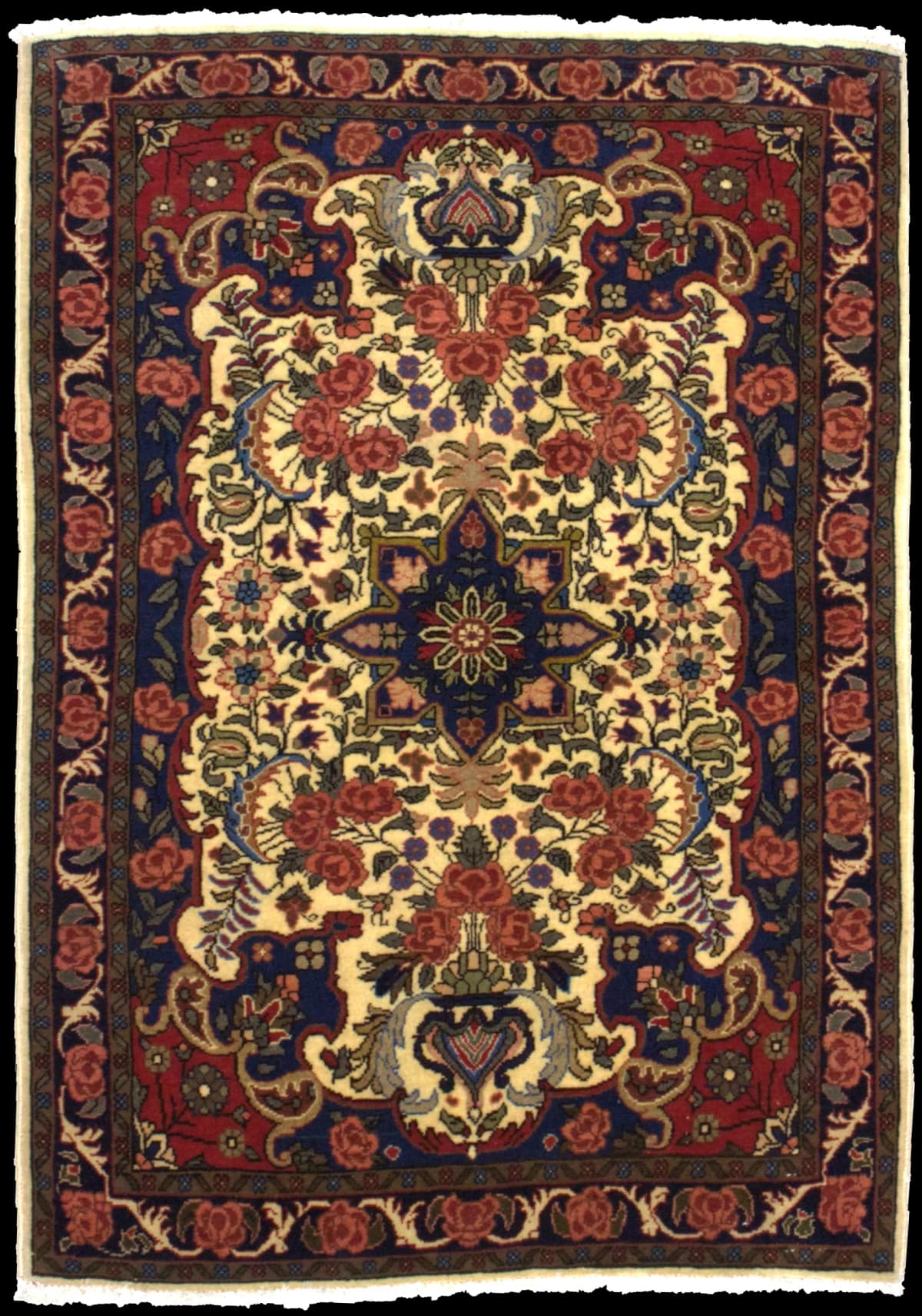
Designs keep to the classical repertoire: elegant, often slightly simplified renderings of Persian patterns such as Mahal, SultanabadSee in the carpet dictionary and Ziegler, laid out in spacious, refined compositions. Floral and traditional drawing dominates, and tribal or village designs are rare here. The other Pakistani staple is the BokharaSee in the carpet dictionary pattern — rows of octagonal gulSee in the carpet dictionary medallions, usually on a deep red ground — woven with the same precision.
Color is chosen deliberately. The workshops employ designers who set palettes to the taste of the moment and of the destination market, so classic pieces carry rich reds, deep blues and warm burgundies, while newer weavings favor subtle earth tones and neutral schemes. Several shades of one color often run through a single rug to deepen the aged effect, and the natural dyes produce gentle abrashSee in the carpet dictionary — subtle variations in color that add depth and character.
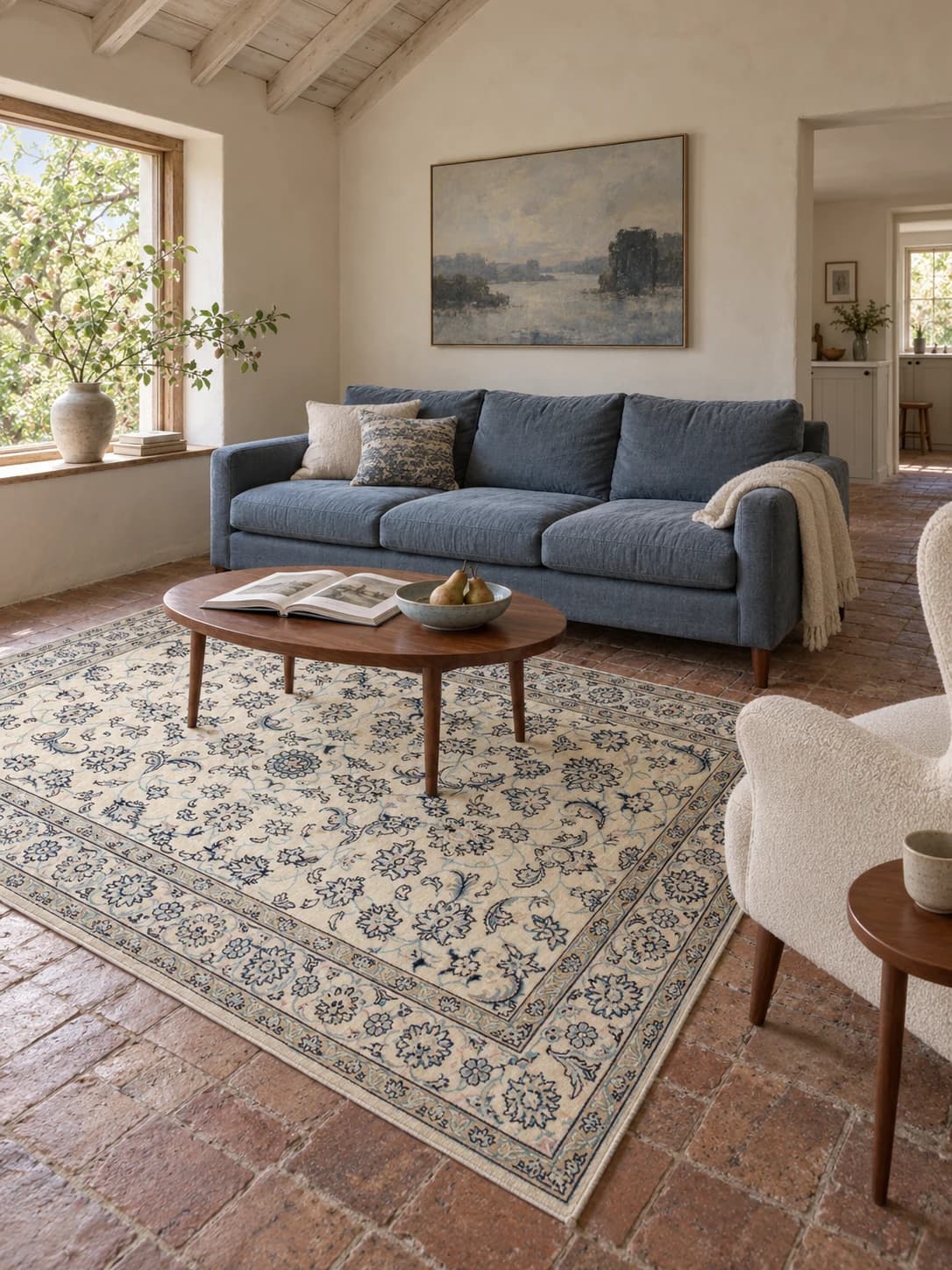
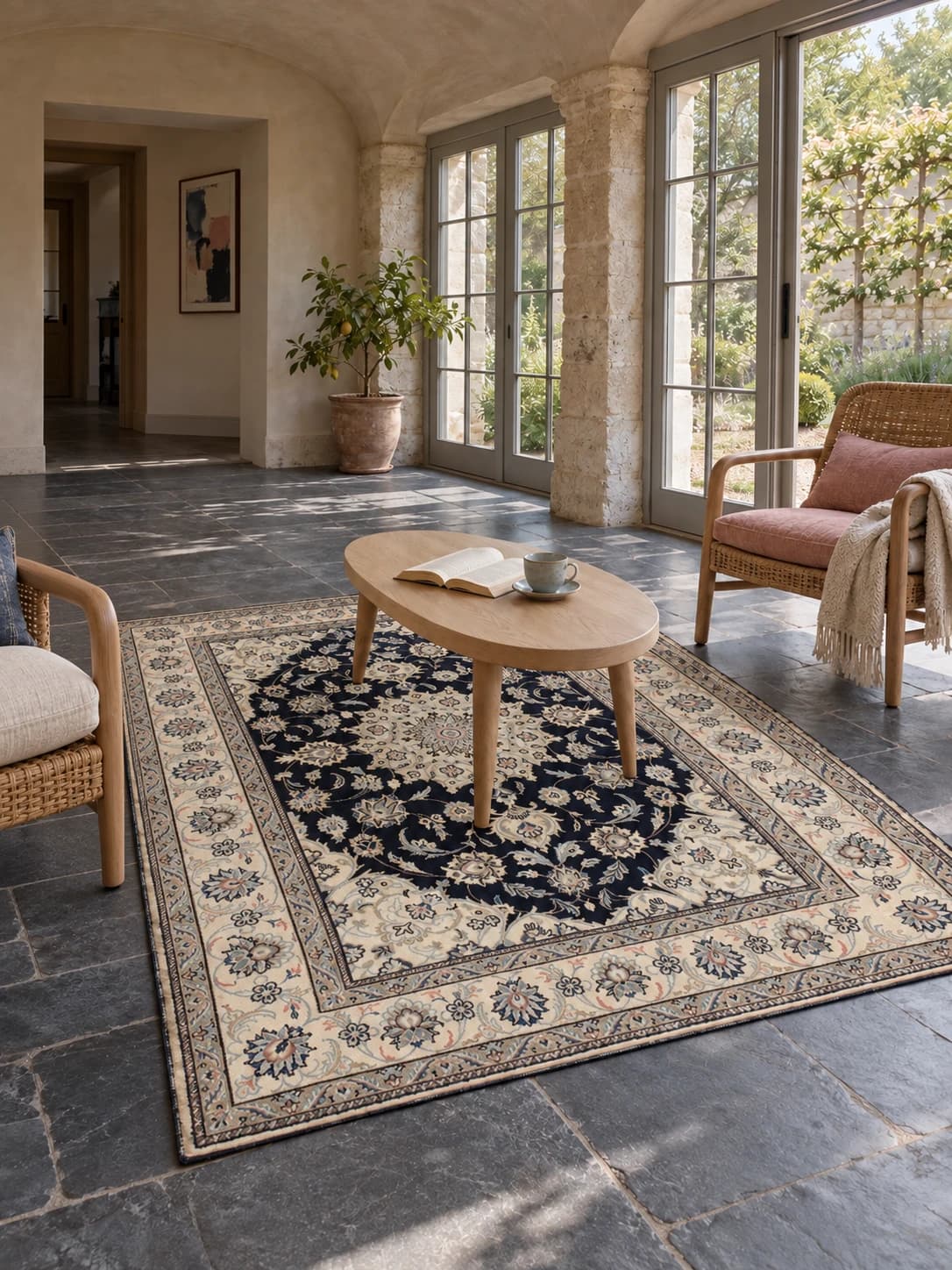
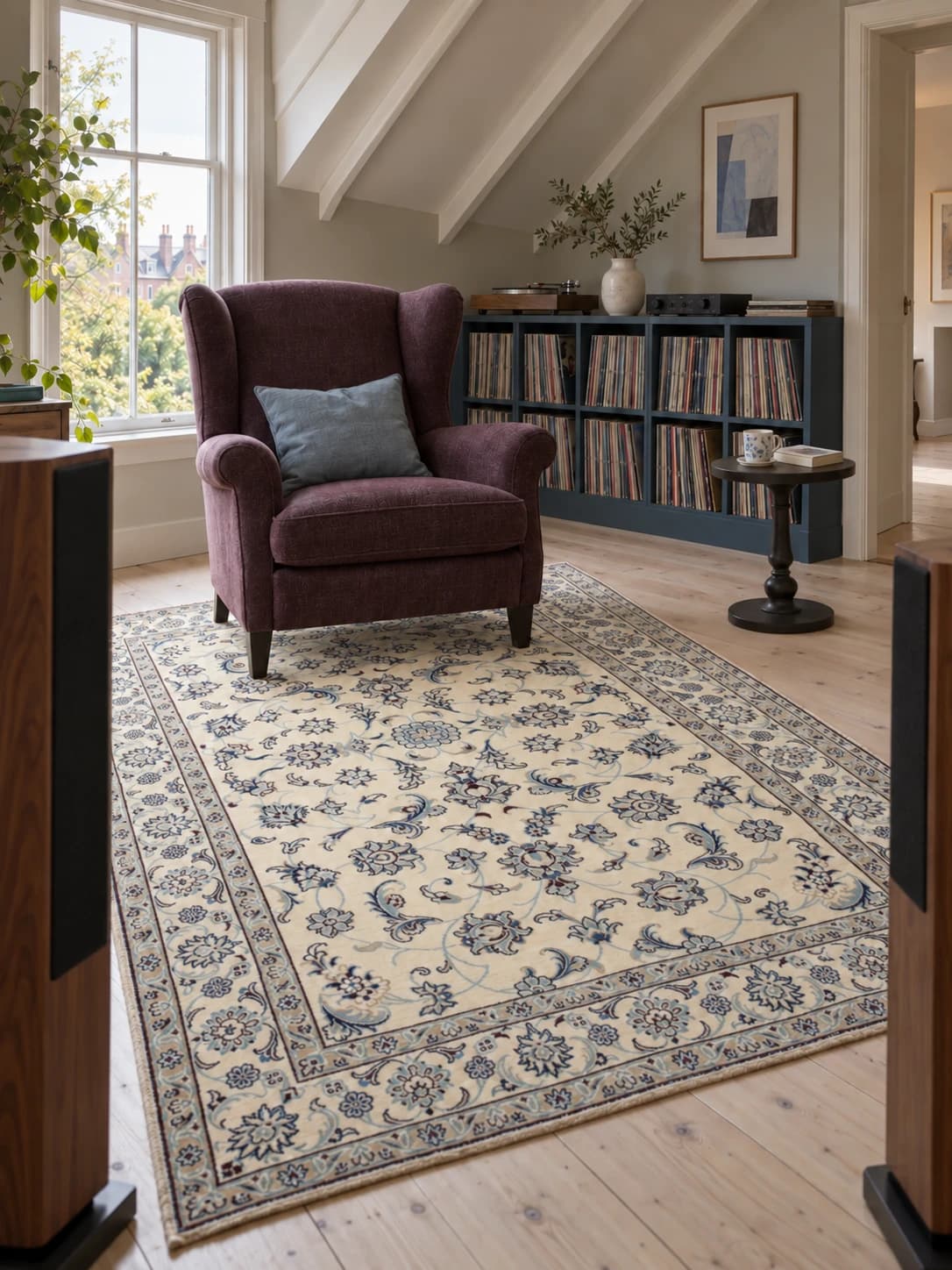
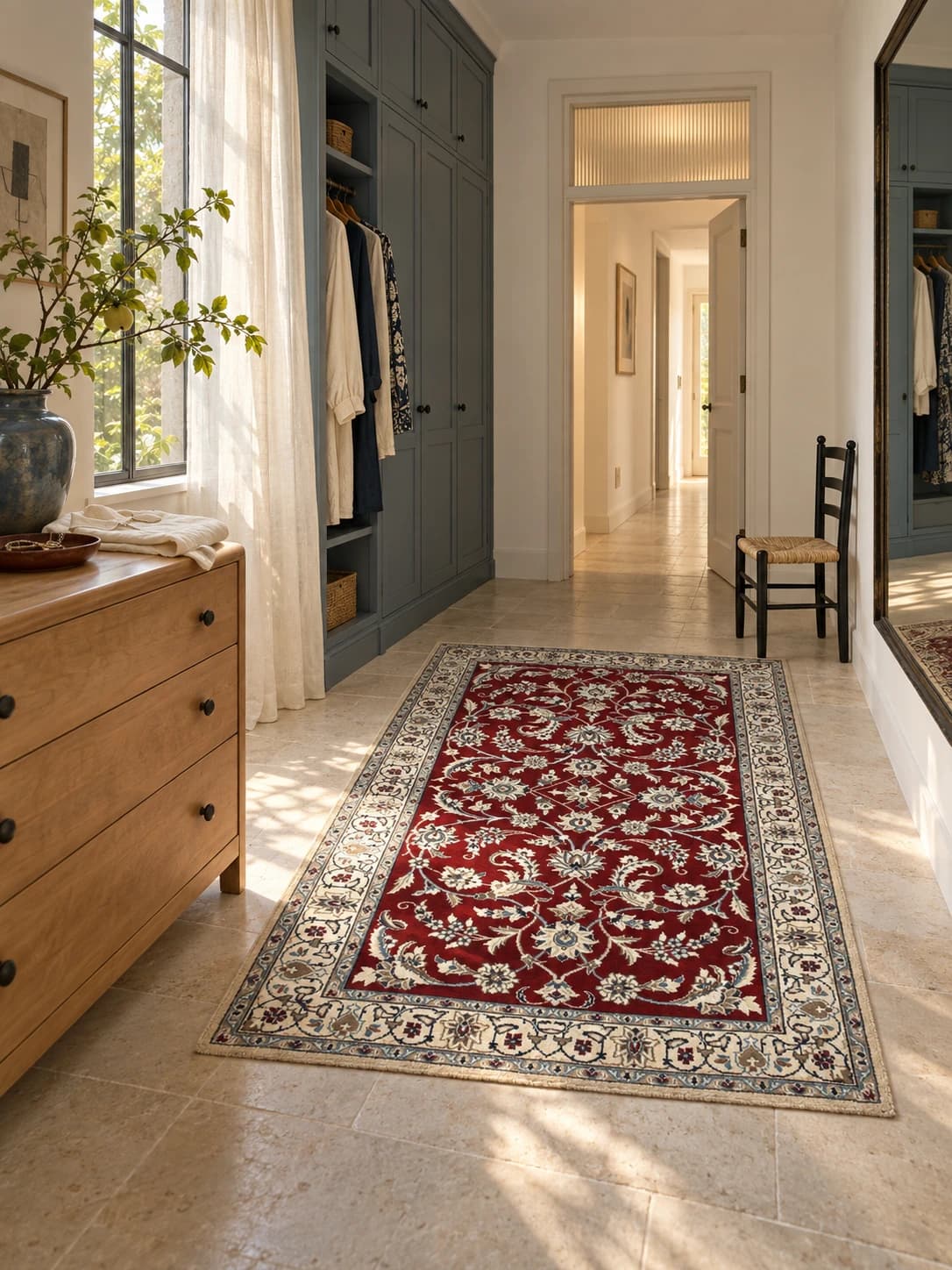
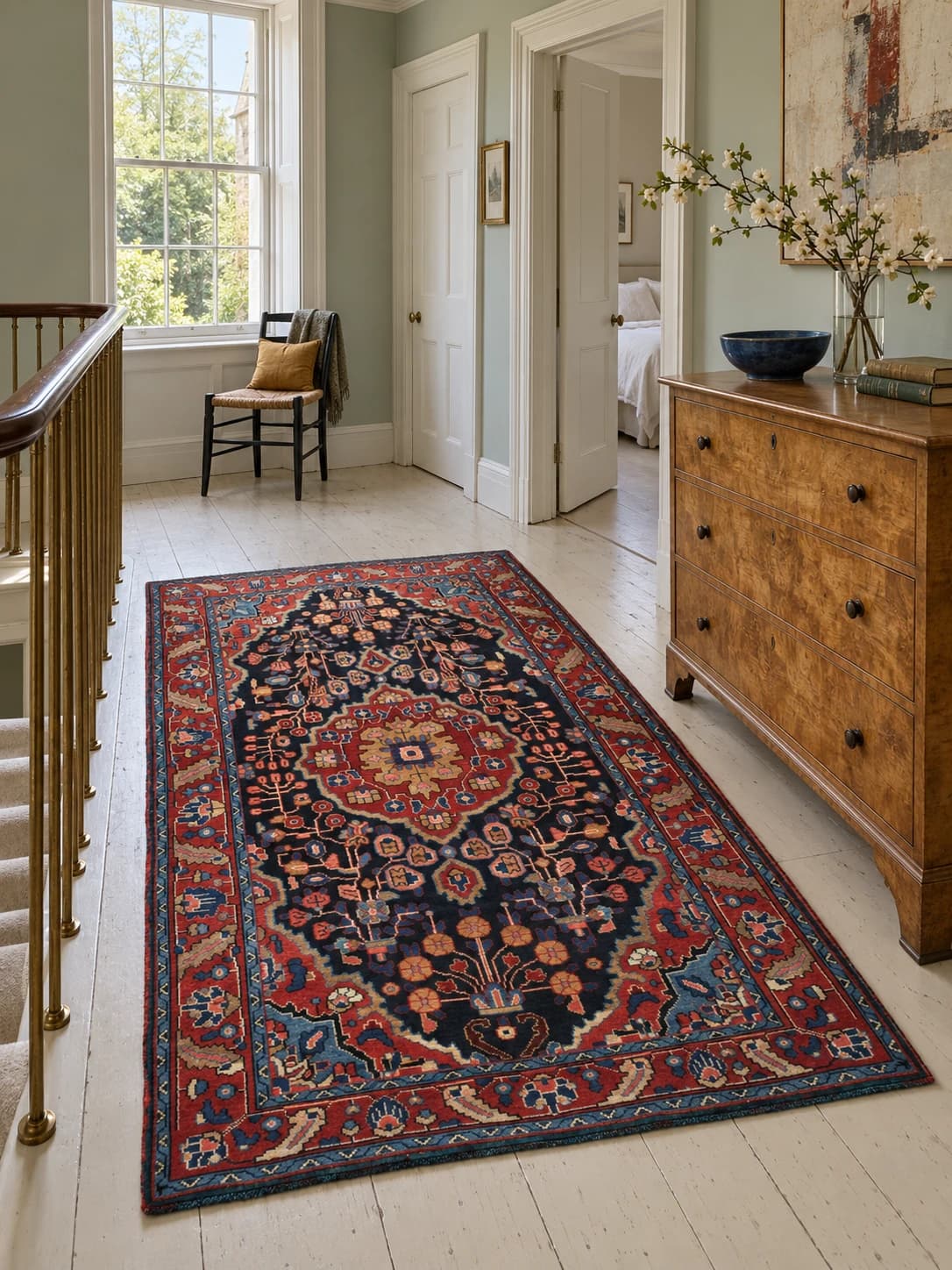
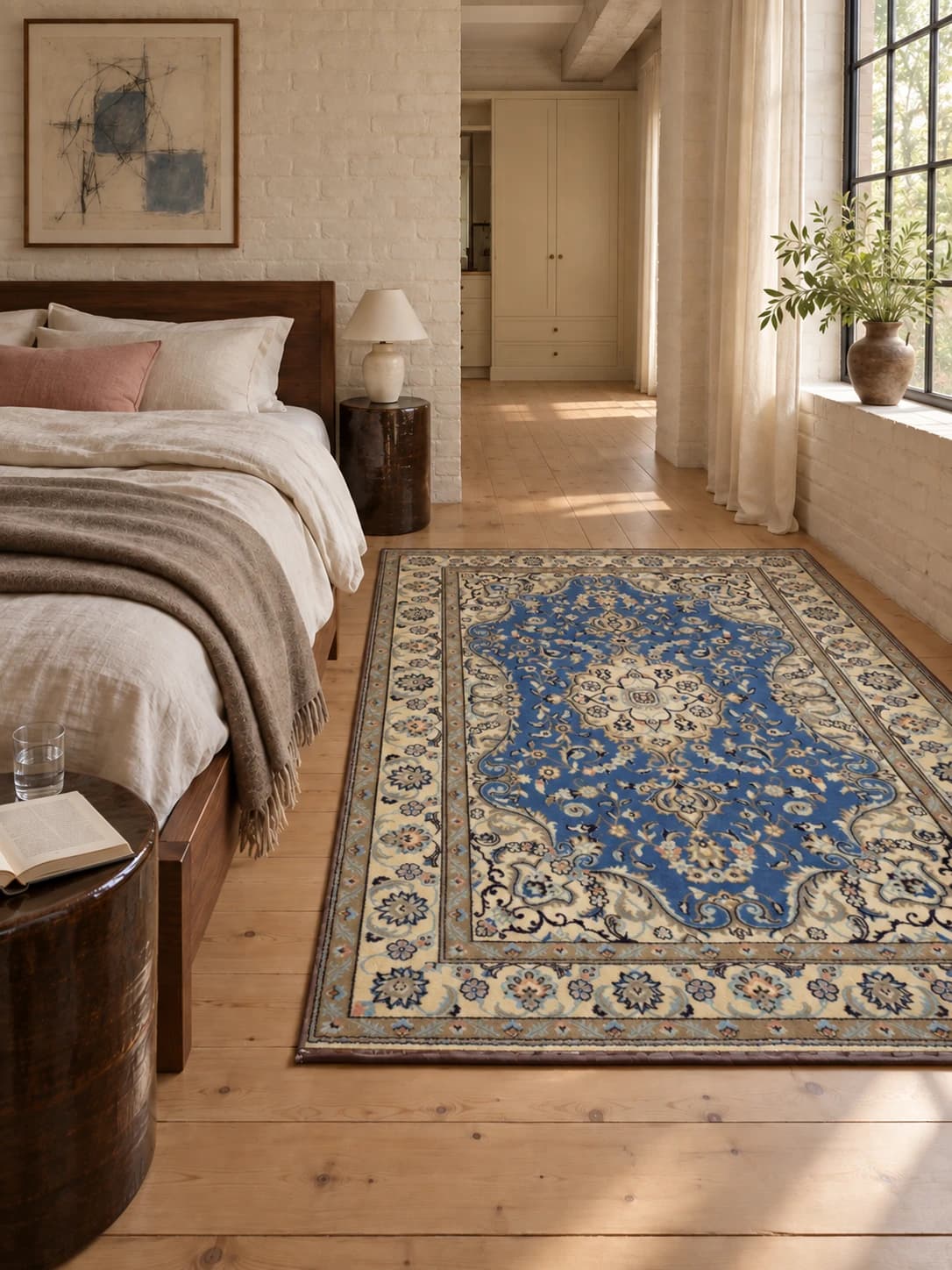
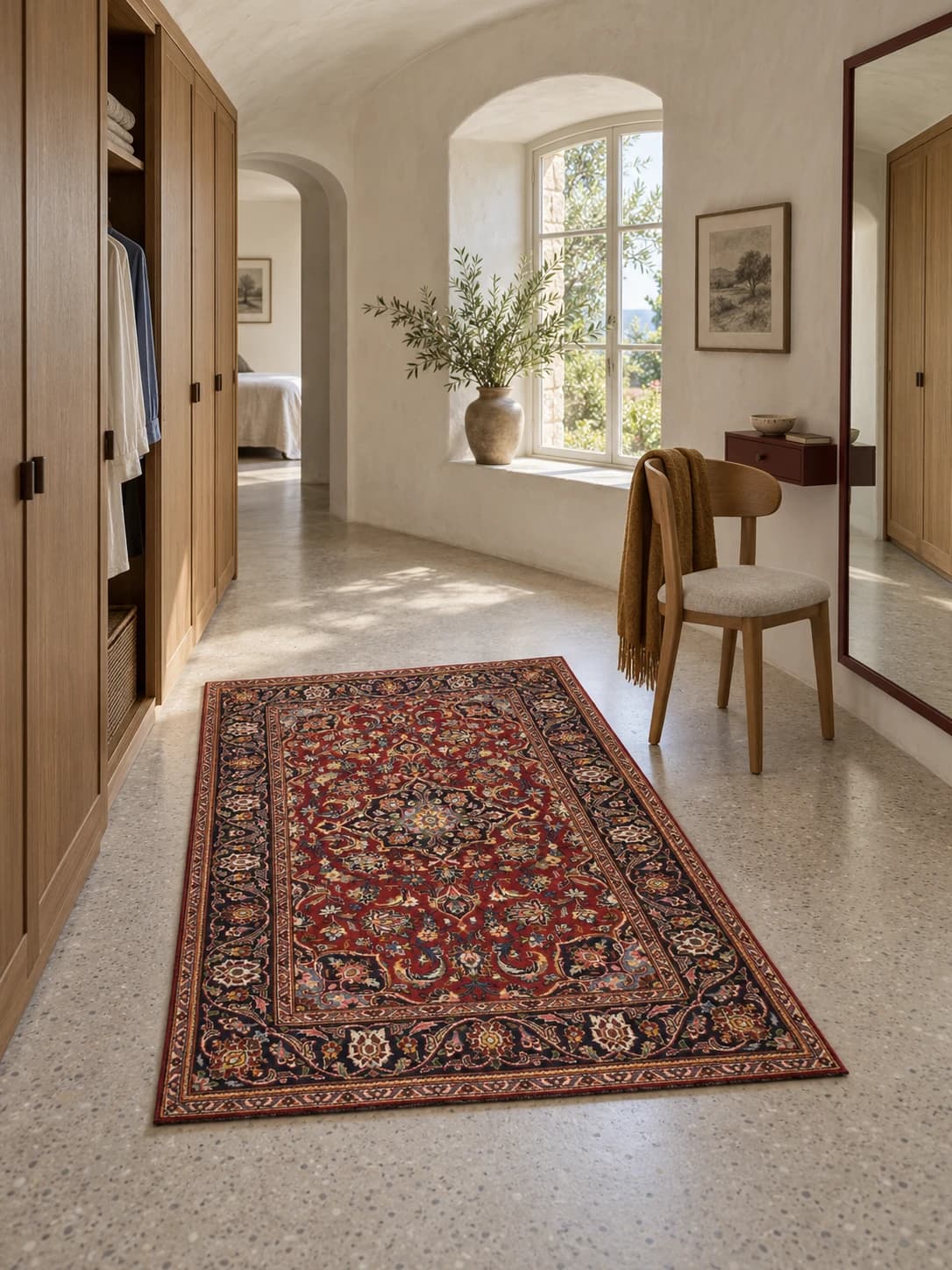
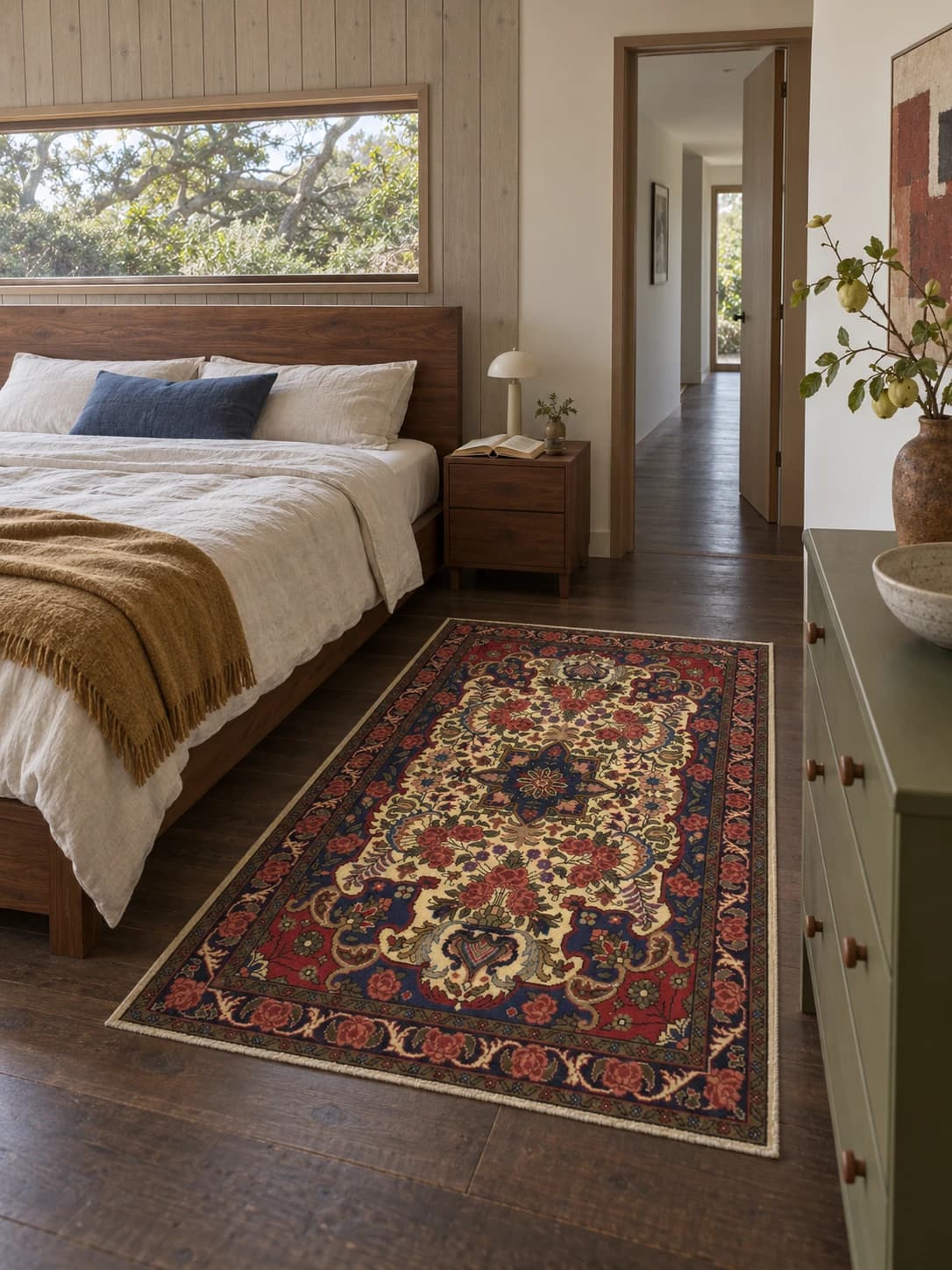
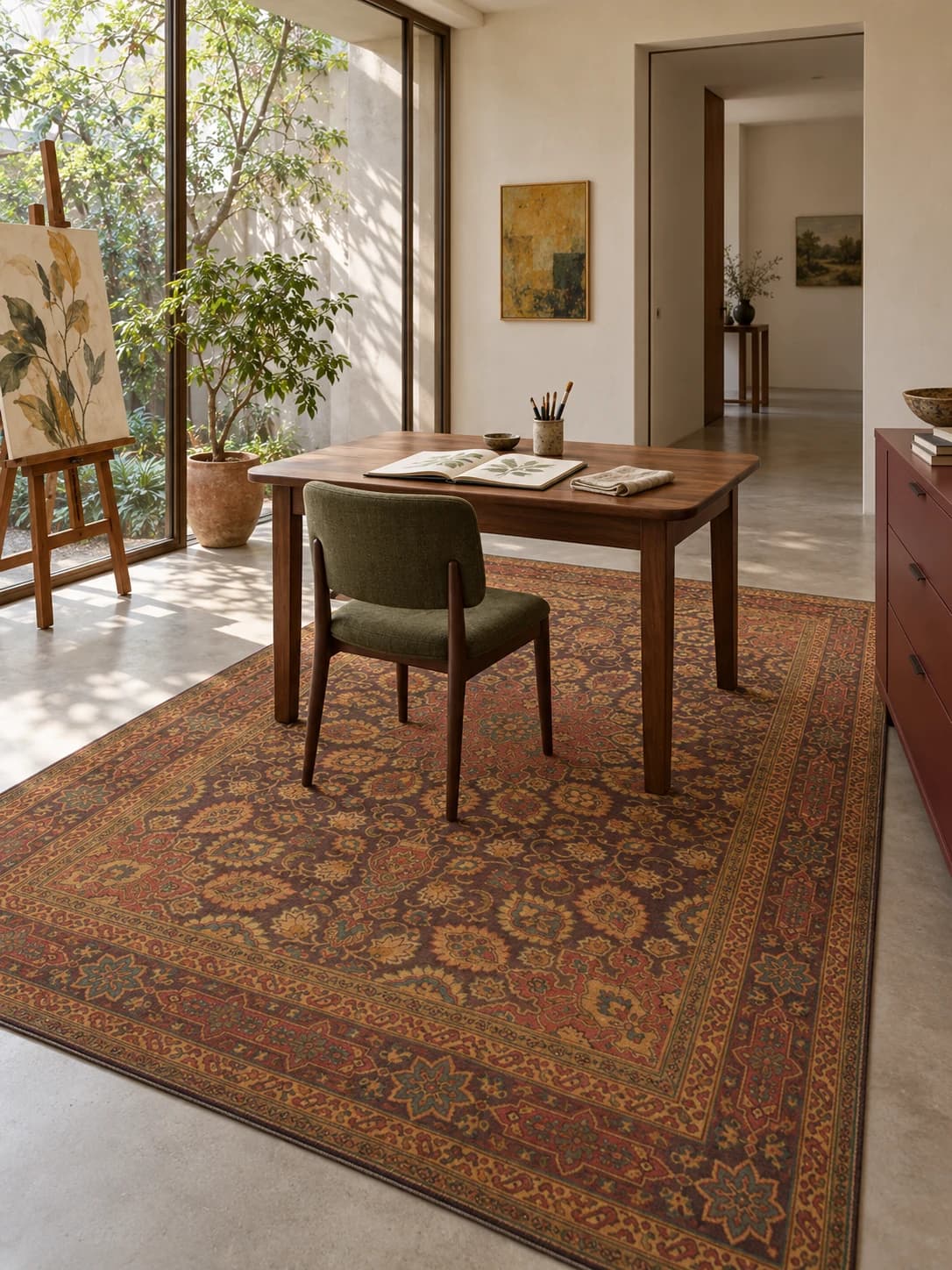
Sizes span the full workshop range, from compact pieces around 90x150 cm to carpets of more than 350x550 cm, so the style exists for most rooms and formats.
Modern Pakistani production moves easily between faithful renderings of antique designs and contemporary reinterpretations. That ability to balance tradition with adaptation is what established Pakistan as a leading force in current hand-knottedSee in the carpet dictionary rug production.
These rugs offer honest value: the look and the hand-knotted construction of high-end Persian carpets at more accessible price points. The combination of durable Ghazni woolSee in the carpet dictionary, careful drawing and reasonable cost appeals to first-time buyers and collectors alike.
Each Pakistani carpet is a piece of cultural synthesis, a centuries-old design tradition carried on by newer workshops. Whether chosen for its traditional elegance or its designer-friendly palette, it is a practical rug built to be walked on for decades.
Questions about this carpet?
Our family has traded carpets for two generations. Ask us anything — photos, video calls, advice on sizes.
Message us
Keep exploring
Guides from our family workshop: how to clean, place and care for hand-knotted rugs.