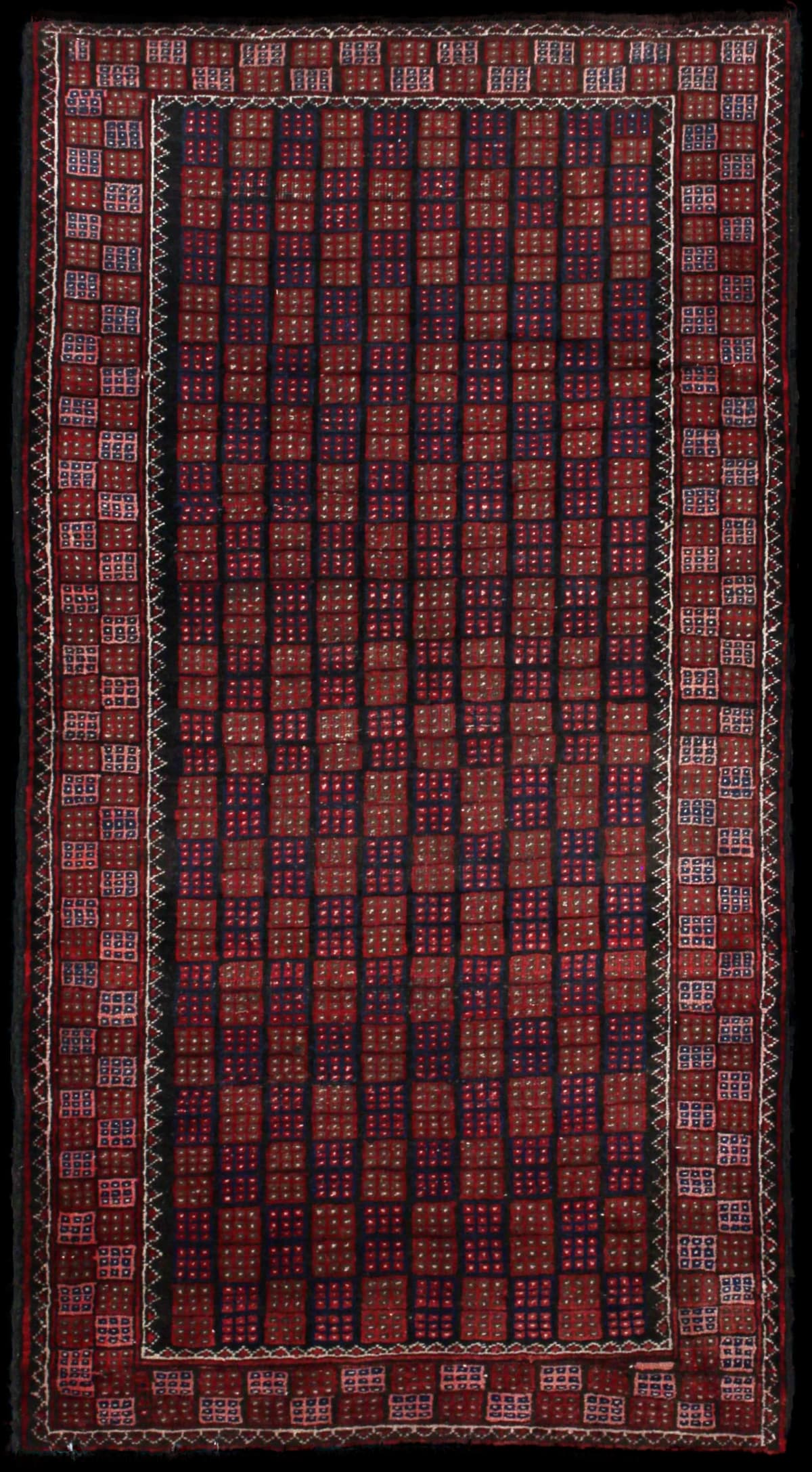
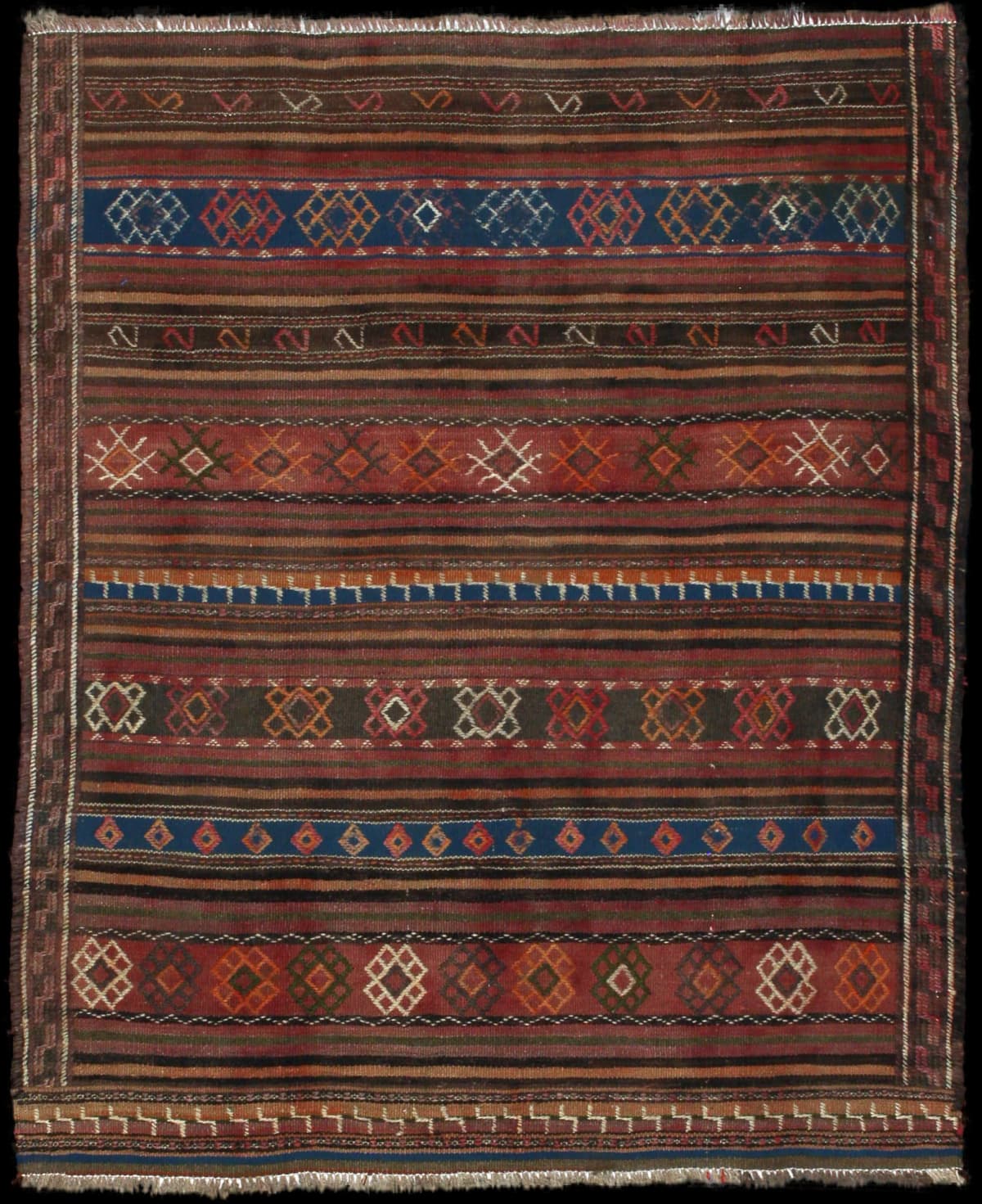
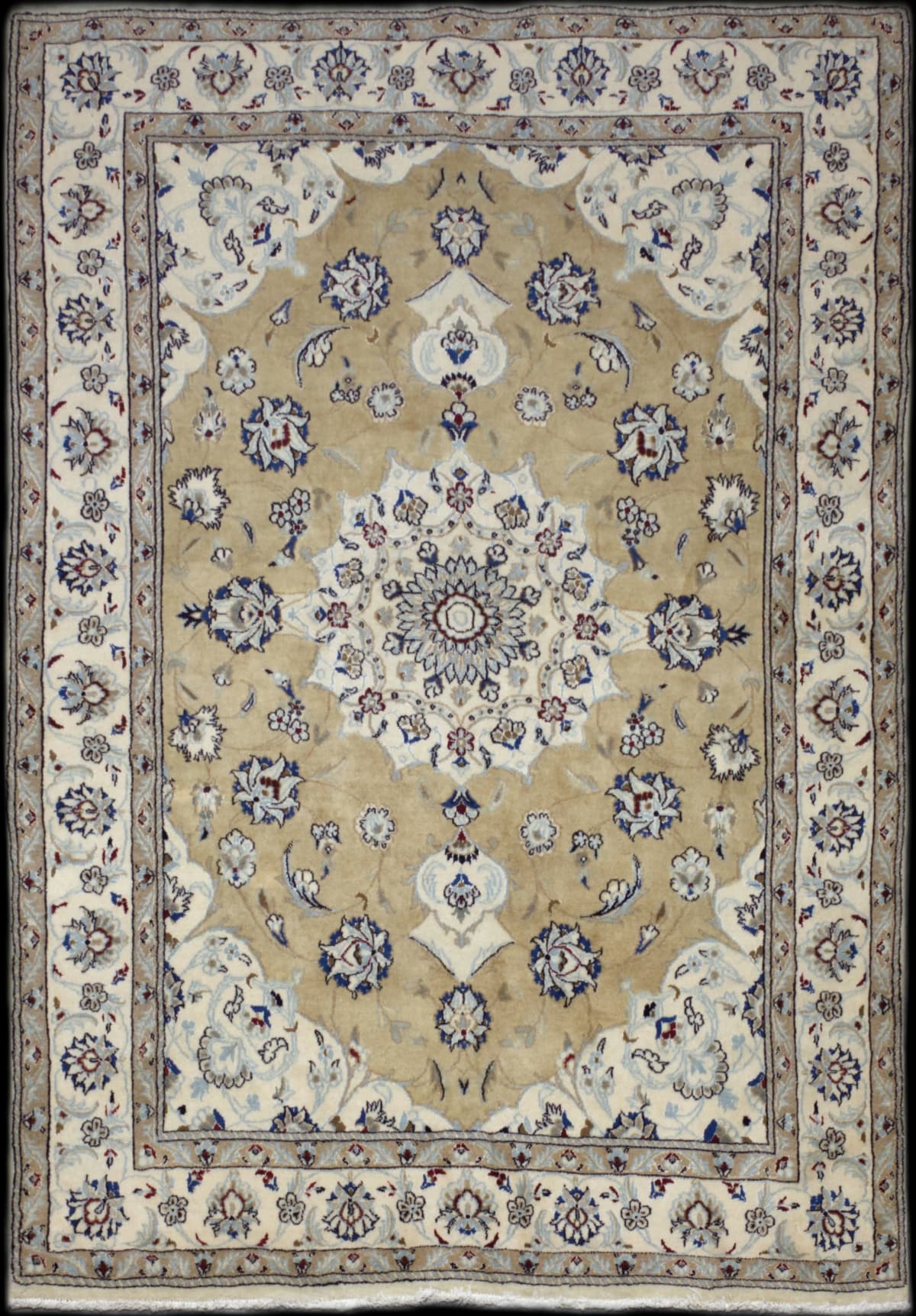
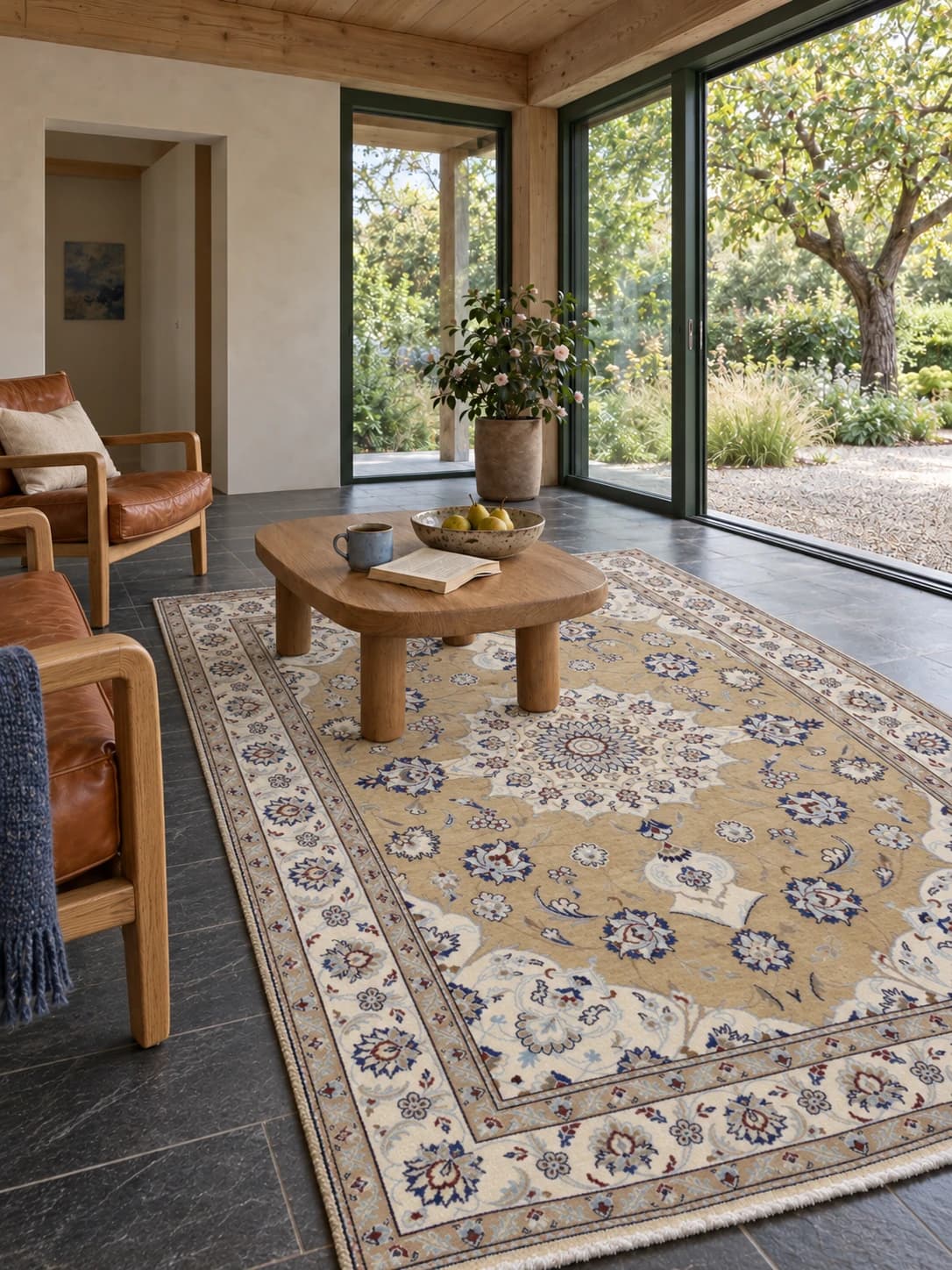
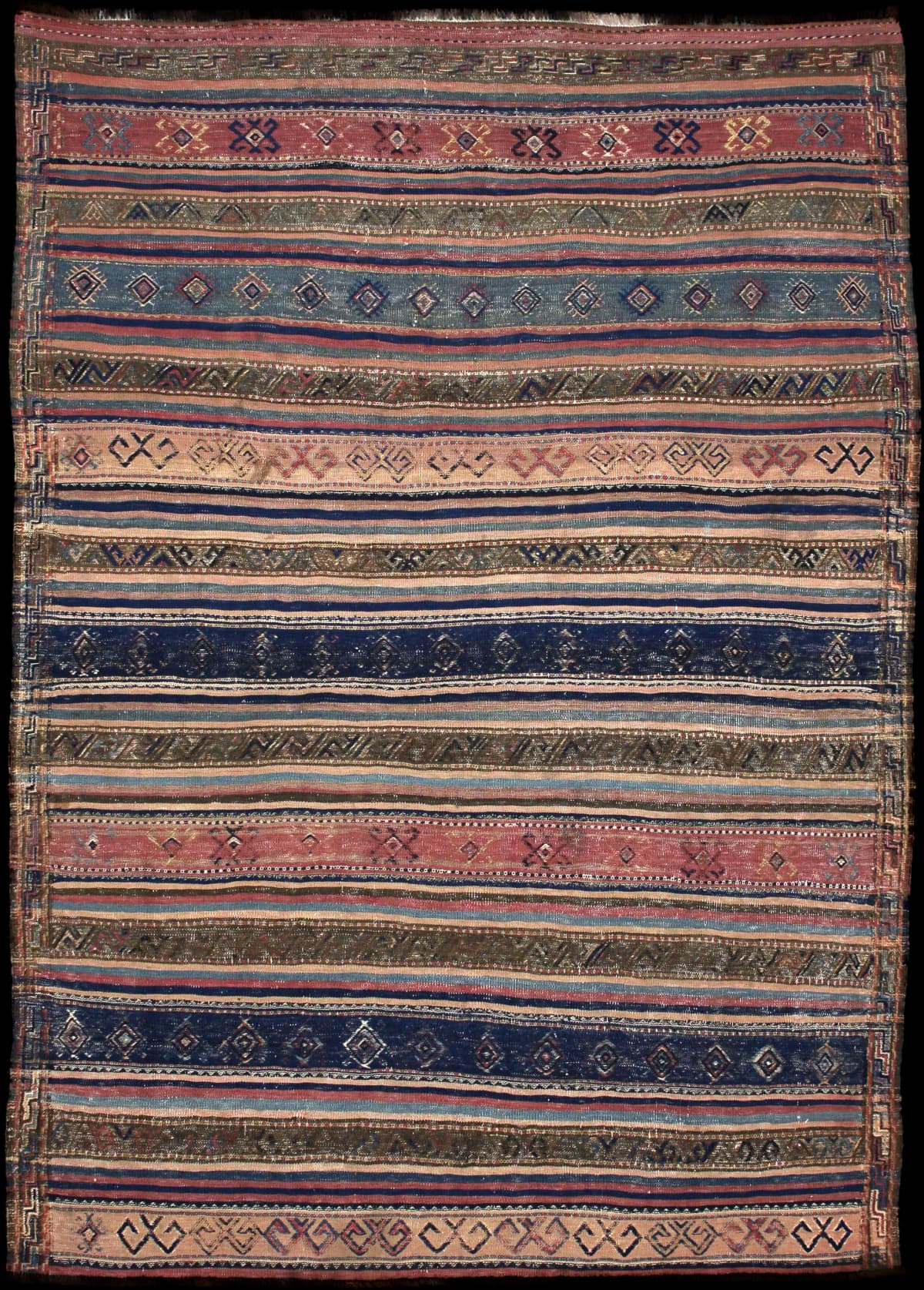
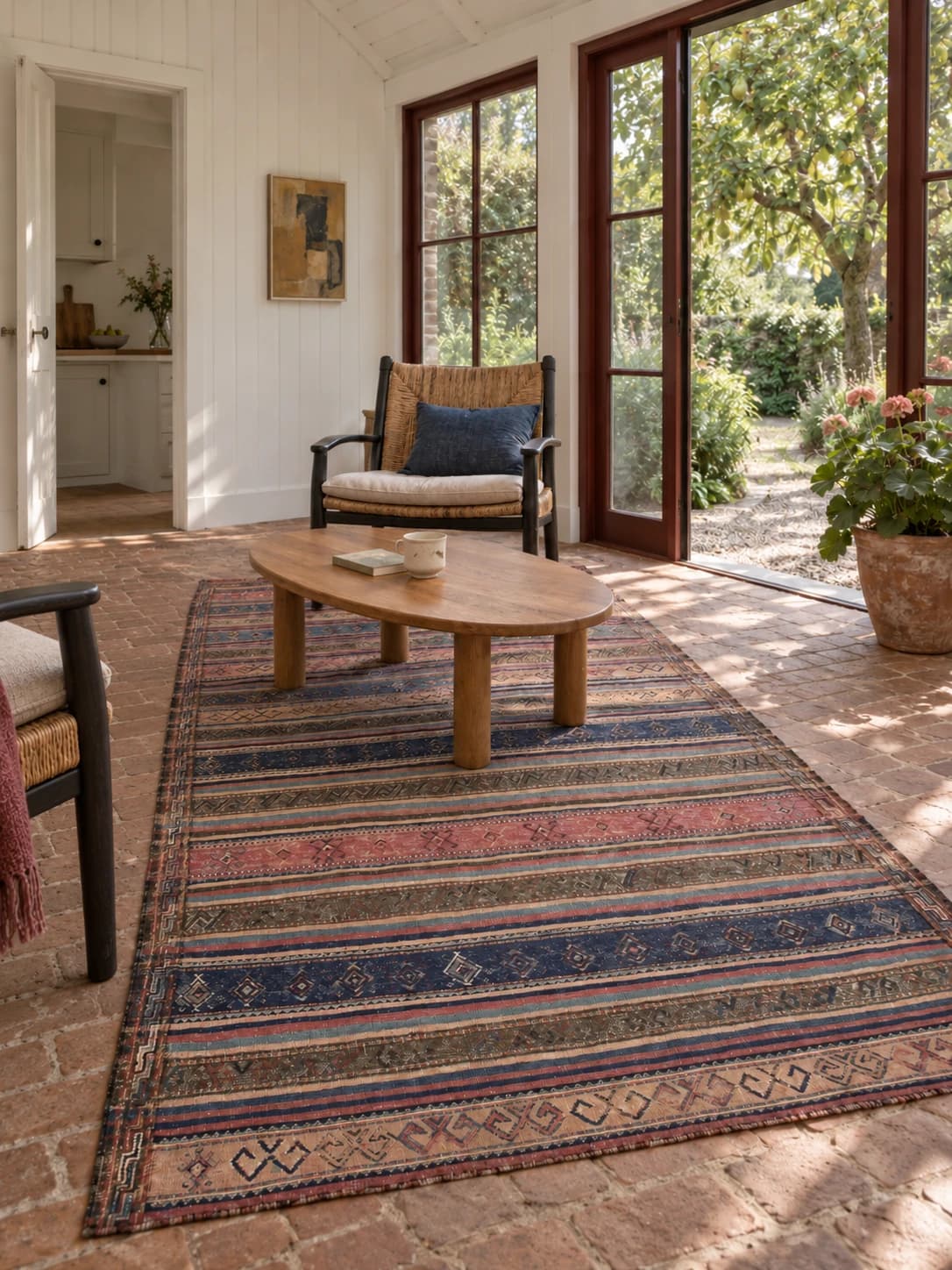
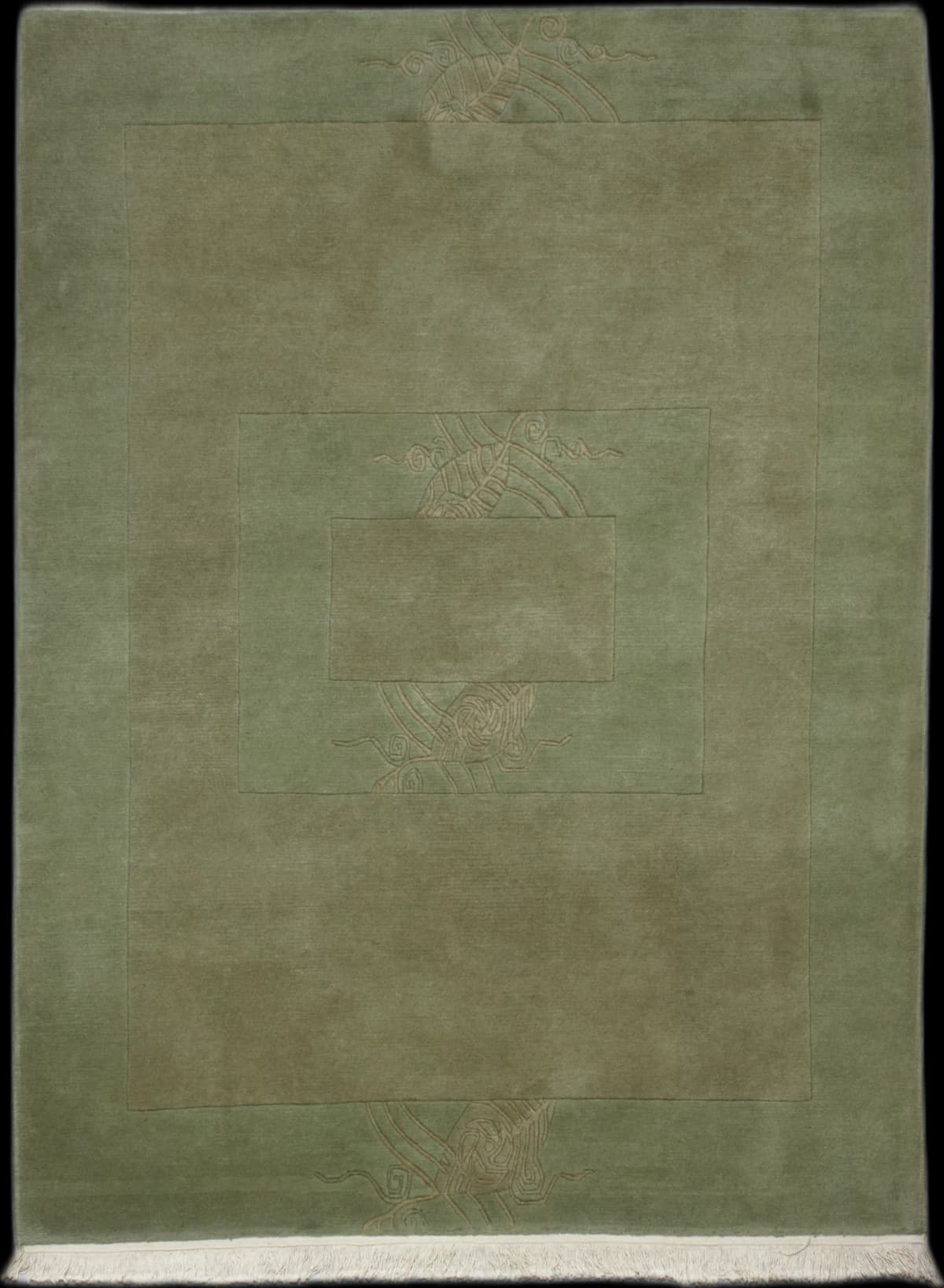
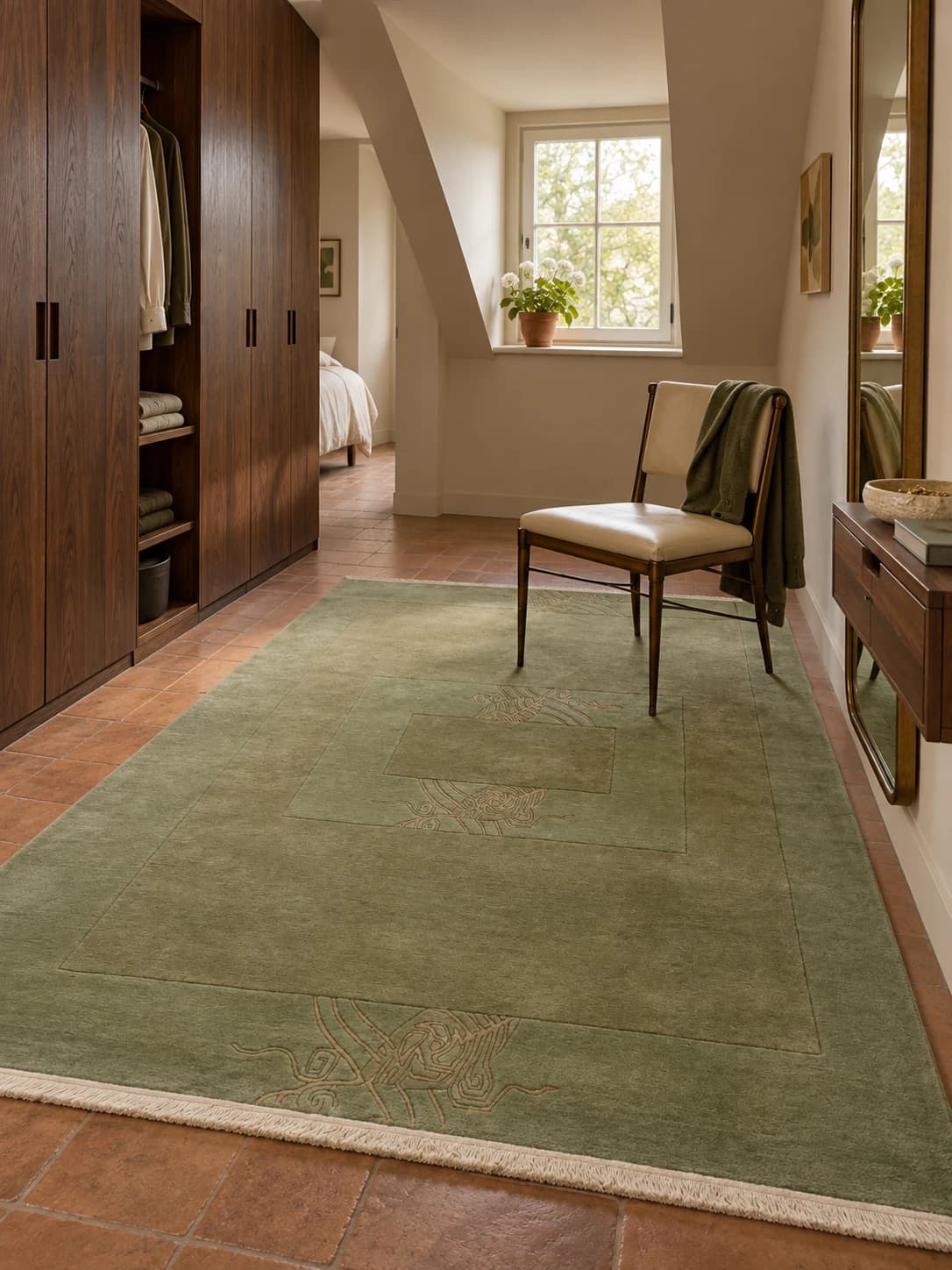
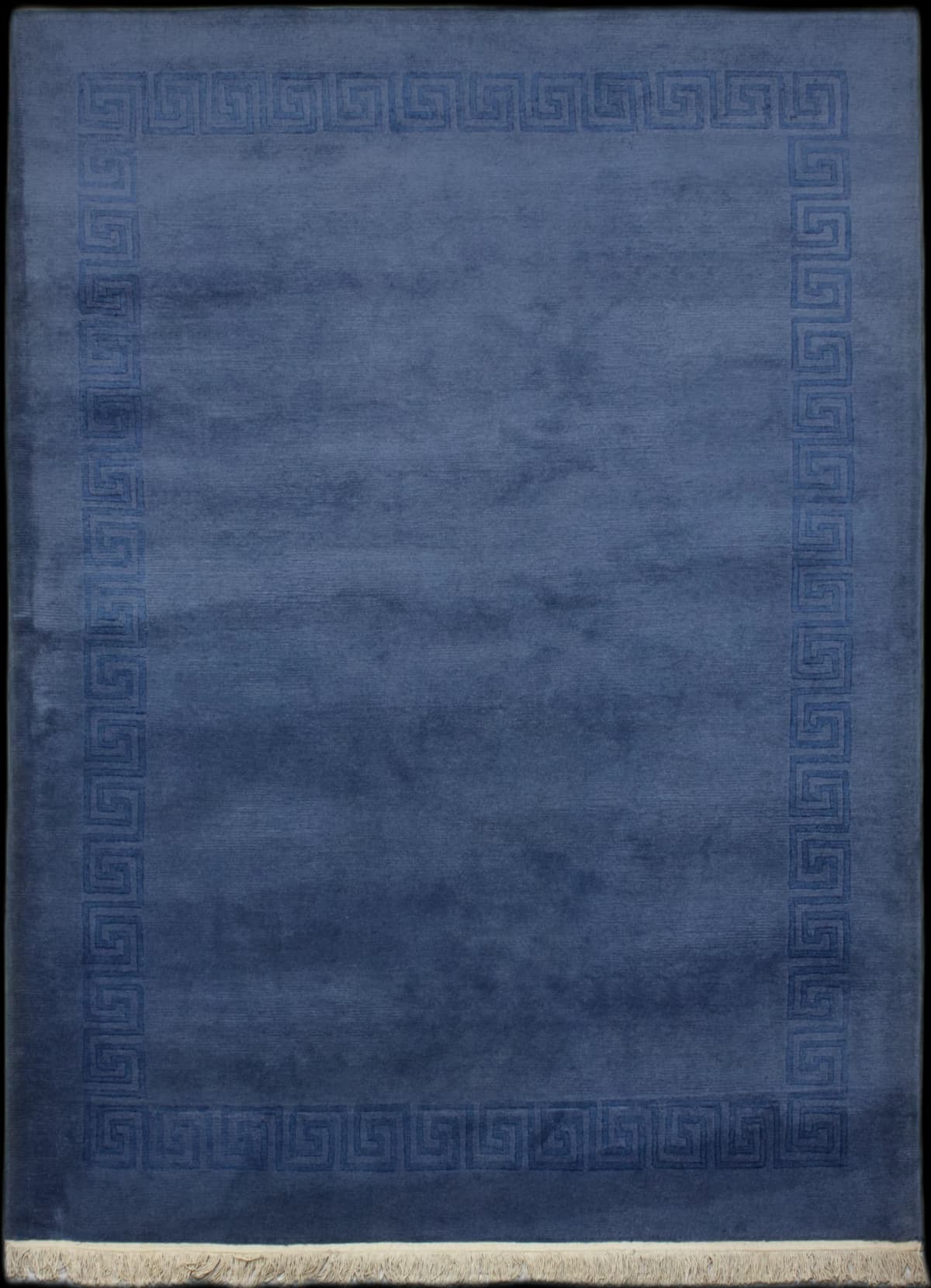
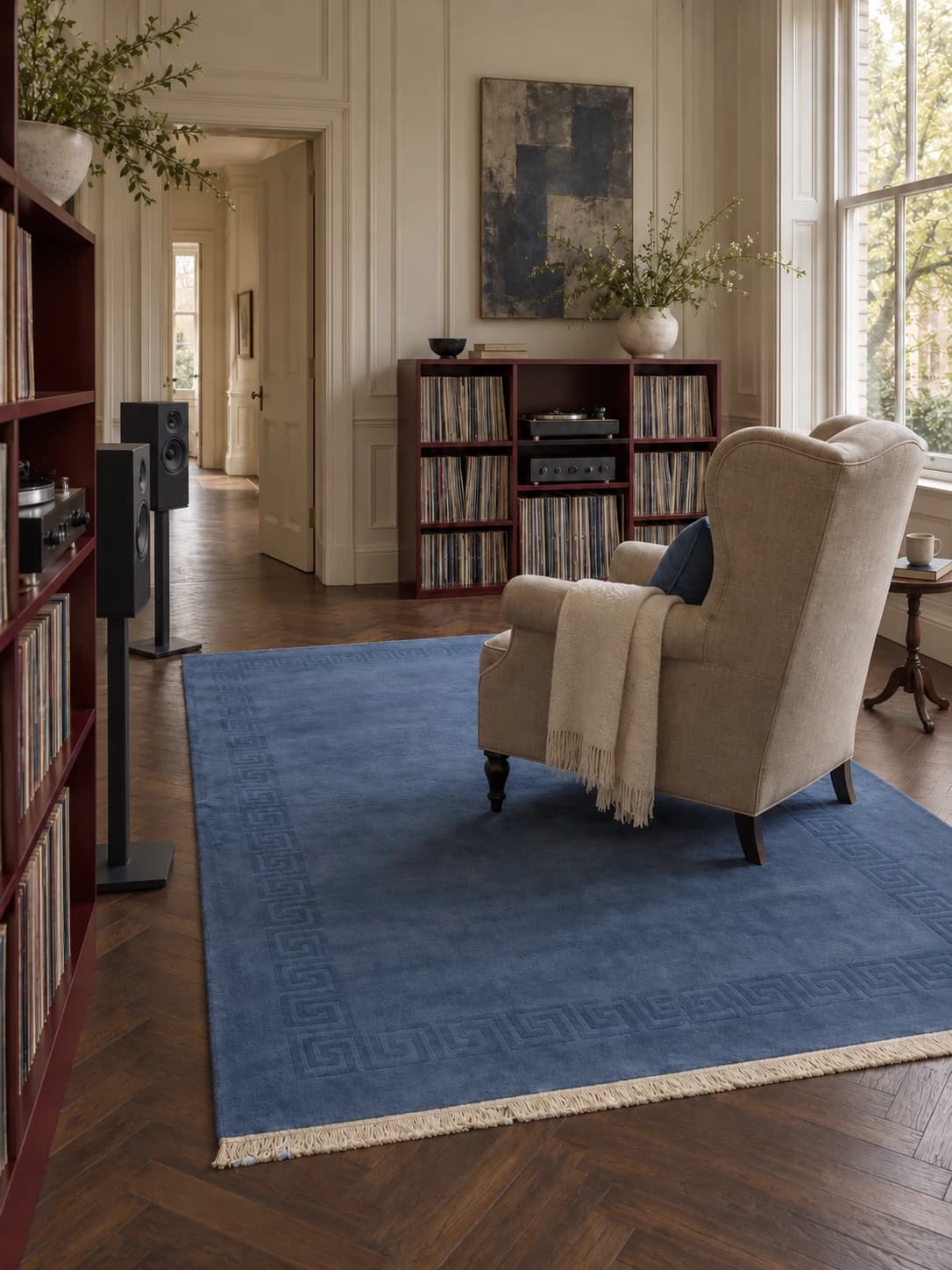
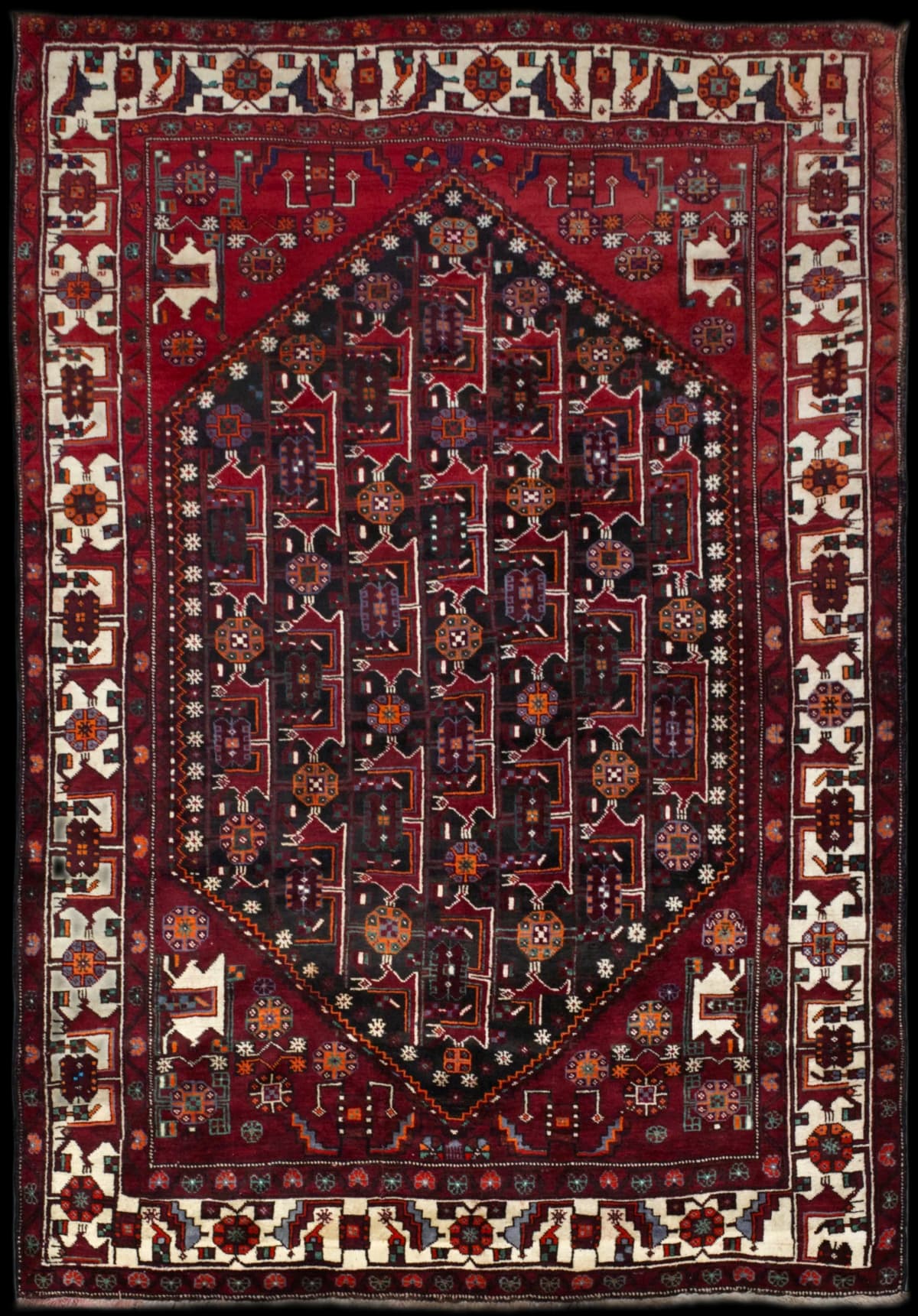
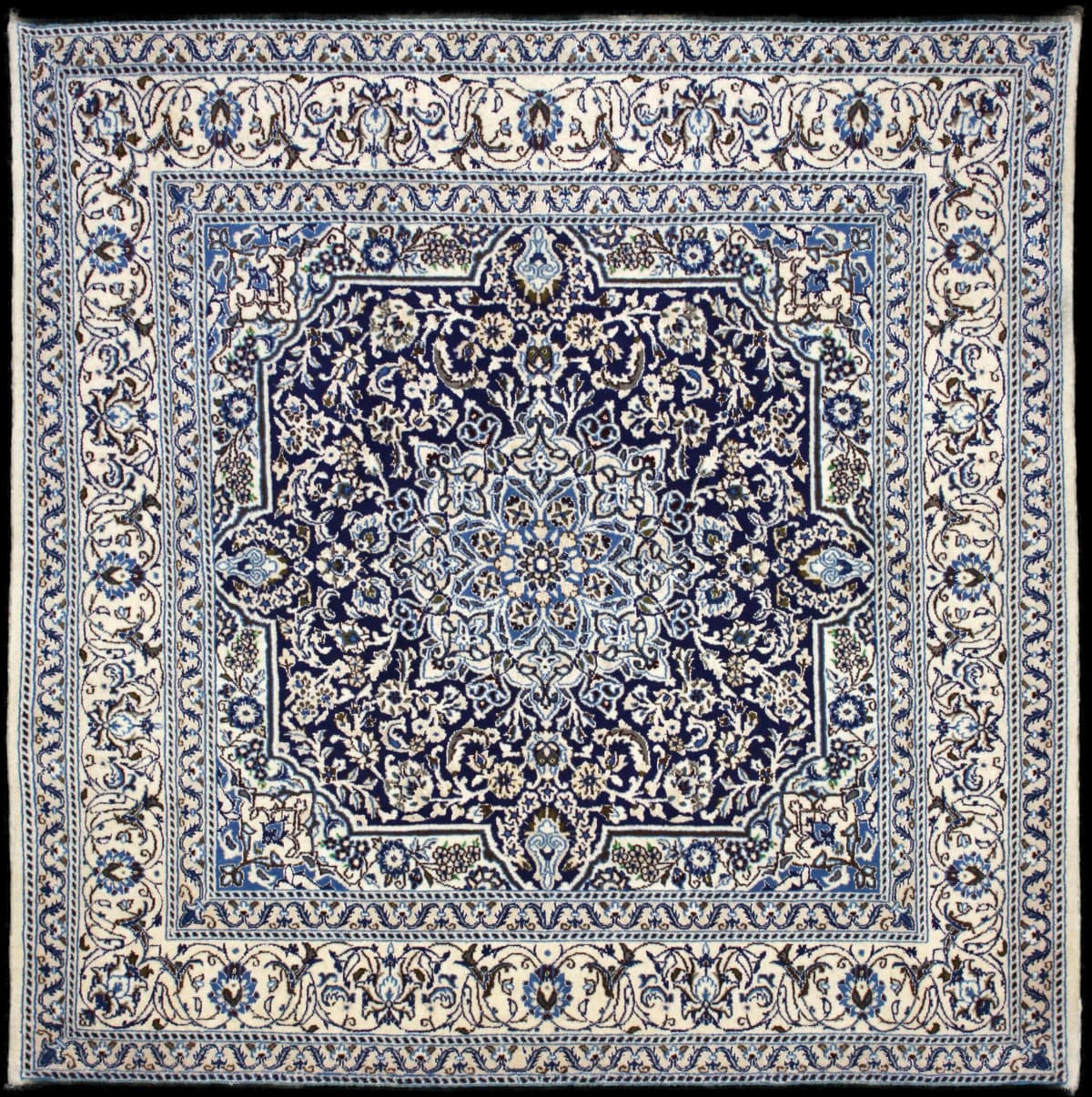
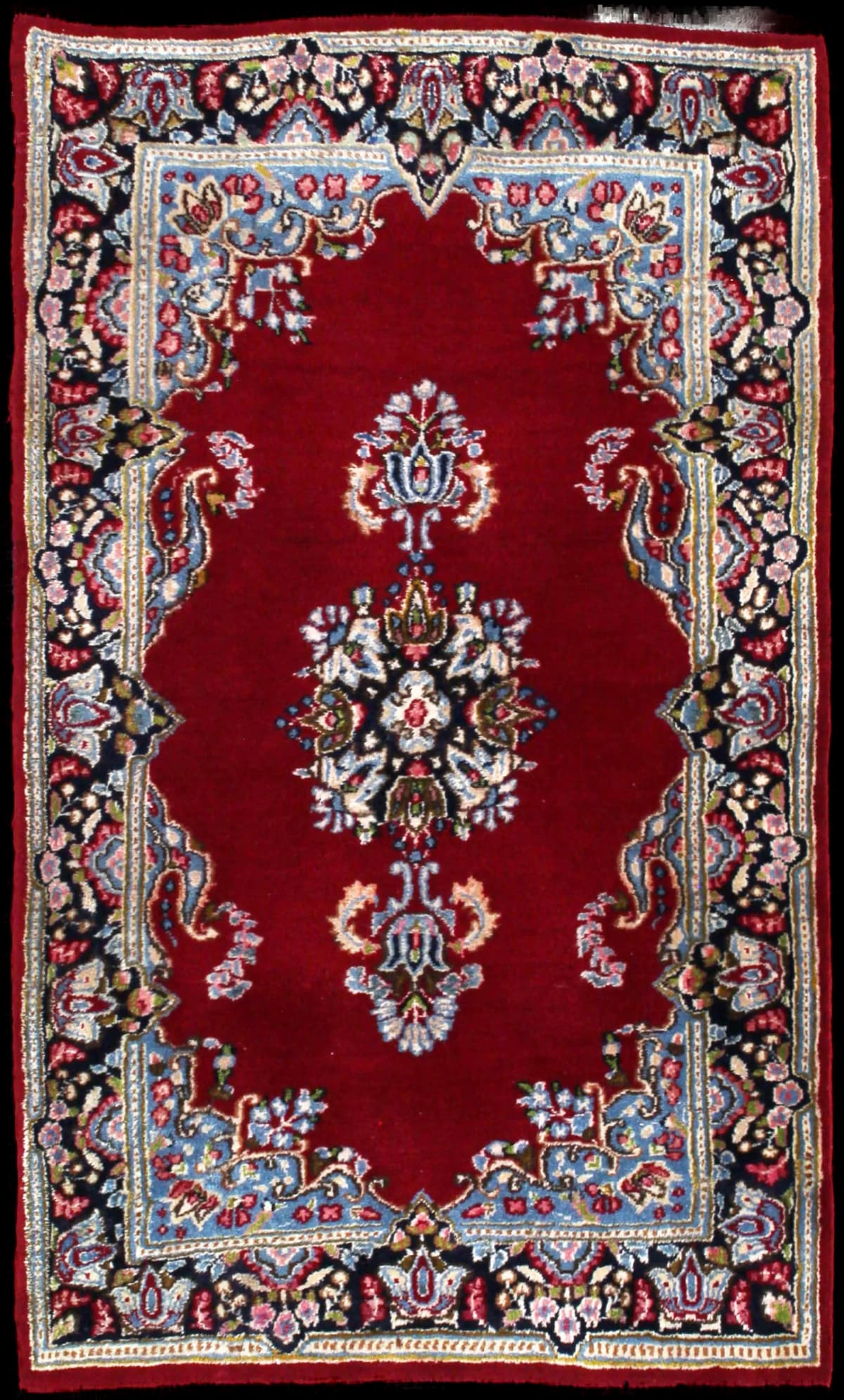
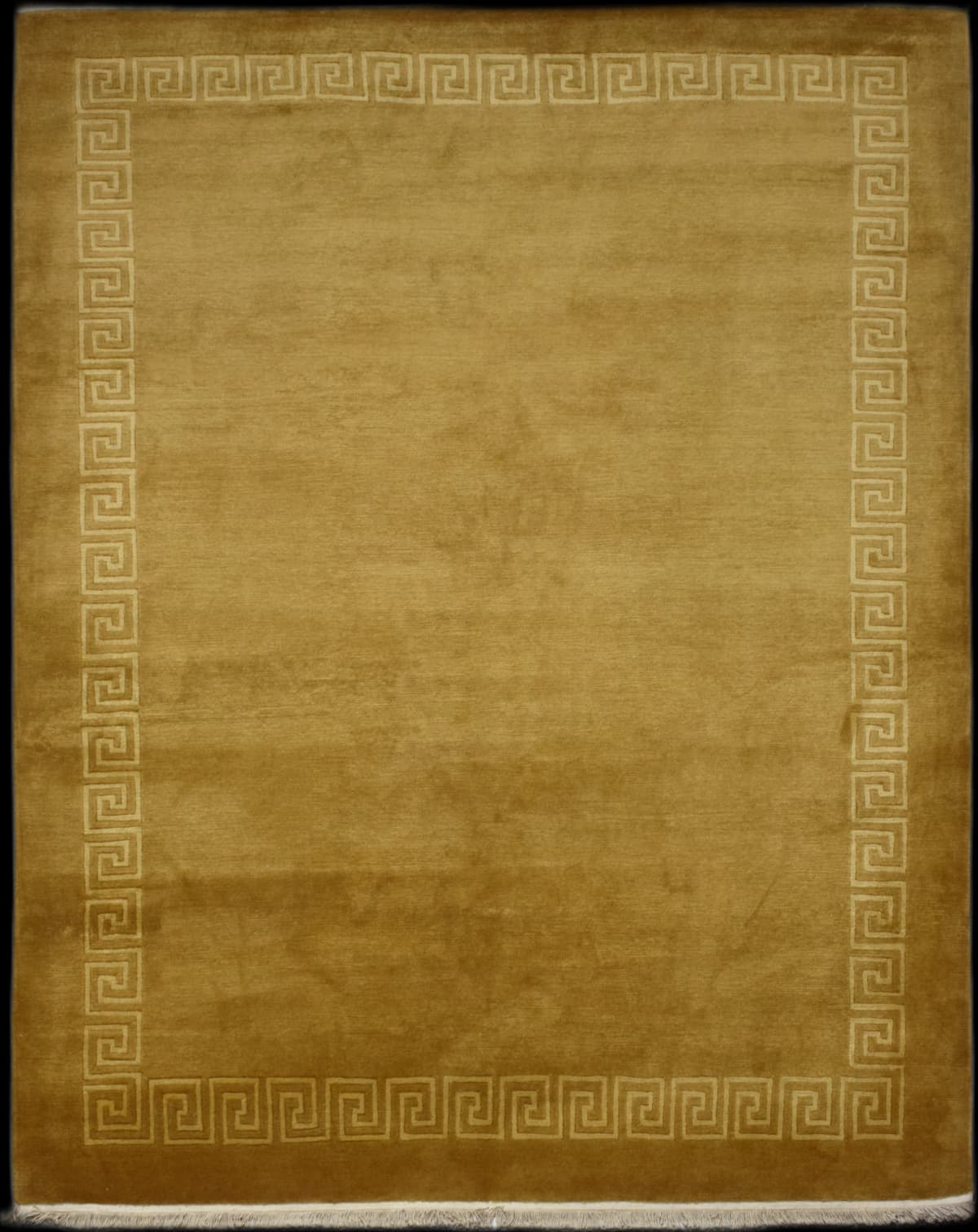
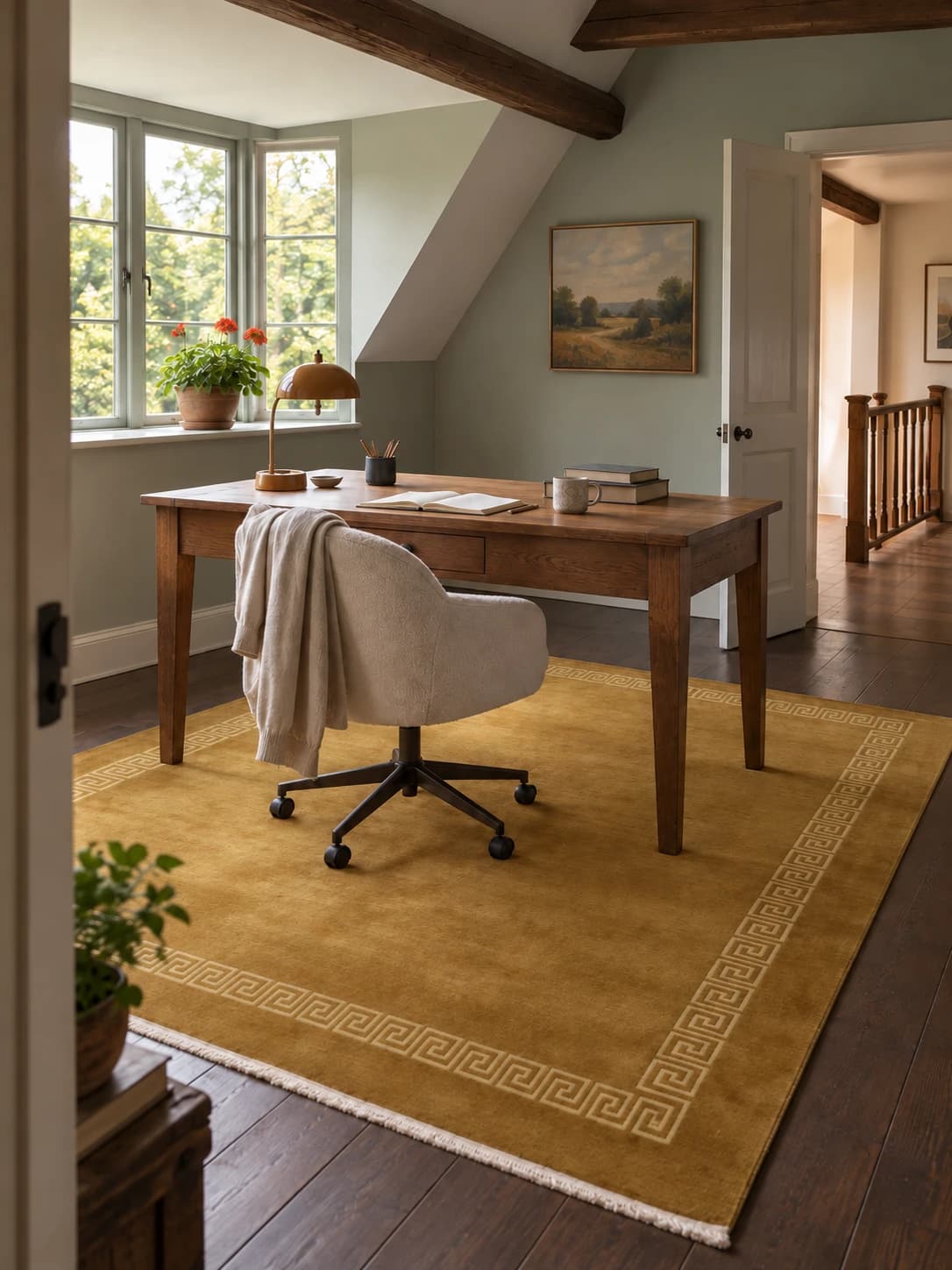
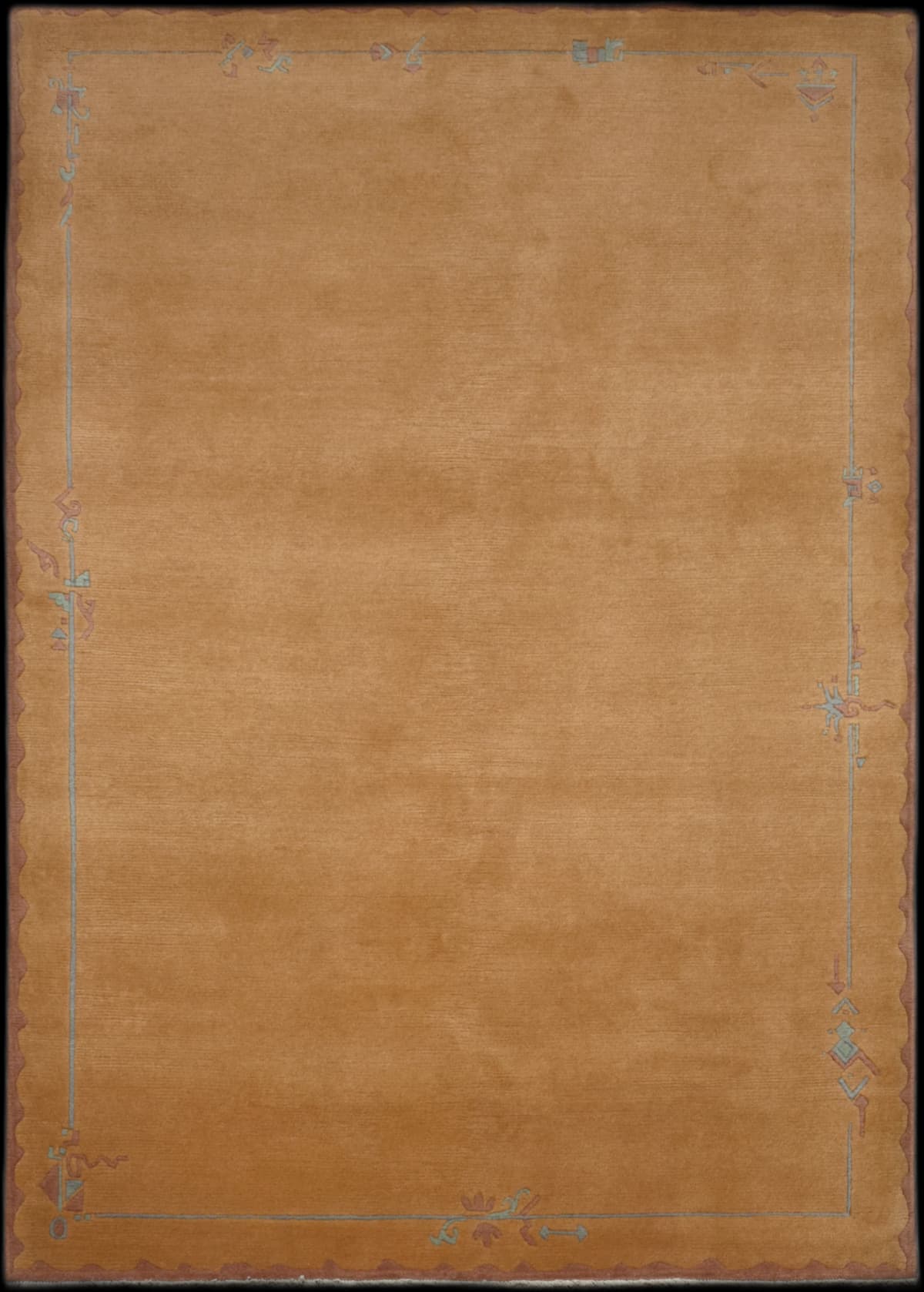
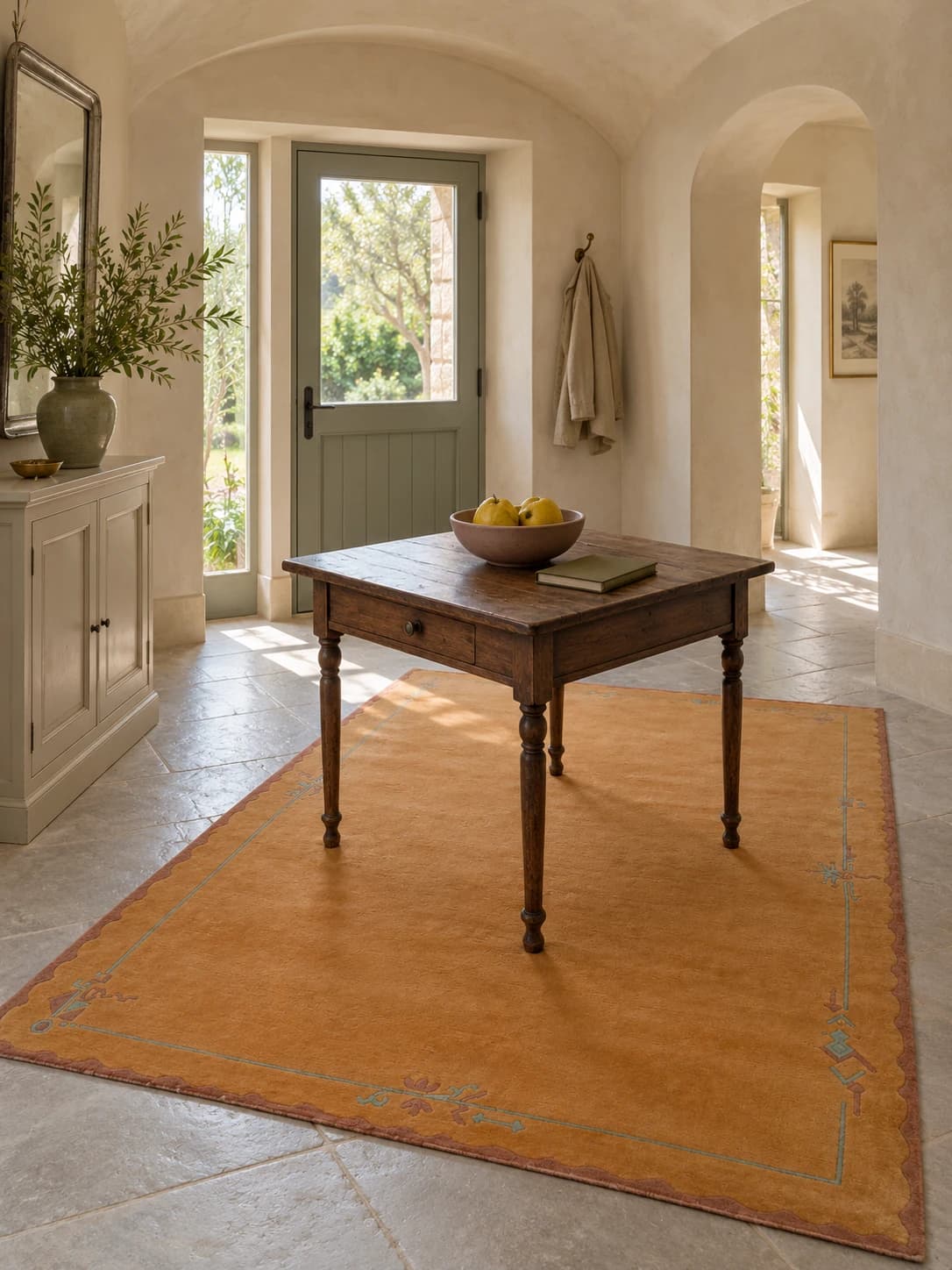
From the region ofبروجردBorujerd
Up close
Origin: Borujerd
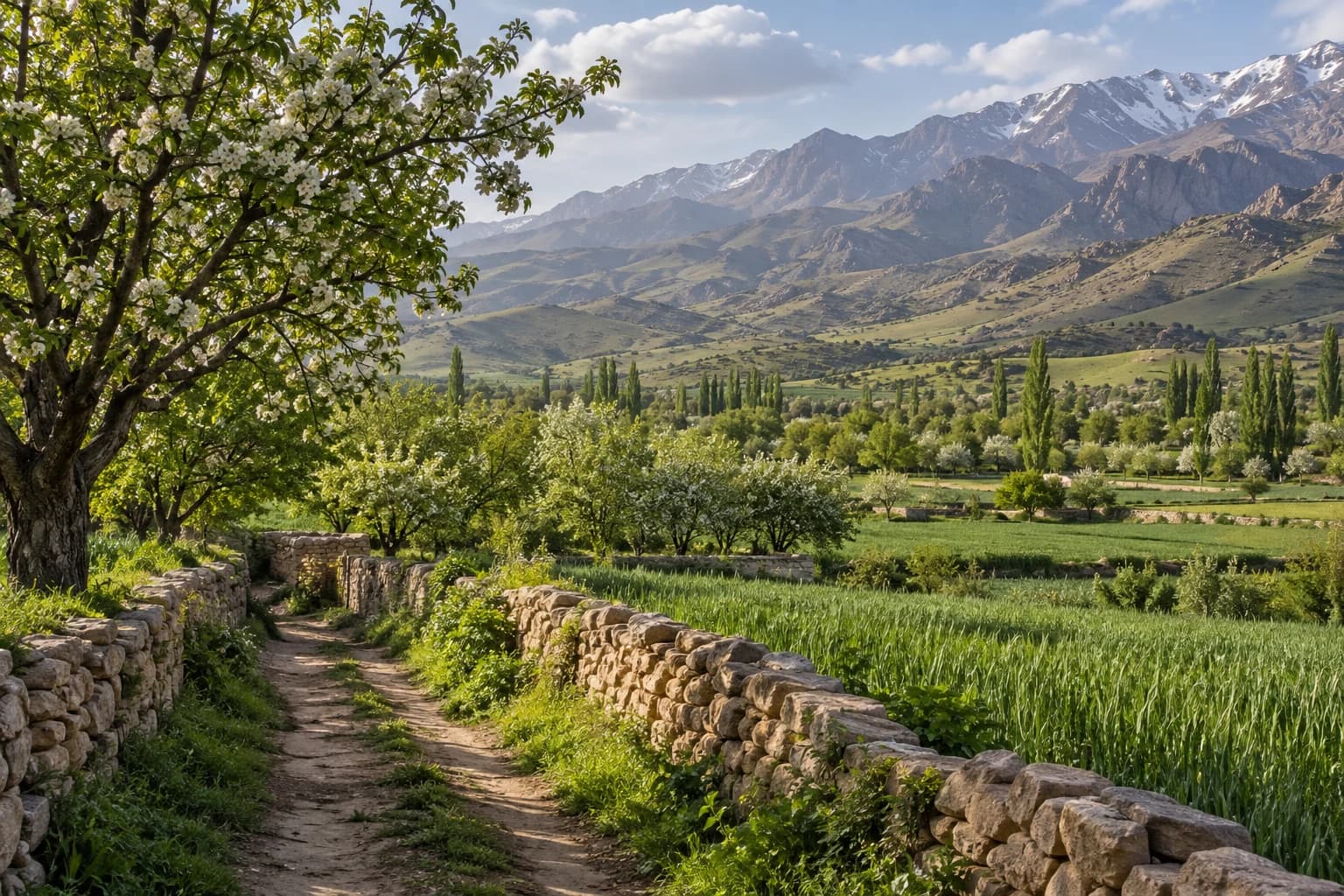
Borujerd is a city in north-western Lorestan province, in western Iran, and the seat of Borujerd County. It stands in a broad plain on the north-eastern side of the Zagros, close to the provincial boundary with Hamadan: Nahavand lies roughly fifty kilometres to the north-west, Malayer about the same distance due north, and Khorramabad, the capital of Lorestan, some sixty kilometres to the south-west. For centuries this was the principal town of northern Lorestan and its commercial centre, set on the road that carries traffic down from the Hamadan plateau towards Khuzestan. Older European writing on Persian rugs spells the name Burujird or Borudjerd.
Administratively, then, this is a Lorestan rug, and that label misleads more buyers than it helps. Lorestan is Luri country, and the weaving the province is best known for is nomadic: thick, loosely drawn tribal pieces from the mountain pastures of the southern Zagros. Borujerd's carpets belong to something quite different, the settled village and small-town weaving of the Hamadan belt, which runs down the corridor from Hamadan through Malayer to Borujerd's own hinterland. If you want a single orientation fact before looking at one of these rugs, it is that one. Expect a Hamadan-area village weave, not a Luri tribal one.
Trade is part of why weaving took hold here. The road linking ArakSee in the carpet dictionary and Hamadan has been an important commercial route for centuries, and it passes through Malayer just to the north, where a branch drops south to Borujerd and on towards Khorramabad. Traffic along it carried designs from one weaving district into the next. Village work across the belt has traditionally been a winter occupation, because the winters up here are severe and households gathered indoors and wove through the cold months. That rhythm, a seasonal household craft rather than a year-round urban workshop, shapes the character of everything the region produces.
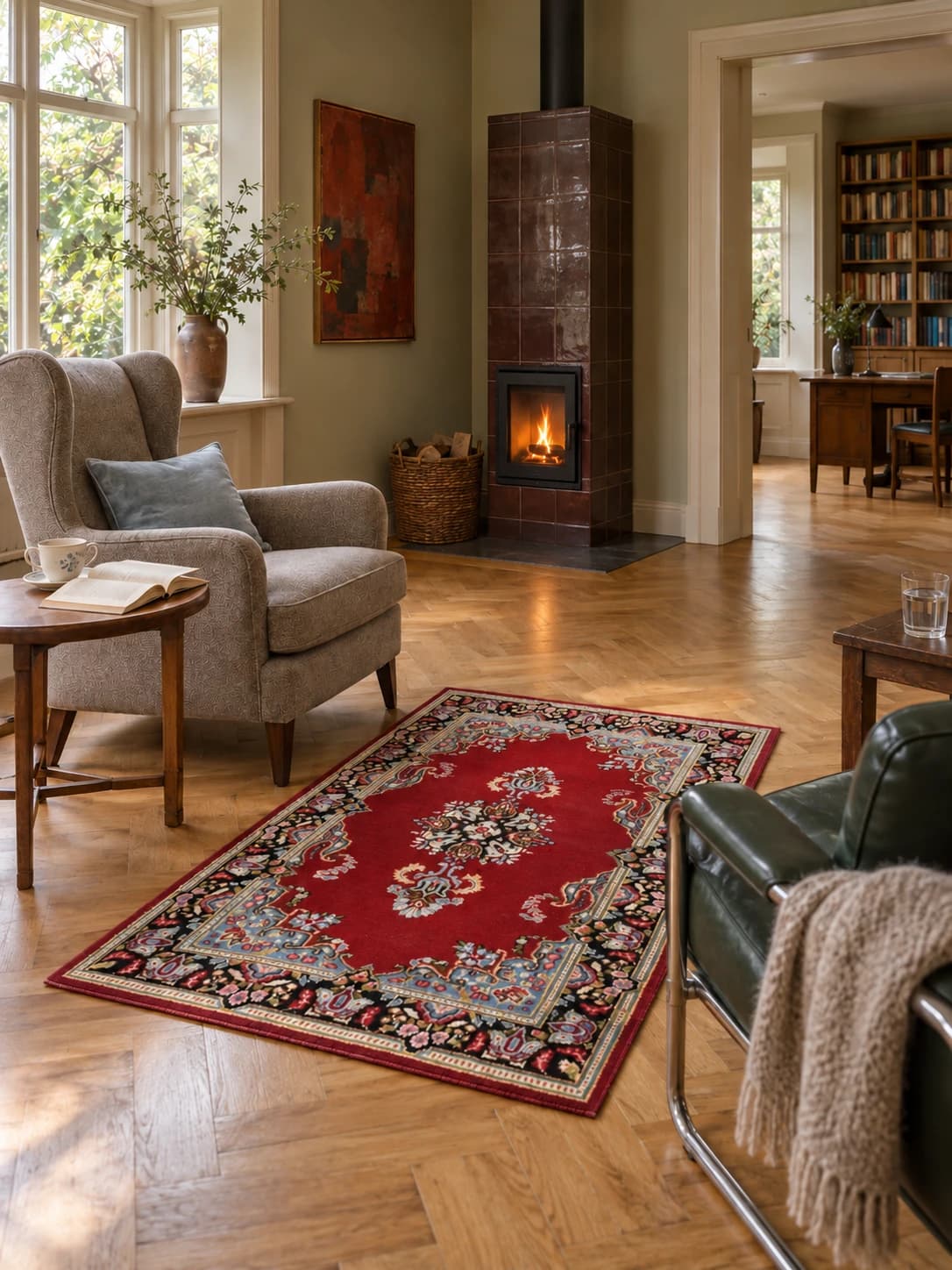
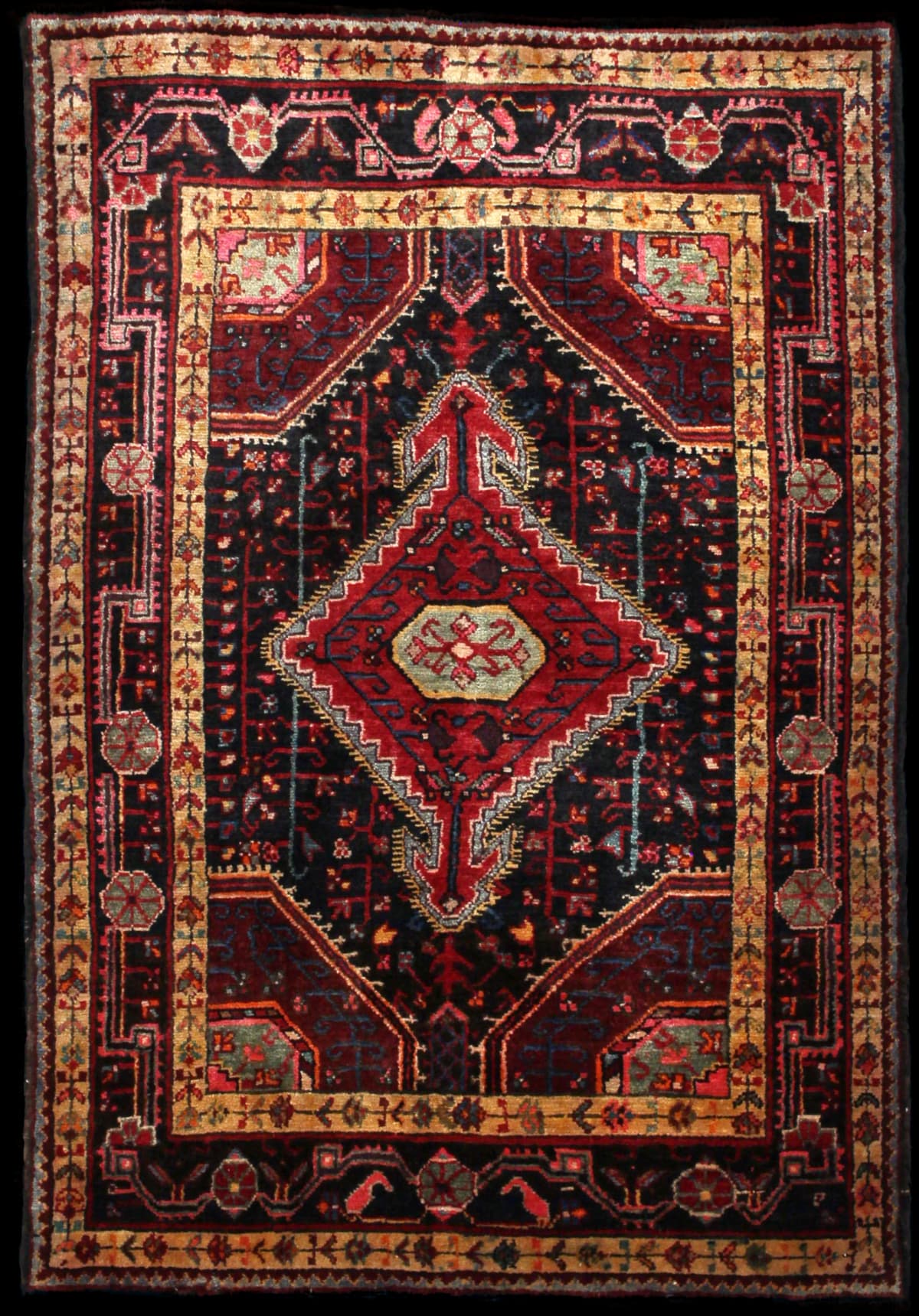
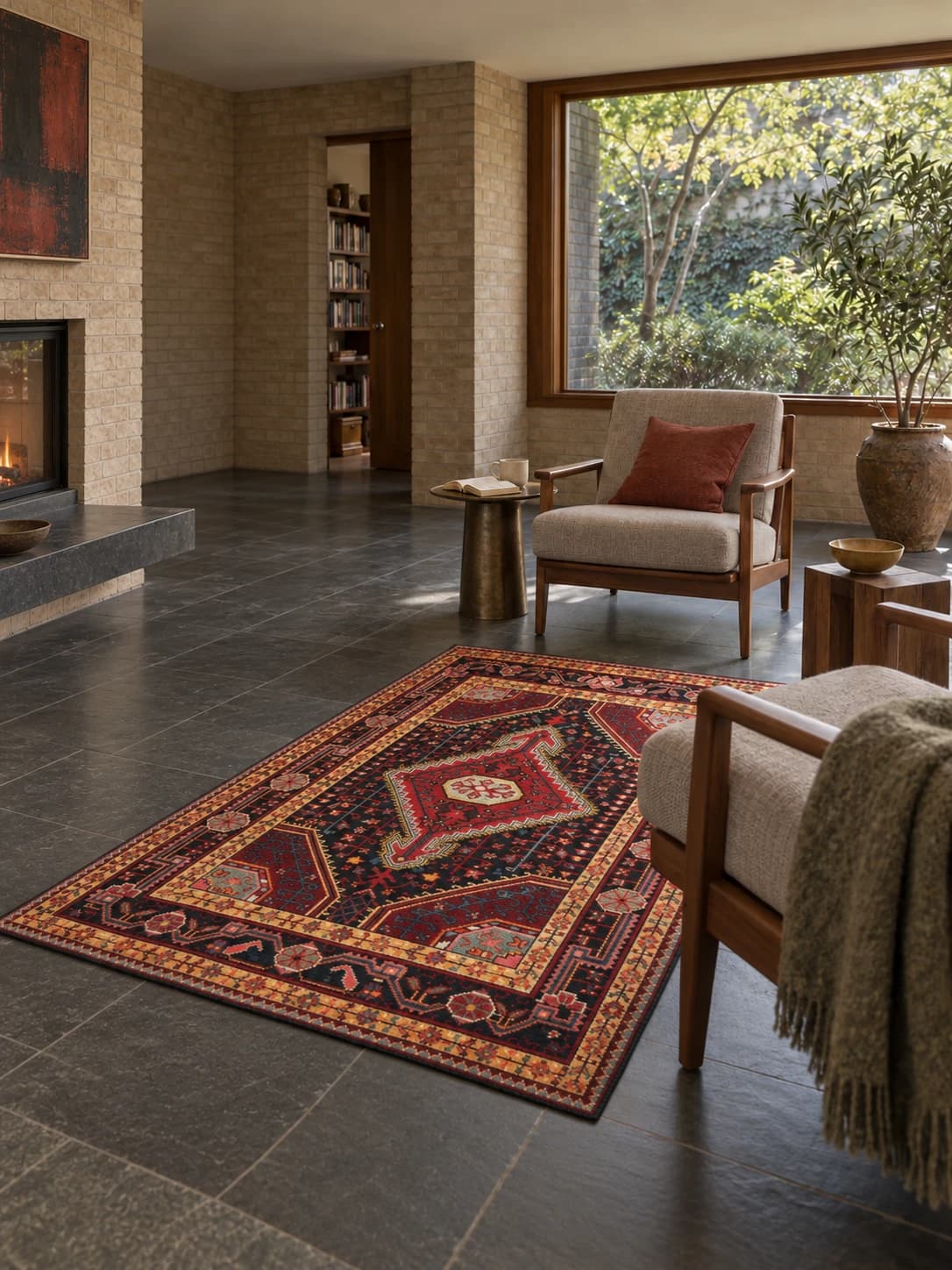
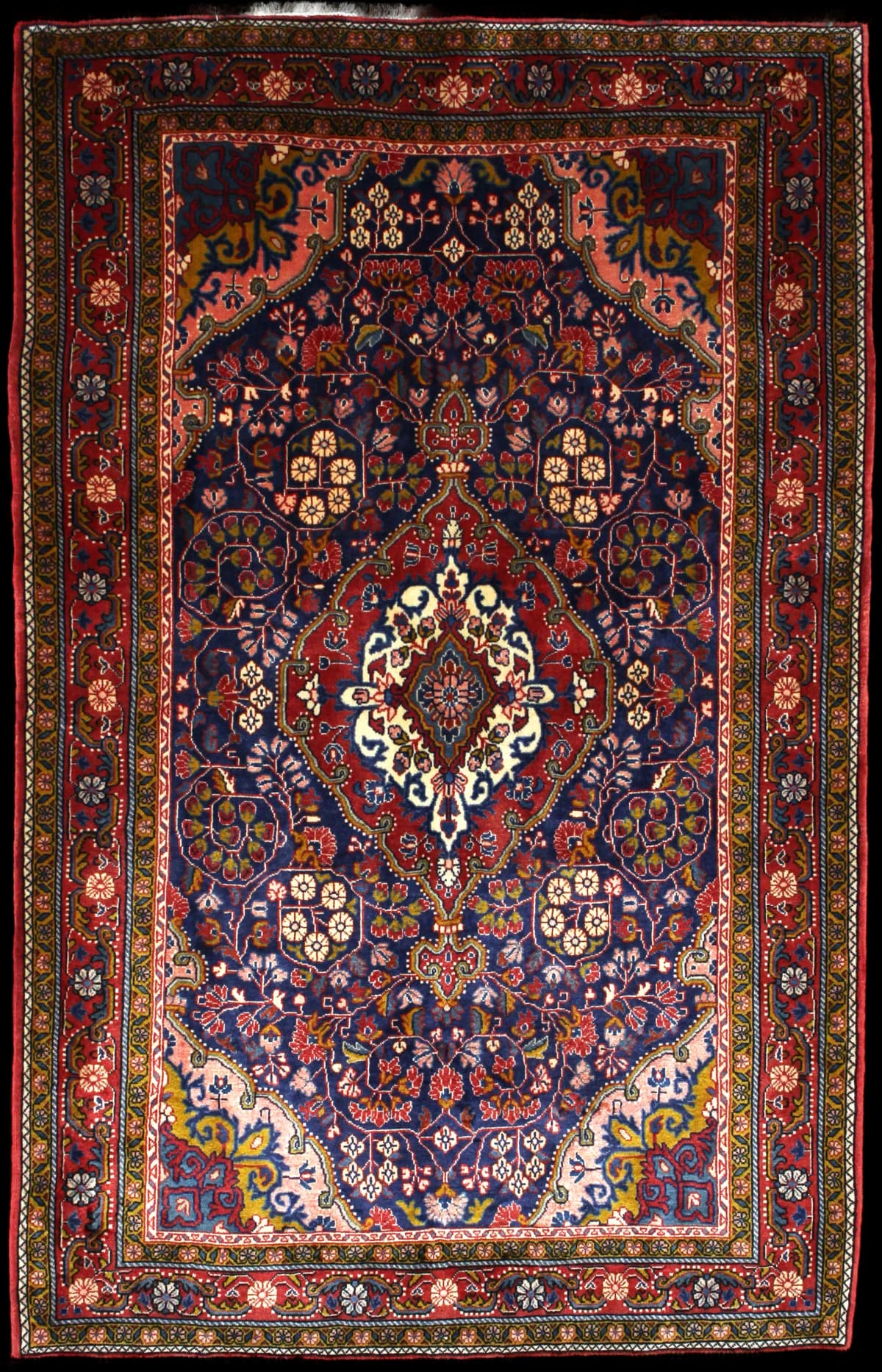
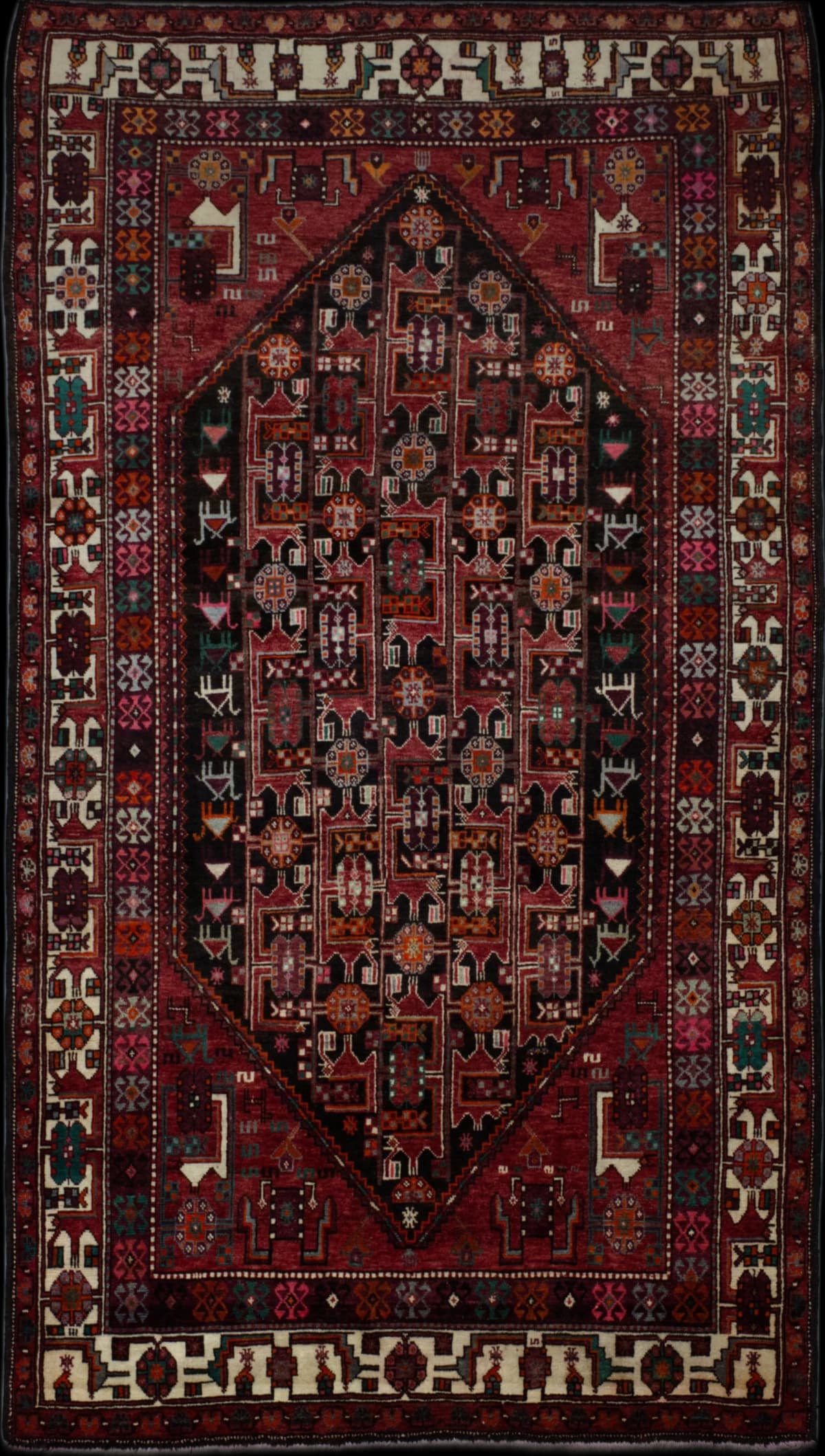
Design in this family runs strongly to the geometric. Medallions are common and are usually hexagonal or stepped into a diamond, set on an open field with matching corner piecesSee in the carpet dictionary. The other mainstay is Herati, also called the fish or mahi designSee in the carpet dictionary: a repeating lattice of small diamonds, each framed by curved leaves that were read as fish, running across the whole field. BotehSee in the carpet dictionary, the teardrop figure familiar from paisley, appears too, along with geometric allover patterns. Fully floral, curvilinear drawing is far less common here than in city weaving centres such as Kashan or Isfahan.
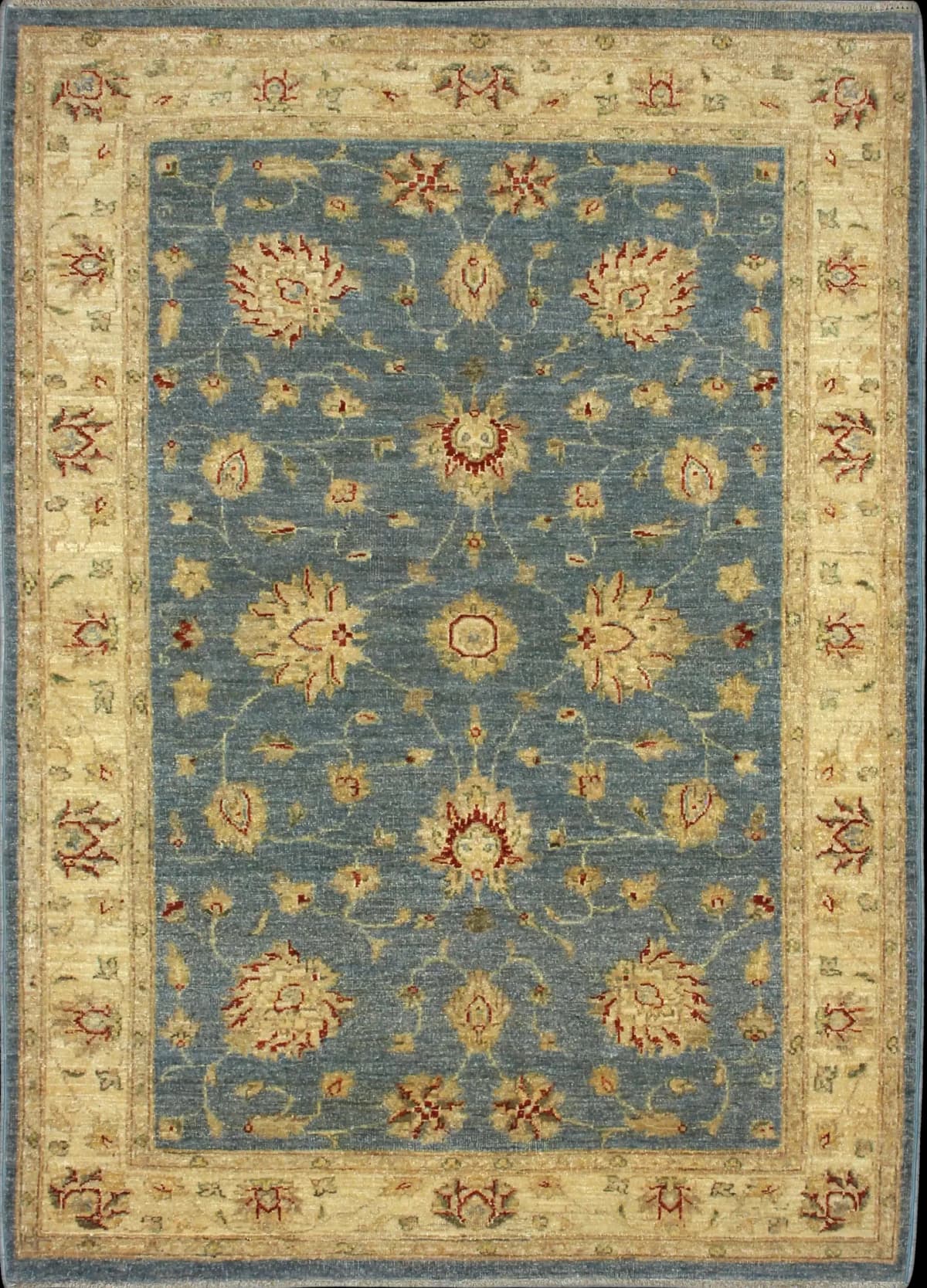
One documented shift across this belt during the twentieth century is worth naming, because it explains why some rugs from the area look much more floral than the geometric norm. SaroukSee in the carpet dictionary, woven at the far end of the same corridor near Arak to the east-north-east, became commercially dominant, and its patterns spread outwards into surrounding village production. The so-called American SaroukSee in the carpet dictionary style in particular, a detached floral spray repeated across a red field, was copied widely by village weavers responding to export demand. A piece from this district may therefore read as older and geometric, or as later and Sarouk-influenced.
Colour across the Hamadan-area palette settles on three field grounds: red, a deep indigo-leaning blue, and cream or ivory. Highlights bring in yellow and gold, green, and softer pinks and peaches, with camel tones appearing in some village districts. Reds tend to be earthy rather than bright, and the blues are dark enough to read almost black in low light. Because the rugs were dyed locally and in small batches, variation between one piece and another, and abrashSee in the carpet dictionary banding within a single field, is normal rather than a defect.
Materials follow the regional standard: a cotton foundation of warps and wefts carrying a woolSee in the carpet dictionary pileSee in the carpet dictionary, knotted with the Turkish or symmetrical knotSee in the carpet dictionary that is standard across the Hamadan belt. Older rugs from the wider region are sometimes found on a wool foundationSee in the carpet dictionary instead, which gives a more pliable, slightly less regular handle. Wool here comes largely from flocks grazed in the high mountain pastures around the weaving districts, and that grazing is the usual explanation offered for the body and the quiet lustre of the pile. Pile height runs low to medium, cut short in the finer villages so the drawing stays legible.
Weft structure is the feature that most affects how a rug from this belt feels underfoot, and it is worth checking on any individual piece. The Hamadan group's signature is single-wefting, one shoot of weft between each row of knots, and it produces a comparatively thin, flat, supple rug with a low pile that lies close to the floor. Sub-districts that lean towards Sarouk instead pass two shoots between the rows and come out noticeably thicker, and Malayer, immediately north, splits both ways along exactly that line. Weft count should therefore be looked at rather than assumed.
Knot densitySee in the carpet dictionary belongs to the middle band. Settled village weavers work finer than nomads, who weave on portable looms with whatever wool and dye travels with them, but well below the great city workshops, which follow drawn cartoons to rigid specification. Rugs of the Hamadan family are generally placed between roughly 80 and 200 knots per square inch (KPSI), against 200 to 400 for fine urban work from Kashan, Isfahan or Nain, and under 80 for tribal weaves. Read the count as a description of the kind of weave in front of you rather than as a grade for it.
Formats skew small. This is above all a runner-weaving belt: runners from the region typically measure around 75 to 90 cm across, with wider ones past a metre, in lengths that start near two metres and run out to four and well beyond where a corridor demanded it. Scatter sizes, small area rugs and long narrow galleries are the everyday output. Genuinely oversize carpets are the exception across the belt and were historically made to commission rather than for stock, so a very large piece from this district is unusual and should be examined on its own terms.
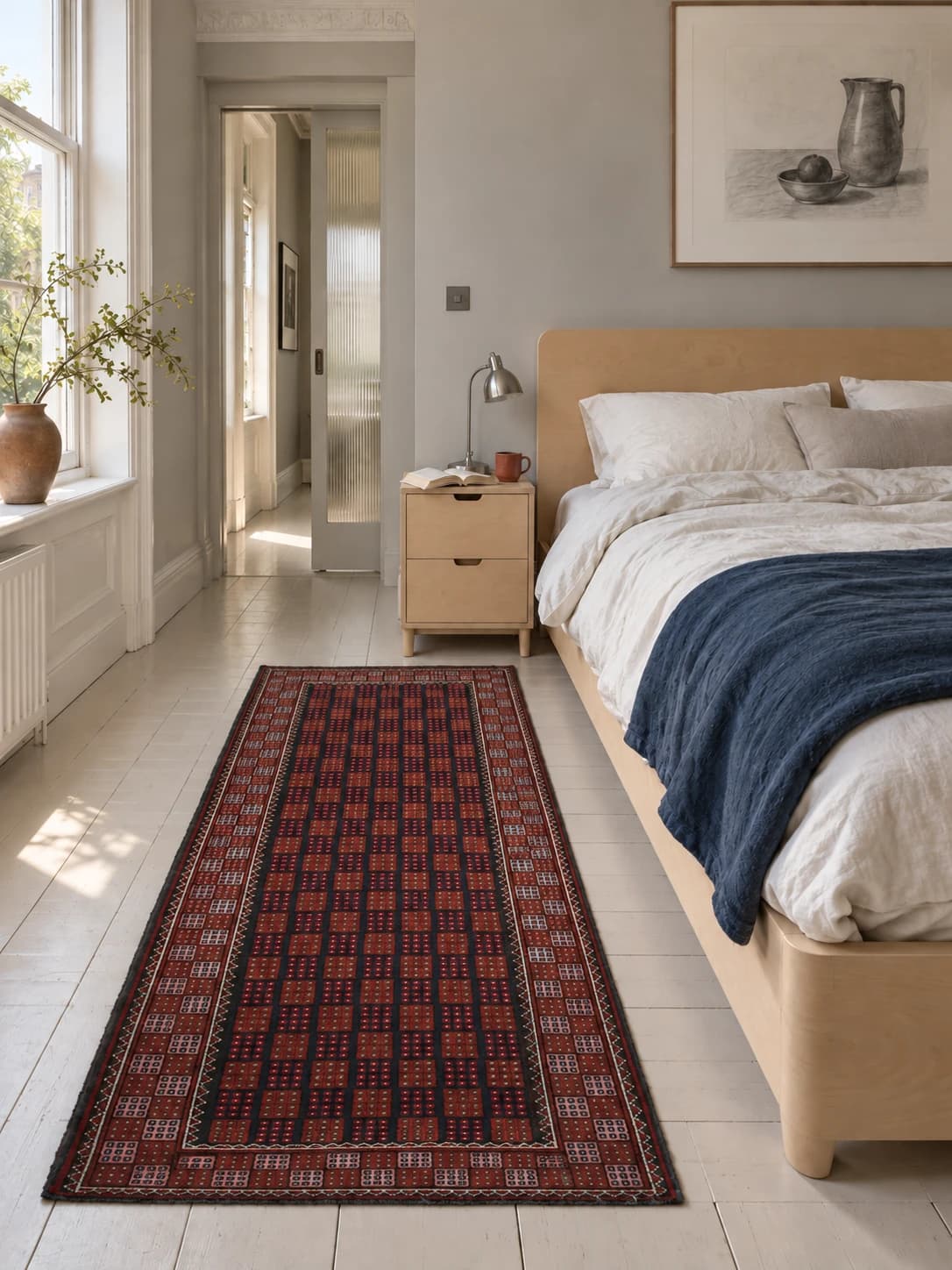
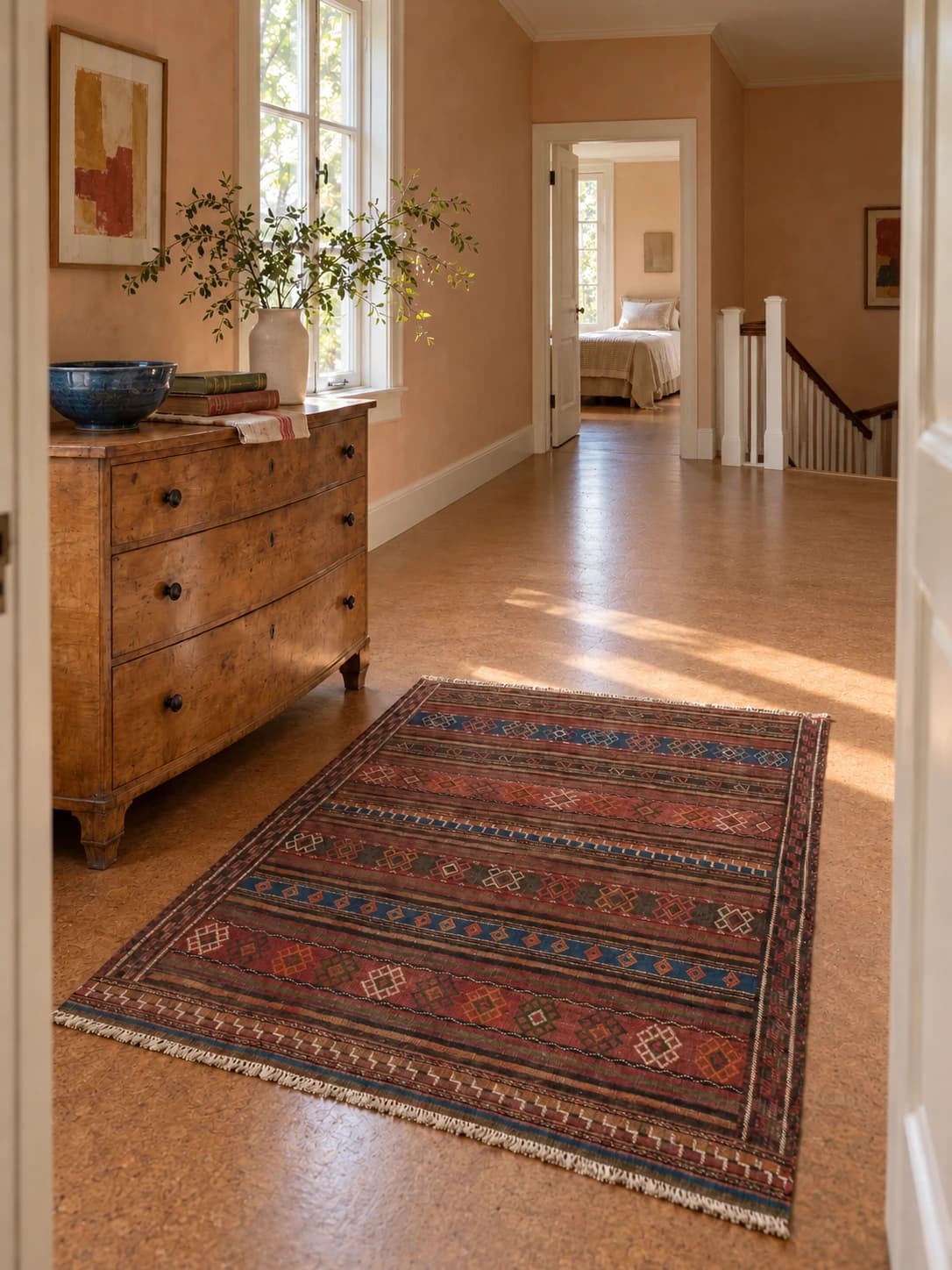
In use, a single-weftedSee in the carpet dictionary rug from this tradition suits a hallway, a staircase, a kitchen run or a room where doors need to clear the floor, and its flat handle makes it easy to live with. Dense wool over a low pile takes that sort of traffic well. These are practical rugs made for everyday floors rather than collectors' objects, so choose one because the drawing and the colour hold your attention. Look at the feel of the wool, the evenness of the colour, and the soundness of the selvedges and the ends.
The Persian rug
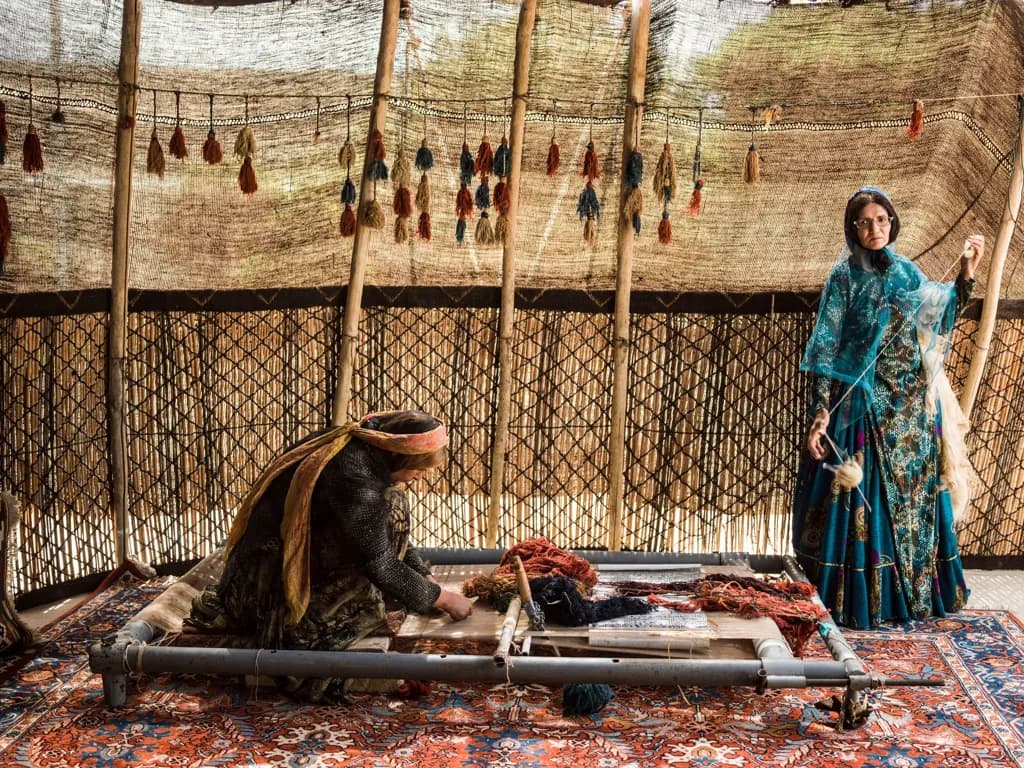
A Persian rug is an Iranian rug — a rug hand-knottedSee in the carpet dictionary in Iran — and the tradition behind it is the oldest documented anywhere. The earliest surviving carpet, the Pazyryk rugSee in the carpet dictionary, was found preserved in a frozen burial mound and dates to the fifth century BC — roughly 2,500 years ago — and it is already accomplished work, not a beginner's craft. What began as warm, hard-wearing floor coverings for tribal households grew, over those centuries, into the art form that every other rug-weaving country has borrowed from.
Two later chapters shaped what a Persian carpet looks like today. Under the Safavid dynastySee in the carpet dictionary, from 1501 to 1732, the court promoted weaving alongside painting and calligraphy, and the workshops of Tabriz, HeratSee in the carpet dictionary, Kashan and Kerman produced the masterpieces that now sit in museums. This is when the great central medallionSee in the carpet dictionary appeared, and when designs grew elaborate enough that a separate designer — often a miniature painter — drew the pattern onto a cartoon for the weaver to follow. The second chapter came in the nineteenth century, under the Qajar dynastySee in the carpet dictionary, when production reached its historical peak, exports to Europe and America boomed, and the workshop industry whose descendants still weave today took its modern shape.
The trade sorts Persian rugs into three families. City rugs — Tabriz, Kashan, Kerman, Nain, Isfahan — are woven in workshops from a drawn design, carry the highest knot densities and come in the widest range of colours, sizes and patterns. Village rugs such as HerizSee in the carpet dictionary, BakhtiariSee in the carpet dictionary and KarajaSee in the carpet dictionary sit in between, mostly geometric and largely woven from memory. Tribal rugs — Baluch, TurkomanSee in the carpet dictionary, QashqaiSee in the carpet dictionary, each named after the people who weave it — are made on small portable looms, so they run smaller, and their bold geometric drawing comes from the weaver's own head rather than from paper.
The design vocabulary draws on a deep stock of motifs: Shah AbbasiSee in the carpet dictionary palmettes, flowing arabesques, the small repeating Herati patternSee in the carpet dictionary, medallions, garden and tree-of-life compositions. These combine with regional habits into styles a practised eye can place at a glance, from the bold geometric medallions of Heriz to the fine curvilinear florals of Isfahan.
The classic palette is built on natural dyes: madderSee in the carpet dictionary reds, indigo blues, saffron yellows and the soft whites of undyed woolSee in the carpet dictionary, settled into combinations refined over centuries. Natural dyes age gracefully, mellowing into the patina that older rugs are prized for, and slight shifts of tone between dye batchesSee in the carpet dictionary — the effect called abrashSee in the carpet dictionary — are a mark of small-batch natural dyeing, not a flaw.
The pileSee in the carpet dictionary is almost always woolSee in the carpet dictionary, and in a Persian wool rug the wool itself decides much of the quality. The best fleece comes from high-altitude flocks, where it grows thicker and richer in natural oils; spring-sheared wool beats the autumn clip, and hand-spun yarnSee in the carpet dictionary gives a finer, softer thread than machine spinning. Fine pieces add silk highlights to a wool pile, and at the very top sits the Persian silk rug, woven in pure silk. Foundations are usually cotton in city weaving, wool in tribal and older pieces, silk at the very top of the range.
Every knot is tied by hand, one at a time, in one of two forms: the asymmetric Persian knotSee in the carpet dictionary, usual in central and eastern Iran, or the symmetric Turkish knotSee in the carpet dictionary, common in the north-west ever since Seljuk weavers introduced it in the eleventh and twelfth centuries. A large rug holds in the region of two million knots and can occupy a weaver for about a year.
Knot densitySee in the carpet dictionary is the figure newcomers fixate on, and the finest silk-foundation pieces do reach as much as 1,000 knots per square inch. But densitySee in the carpet dictionary only matters as far as the drawing demands it: a curvilinear Isfahan needs a fine weave to stay sharp, while a geometric Heriz is famously durable at a modest count. Material, symmetry, colour harmony and condition say more about quality than any single number.
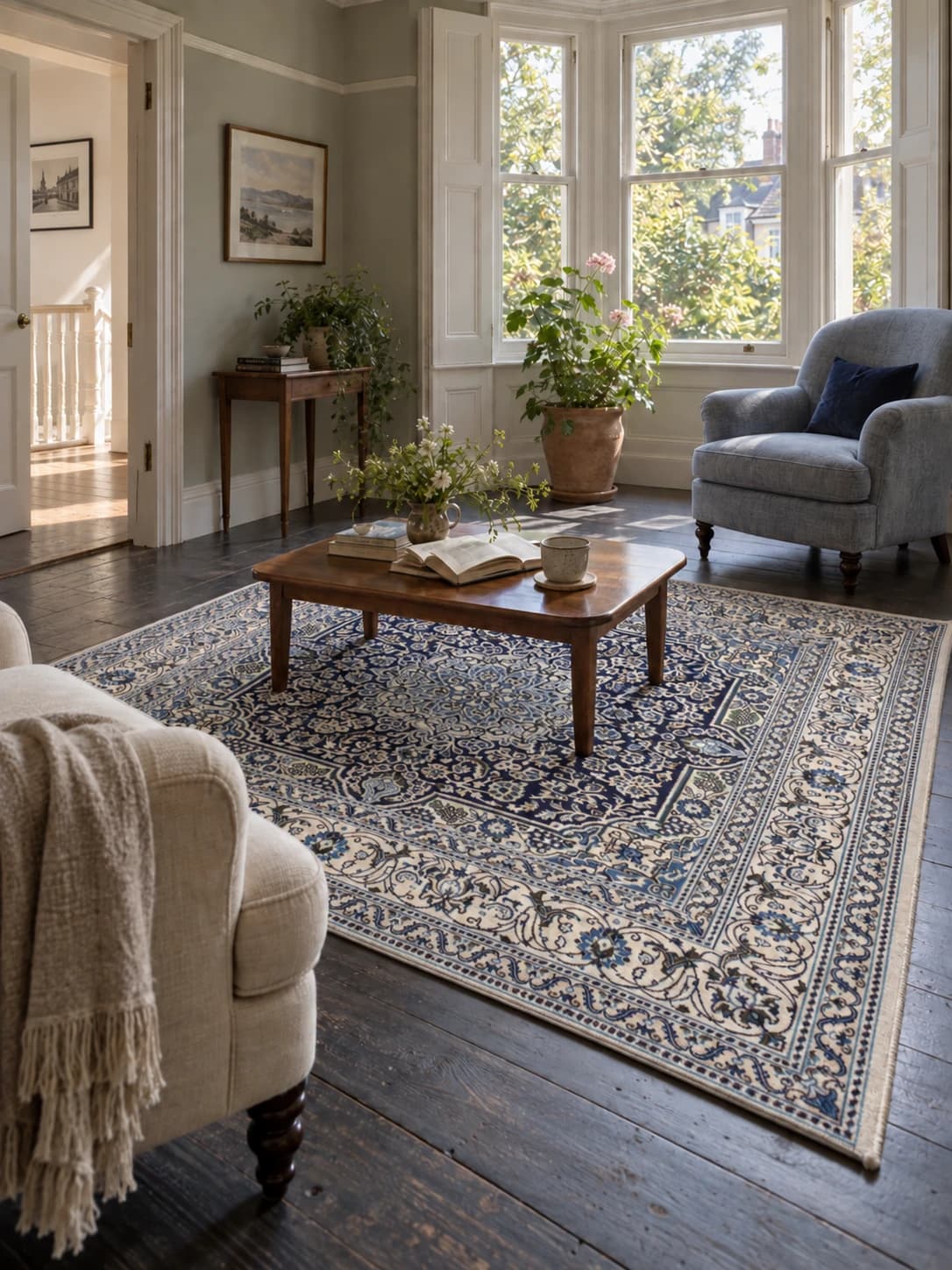
Persian carpets settle into modern rooms as naturally as classical ones, as a focal point in a living room, a foundation under a dining table or a quieter accent in a bedroom. Care is undemanding: gentle vacuuming without a rotating brush, an occasional turn for even wear, and a professional wash about every five years — sooner in a hallway or entrance, less often in a quiet room.
A hand-knotted Persian rug tends to outlast its owners. Pieces a century old regularly survive in fine condition, their colours settled and their pile supple, often looking better than when they left the loomSee in the carpet dictionary. A well-chosen, well-kept rug holds its worth and passes down as a family heirloom rather than being replaced — which is precisely what the knots, the wool and the dyes were always for.
Questions about this carpet?
Our family has traded carpets for two generations. Ask us anything — photos, video calls, advice on sizes.
Message us
Keep exploring
Guides from our family workshop: how to clean, place and care for hand-knotted rugs.