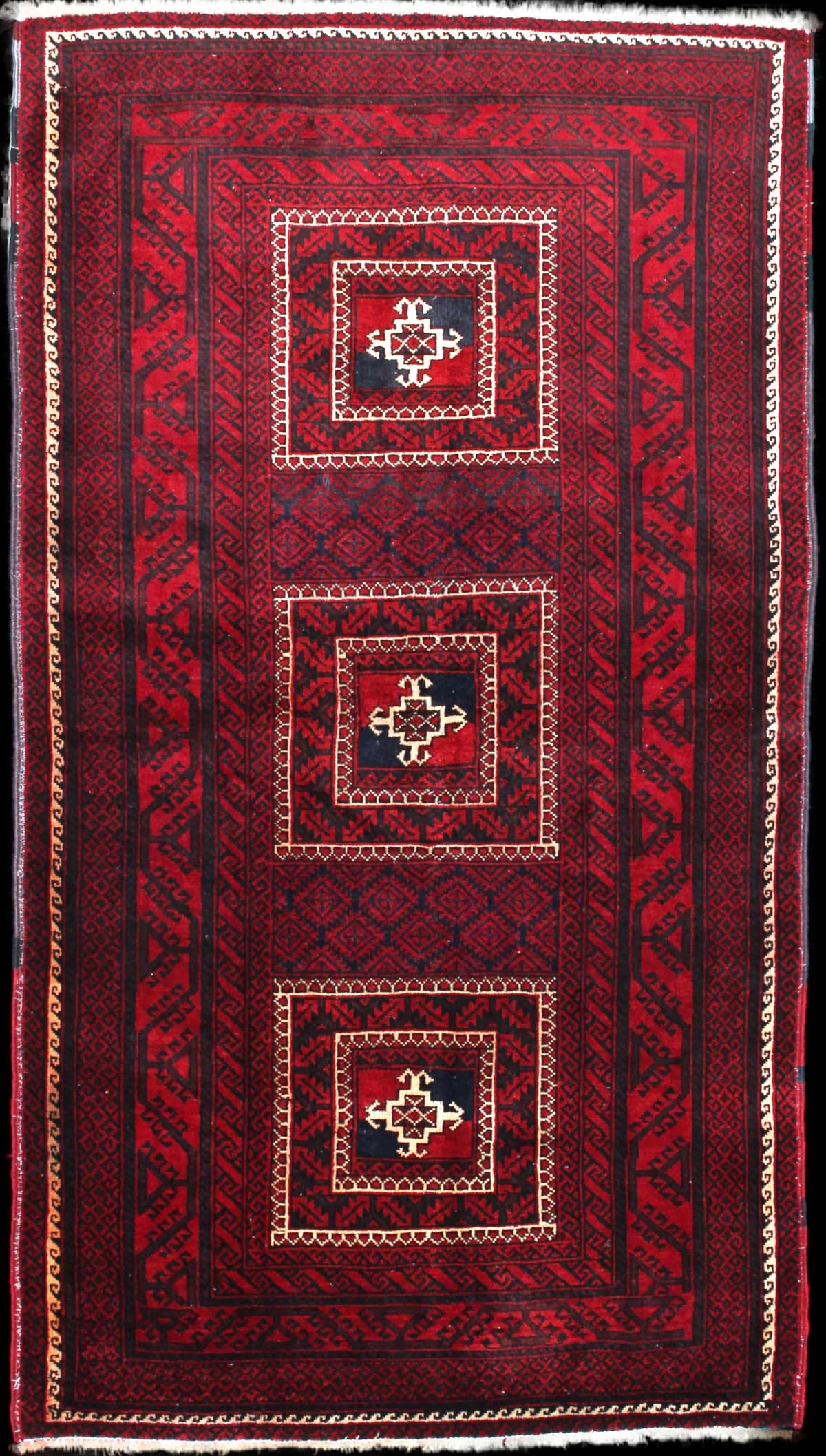
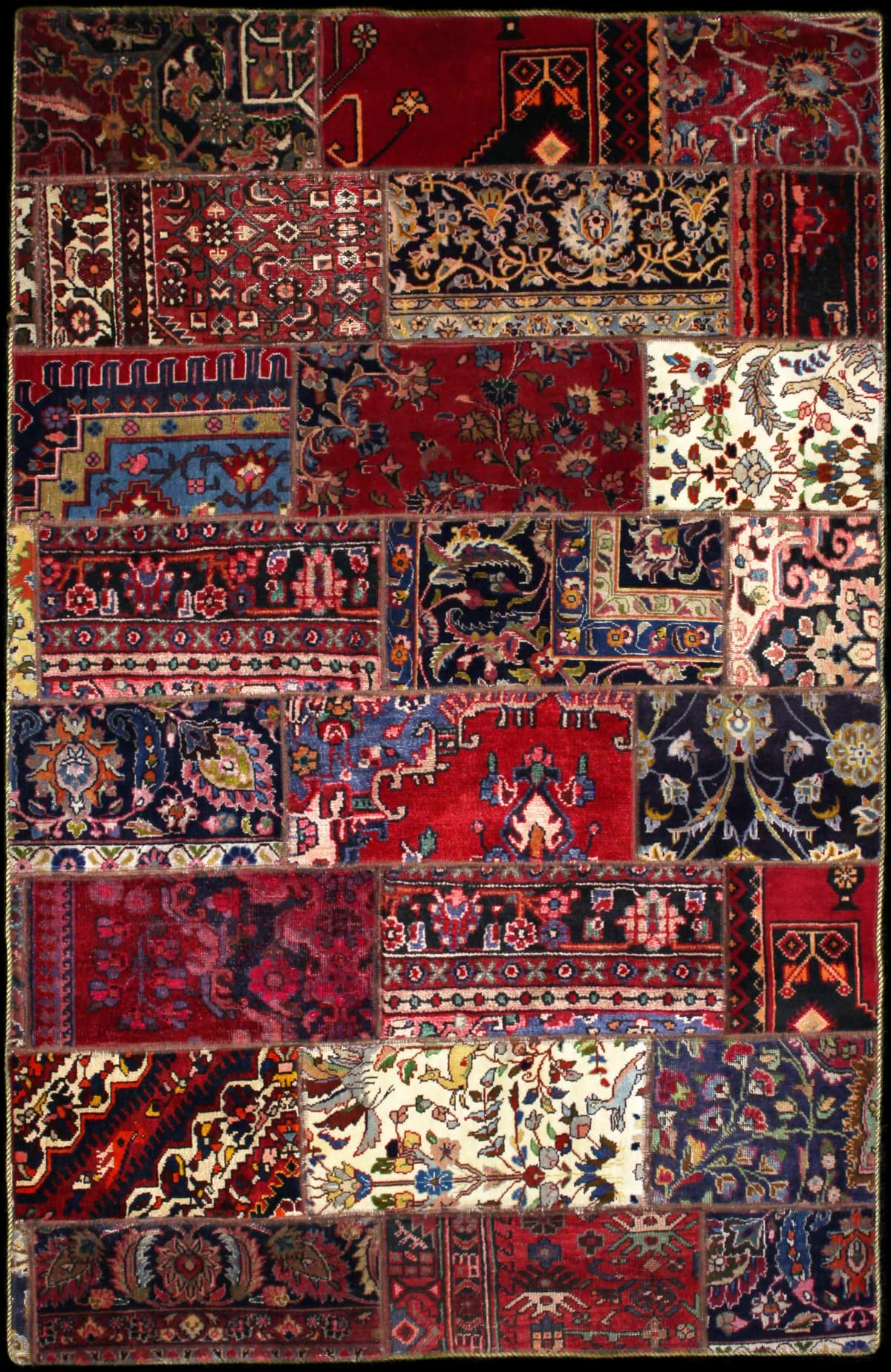
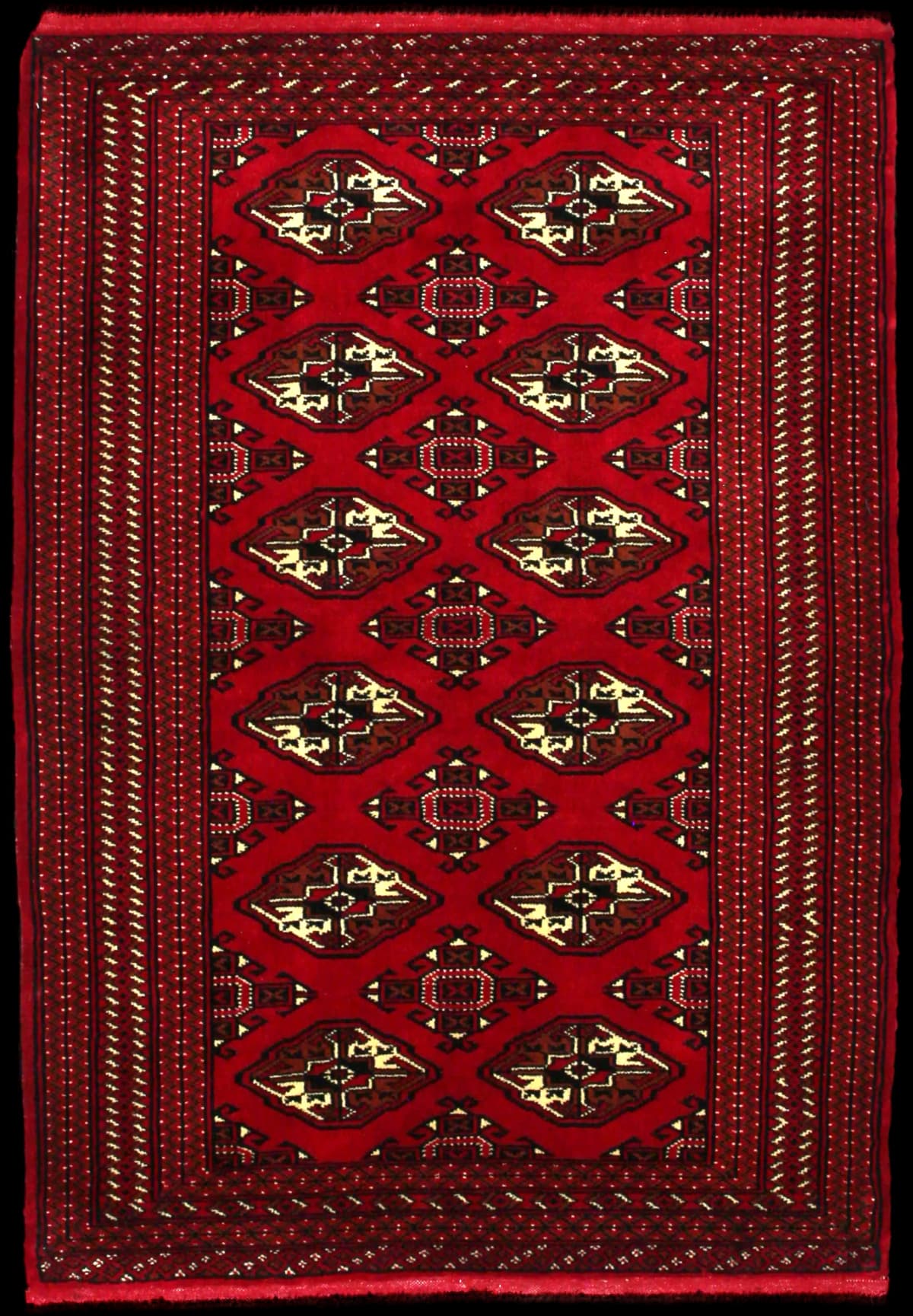
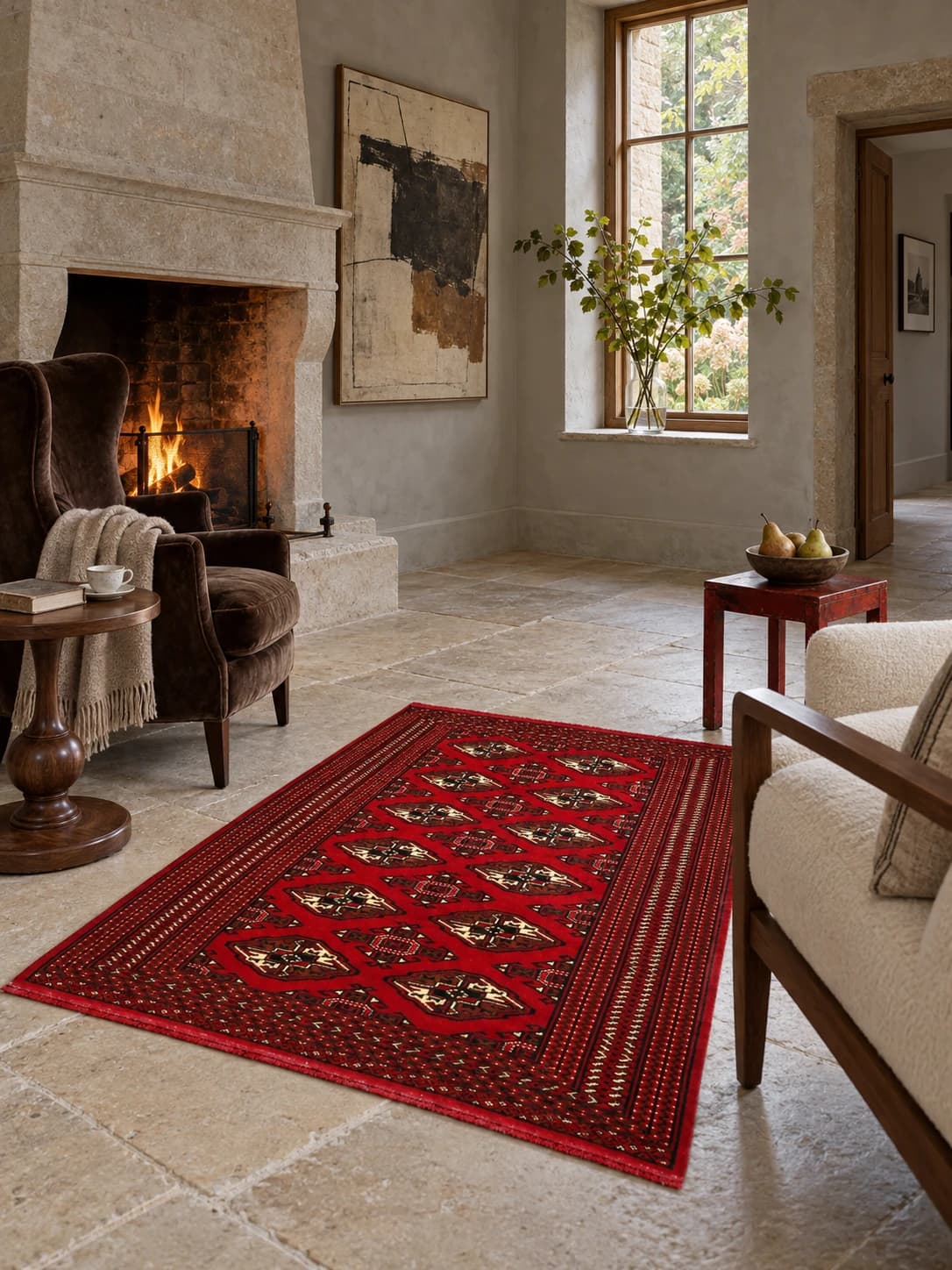
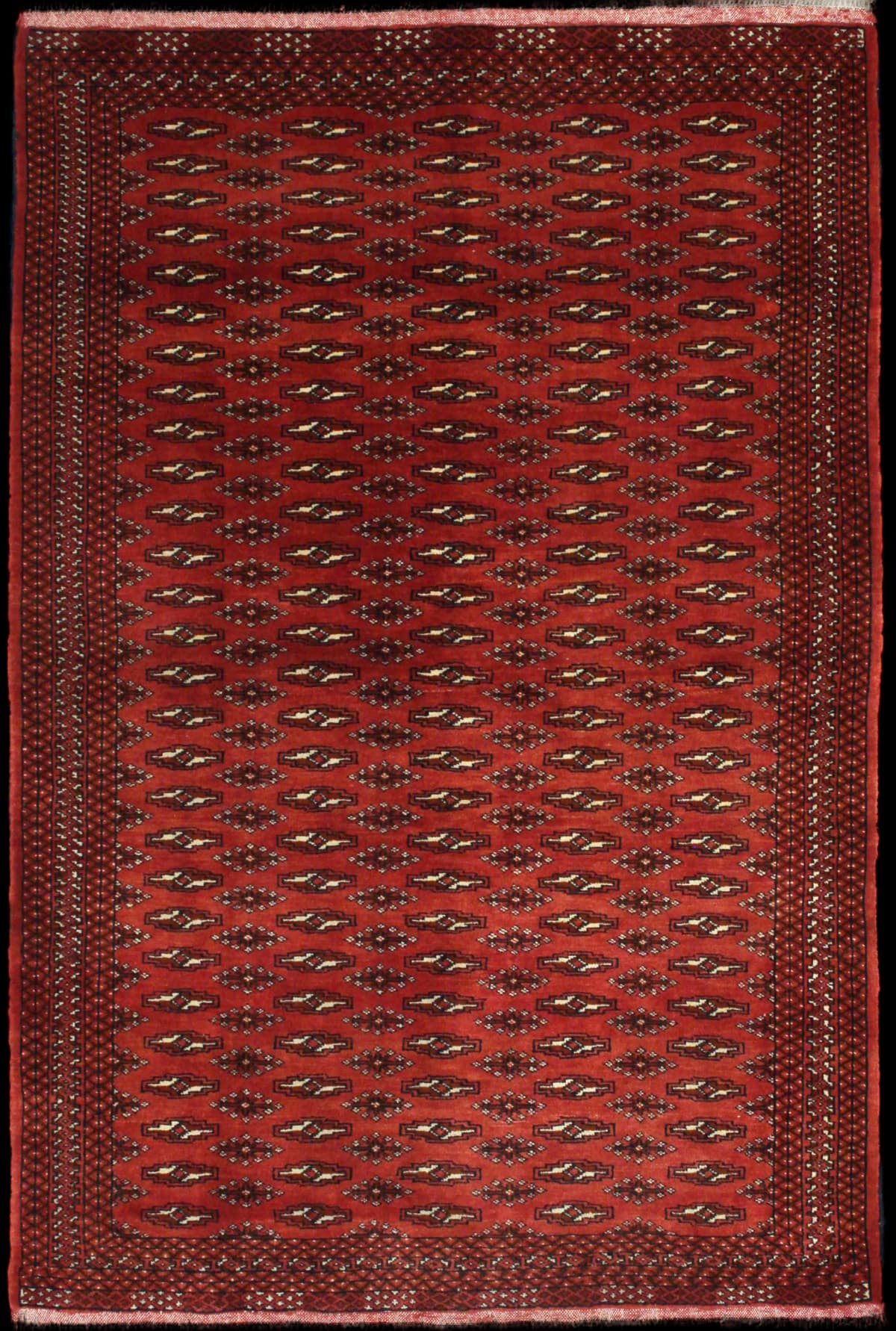
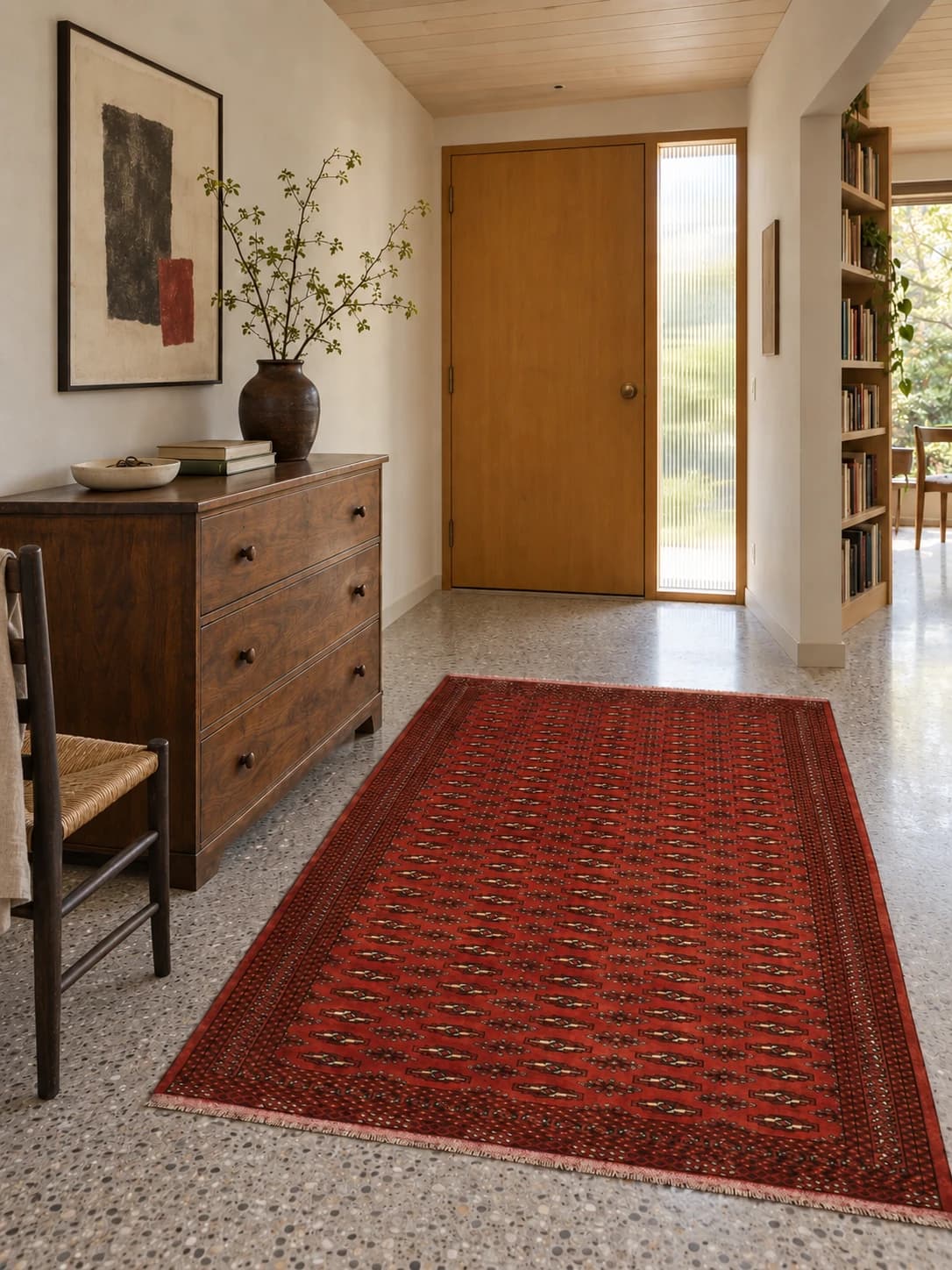
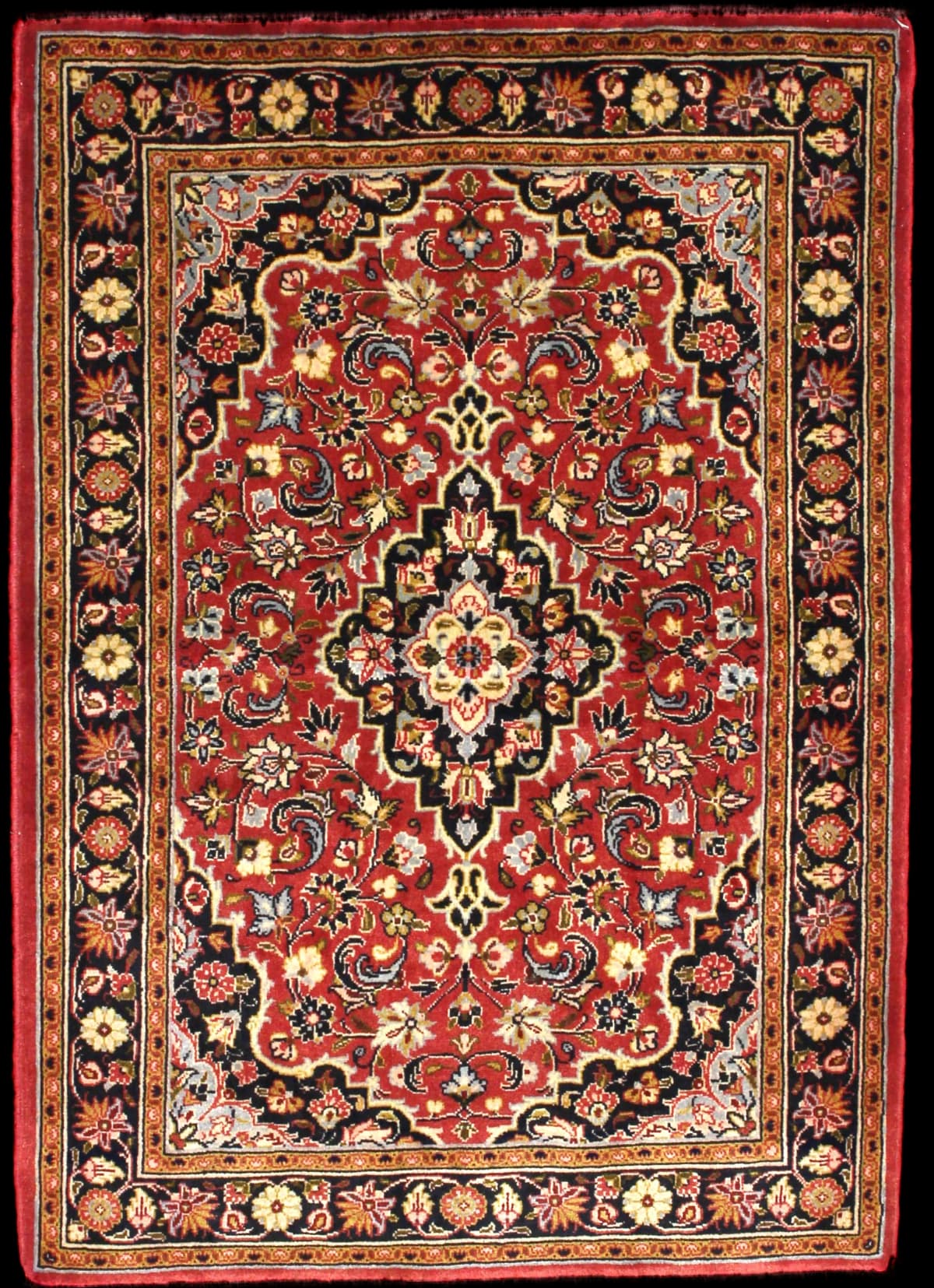
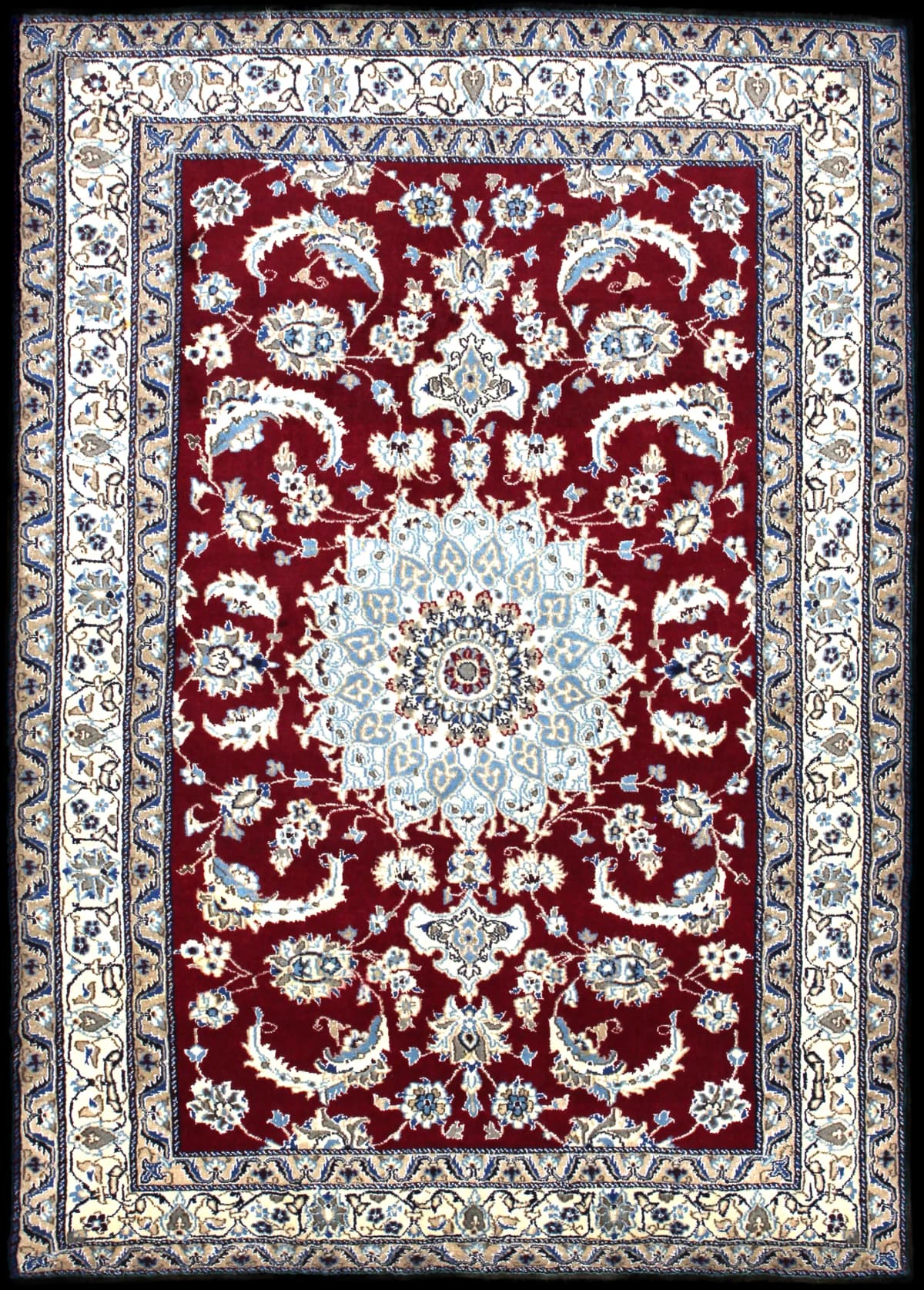
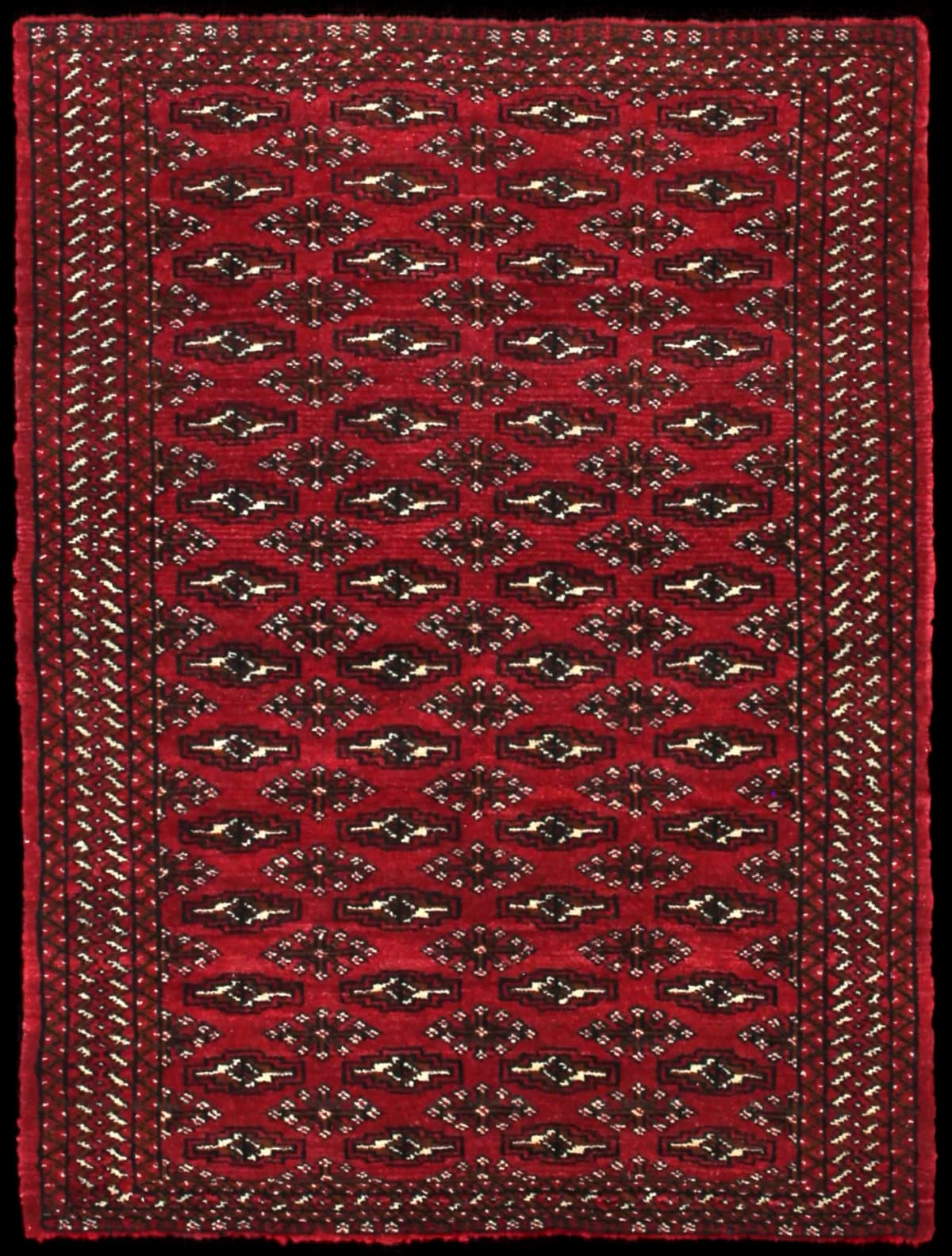
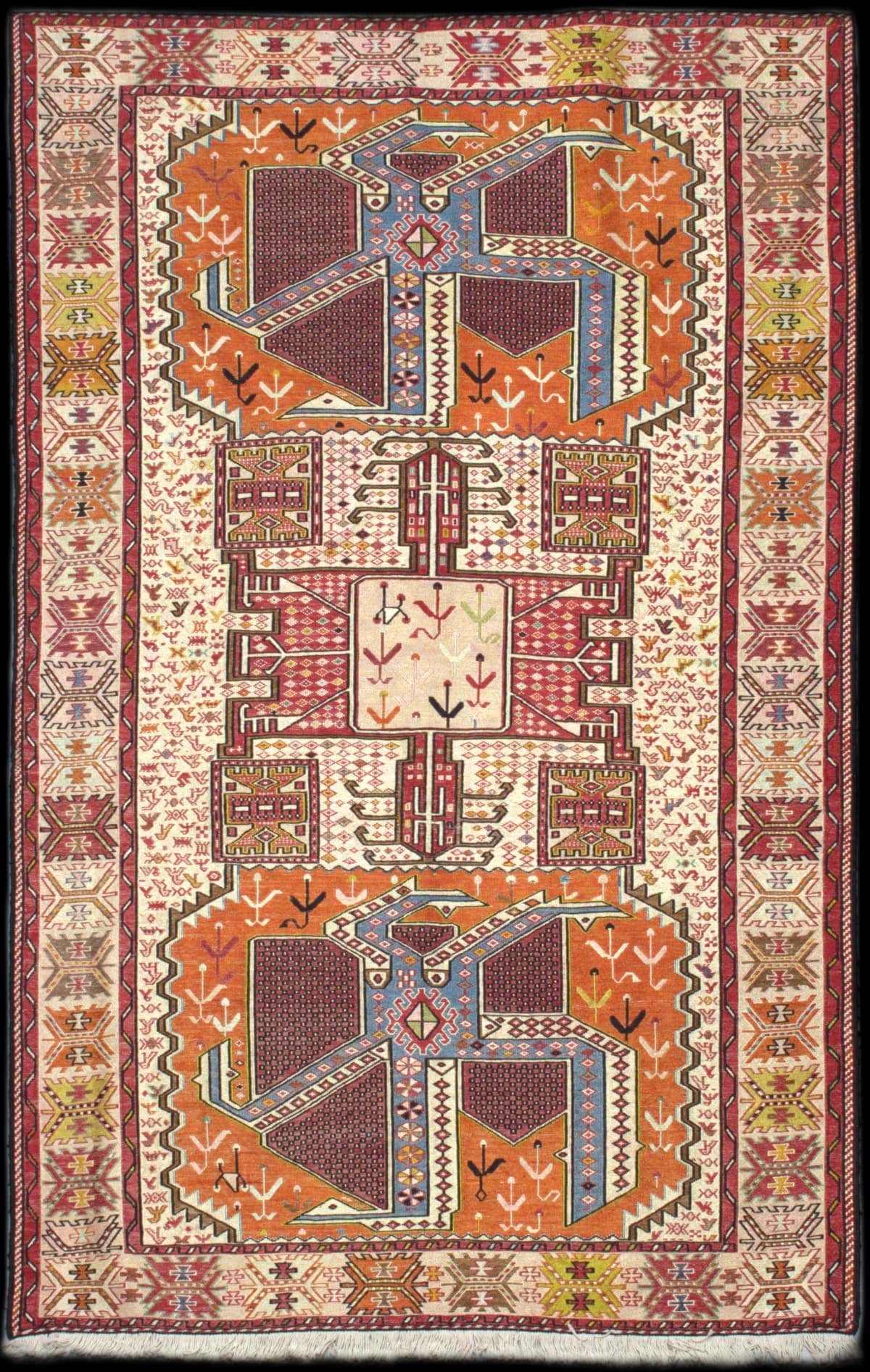
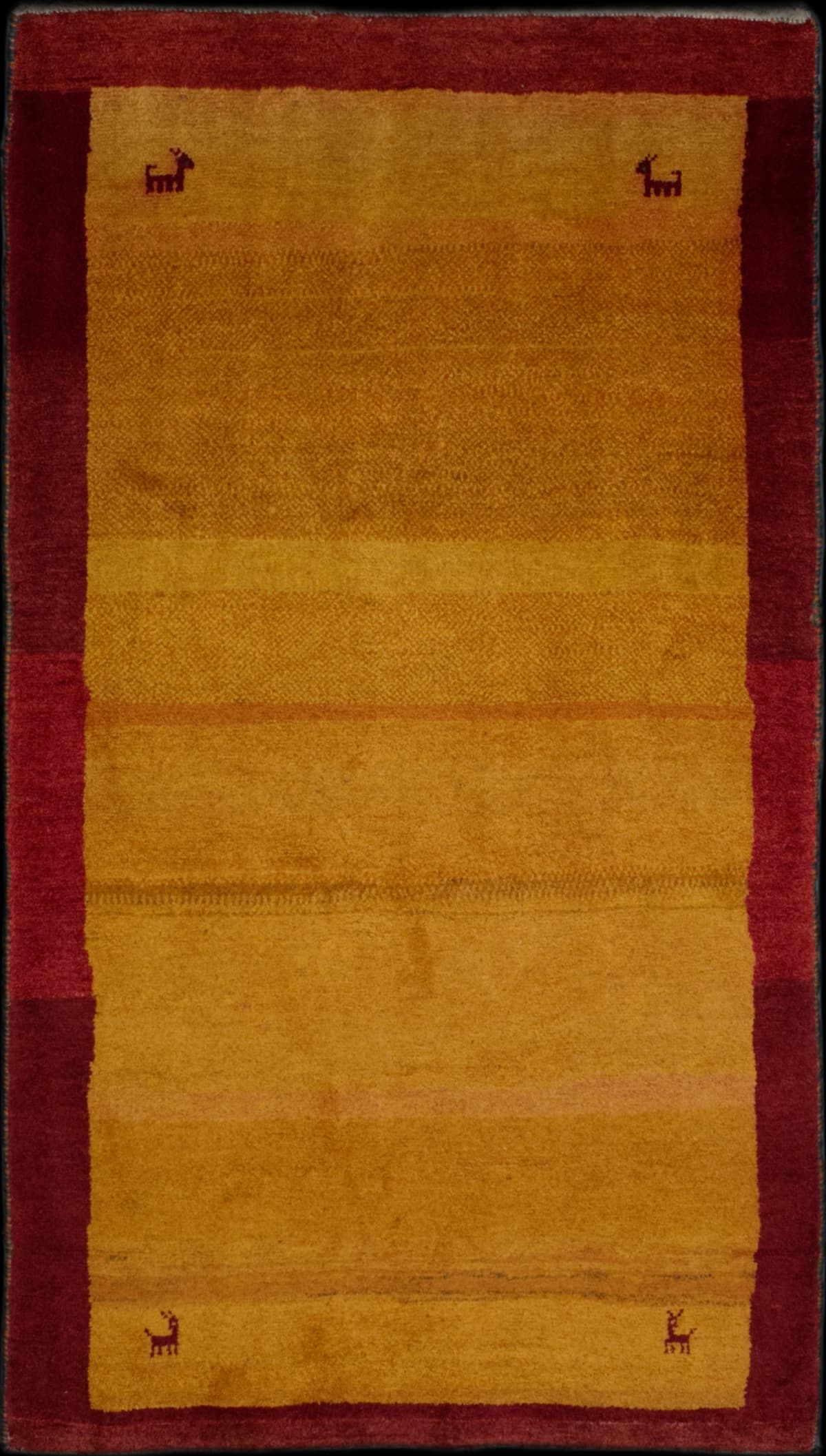
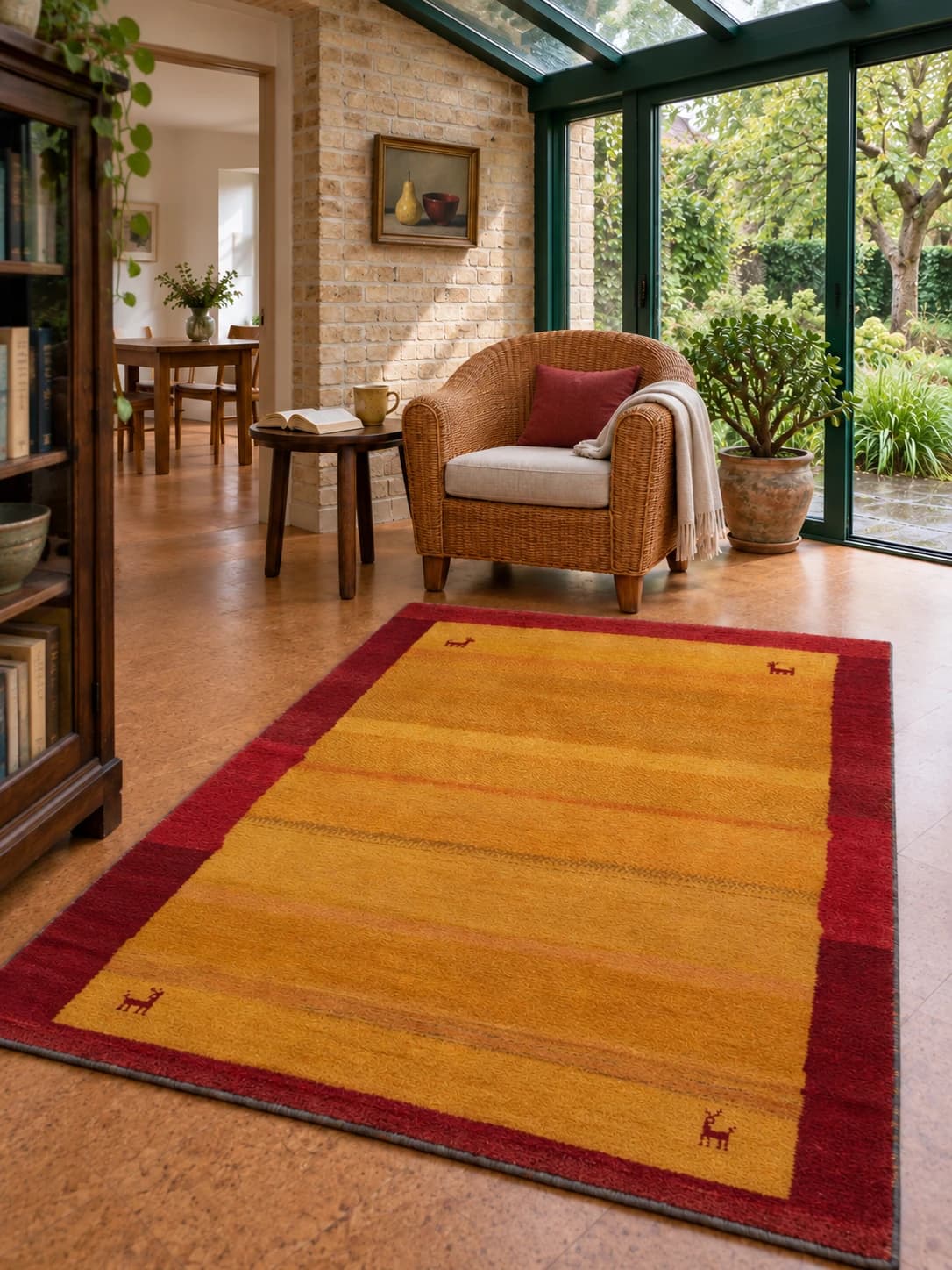
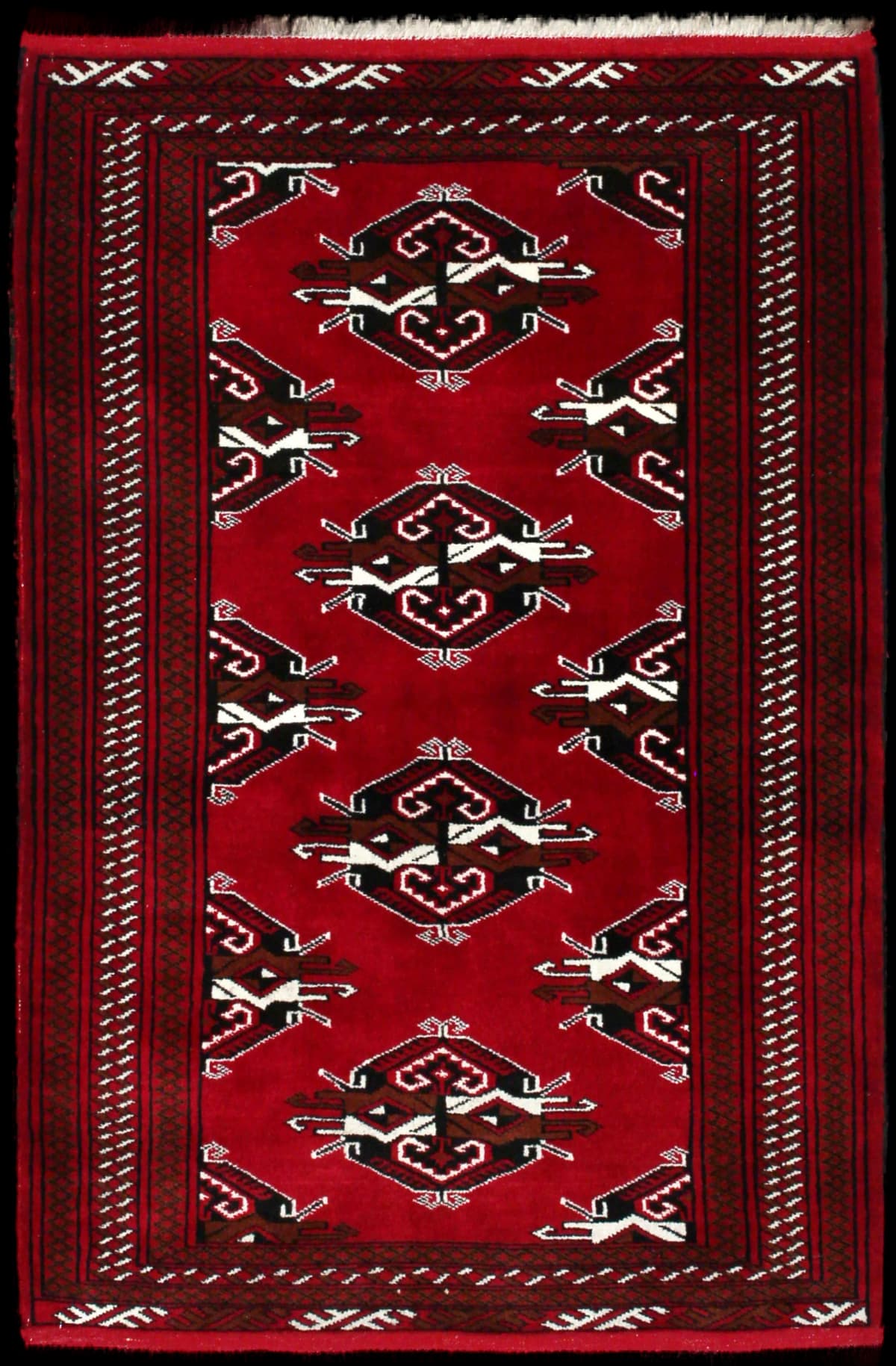
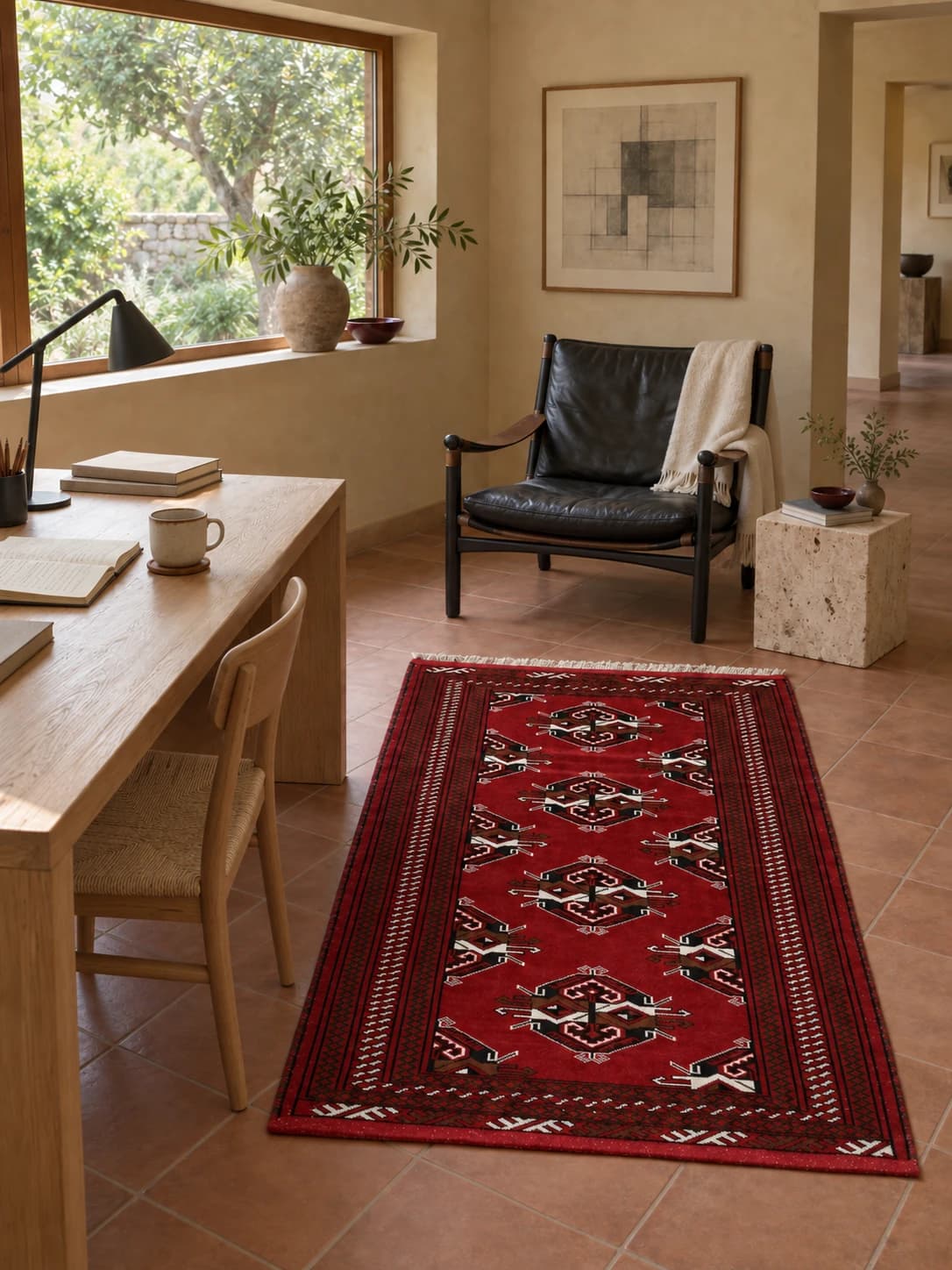
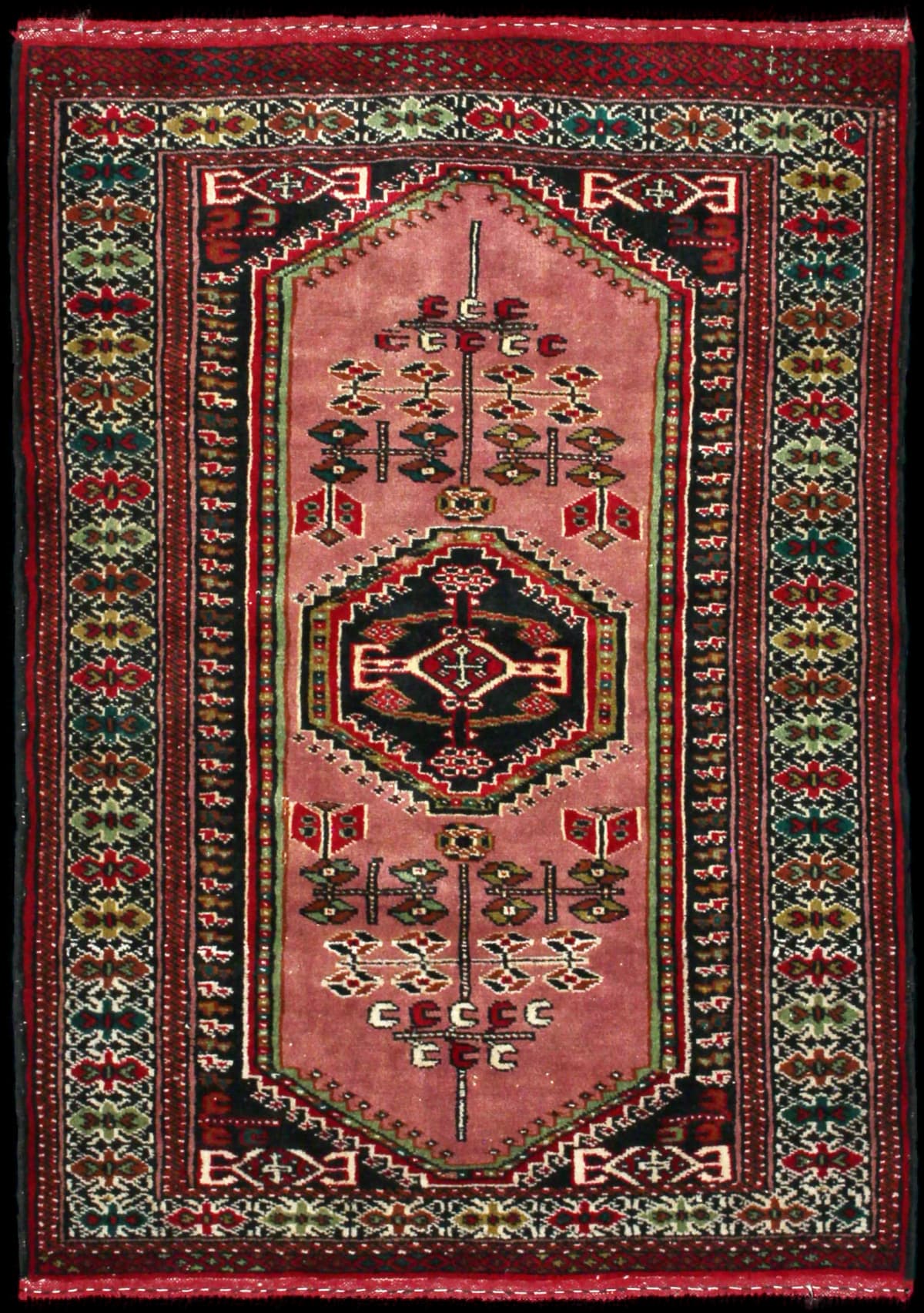
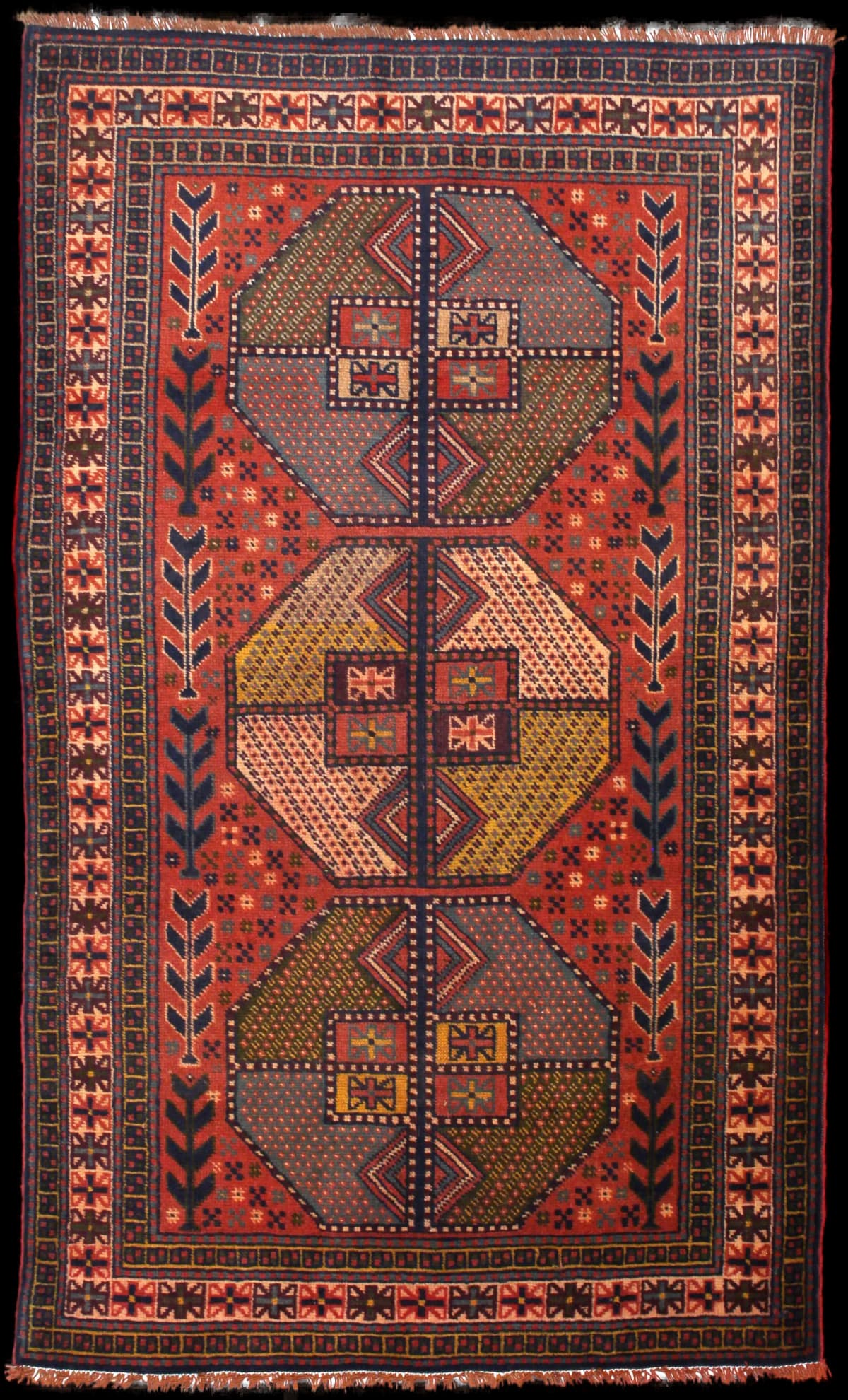
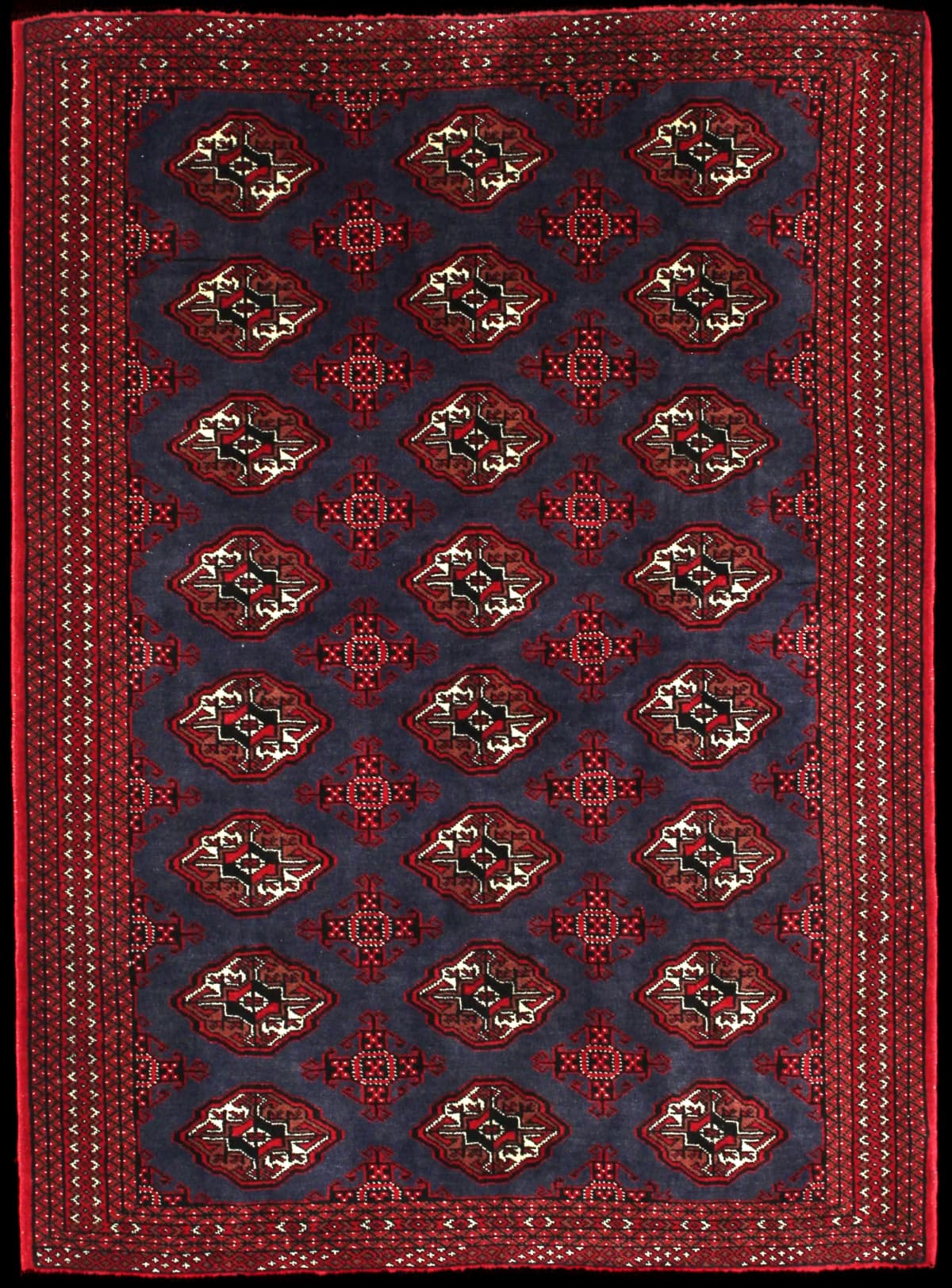
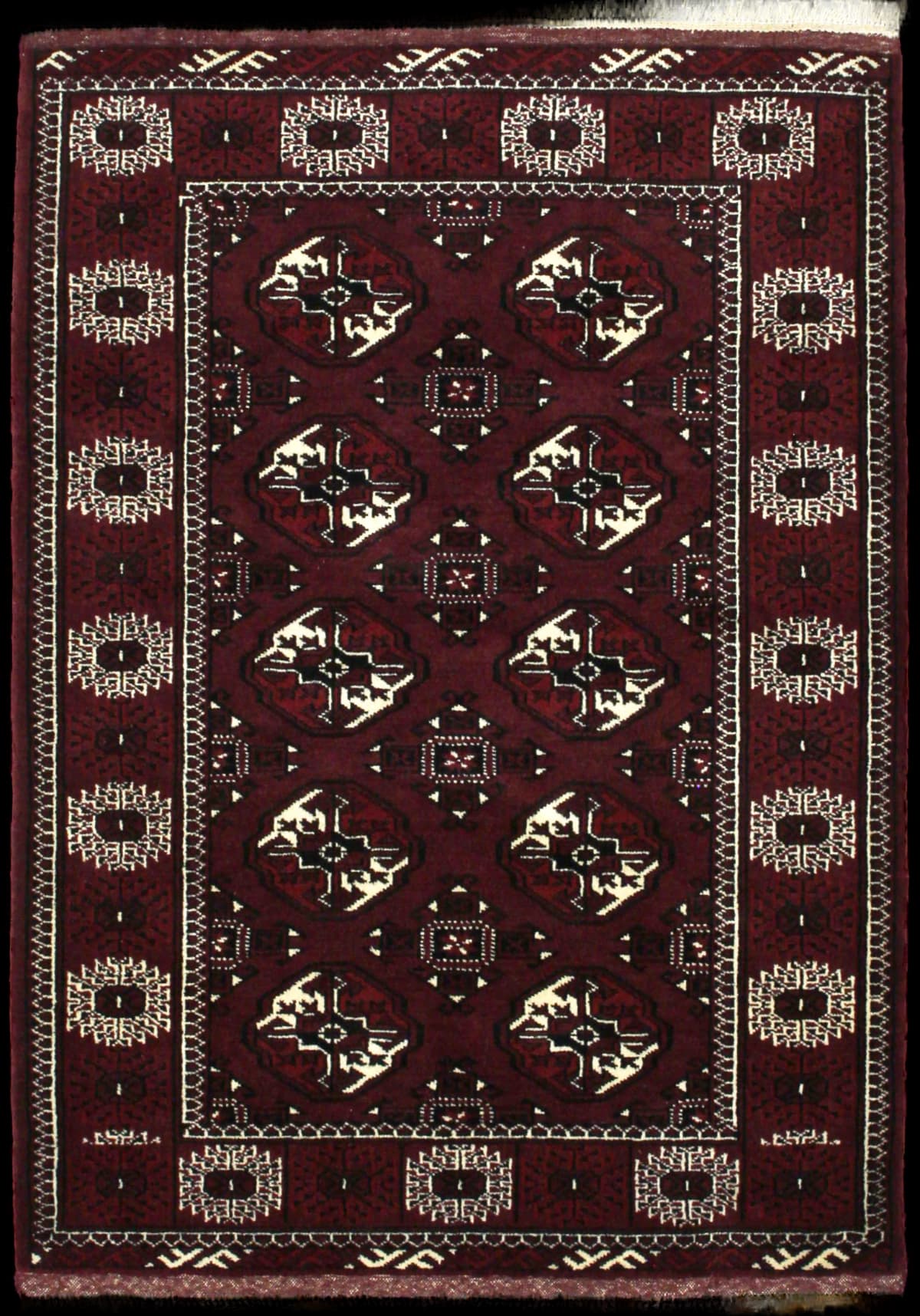
From the region ofنهاوندNahavand
Up close
Origin: Nahavand
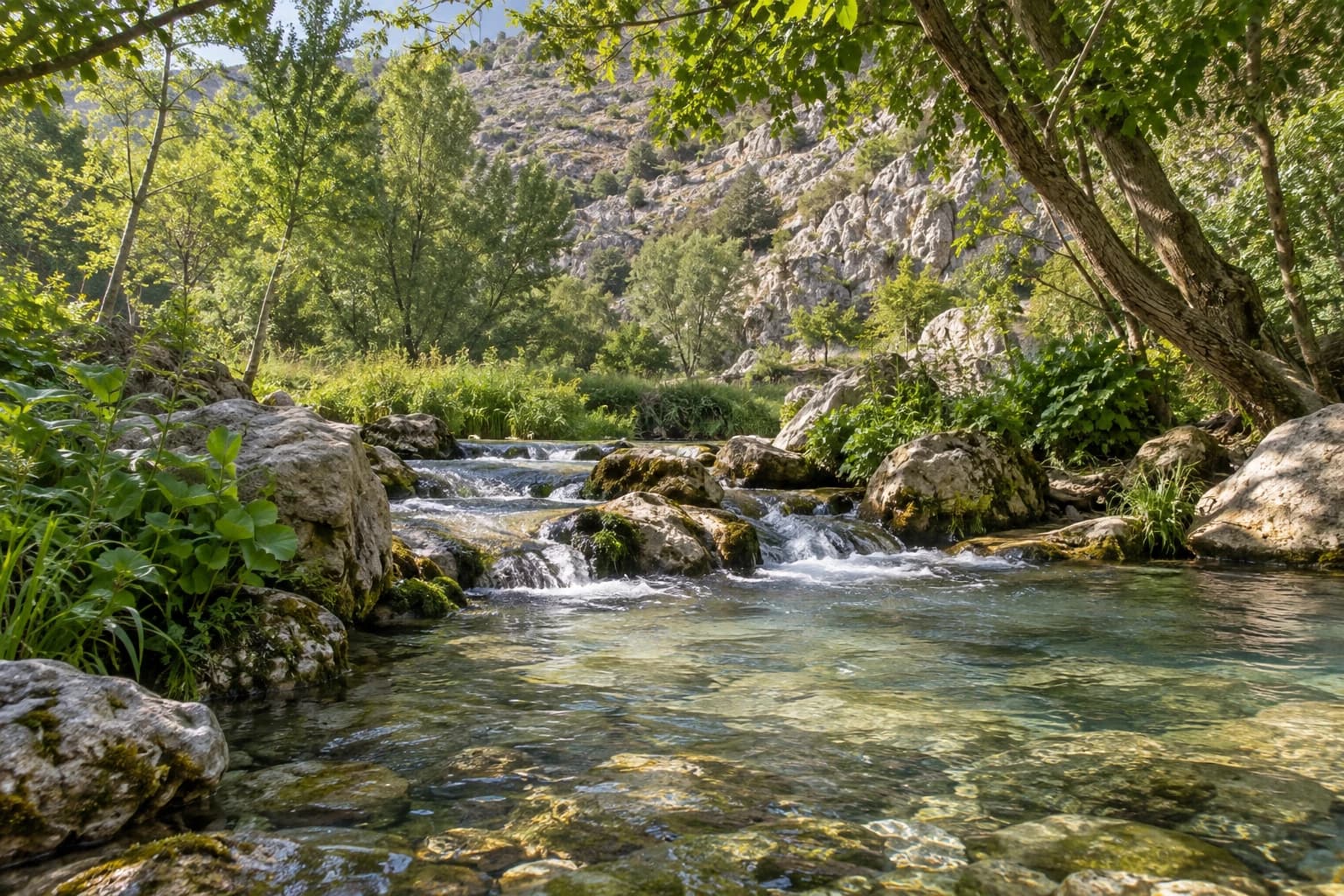
Nahavand is a town and county seat at the southern edge of Hamadan Province in western Iran, set in the Zagros foothills roughly 70 km south of Hamadan city and just north of the Lorestan border. The place is far older than its rugs. It is pre-Islamic in origin and is remembered above all for the Battle of Nahavand in 642 CE, the defeat that ended organised Sasanian resistance to the Arab conquest. Weaving developed here as it did across the rest of the province: as winter work in farming villages, never as a court or workshop industry.
In the rug trade the county has never carried a name of its own. Its output belongs to the greater Hamadan group, the collective label covering the city and the fifteen hundred and more villages spread around it, and pieces woven in Nahavand are normally sold as Hamadan, or set beside the work of neighbouring districts such as Malayer to the north-east. That is worth knowing before reading a rug from here. What follows describes the shared regional practice Nahavand sits inside, not a separate local signature, because no such signature is recognised commercially.
Village weaving in this part of Iran is seasonal and domestic. Winters on the Hamadan plateau and in the Zagros valleys are long and severe, and the loomSee in the carpet dictionary was traditionally set up inside the house, with the family working at it through the cold months and returning to the land in spring. A rug made this way is the product of a household rather than a workshop floor, which is why the group as a whole shows such variety. Neighbouring villages draw the same motifs differently, and no central design office ever imposed a house style on them.
Construction is the most reliable thing that can be said about a rug from this belt. Single wefting is standard practice across the greater Hamadan area, shared with the Kurdish tribal weaves, SennehSee in the carpet dictionary, KarajaSee in the carpet dictionary, Mehraban and BakhtiariSee in the carpet dictionary: one weft thread passes between each row of knots instead of two. You can read it from the back, where the warp shows through as a zigzag trail of white flecks between the rows. On a double-weftedSee in the carpet dictionary rug the foundation stays hidden, so this is one of the few structural checks a buyer can make without any expertise at all.
Materials follow the regional pattern: a woolSee in the carpet dictionary pileSee in the carpet dictionary on a cotton foundation, with older pieces occasionally found on a wool foundationSee in the carpet dictionary throughout. The wool is taken from sheep grazed on the high ground of the surrounding mountains, and hill pasture is generally reckoned to yield a stronger, more lustrous fleece than lowland grazing. Nahavand sits at Zagros altitude, inside that same band of upland grazing. Cotton warps hold the rug square and stable over decades of use, while the wool carries the colour and does the wearing.
Knotting is Turkish, also called the symmetrical or Ghiordes knotSee in the carpet dictionary, looped around two warps so that it grips evenly on either side. Its use here is not incidental. The symmetrical knot arrived in Persian weaving with the Seljuk Turks in the eleventh and twelfth centuries, brought by the weavers who came with them, and it took root hardest in the north-west. Tabriz, Azerbaijan and the Hamadan belt have kept it ever since, while the older asymmetrical Persian knotSee in the carpet dictionary held its ground through much of central and southern Persia. A rug from the Hamadan group is therefore Turkish-knotted almost by definition.
DensitySee in the carpet dictionary in the village weaves of the group sits on the low to medium side, with the city workshops of Hamadan running finer. The group as a whole is usually placed in the 80 to 200 knots per square inchSee in the carpet dictionary band, the everyday tier that also takes in HerizSee in the carpet dictionary and a good deal of Tabriz work: durable, clearly drawn and built to be walked on. A higher count is not automatically a better rug. Fineness serves curvilinear floral drawing, and it is the wrong measure for a geometric village piece, where the confidence of the drawing counts for far more than the fineness of the grid.
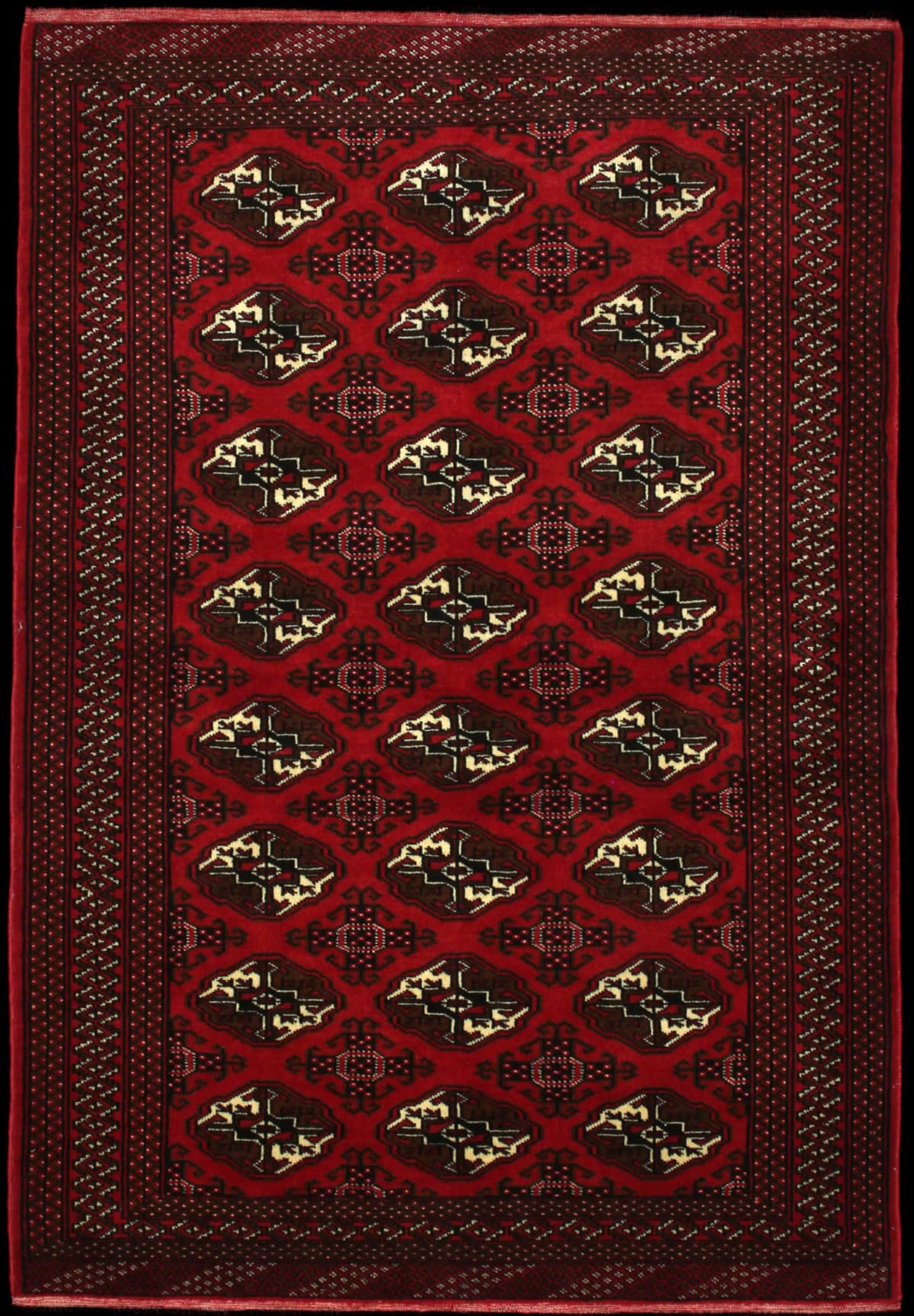
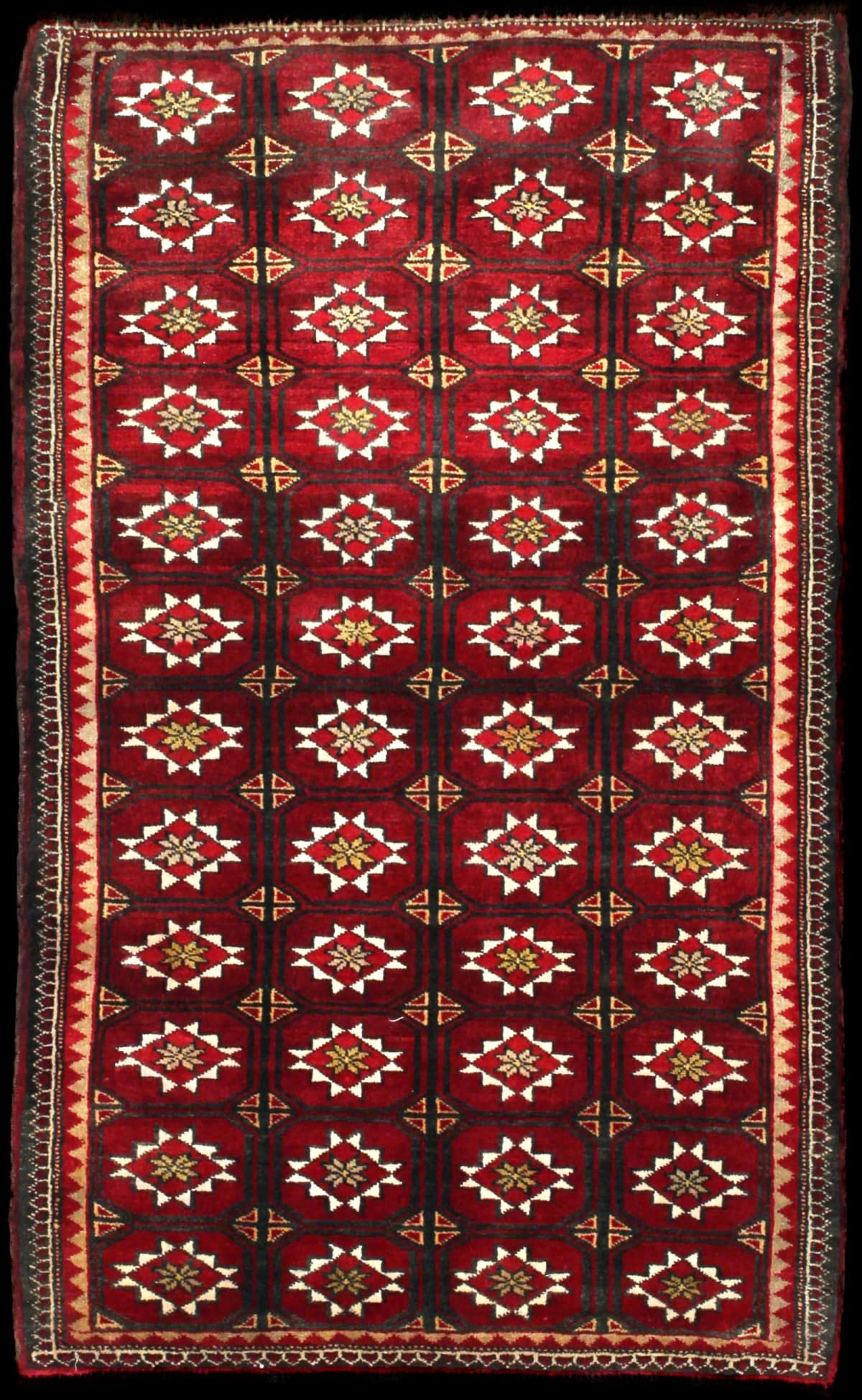
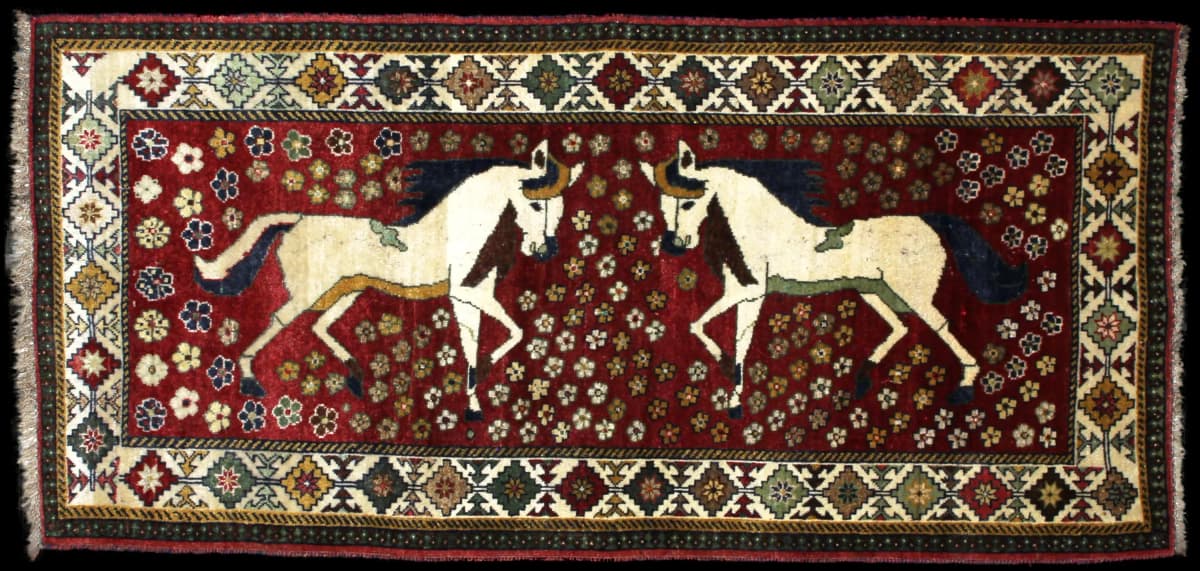
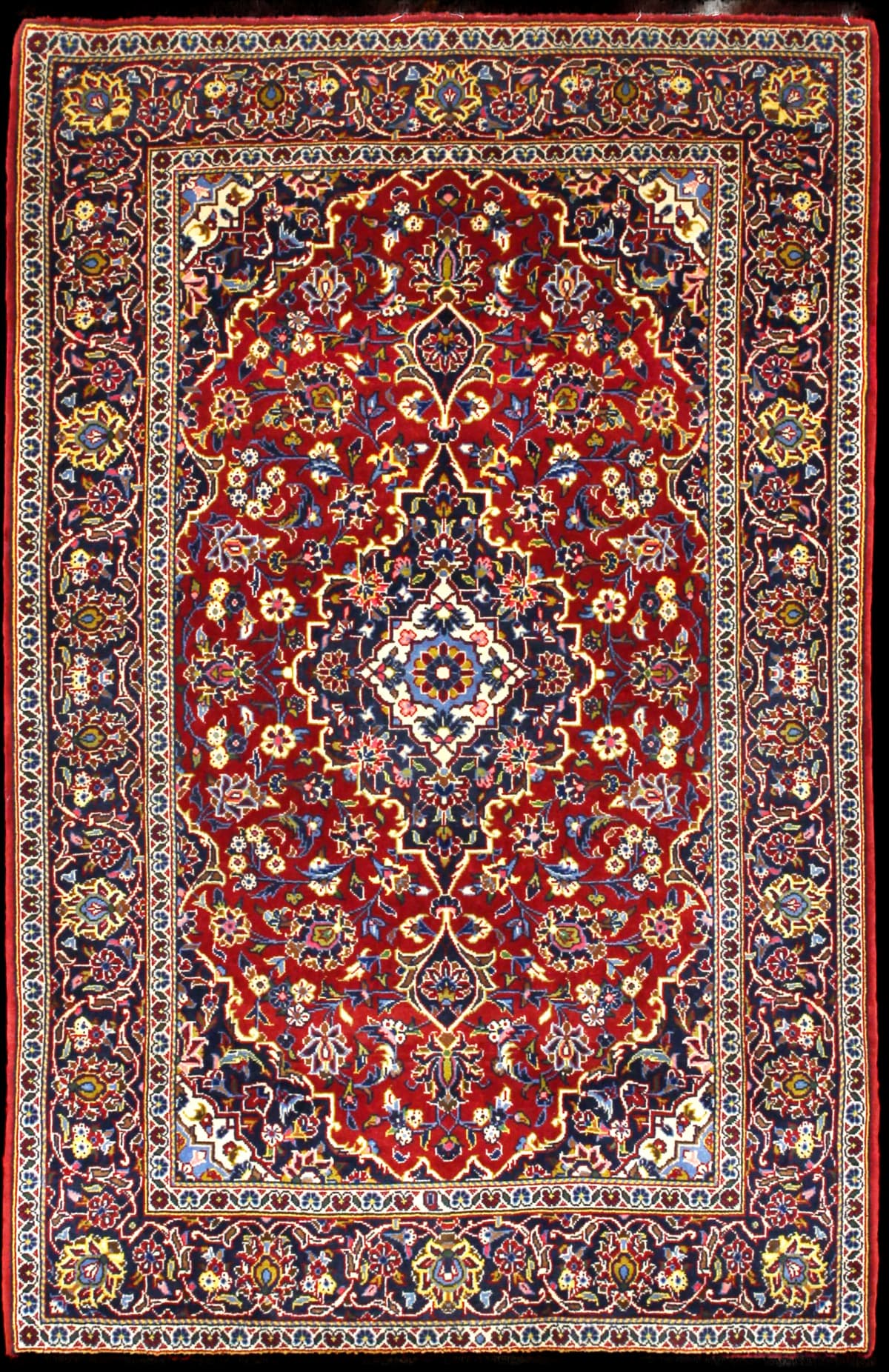
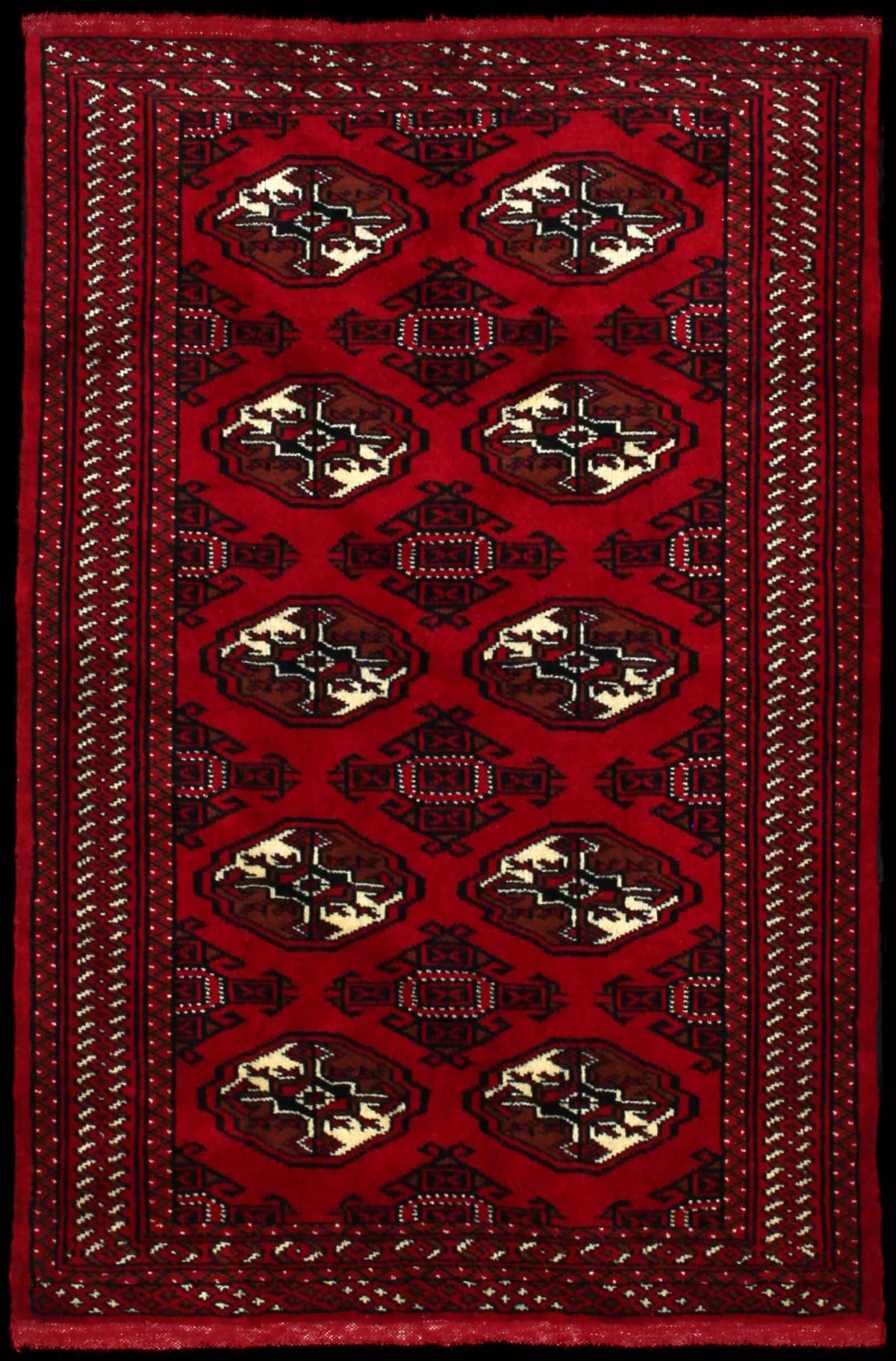
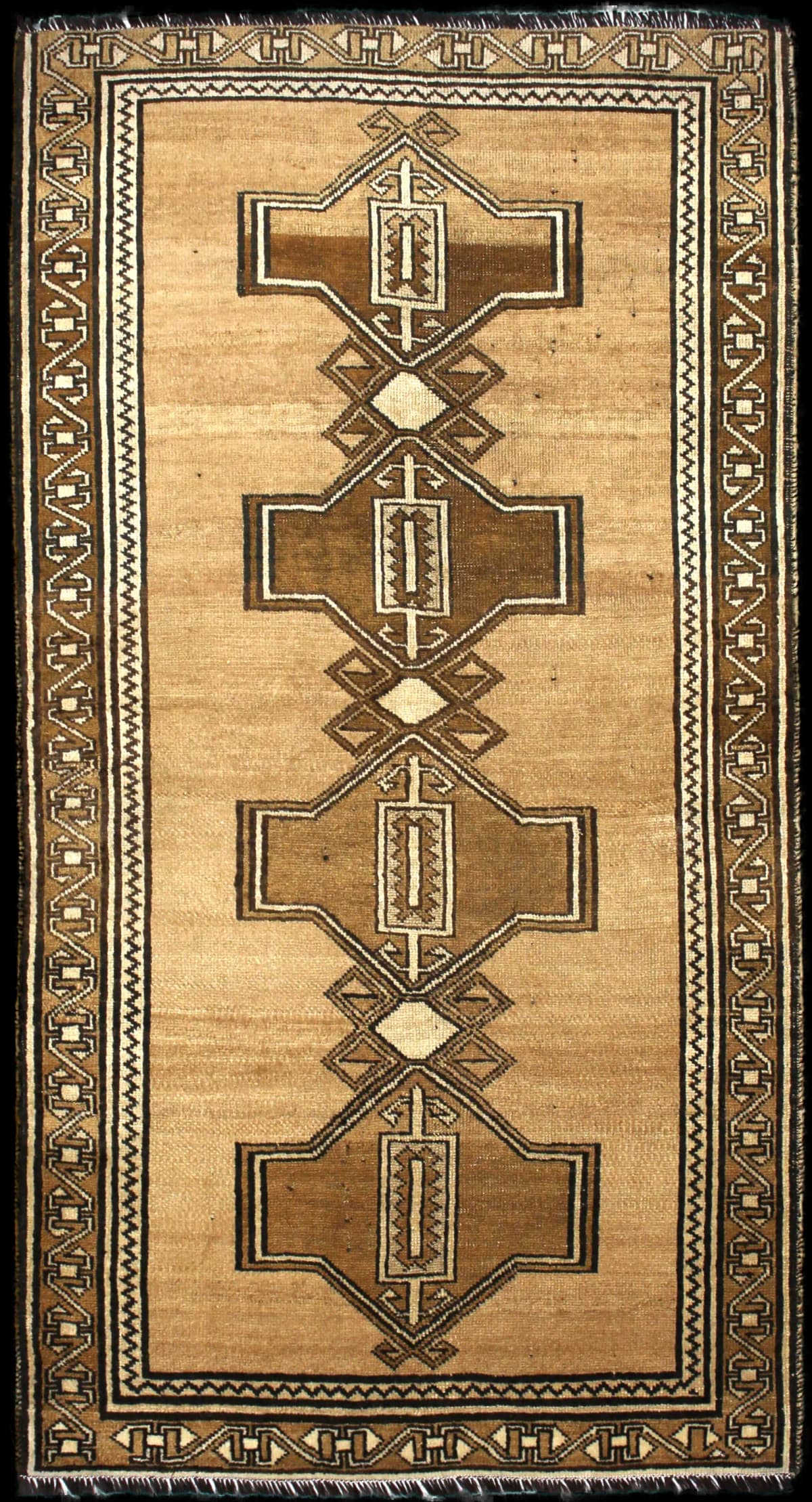
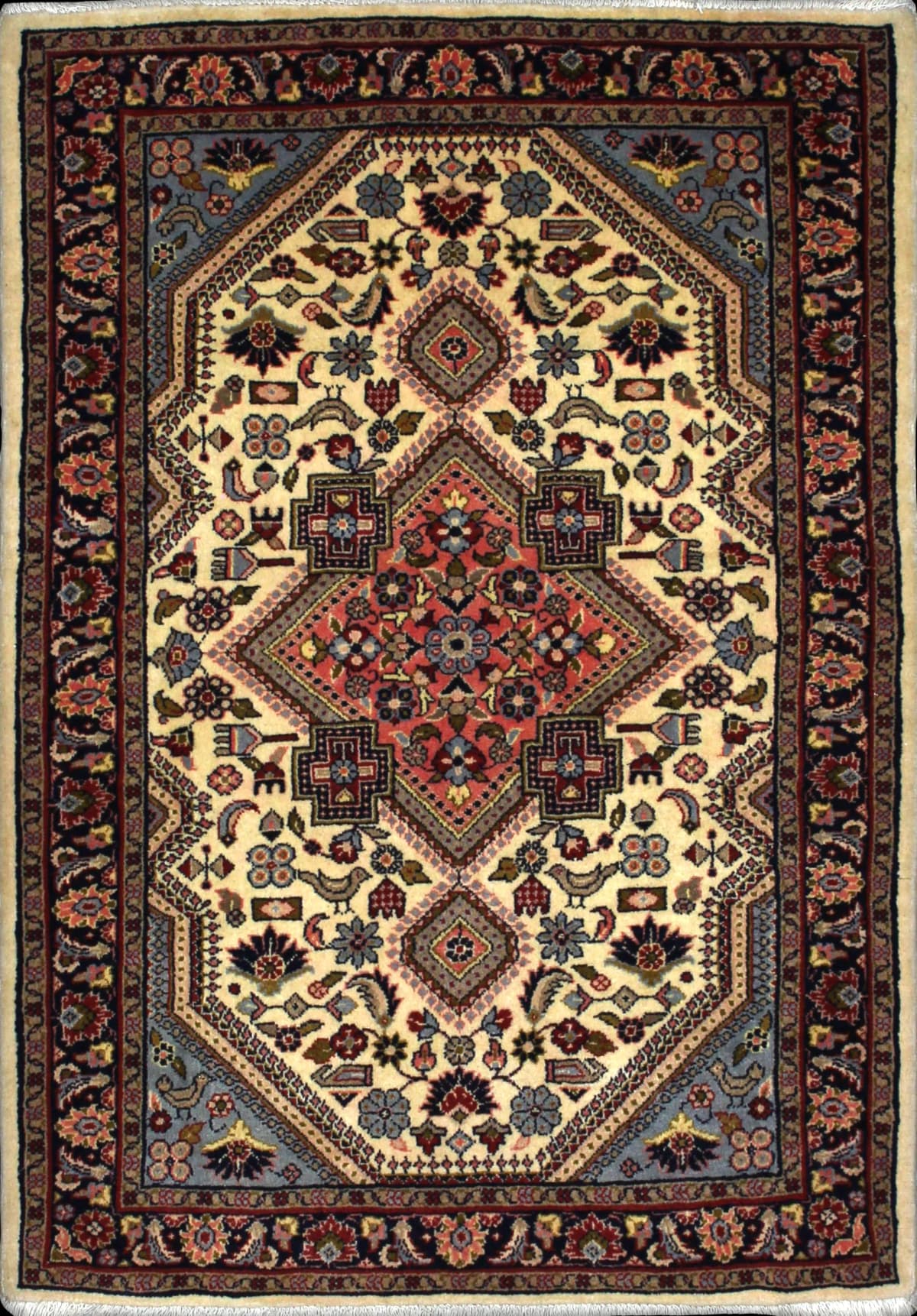
Designs across the belt are predominantly geometric, though floral work, medallions, medallionSee in the carpet dictionary-and-corner layouts and allover fields all occur. Medallions tend to be hexagonal or diamond-shaped rather than the lobed rosettes of the city looms. Open-field designs, in which a plain ground is left largely bare and the interest is carried by the border and a small central device, also belong to the repertoire. The angularity is a consequence of the loom and the knot: a geometric reading of a floral motif is the normal village solution, not a rustic failure to manage a curve.
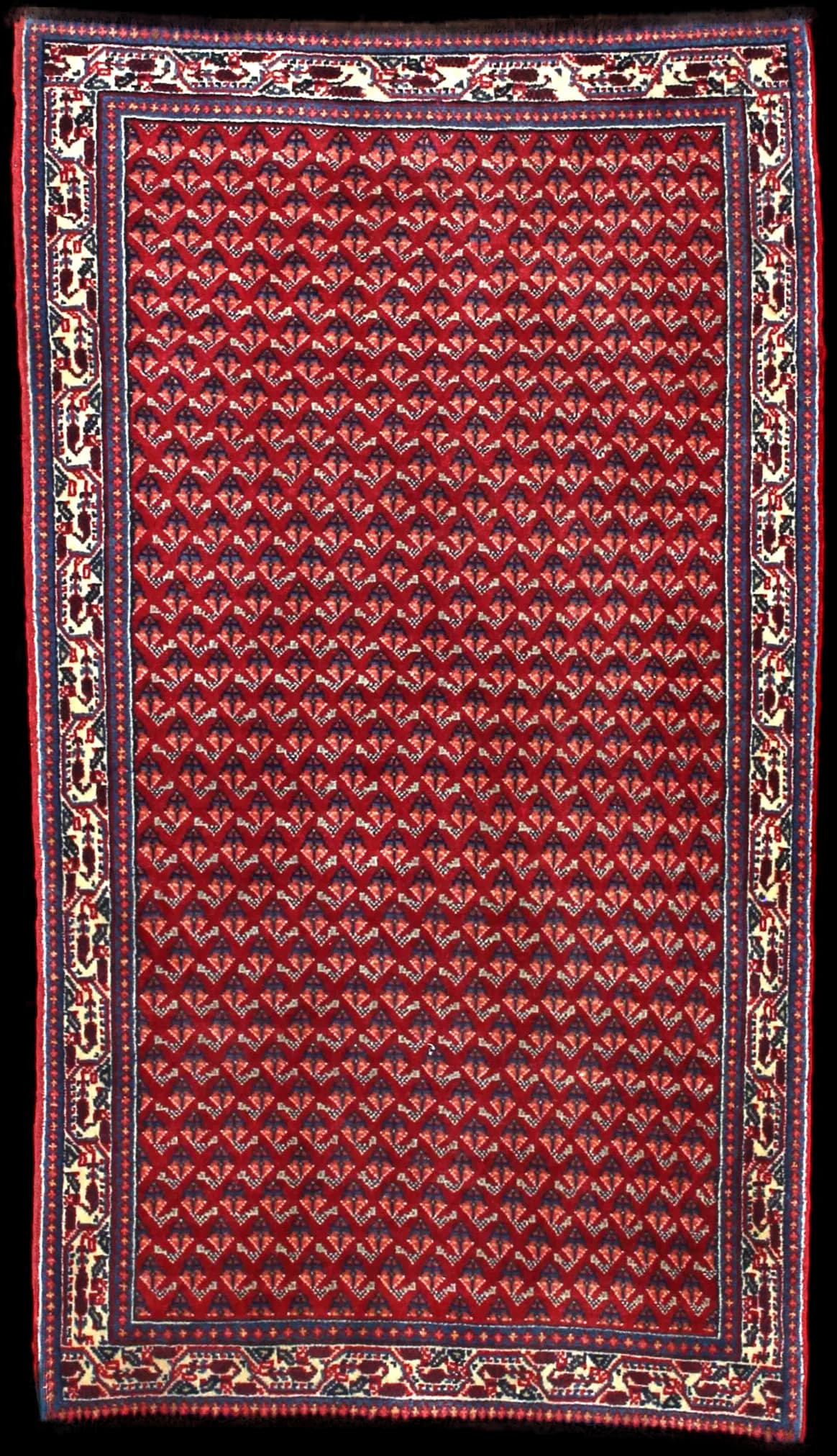
One motif recurs more than any other. The Herati, also called mahi, which is simply the Farsi word for fish, sets a small rosetteSee in the carpet dictionary inside a diamond and surrounds it with curved leaves, then repeats that unit across the whole field. It is a staple from Tabriz to BijarSee in the carpet dictionary, SaroukSee in the carpet dictionary and Mashhad, and the Hamadan villages weave it constantly, usually in a stiffer and more angular reading than a city loom would give it. On a long runner from this region it is the design you are most likely to meet.
Colour in the village weaves stays within a narrow and confident range: red, deep blue and cream grounds, with highlights in blue, ivory and yellow. Unusual grounds, a yellow field for instance, generally point to city workshop production rather than a village loom. Household dyeing leaves its own mark too. Natural dyes are made up in small batches and no two pots come out chemically identical, so a rug that used several lots of one colour shows abrashSee in the carpet dictionary, the gentle horizontal banding where one lot met the next. It is a signature of hand work rather than a fault, and on older pieces the bands often grow clearer as the lots mellow at different rates.
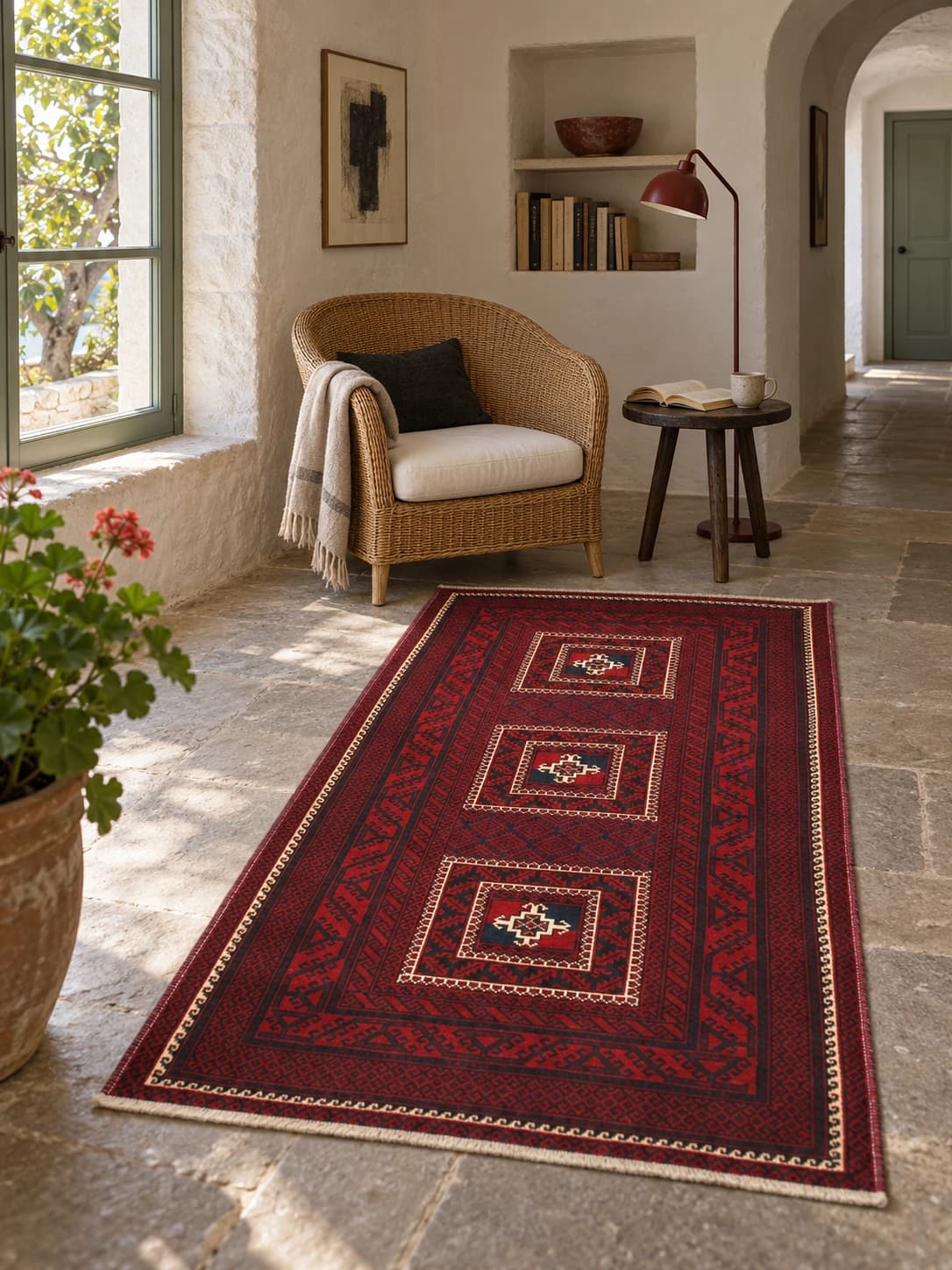
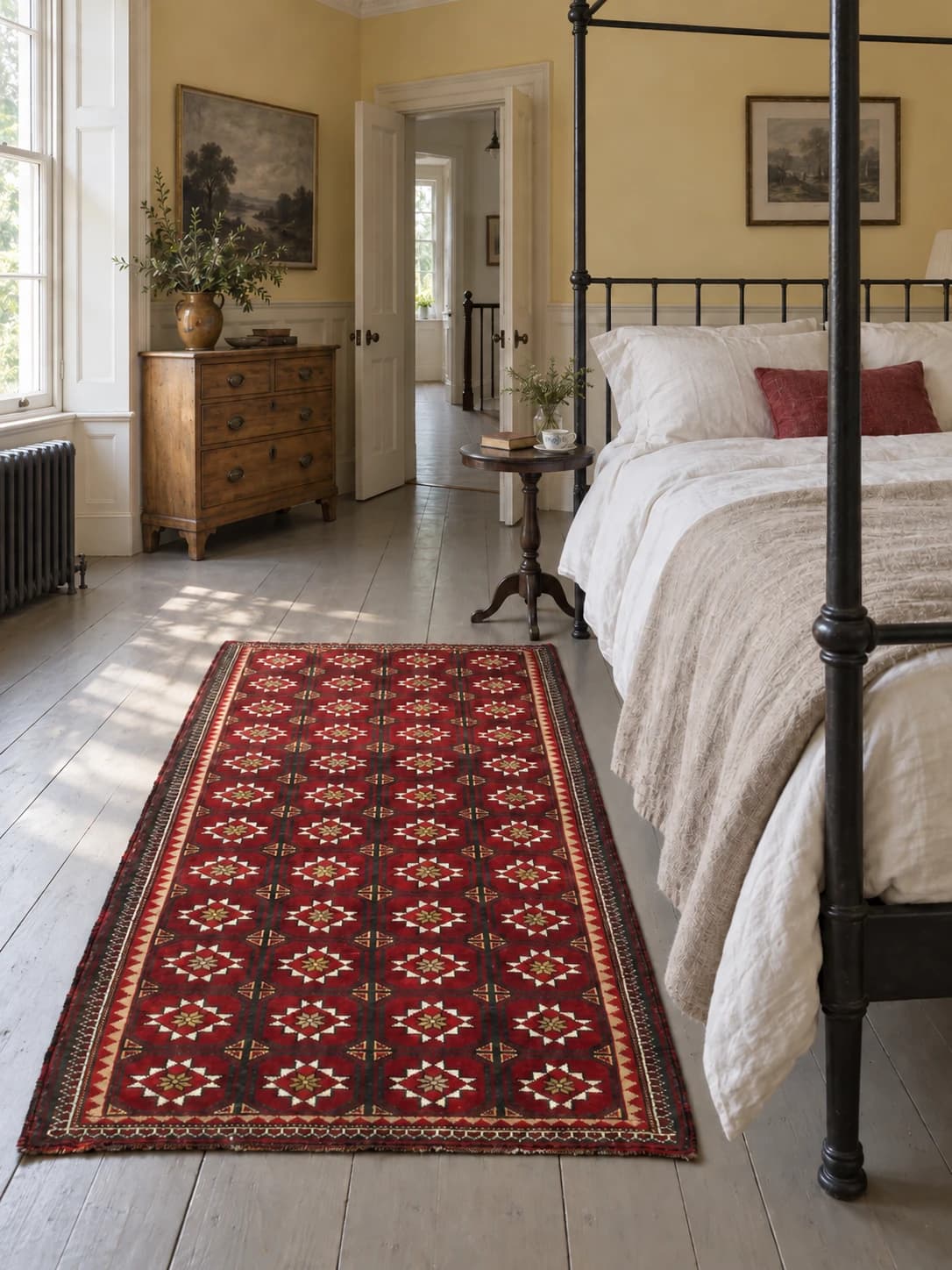
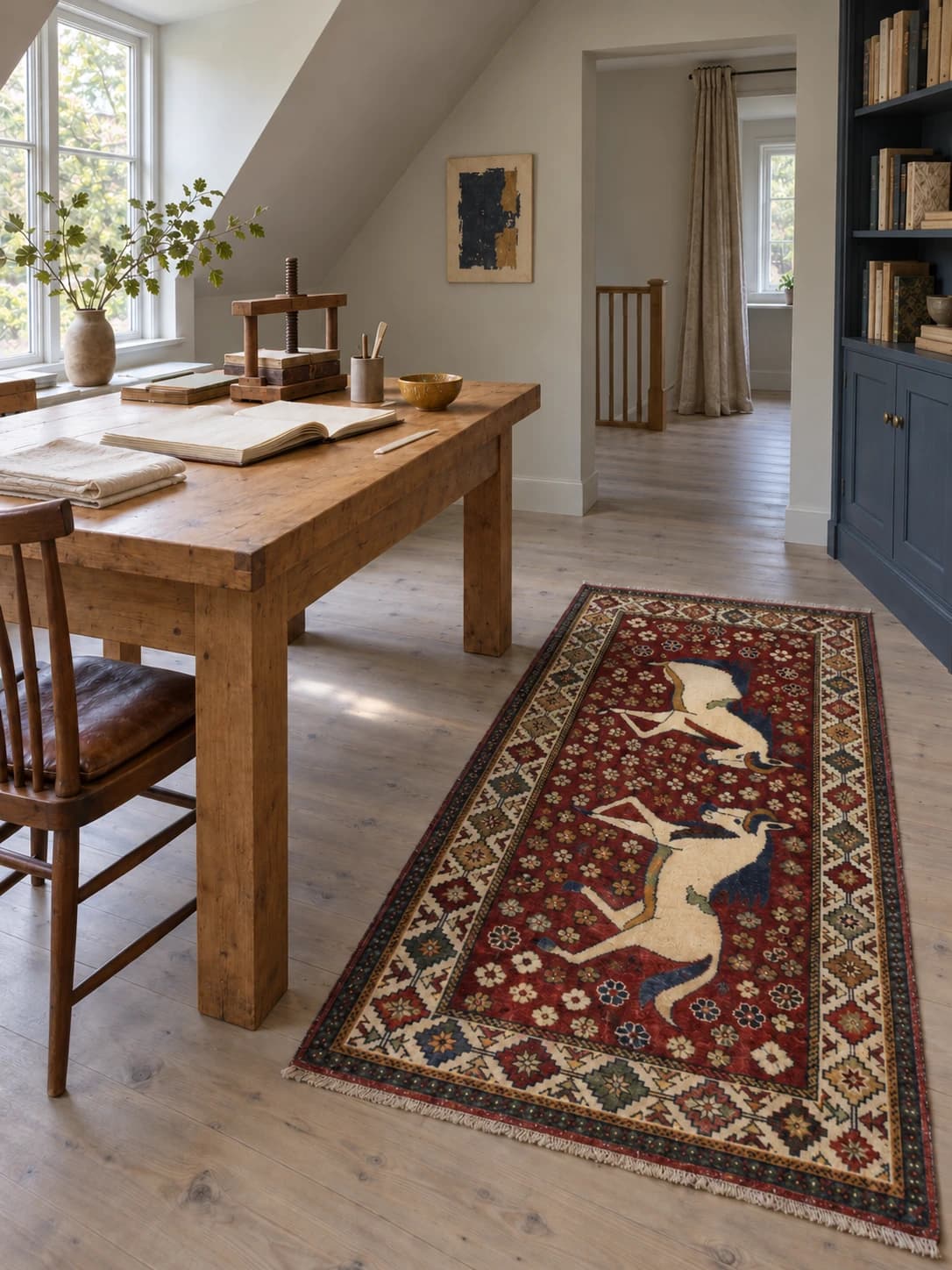
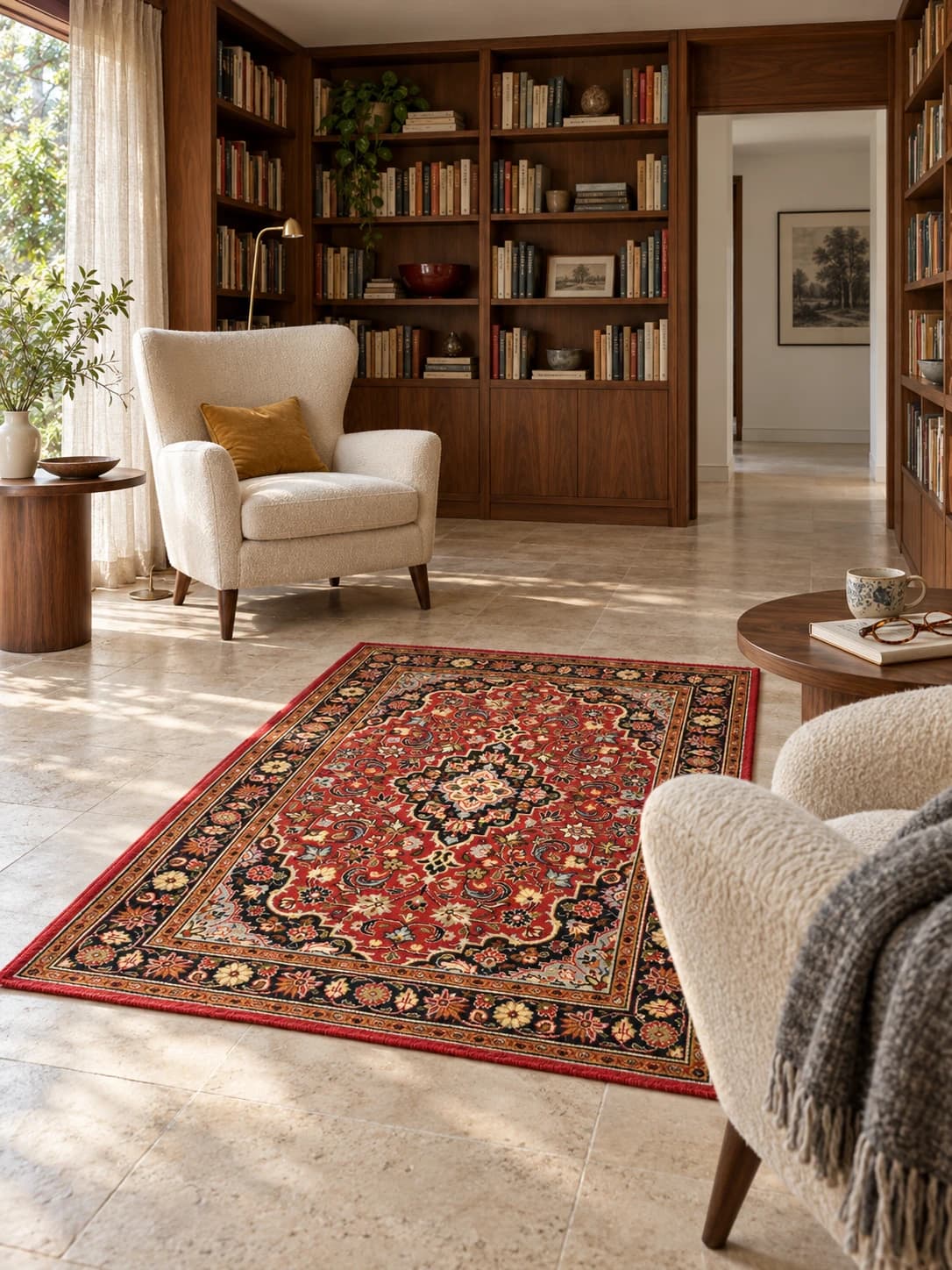
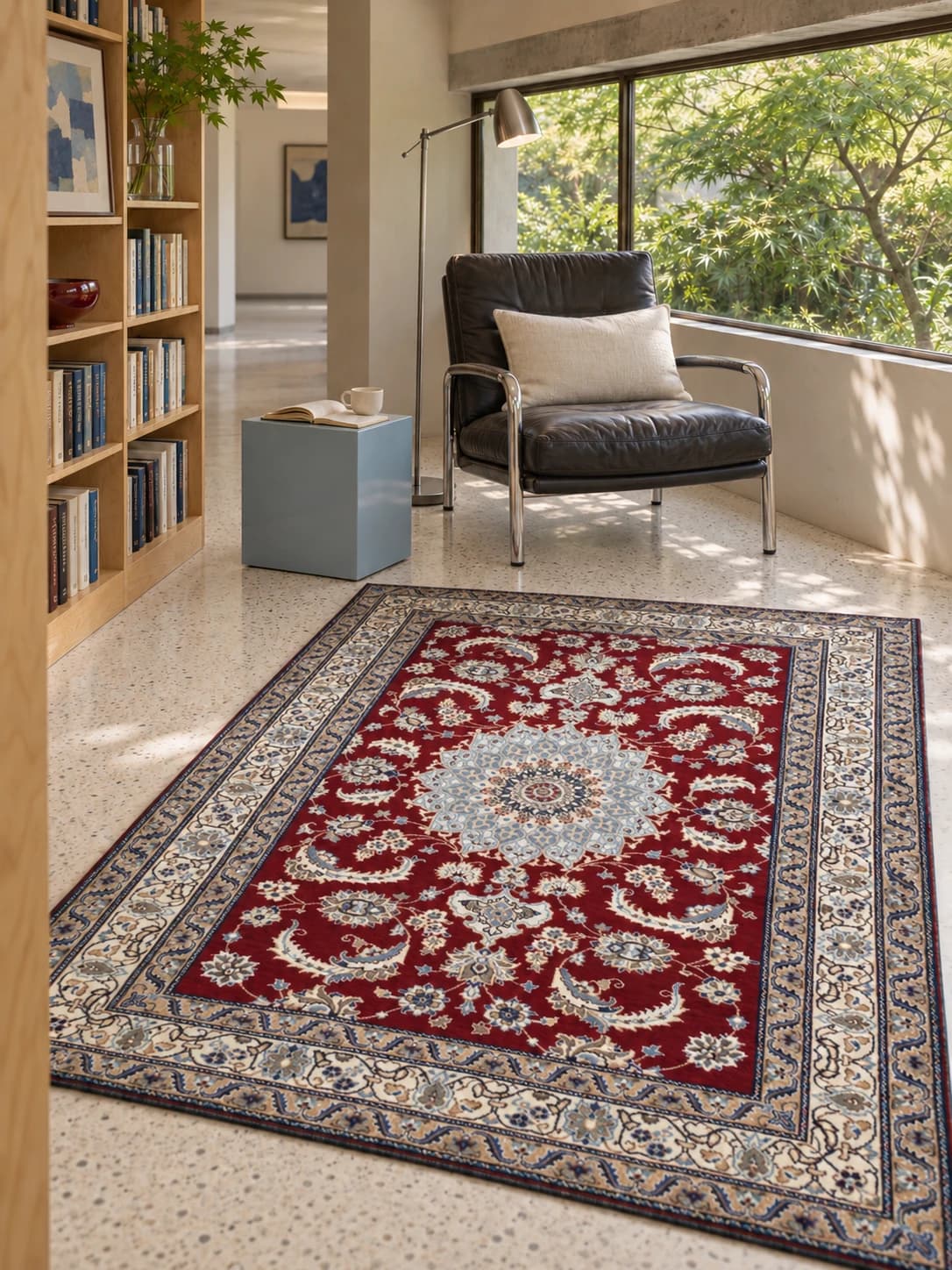
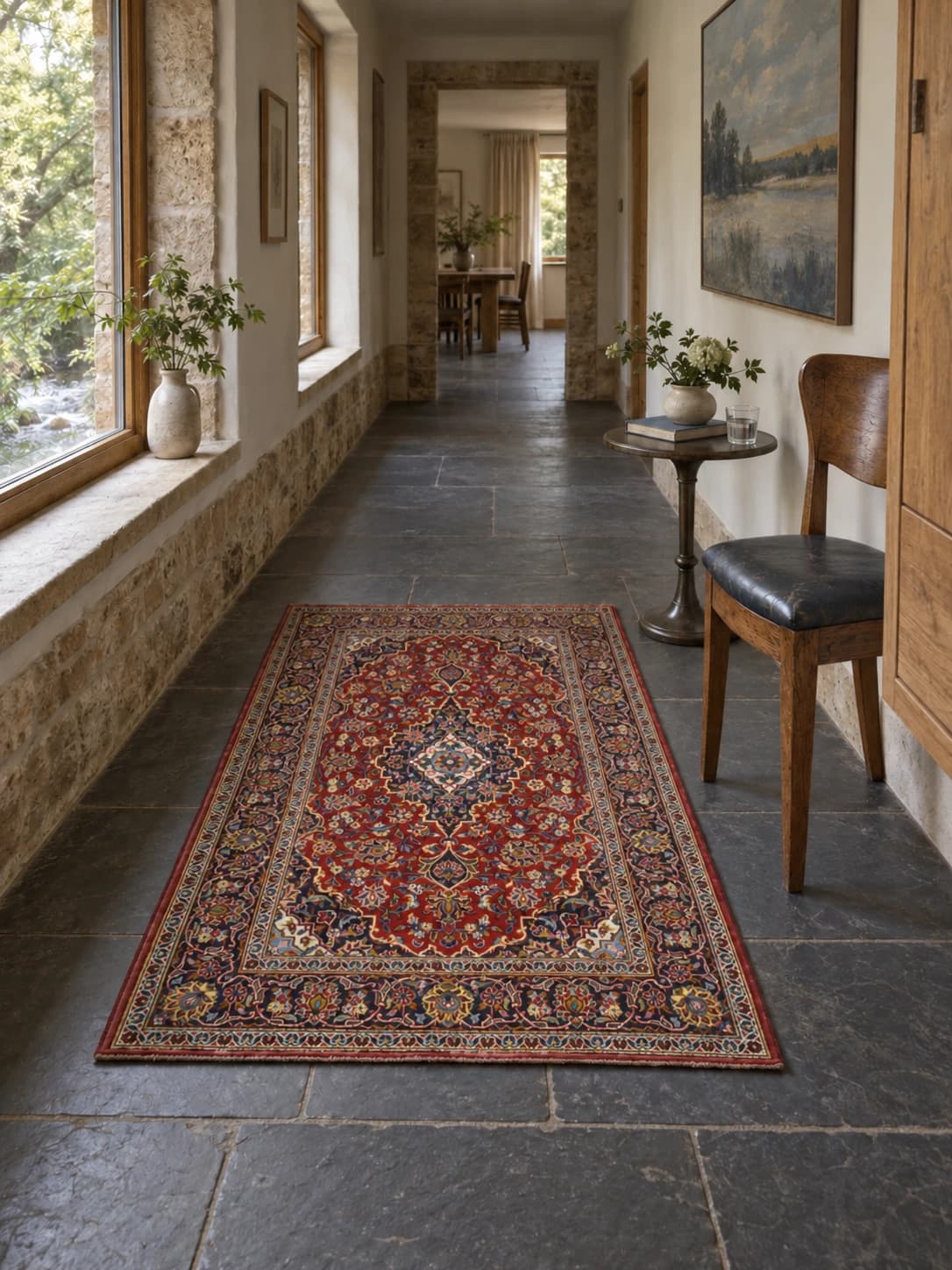
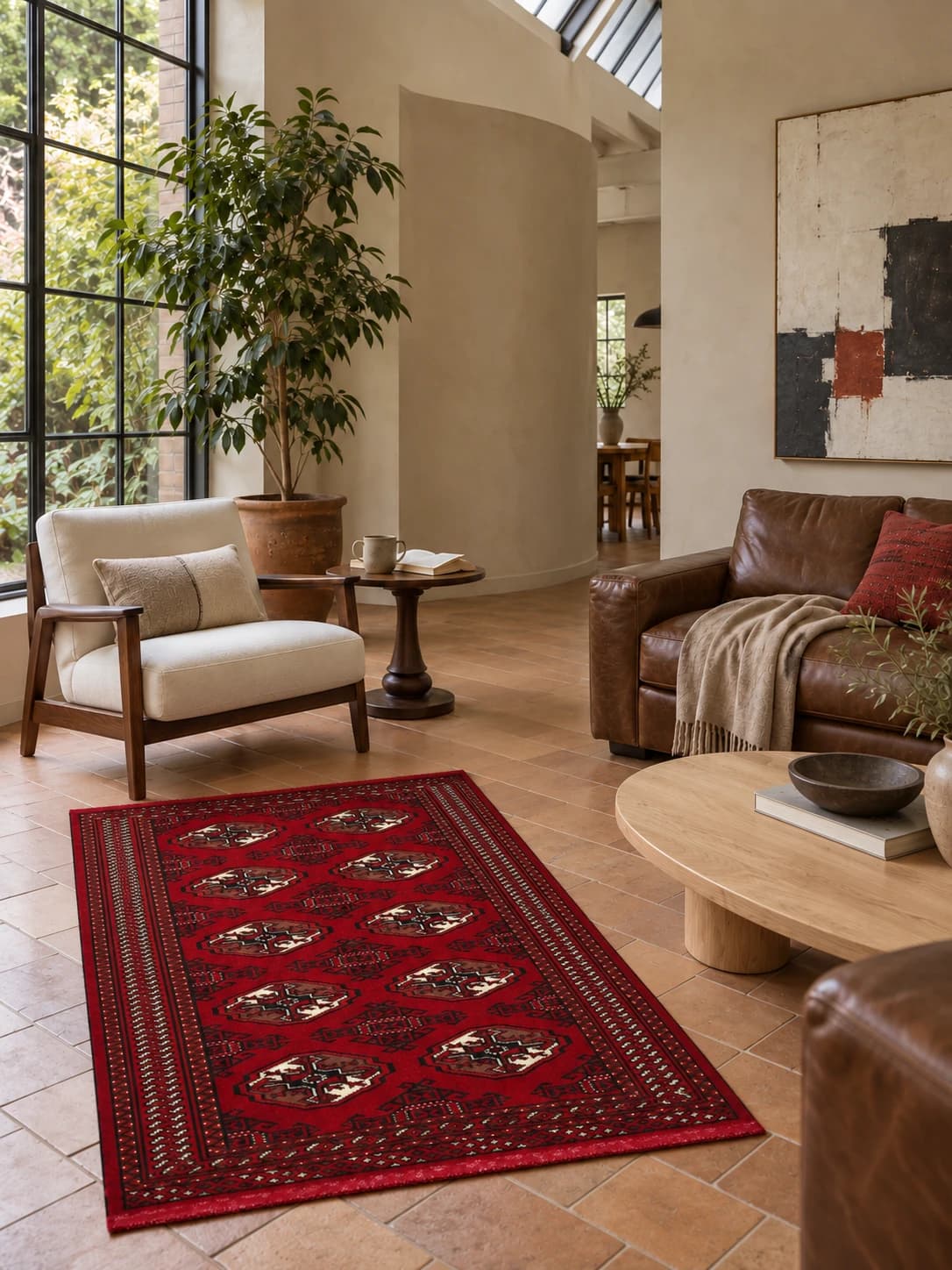
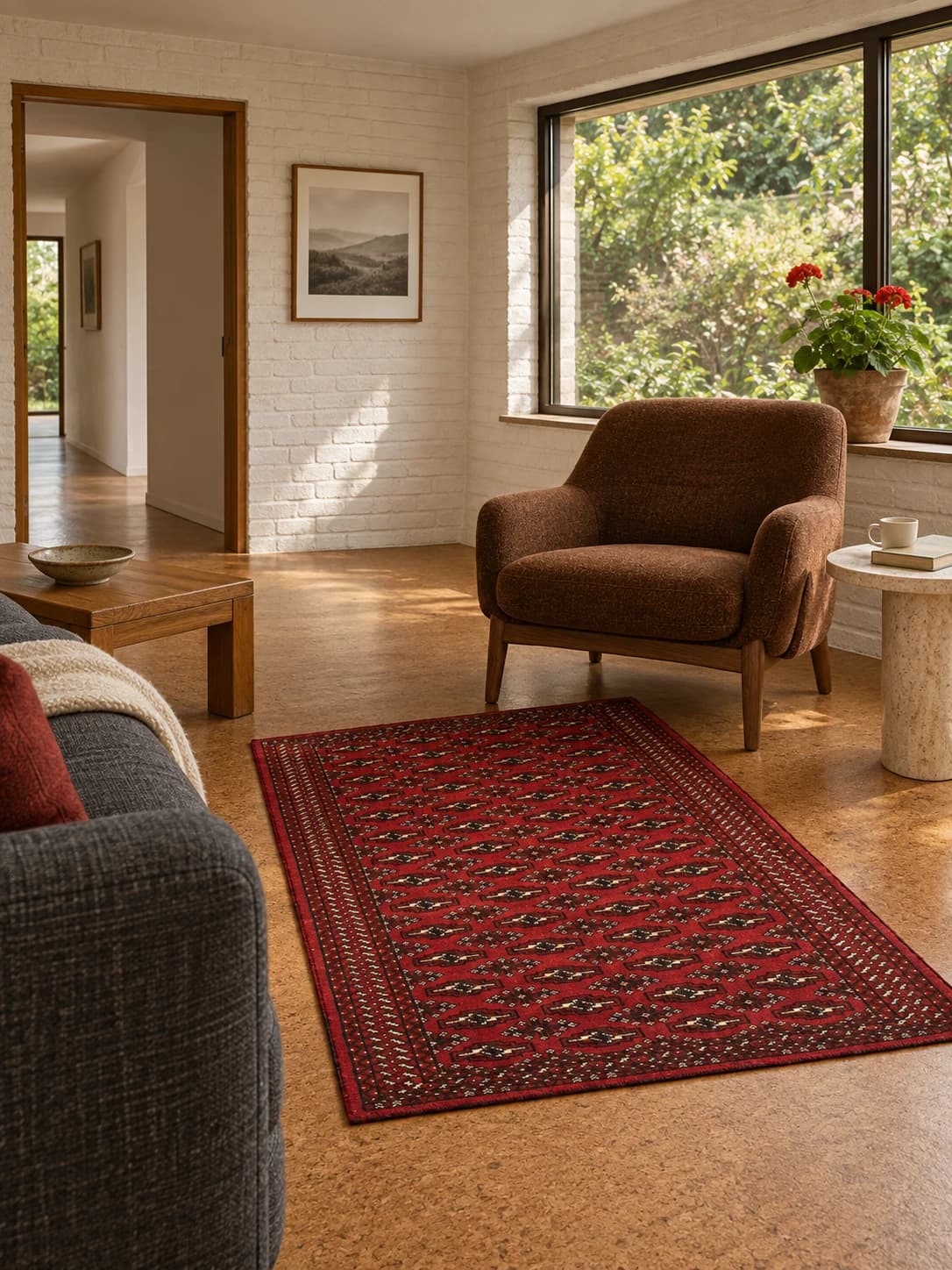
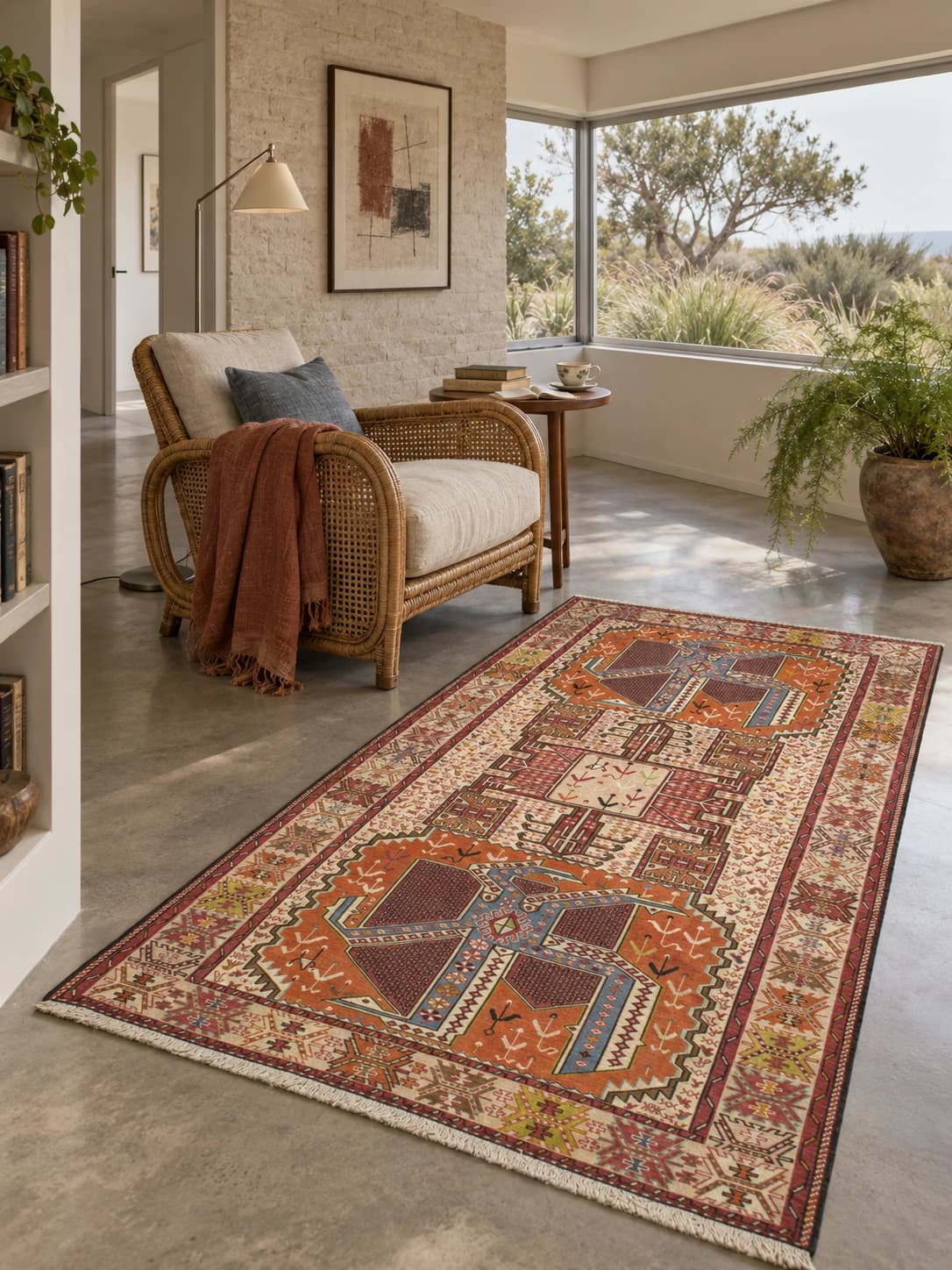
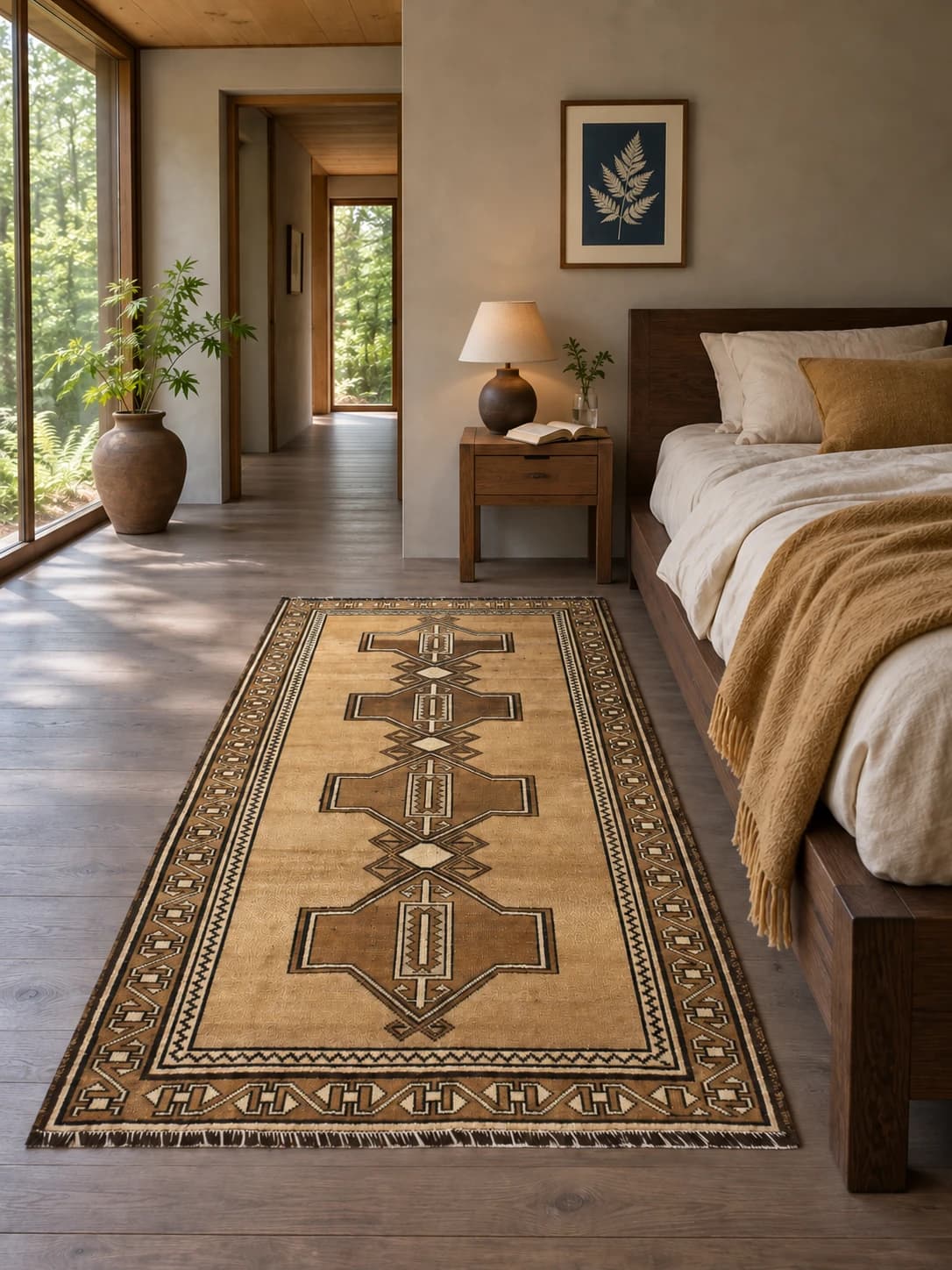
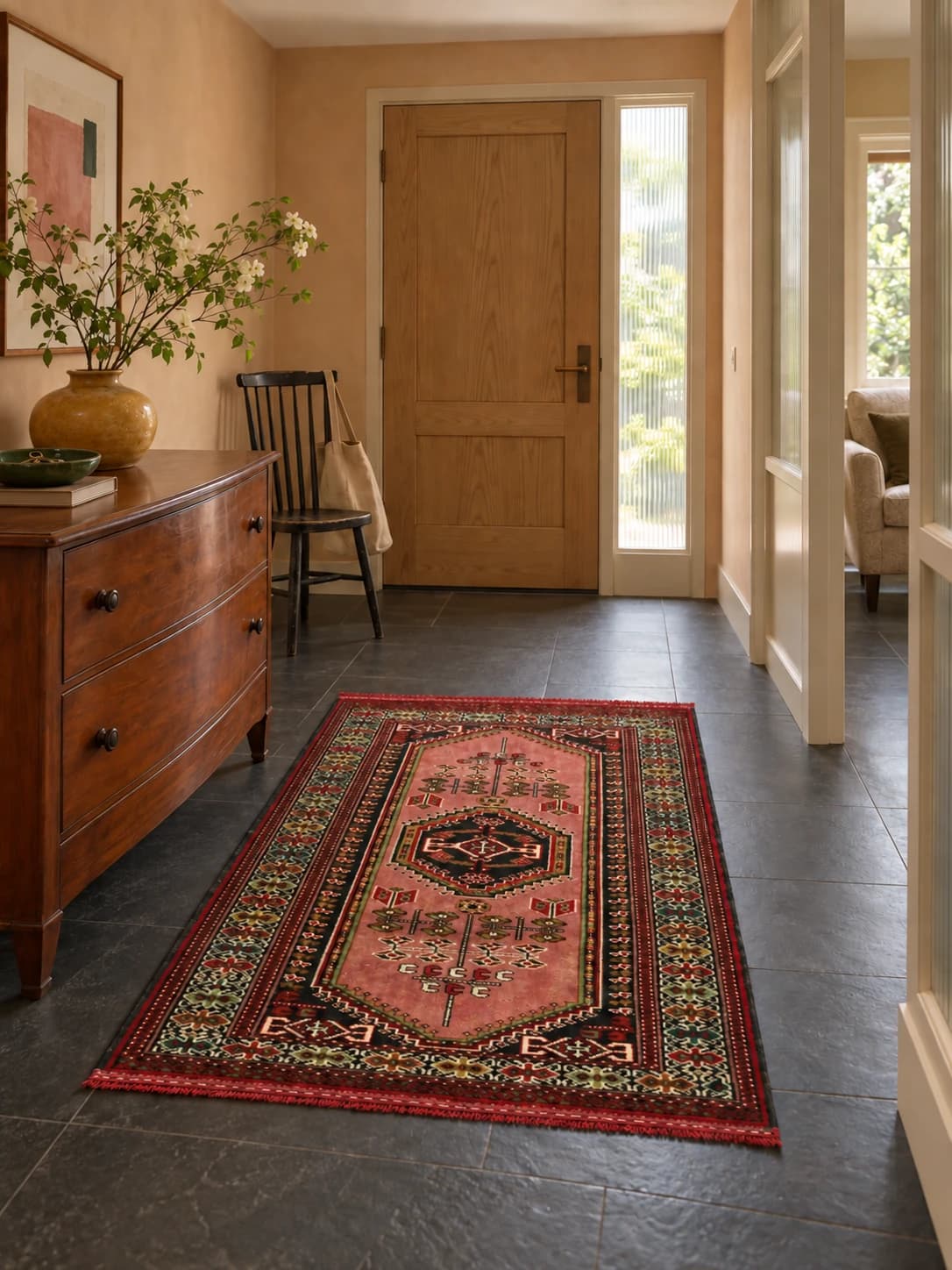
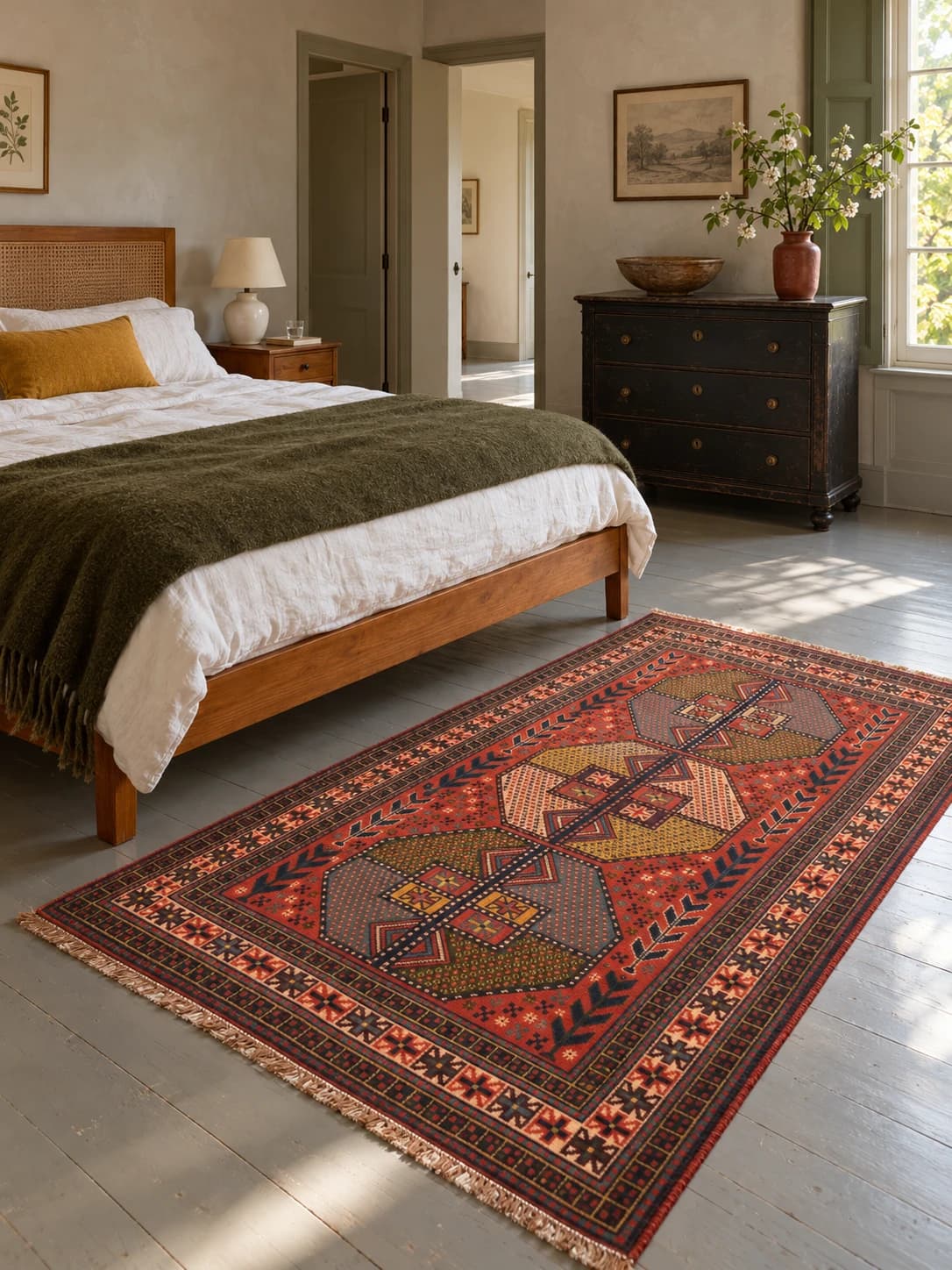
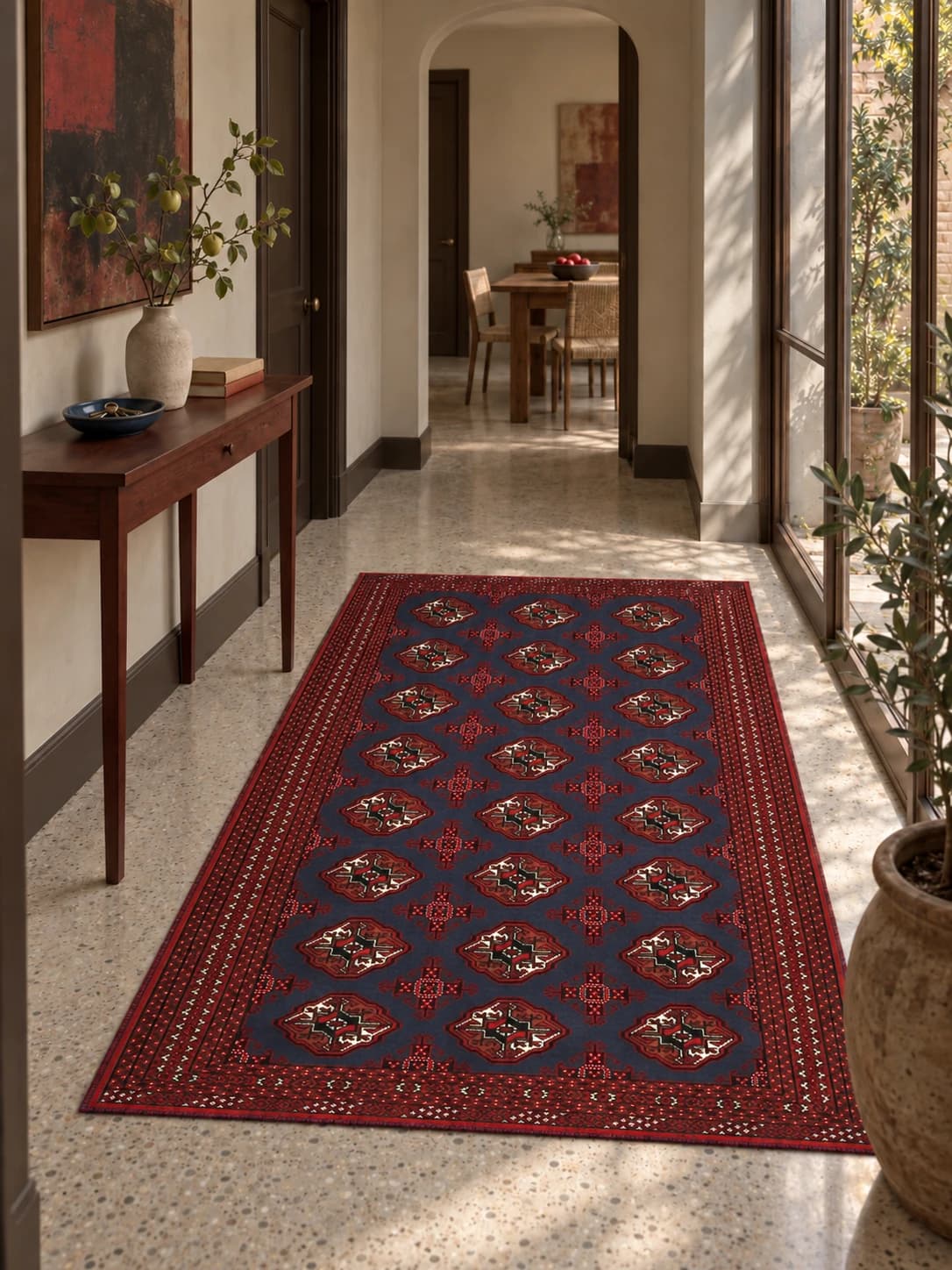
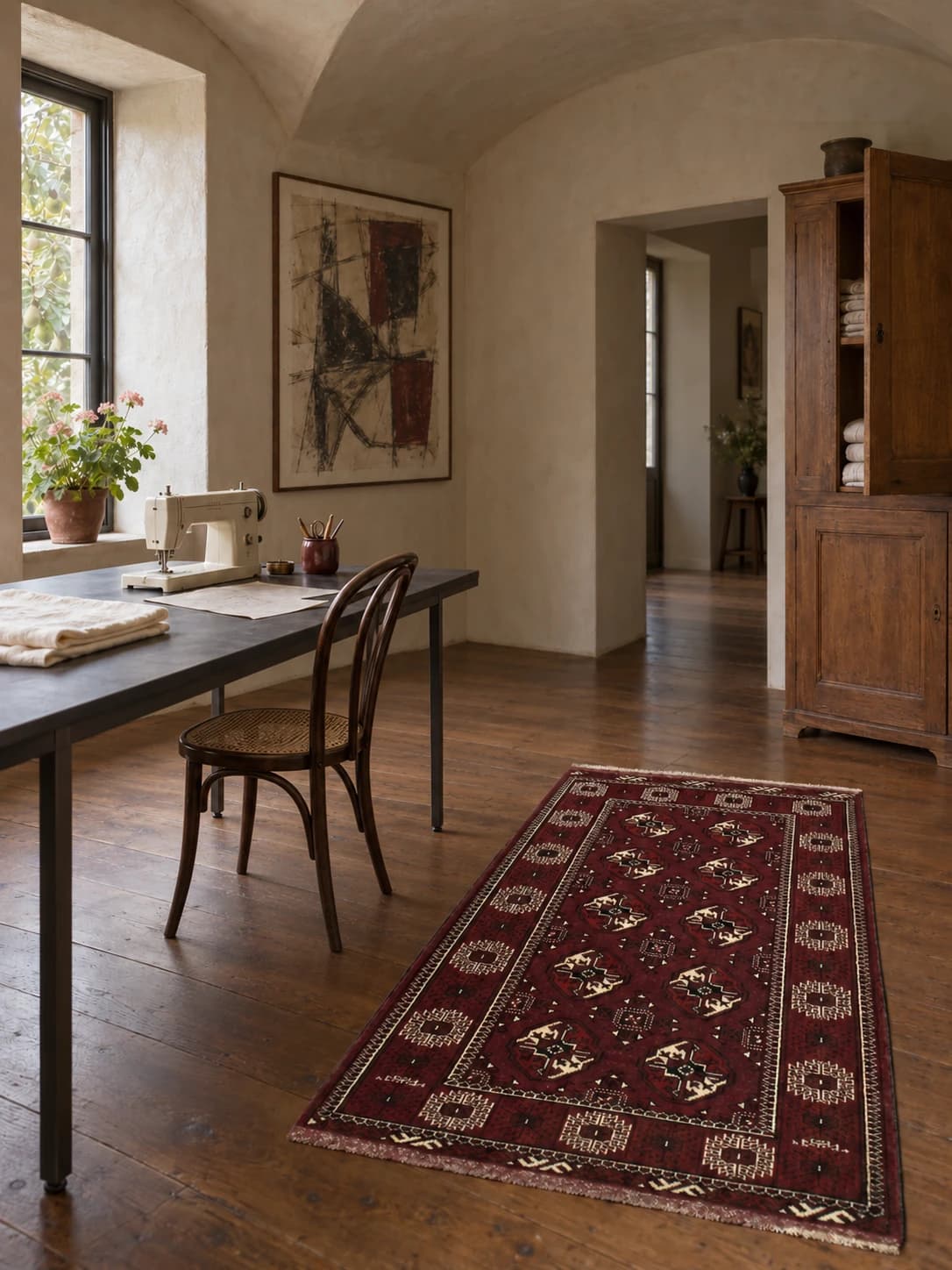
Formats lean towards the practical. The village output of the group runs to smaller room sizes and, above all, to runners, which the region makes in an unusually wide range of lengths and in widths of a little over a metre as well as the narrow corridor standard. Large carpets exist but are the exception rather than the habit of these looms. What that adds up to is a robust Turkish-knotted rug, wool on cotton, in a size that genuinely fits a hallway or a small sitting room, drawn with the directness of a village hand rather than the polish of a city workshop.
The Persian rug
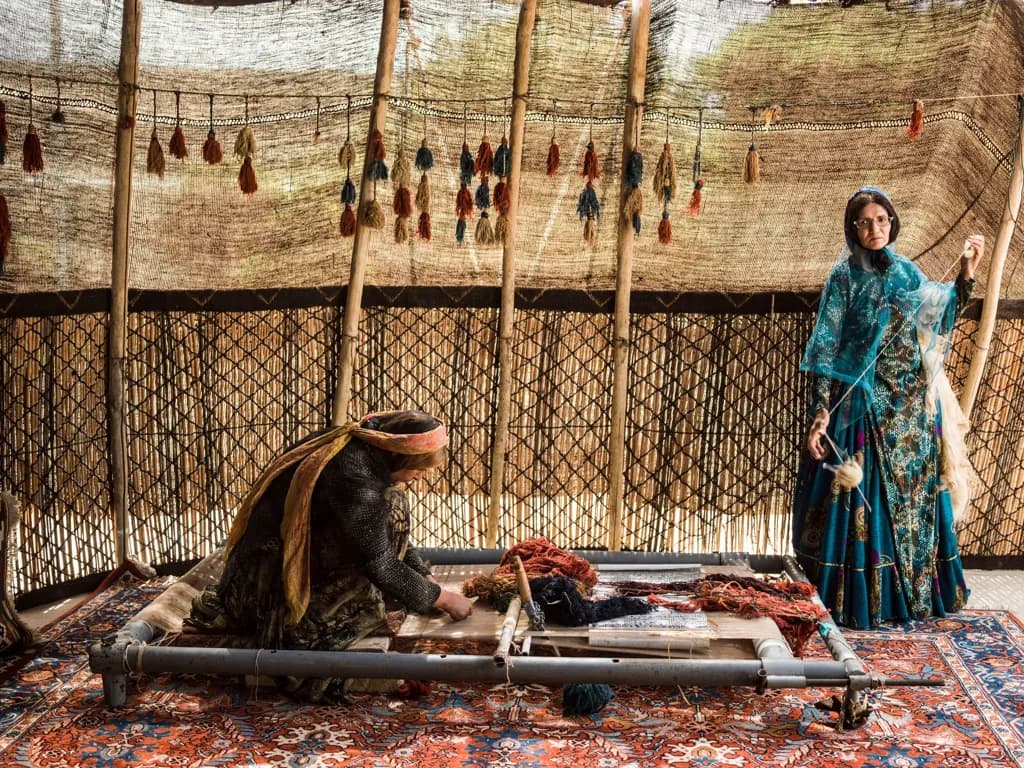
A Persian rug is an Iranian rug — a rug hand-knottedSee in the carpet dictionary in Iran — and the tradition behind it is the oldest documented anywhere. The earliest surviving carpet, the Pazyryk rugSee in the carpet dictionary, was found preserved in a frozen burial mound and dates to the fifth century BC — roughly 2,500 years ago — and it is already accomplished work, not a beginner's craft. What began as warm, hard-wearing floor coverings for tribal households grew, over those centuries, into the art form that every other rug-weaving country has borrowed from.
Two later chapters shaped what a Persian carpet looks like today. Under the Safavid dynastySee in the carpet dictionary, from 1501 to 1732, the court promoted weaving alongside painting and calligraphy, and the workshops of Tabriz, HeratSee in the carpet dictionary, Kashan and Kerman produced the masterpieces that now sit in museums. This is when the great central medallionSee in the carpet dictionary appeared, and when designs grew elaborate enough that a separate designer — often a miniature painter — drew the pattern onto a cartoon for the weaver to follow. The second chapter came in the nineteenth century, under the Qajar dynastySee in the carpet dictionary, when production reached its historical peak, exports to Europe and America boomed, and the workshop industry whose descendants still weave today took its modern shape.
The trade sorts Persian rugs into three families. City rugs — Tabriz, Kashan, Kerman, Nain, Isfahan — are woven in workshops from a drawn design, carry the highest knot densities and come in the widest range of colours, sizes and patterns. Village rugs such as HerizSee in the carpet dictionary, BakhtiariSee in the carpet dictionary and KarajaSee in the carpet dictionary sit in between, mostly geometric and largely woven from memory. Tribal rugs — Baluch, TurkomanSee in the carpet dictionary, QashqaiSee in the carpet dictionary, each named after the people who weave it — are made on small portable looms, so they run smaller, and their bold geometric drawing comes from the weaver's own head rather than from paper.
The design vocabulary draws on a deep stock of motifs: Shah AbbasiSee in the carpet dictionary palmettes, flowing arabesques, the small repeating Herati patternSee in the carpet dictionary, medallions, garden and tree-of-life compositions. These combine with regional habits into styles a practised eye can place at a glance, from the bold geometric medallions of Heriz to the fine curvilinear florals of Isfahan.
The classic palette is built on natural dyes: madderSee in the carpet dictionary reds, indigo blues, saffron yellows and the soft whites of undyed woolSee in the carpet dictionary, settled into combinations refined over centuries. Natural dyes age gracefully, mellowing into the patina that older rugs are prized for, and slight shifts of tone between dye batchesSee in the carpet dictionary — the effect called abrashSee in the carpet dictionary — are a mark of small-batch natural dyeing, not a flaw.
The pileSee in the carpet dictionary is almost always woolSee in the carpet dictionary, and in a Persian wool rug the wool itself decides much of the quality. The best fleece comes from high-altitude flocks, where it grows thicker and richer in natural oils; spring-sheared wool beats the autumn clip, and hand-spun yarnSee in the carpet dictionary gives a finer, softer thread than machine spinning. Fine pieces add silk highlights to a wool pile, and at the very top sits the Persian silk rug, woven in pure silk. Foundations are usually cotton in city weaving, wool in tribal and older pieces, silk at the very top of the range.
Every knot is tied by hand, one at a time, in one of two forms: the asymmetric Persian knotSee in the carpet dictionary, usual in central and eastern Iran, or the symmetric Turkish knotSee in the carpet dictionary, common in the north-west ever since Seljuk weavers introduced it in the eleventh and twelfth centuries. A large rug holds in the region of two million knots and can occupy a weaver for about a year.
Knot densitySee in the carpet dictionary is the figure newcomers fixate on, and the finest silk-foundation pieces do reach as much as 1,000 knots per square inch. But densitySee in the carpet dictionary only matters as far as the drawing demands it: a curvilinear Isfahan needs a fine weave to stay sharp, while a geometric Heriz is famously durable at a modest count. Material, symmetry, colour harmony and condition say more about quality than any single number.
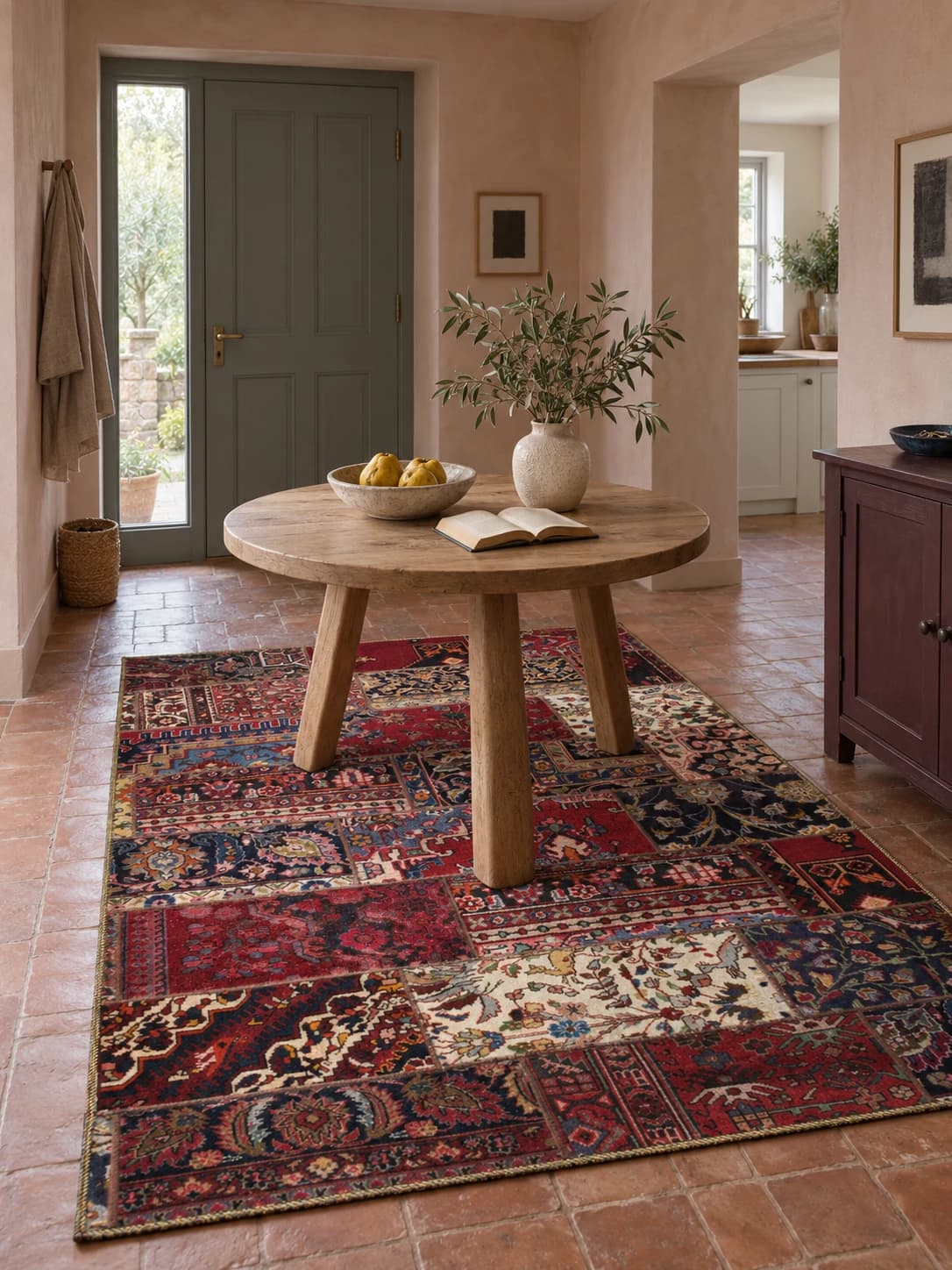
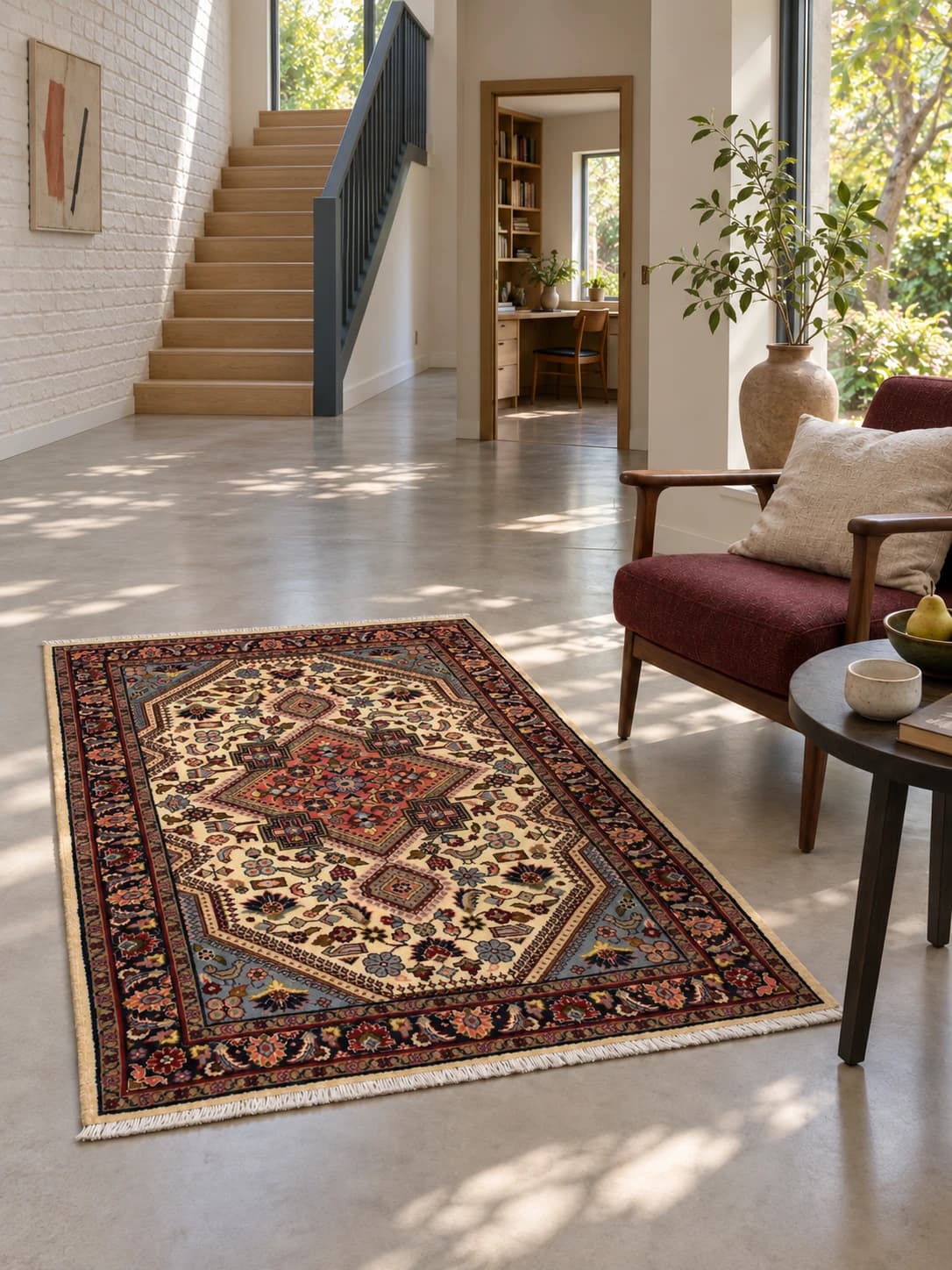
Persian carpets settle into modern rooms as naturally as classical ones, as a focal point in a living room, a foundation under a dining table or a quieter accent in a bedroom. Care is undemanding: gentle vacuuming without a rotating brush, an occasional turn for even wear, and a professional wash about every five years — sooner in a hallway or entrance, less often in a quiet room.
A hand-knotted Persian rug tends to outlast its owners. Pieces a century old regularly survive in fine condition, their colours settled and their pile supple, often looking better than when they left the loomSee in the carpet dictionary. A well-chosen, well-kept rug holds its worth and passes down as a family heirloom rather than being replaced — which is precisely what the knots, the wool and the dyes were always for.
Questions about this carpet?
Our family has traded carpets for two generations. Ask us anything — photos, video calls, advice on sizes.
Message us
Keep exploring
Guides from our family workshop: how to clean, place and care for hand-knotted rugs.