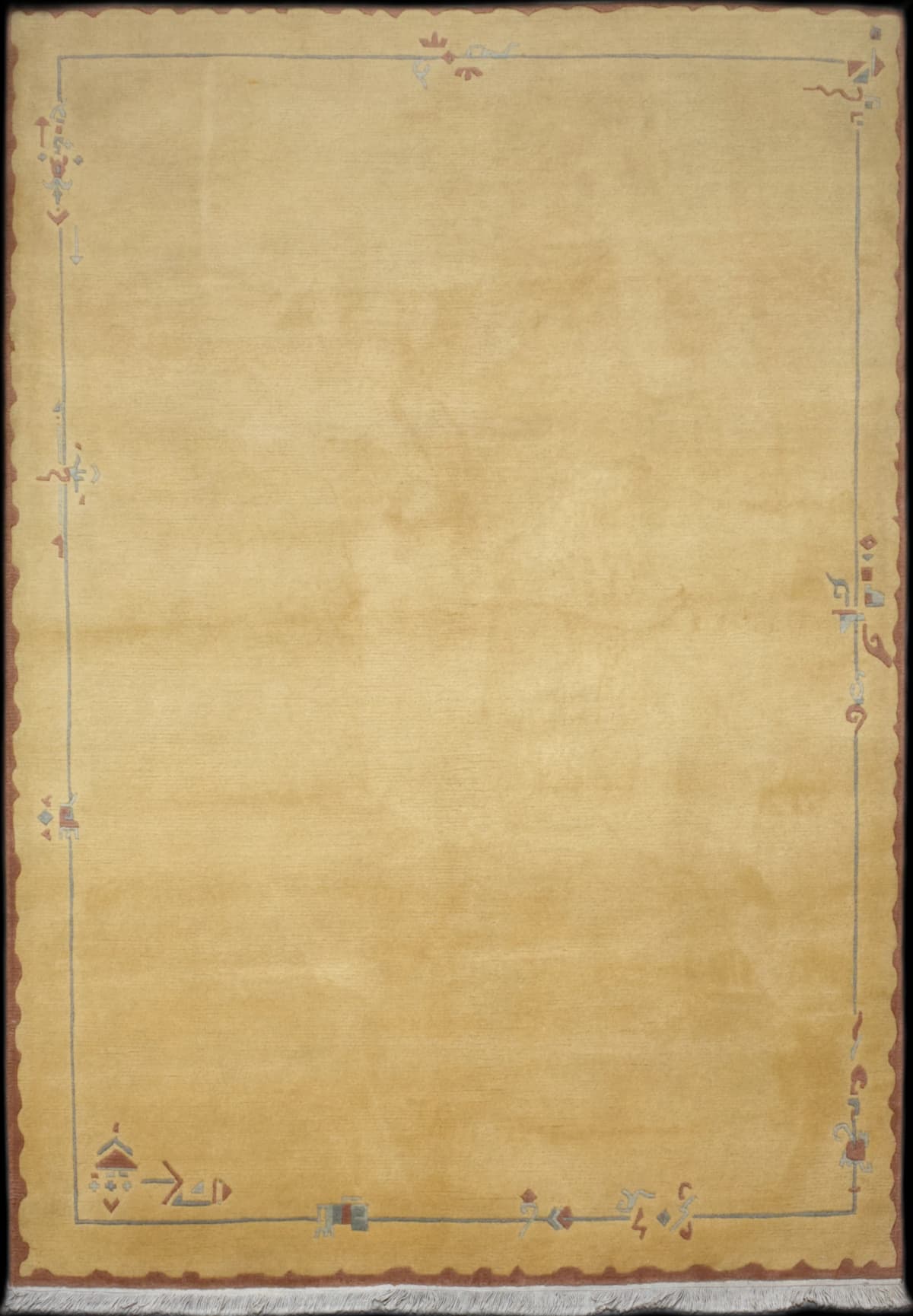
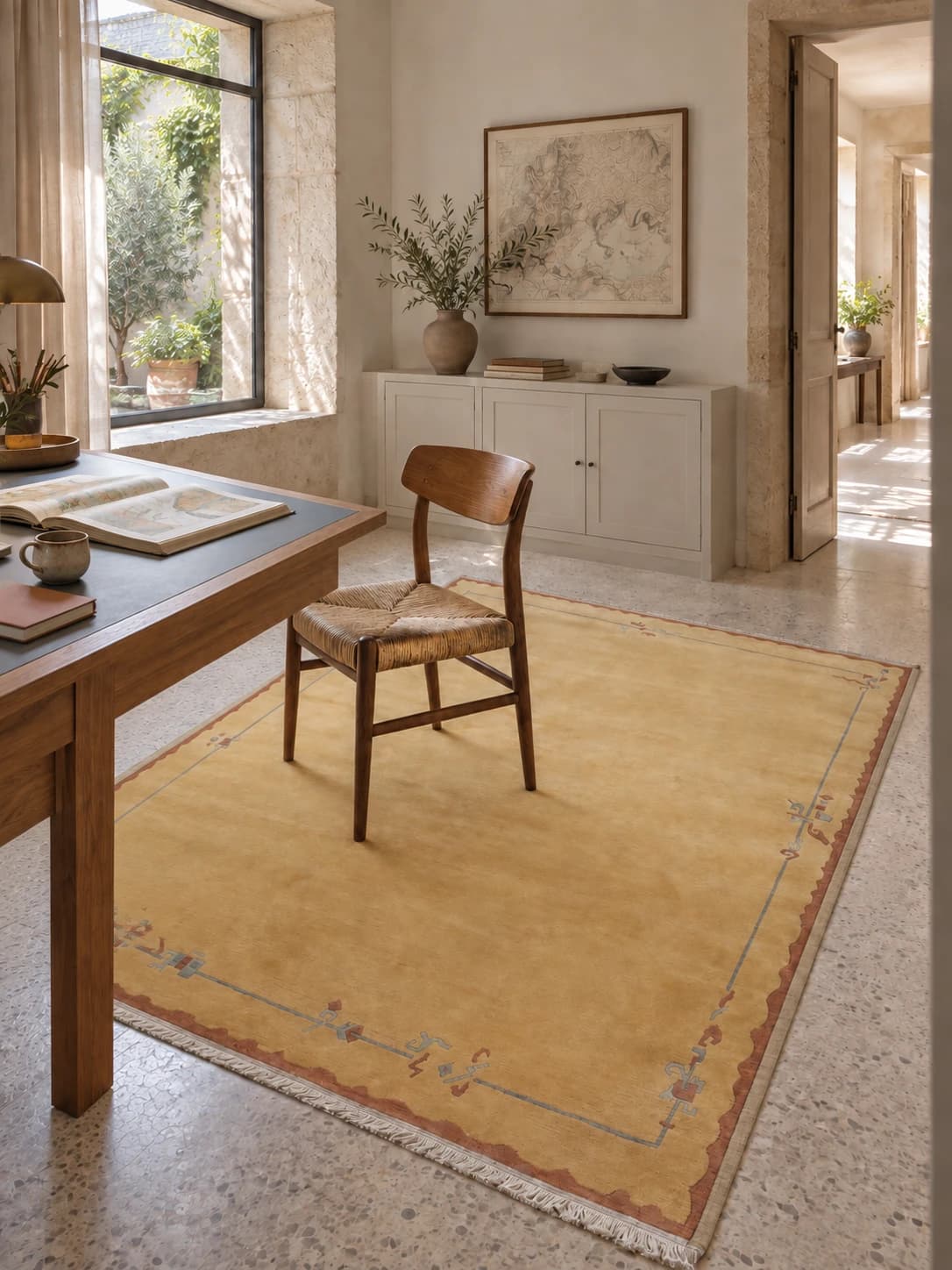
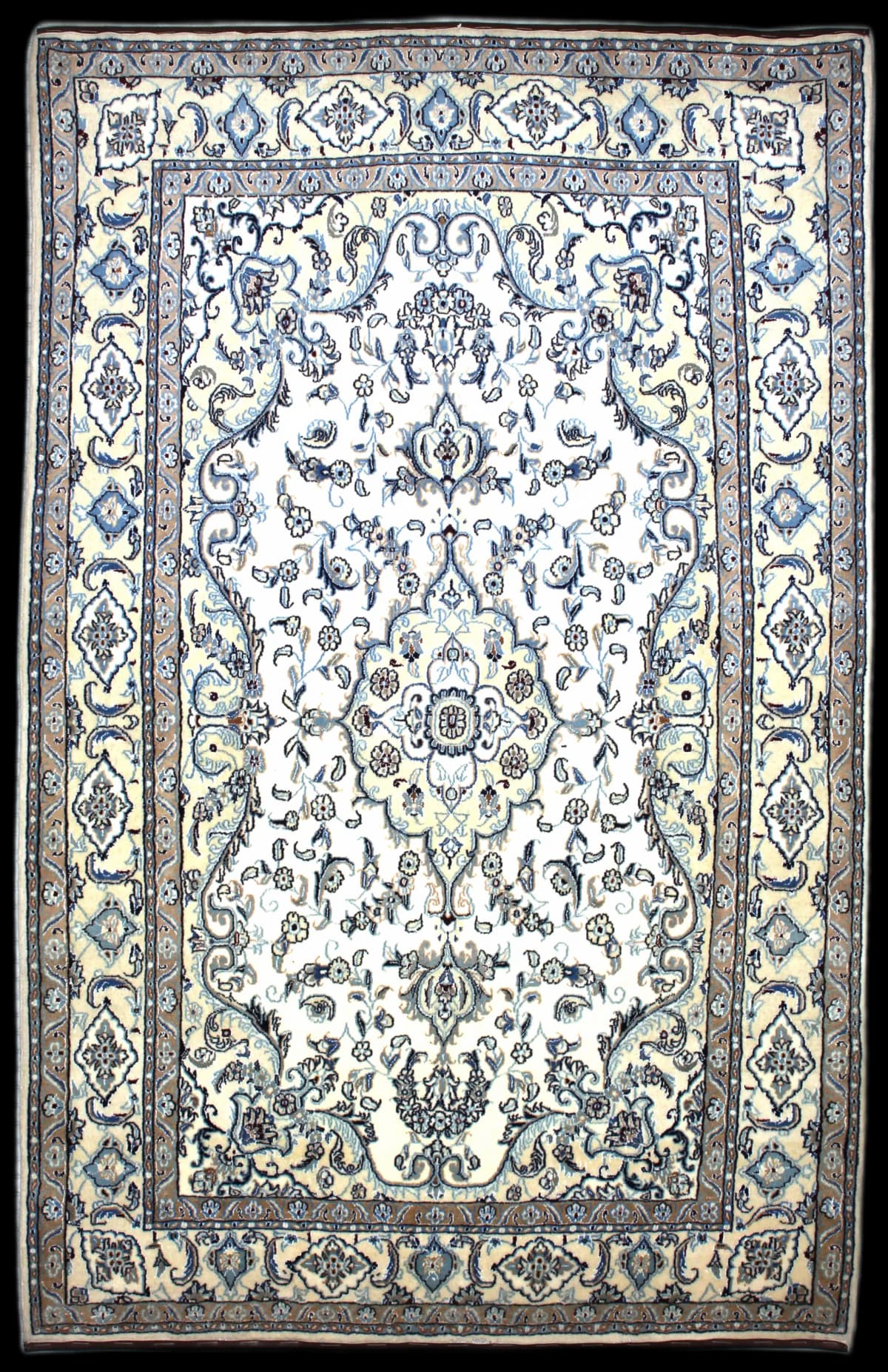
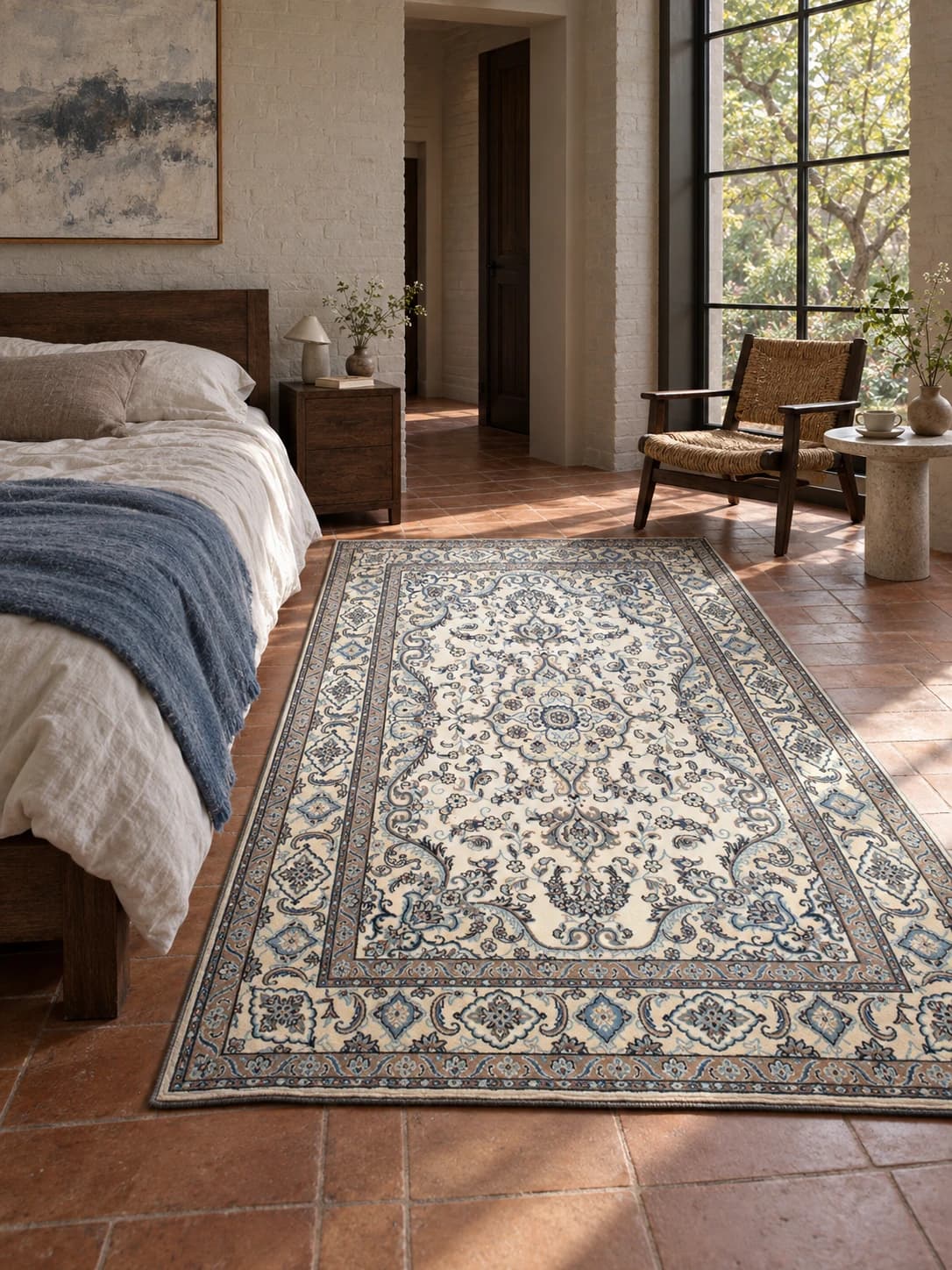
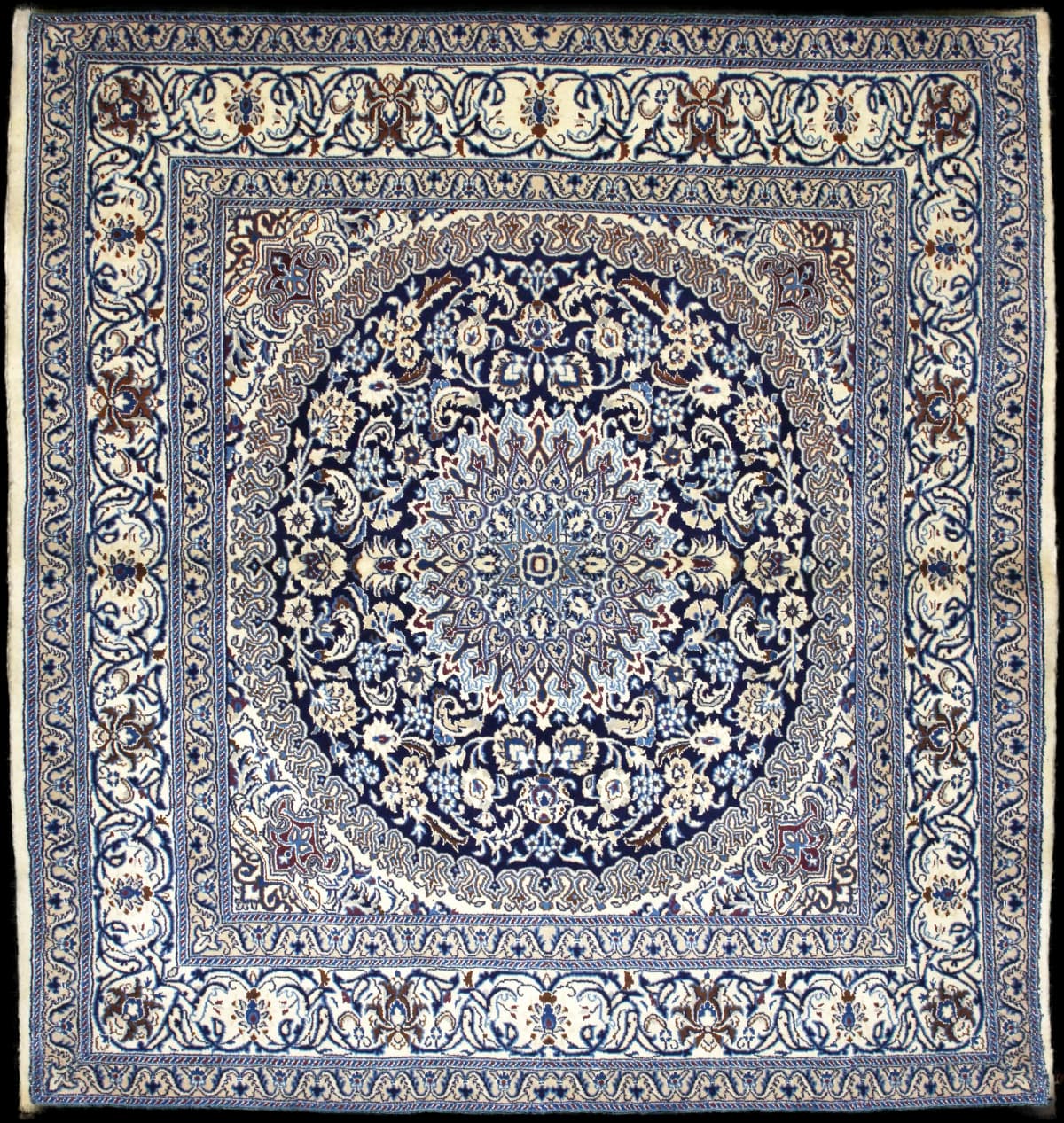
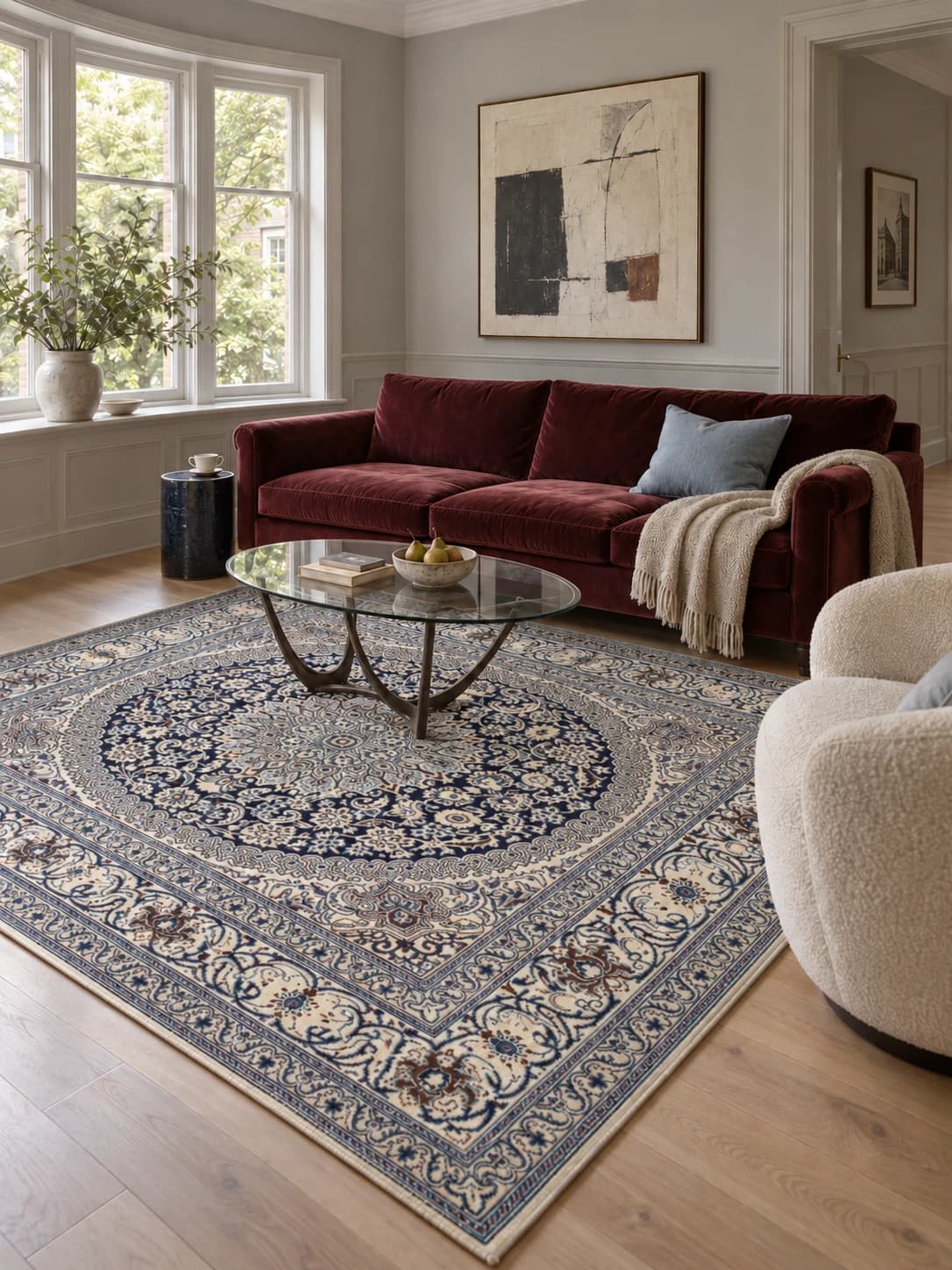
Up close
India
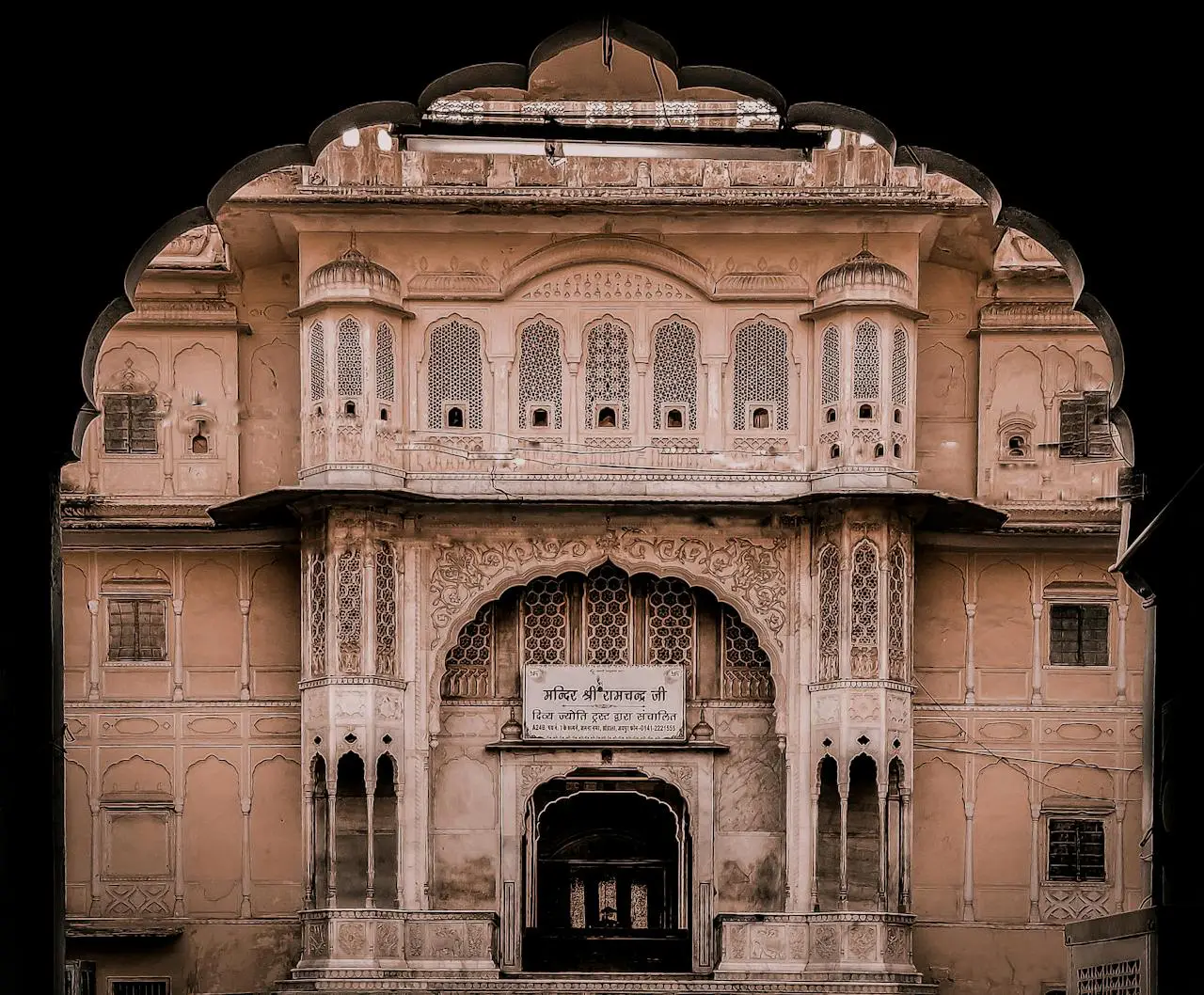
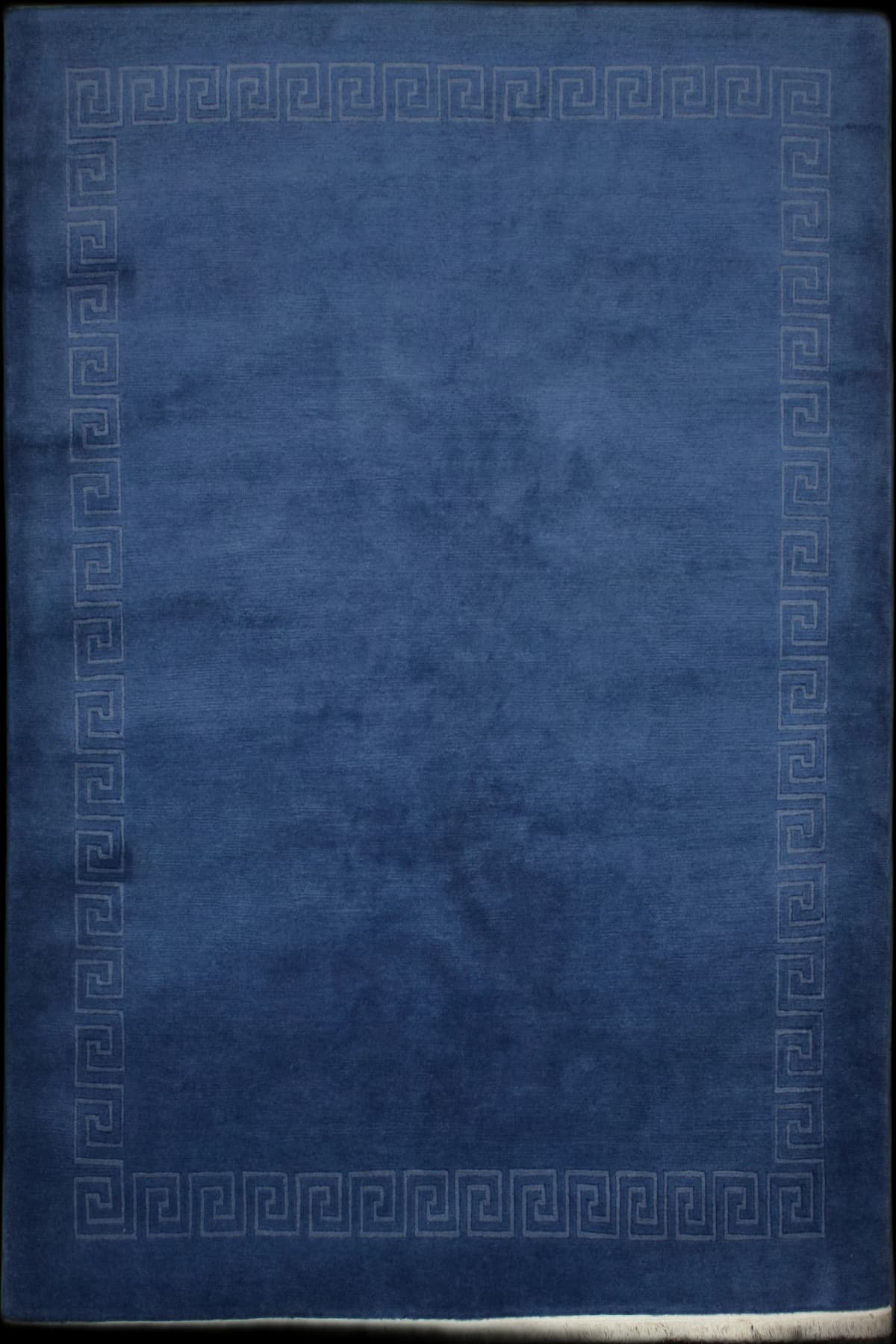
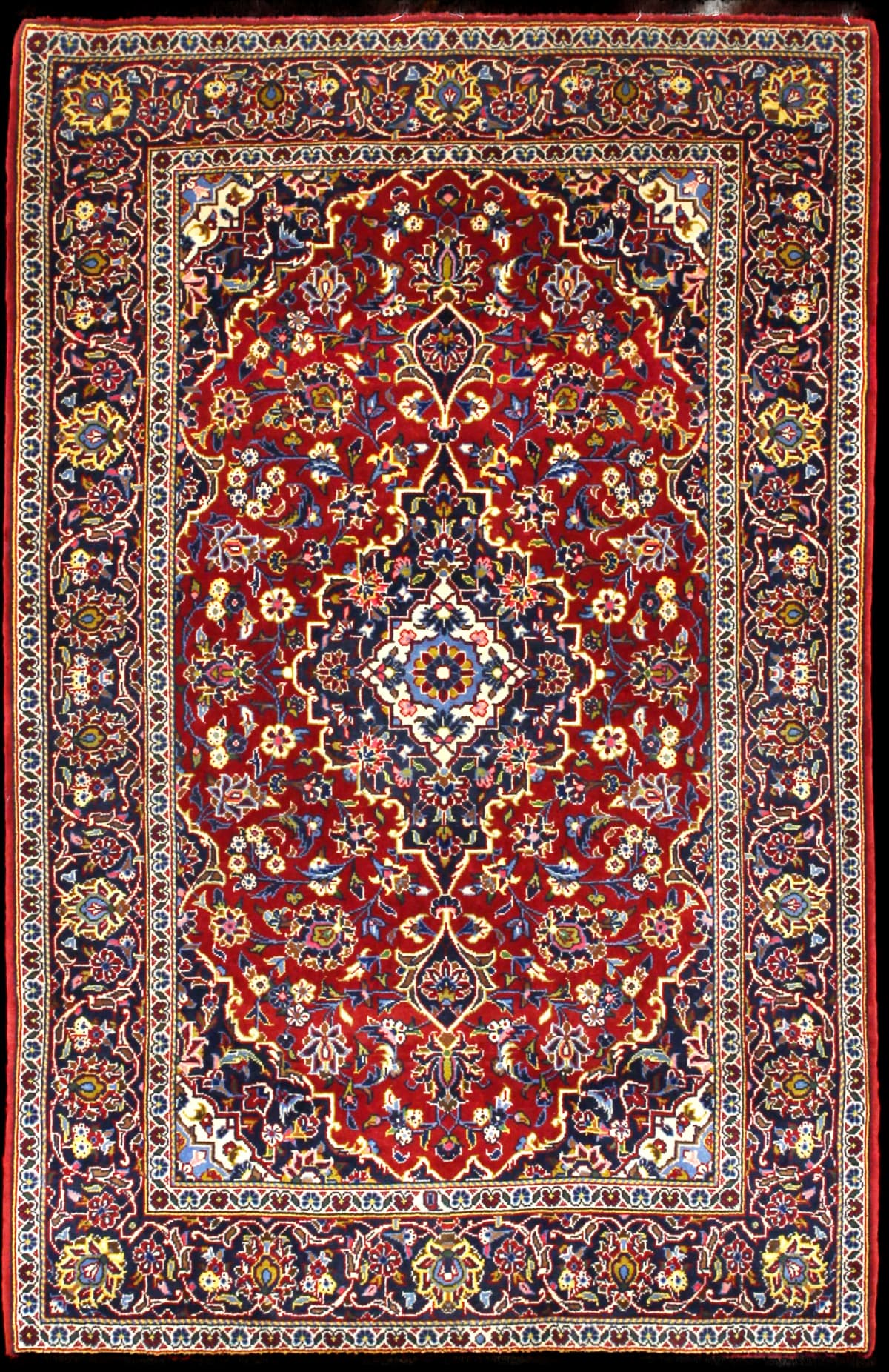
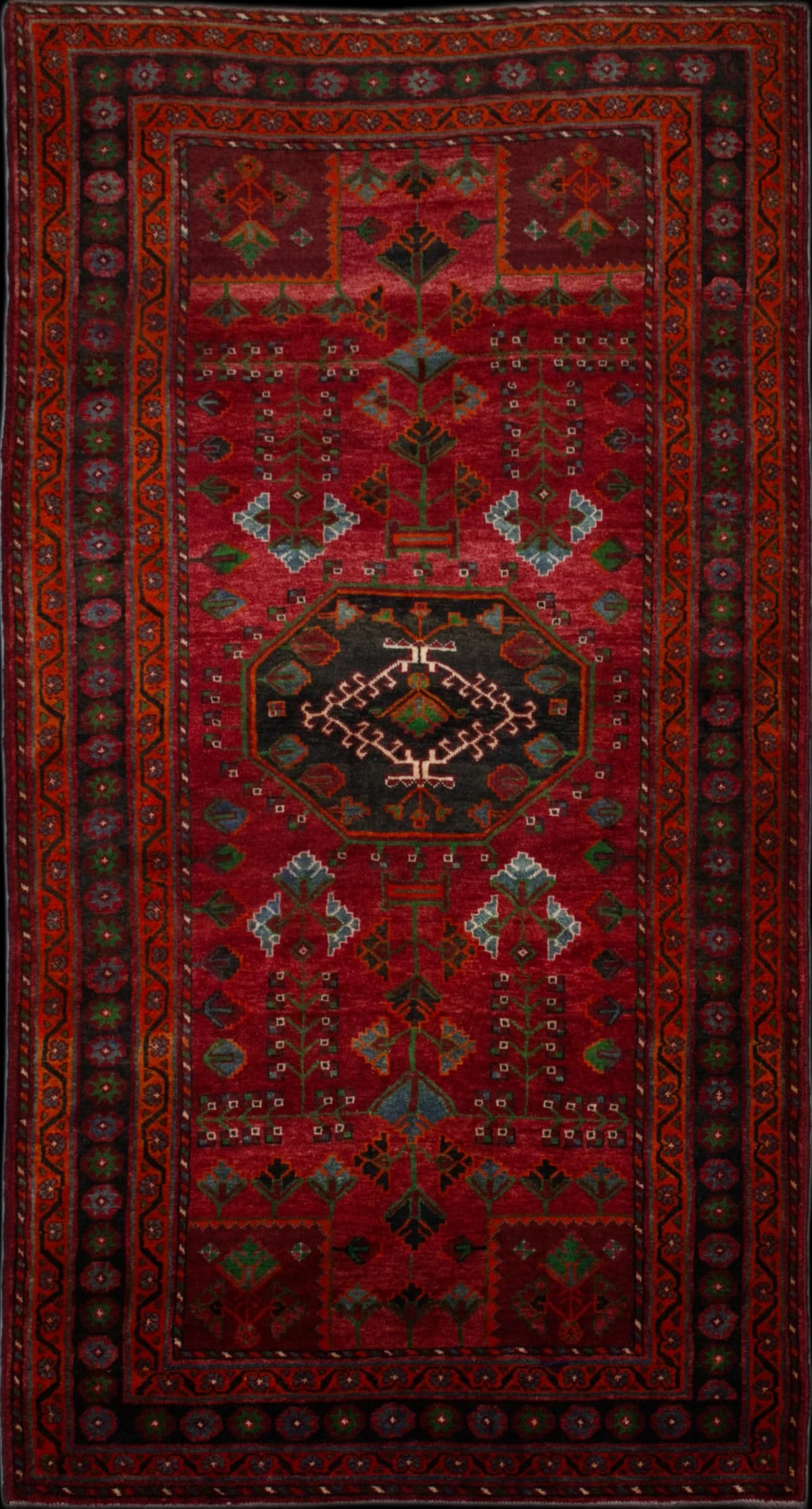
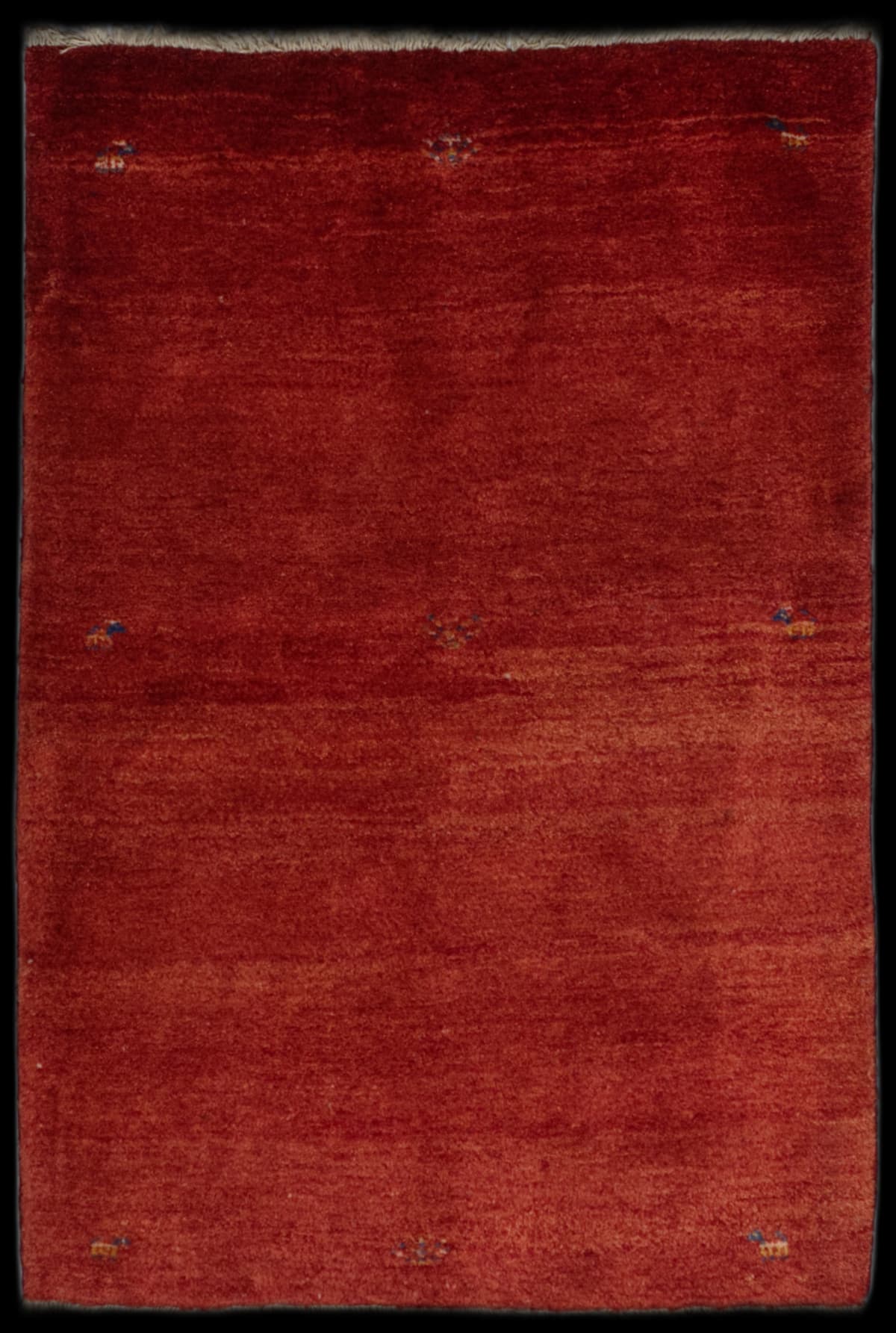
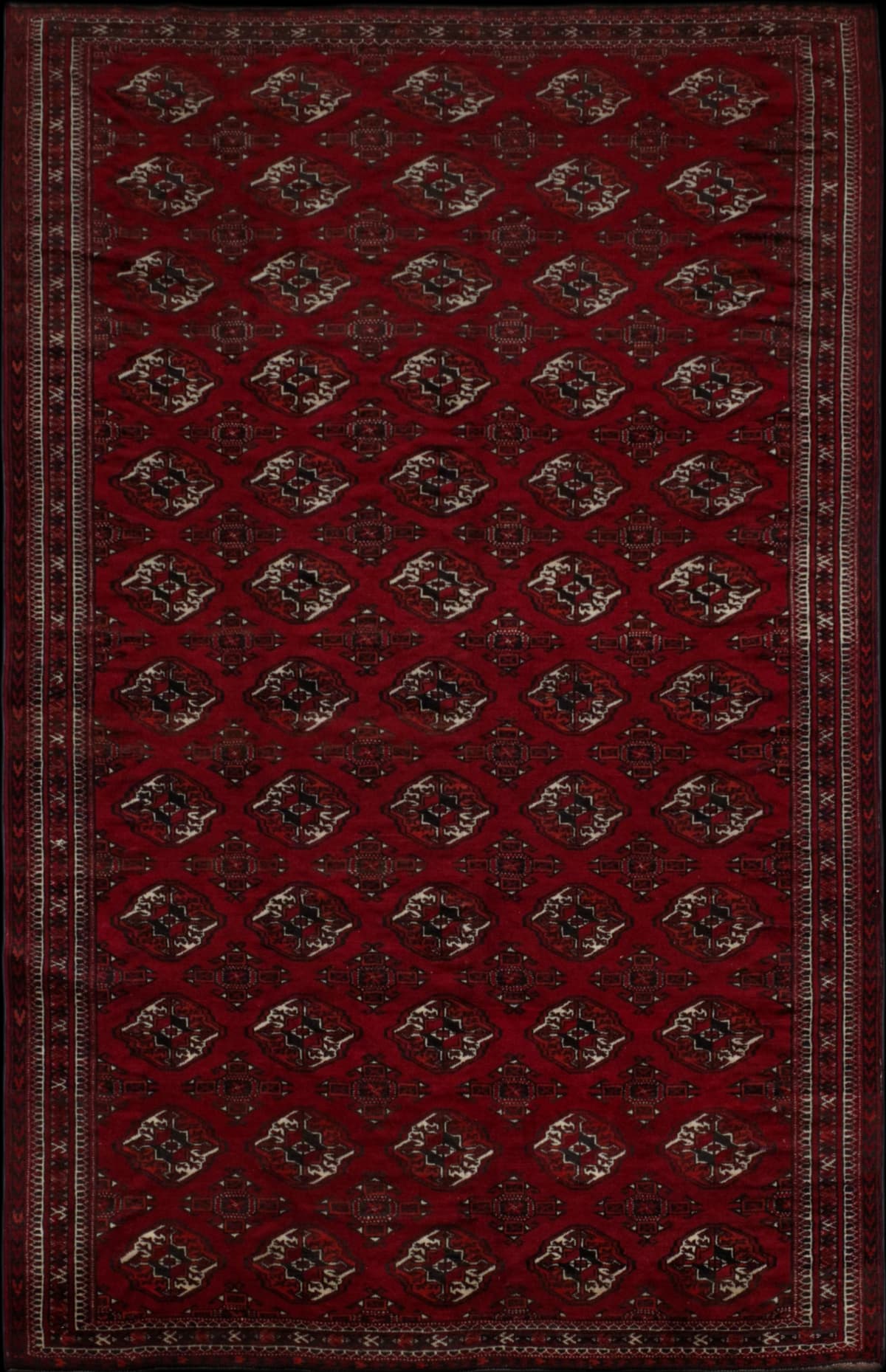
Indian rugs belong to one of the world's most diverse and historically rich weaving traditions, encompassing styles that range from intricate Persian-inspired designs to bold tribal patterns and contemporary work. They reflect India's long position as a cultural crossroads.
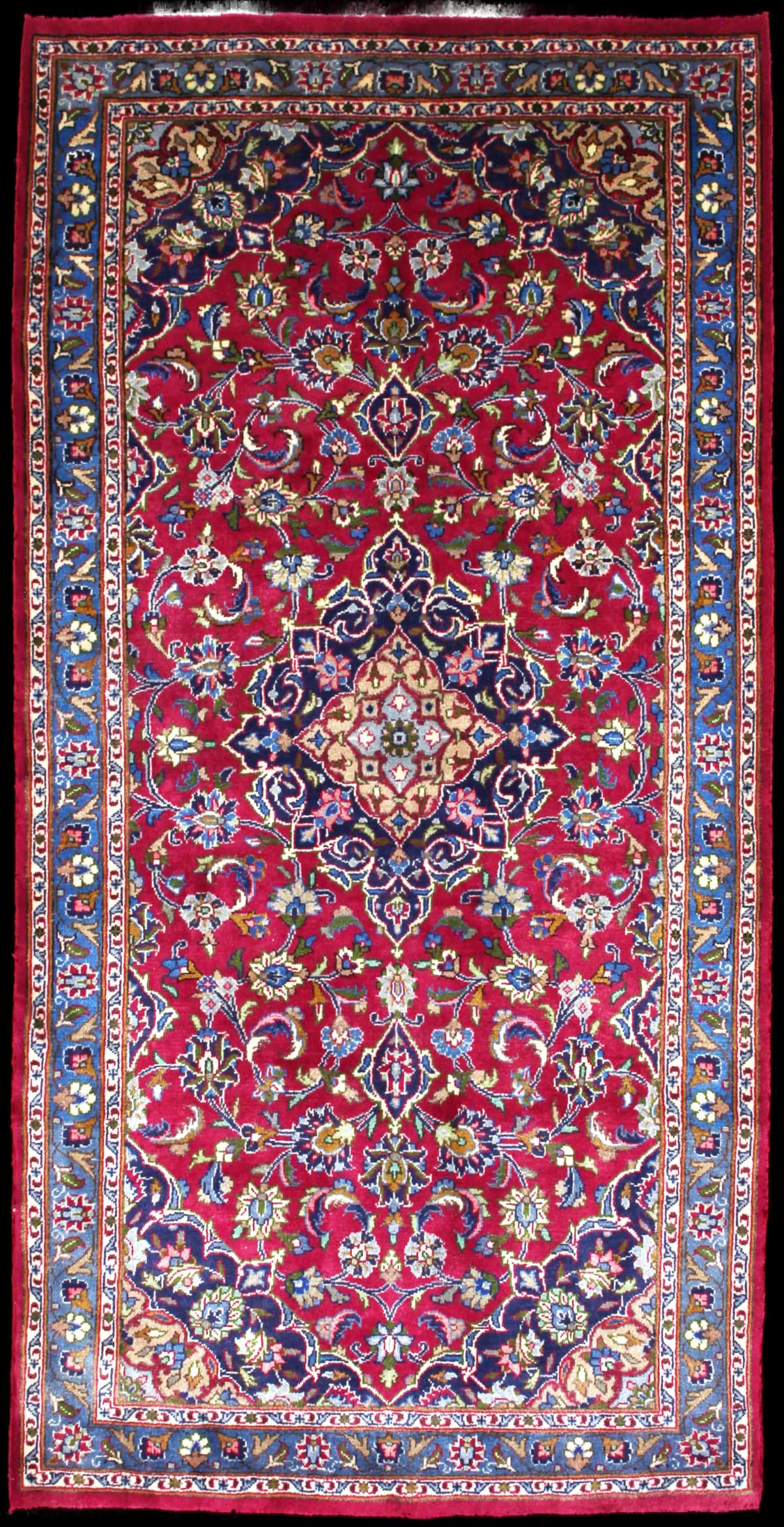
Dating back to the Mughal Empire, Indian carpet weaving blends indigenous artistry with influences from Persia, Central Asia, and later, European design sensibilities. This fascinating fusion has created a distinctive aesthetic that combines flowing arabesques, naturalistic florals, and geometric patterns with India's characteristic use of vibrant colour combinations.
The material palette of Indian rugs showcases the subcontinent's natural resources. The finest pieces feature woolA natural animal fiber used for the pile, and in some rugs also the foundation, of high-quality rugs. It is durable, resilient, stain resistant and flame resistant, feels soft and cushioned underfoot, insulates against cold, and takes up dye readily and holds it for many years. It also traps dust particles, which helps reduce allergic reactions. Quality depends above all on where the sheep graze: high-elevation pastures and good feed give thicker, oilier wool, with Manchester, New Zealand and Ghazni wools the best-known prized examples. Early-spring shearing and hand spinning (finer, softer thread than machine spinning) improve it further, while thin, dry wool from dead sheep goes into cheaper rugs.See in the carpet dictionary from the Himalayan highlands, prized for its exceptional length and lustre, while premium variants incorporate lustrous silk from Bengal and Karnataka. Many contemporary pieces also feature innovative fibre blends that enhance durability while maintaining traditional elegance.
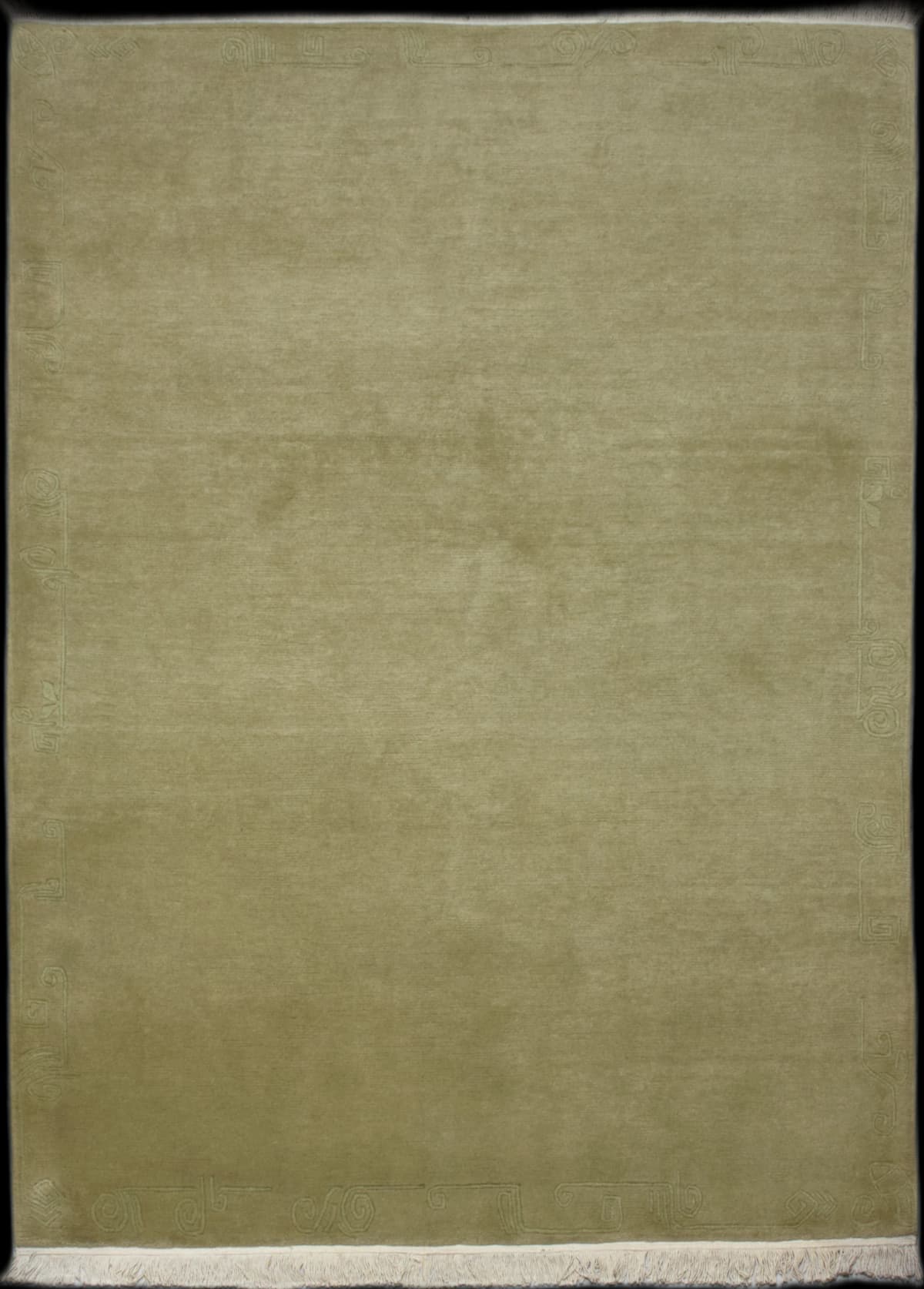
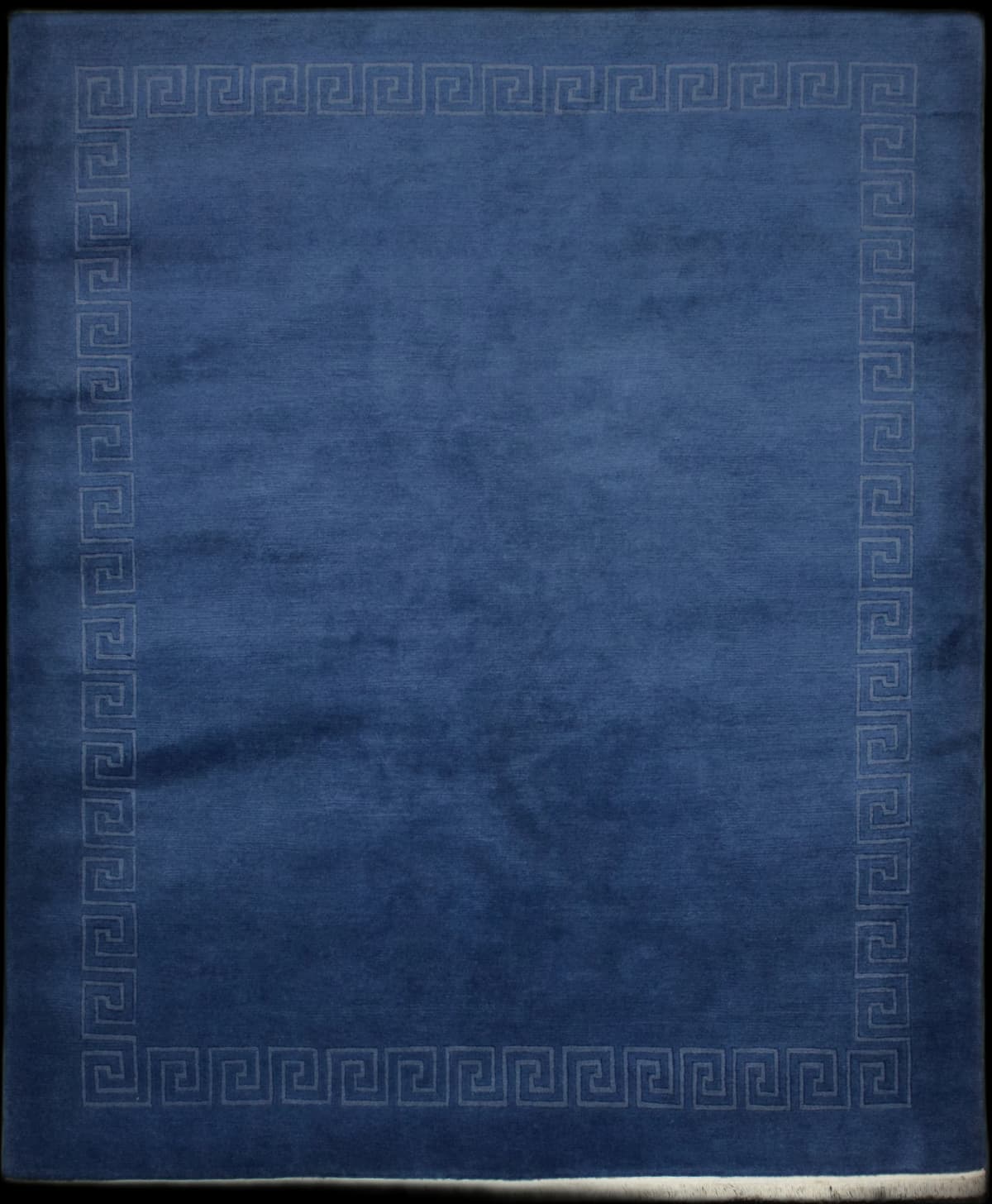
Colour plays a central role in Indian rug design, with dyers working a wide spectrum that runs from jewel-toned rubies and sapphires to vegetable-dyed earth tones. Modern Indian rugs often carry bold, contemporary palettes that stretch the traditional boundaries without abandoning them.
Construction techniques vary across India's weaving centres, with knot counts ranging from moderate 100 KPSIThe number of knots in one square inch of a hand-knotted rug (KPSI; 1 KPSI is about 15.5 knots per 10 x 10 cm), counted on the back with a ruler by multiplying the knots along one inch of height by those along one inch of width, averaged over two or three areas. More knots give sharper detail, like a higher-resolution screen, and, all else equal, somewhat more durability and a higher price, but density alone does not grade quality: Heriz and Bijar are durable at low to medium counts, while floral curvilinear designs blur without enough knots. Figures run from under about 80 for coarse tribal weaves such as Gabbeh and Qashqai, through roughly 120 to 225 for many village rugs and 300 to 700 for fine city rugs such as Nain and Isfahan, to 600 to 1,000 or more for pure silk Qum.See in the carpet dictionary to extraordinarily fine 500 KPSI in premium pieces. The versatility of Indian weaving traditions allows for both plush, deep-piled luxury carpets and flat-woven dhurrieA flat-woven rug from India, traditionally made of cotton or wool, characterized by geometric patterns and reversible design.See in the carpet dictionary rugs that suit different climates and preferences.
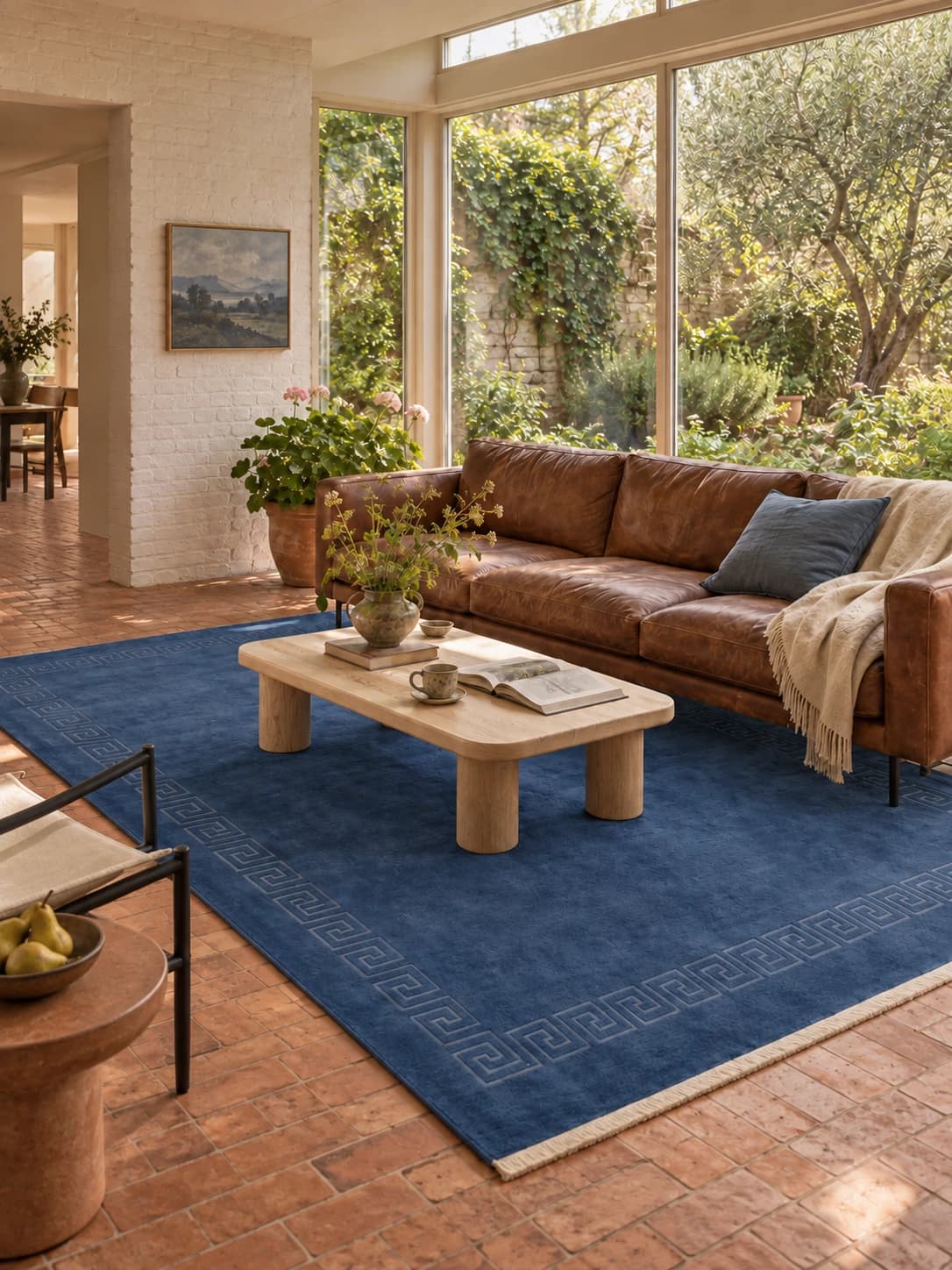
Notably, Indian rugs lend themselves well to custom work. Contemporary Indian workshops expertly adapt traditional patterns to modern interior requirements, offering bespoke sizing, colour matching, and design modifications while maintaining authentic weaving techniques.
Modern Indian rug production embraces both time-honoured handcraft and innovative sustainable practices. Many workshops now use eco-friendly dyes, ethical wool sourcing, and fair labour practices, making these rugs an excellent choice for environmentally conscious consumers.
Indian rugs offer sound value across the whole market, from elegant everyday pieces to museum-quality masterworks, with a favourable ratio of quality to price and, in the hand-knottedA rug construction in which the weaver ties each knot of wool or silk pile yarn by hand around adjacent warp threads on a loom, then runs a weft through the row and beats it down. The cut knot ends form the pile, the warps and wefts form the foundation, and the warp ends become the fringe. A rug can take months or even years, and the work leaves subtle irregularities: patterns not perfectly symmetrical, opposite edges a few inches different in length, an uneven fringe. Authentic Persian, Oriental and Turkish rugs are hand-knotted, unlike hand-tufted rugs (sometimes sold as “handmade”) and machine-made ones, whose backs feel stiff and evenly aligned.See in the carpet dictionary grades, the longevity that comes with wool and honest construction.
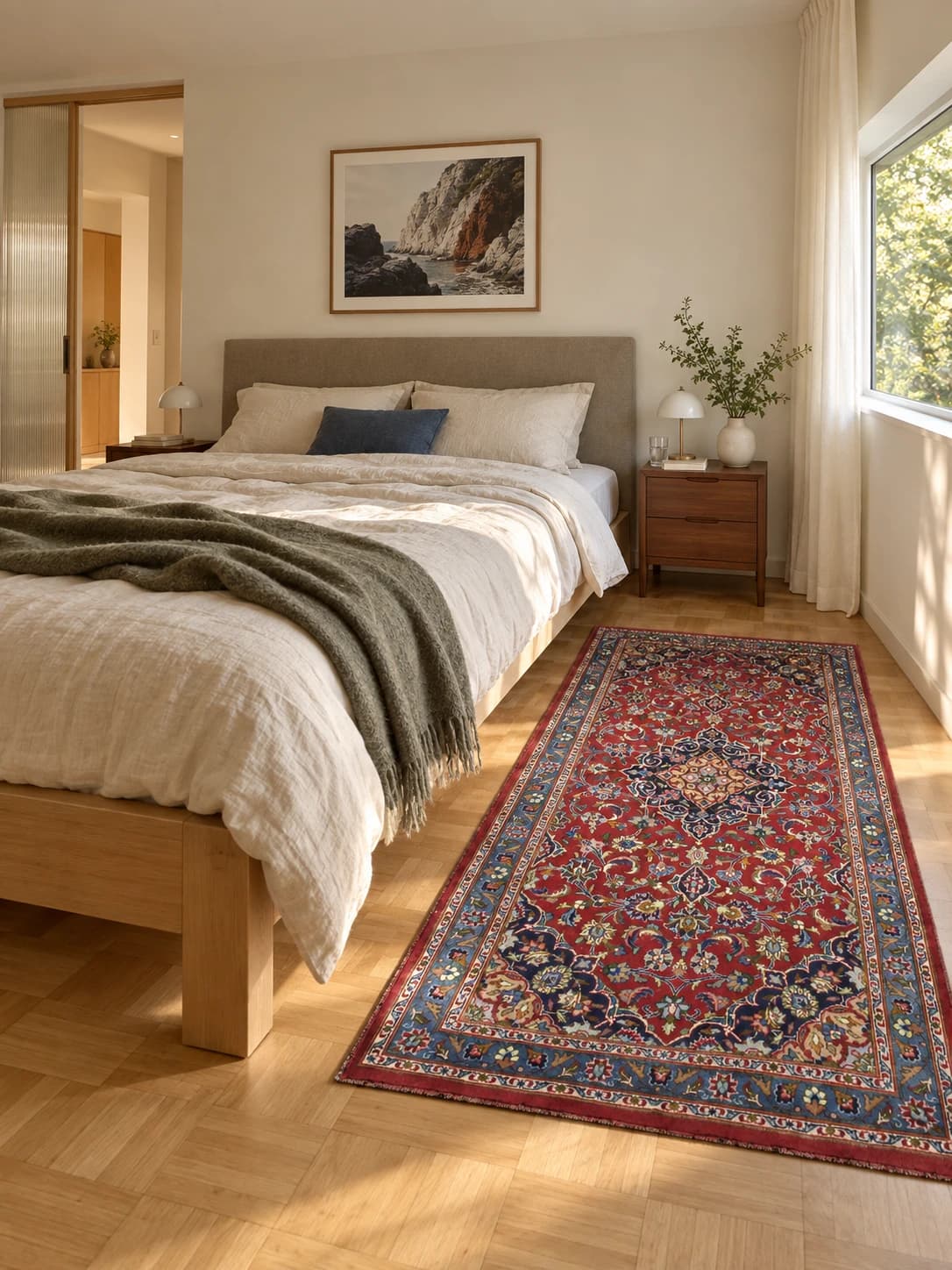
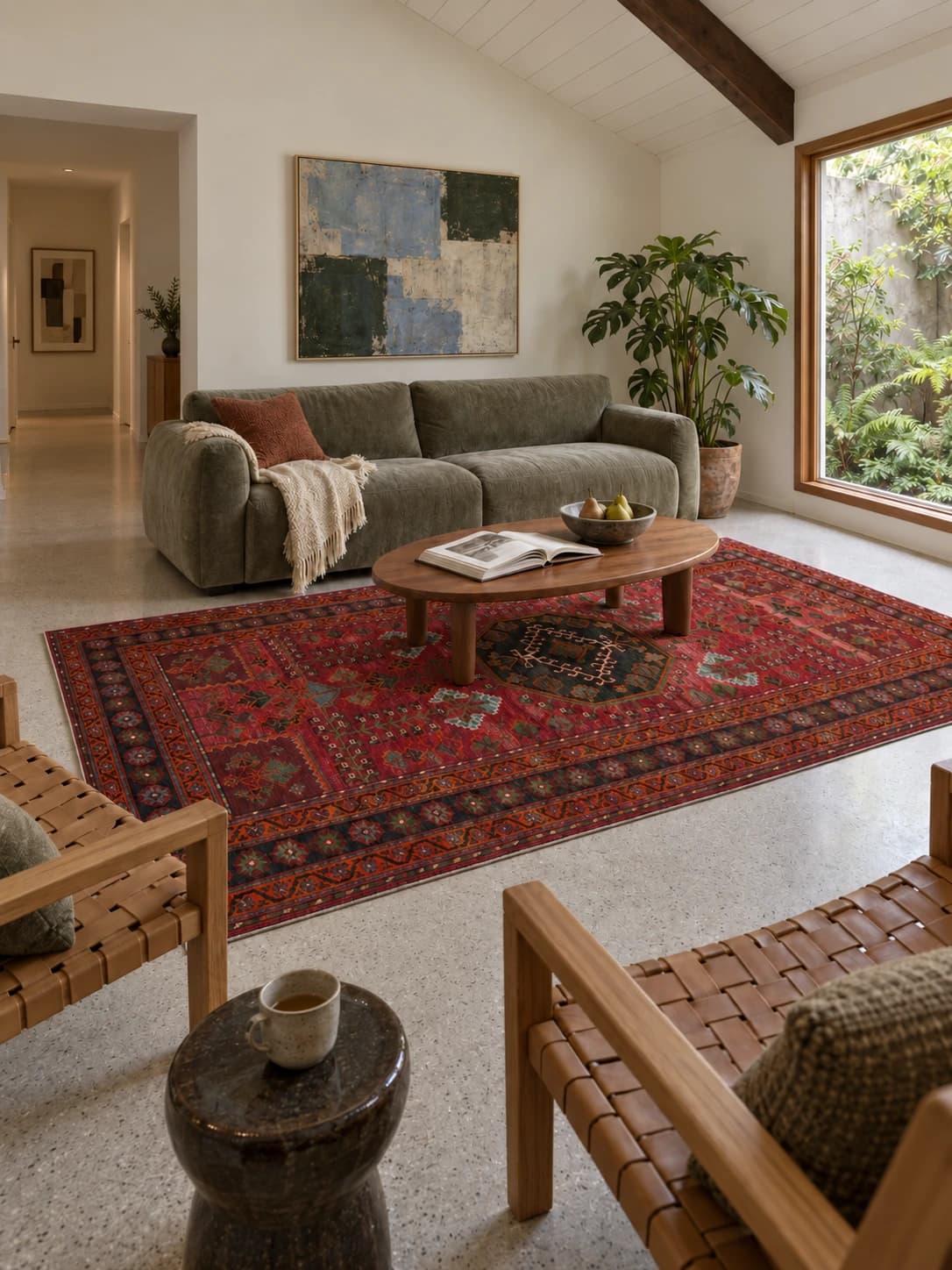
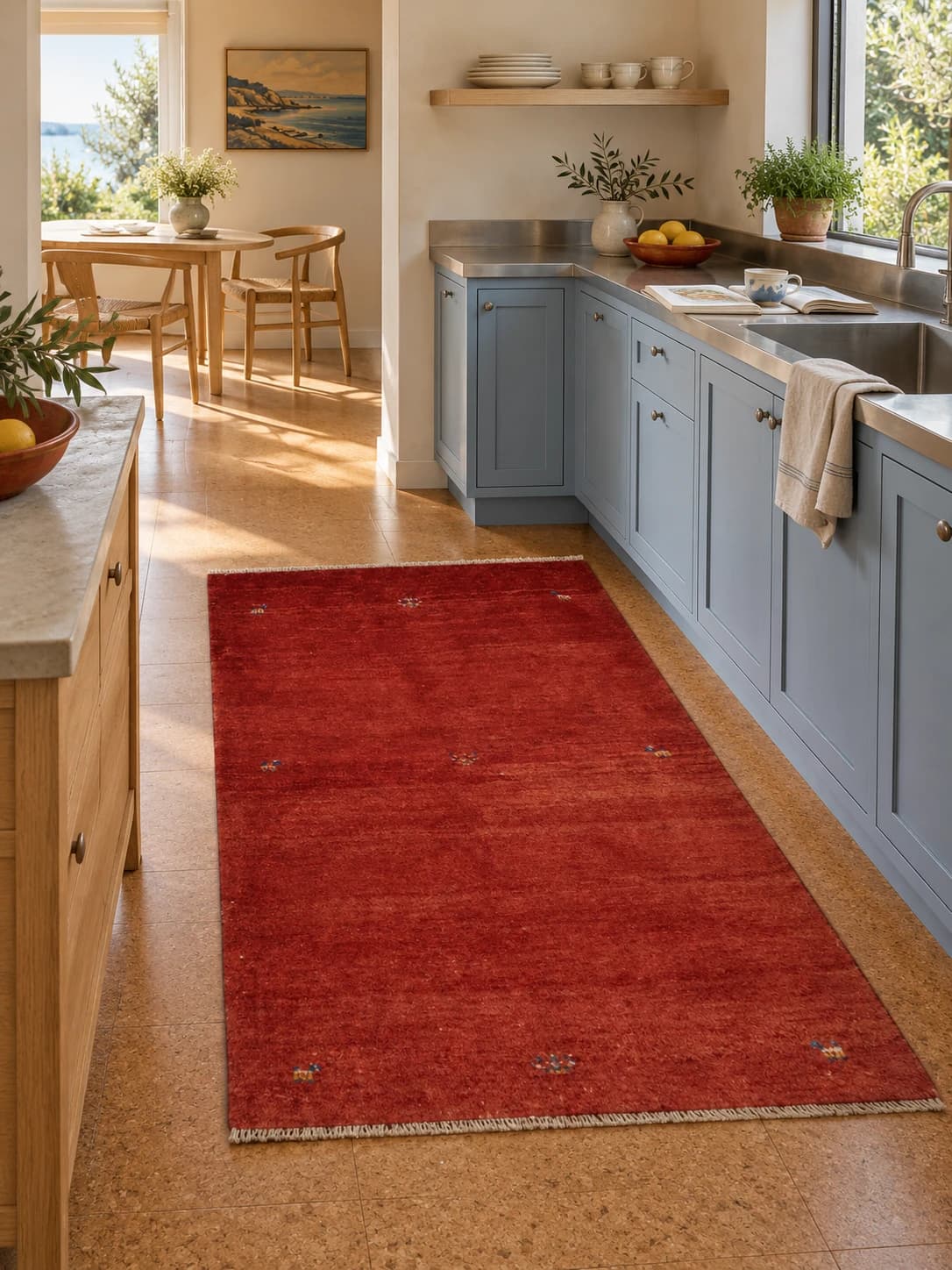
Each Indian carpet carries a story of cultural inheritance and craft. Whether it lands in a contemporary apartment or a traditional home, it brings warmth, character and a note of the subcontinent into the room.
Questions about this carpet?
Our family has traded carpets for two generations. Ask us anything — photos, video calls, advice on sizes.
Message us
Keep exploring
Guides from our family workshop: how to clean, place and care for handmade rugs.