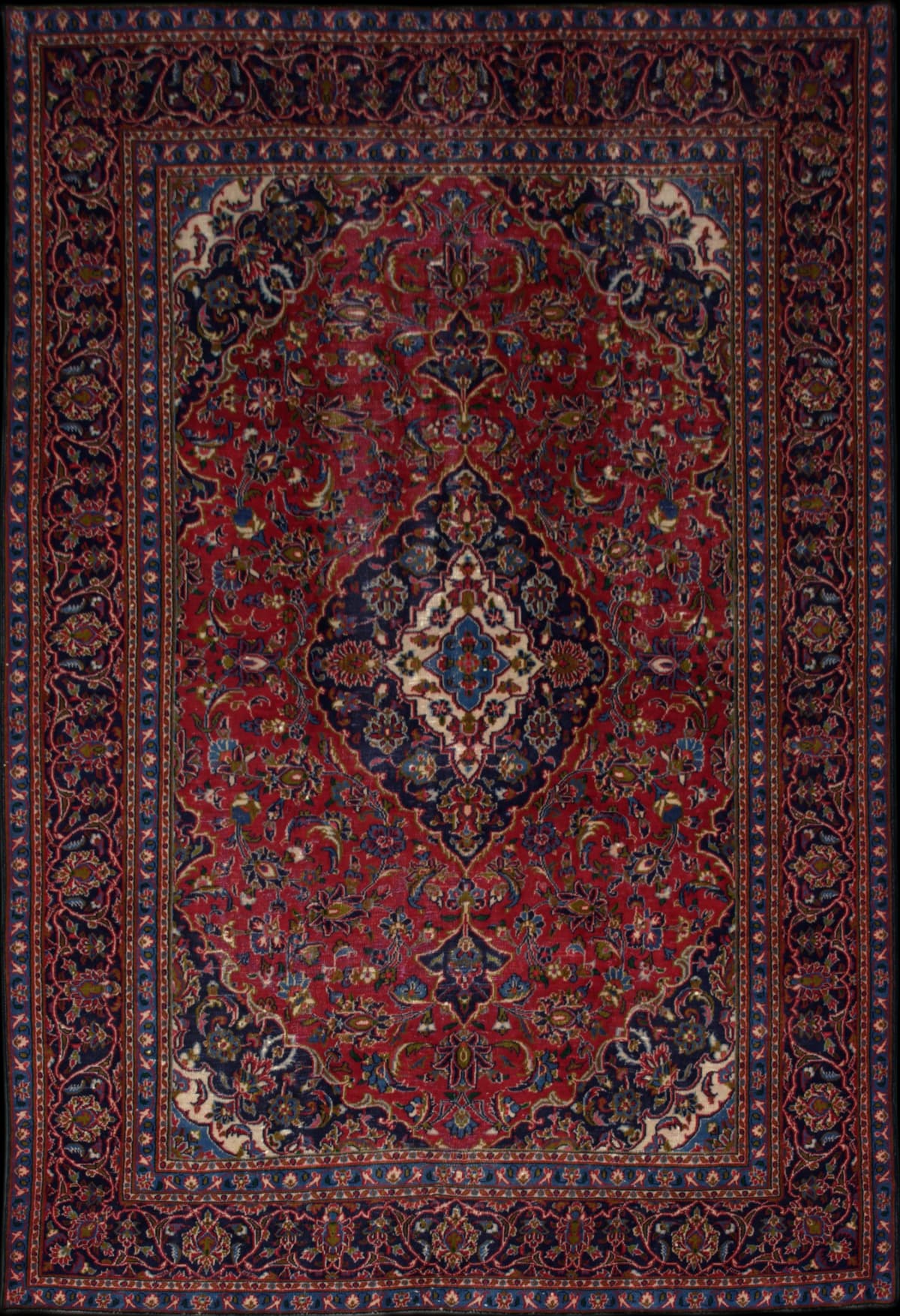
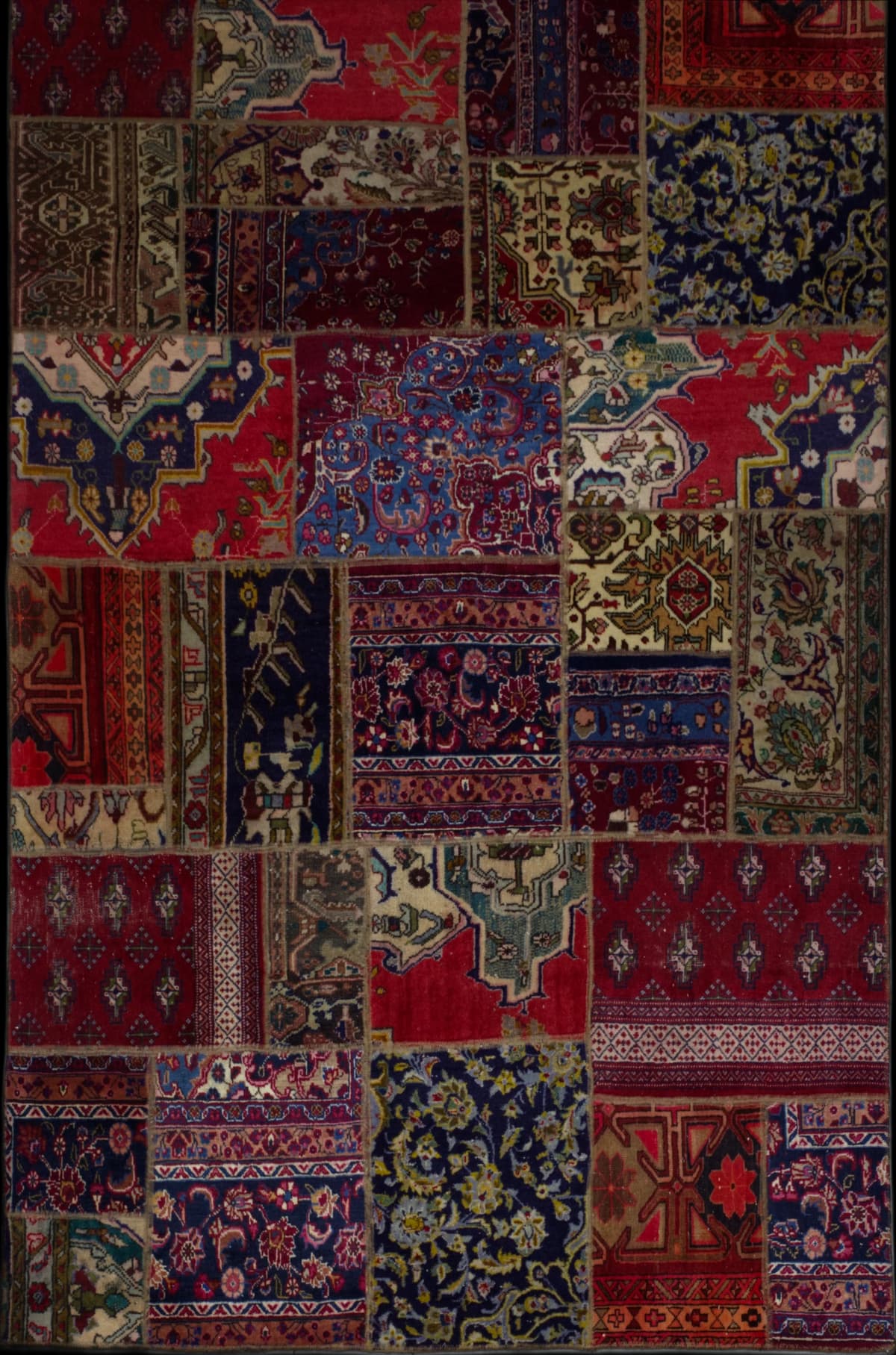
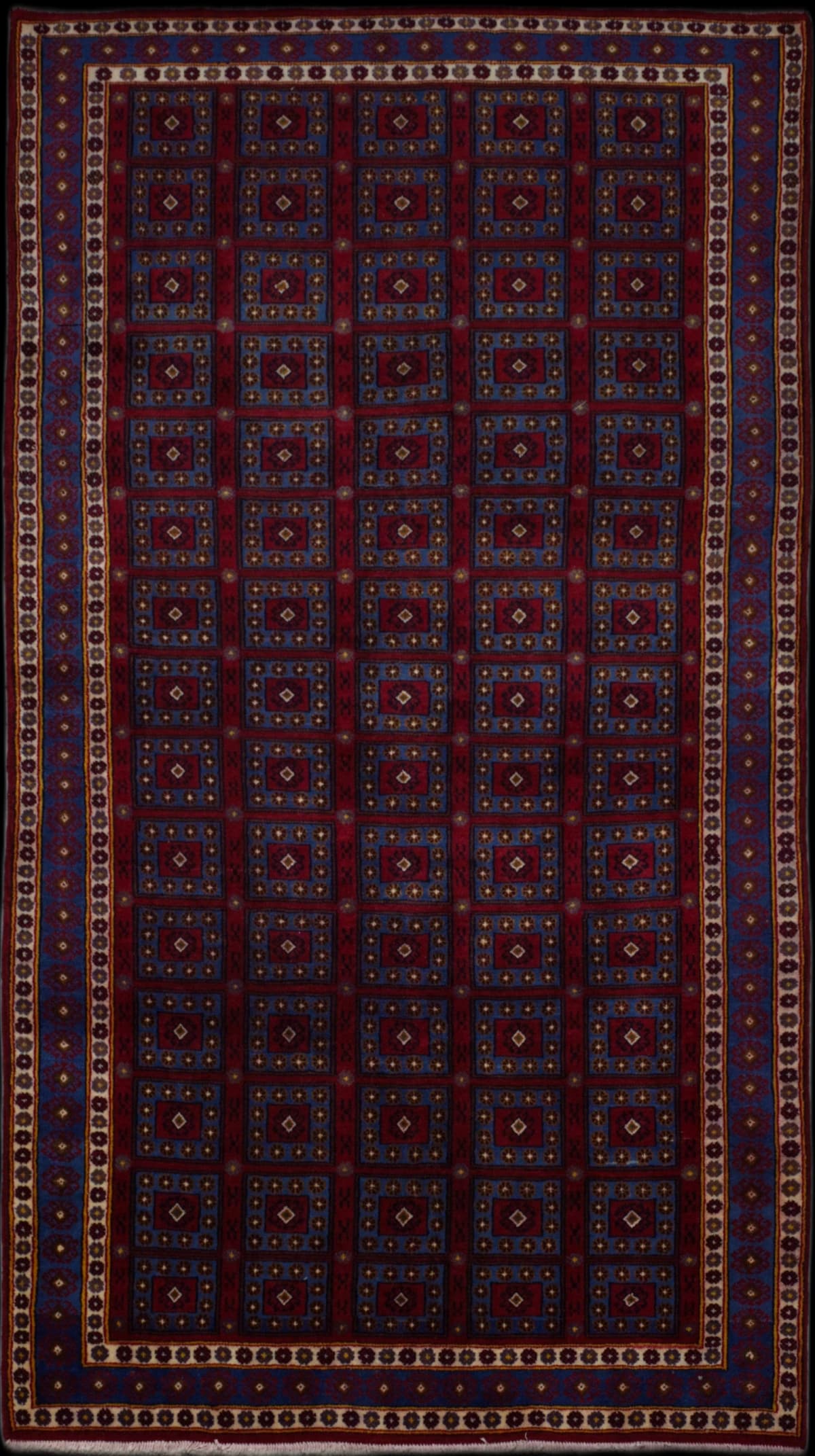
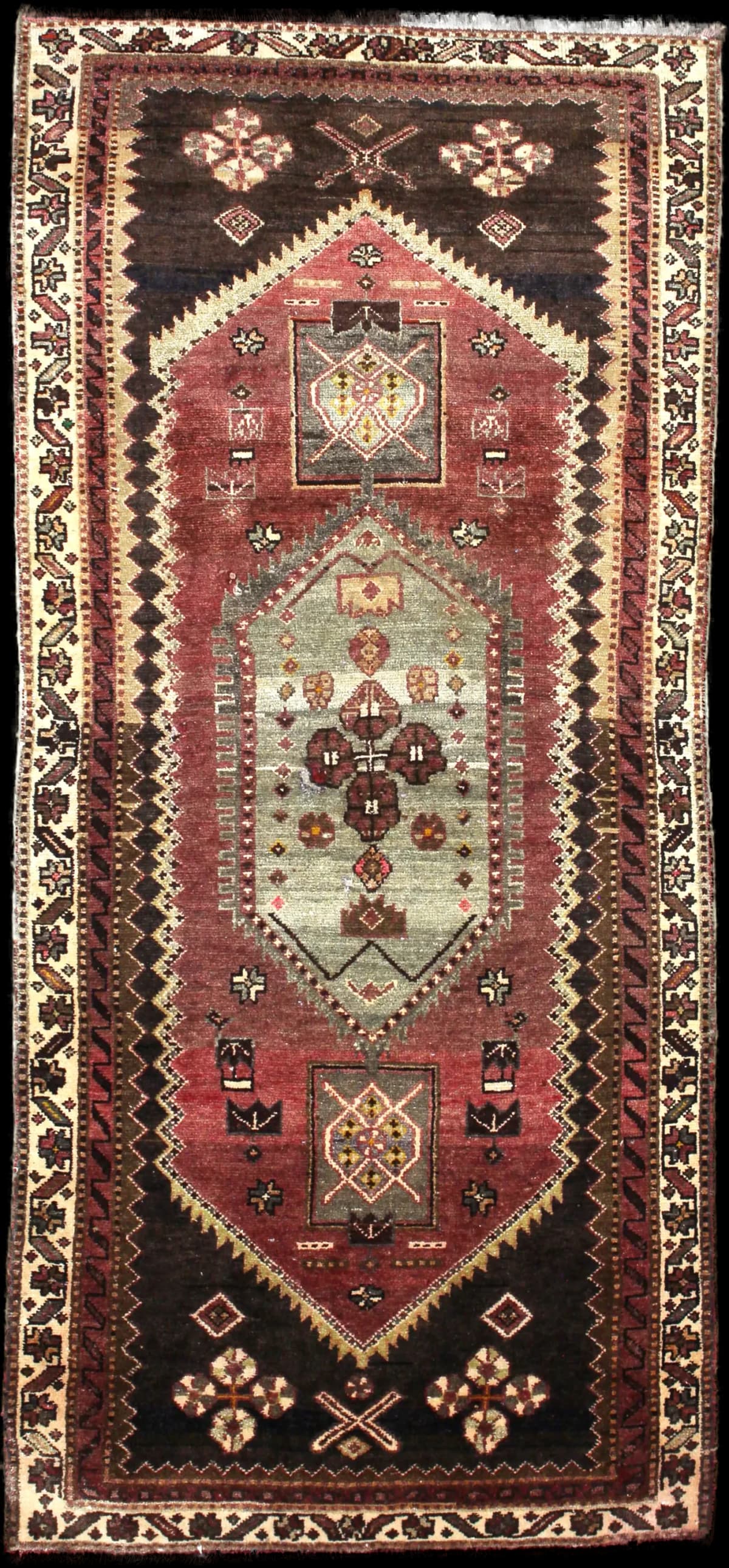
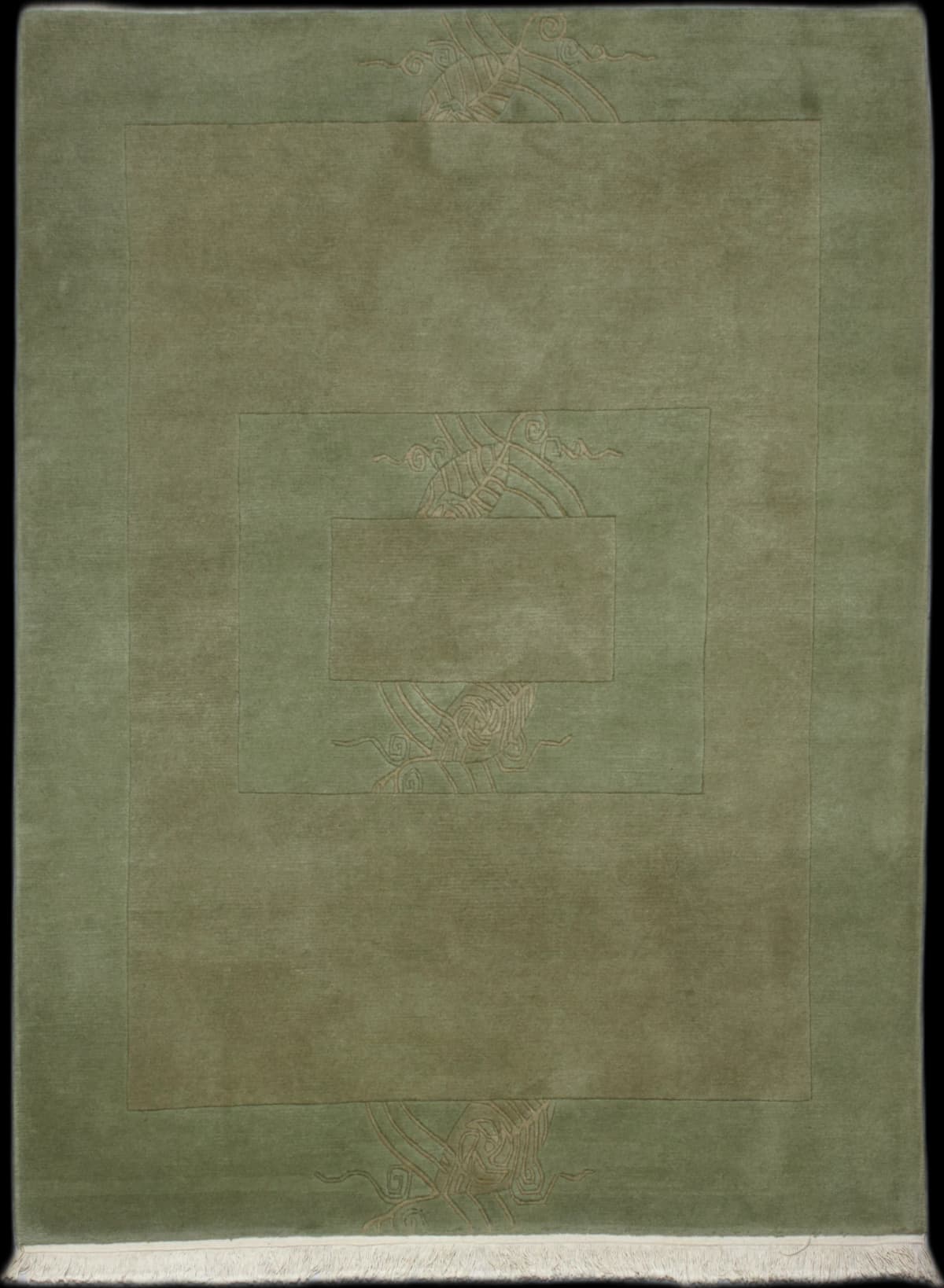
Up close
Türkiye
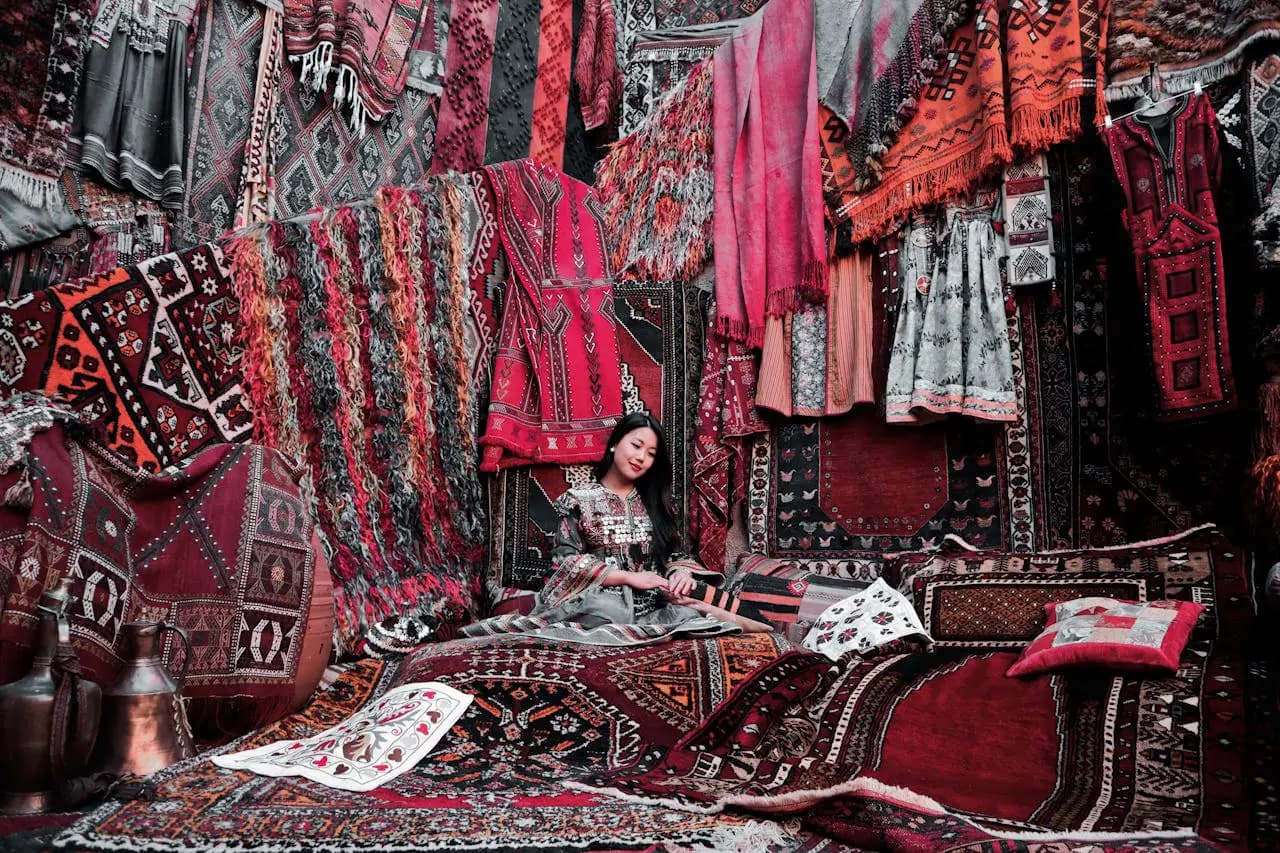
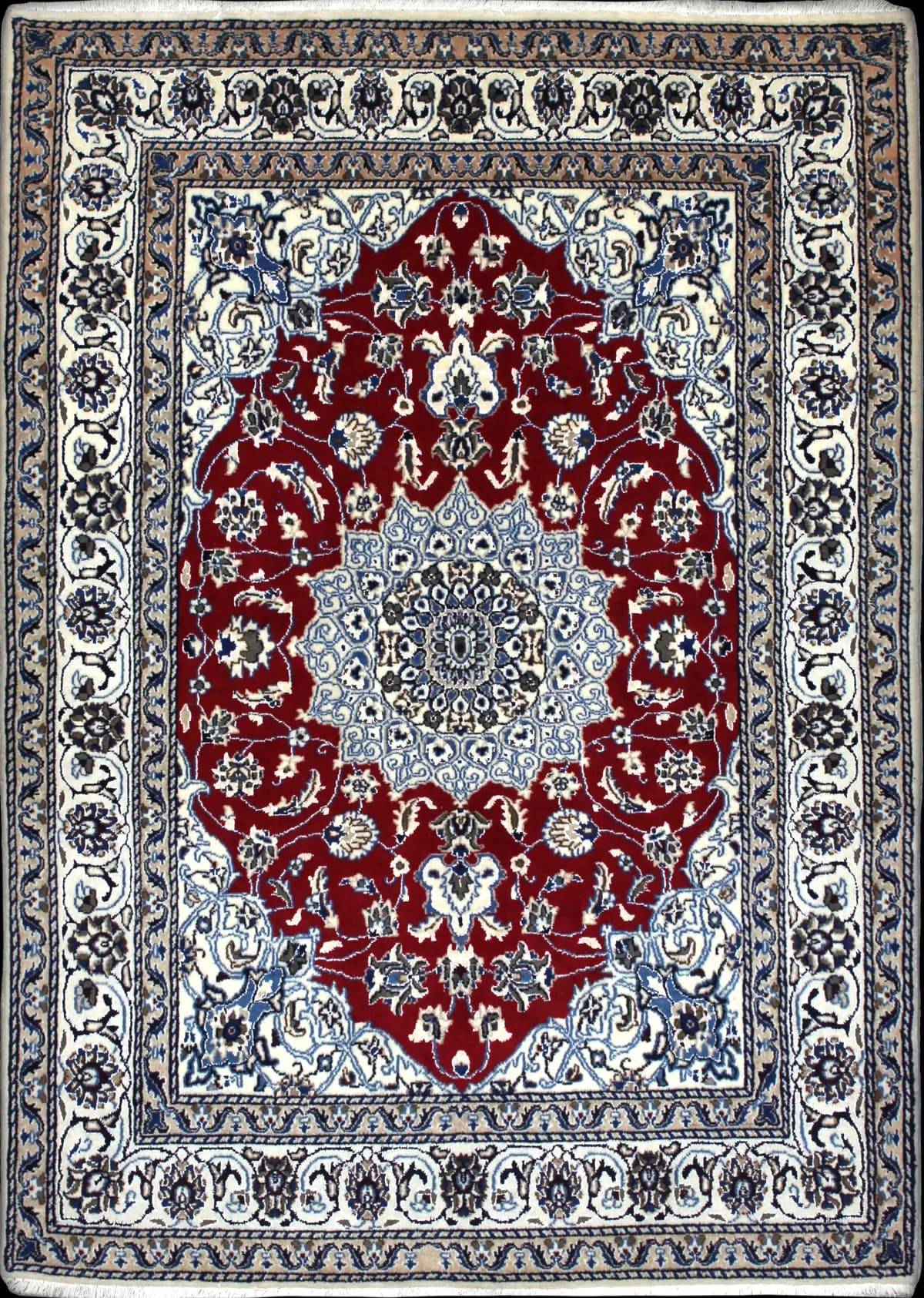
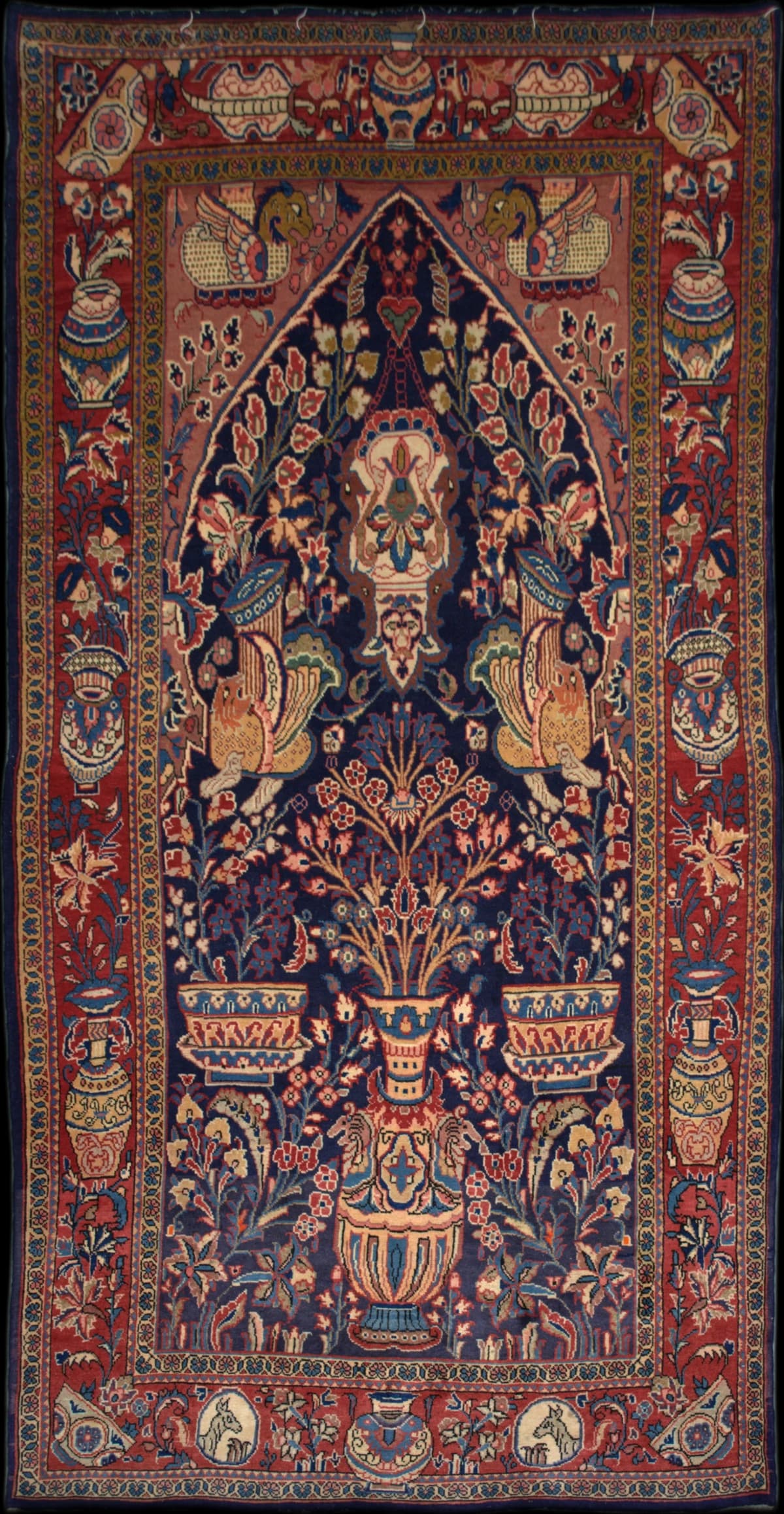
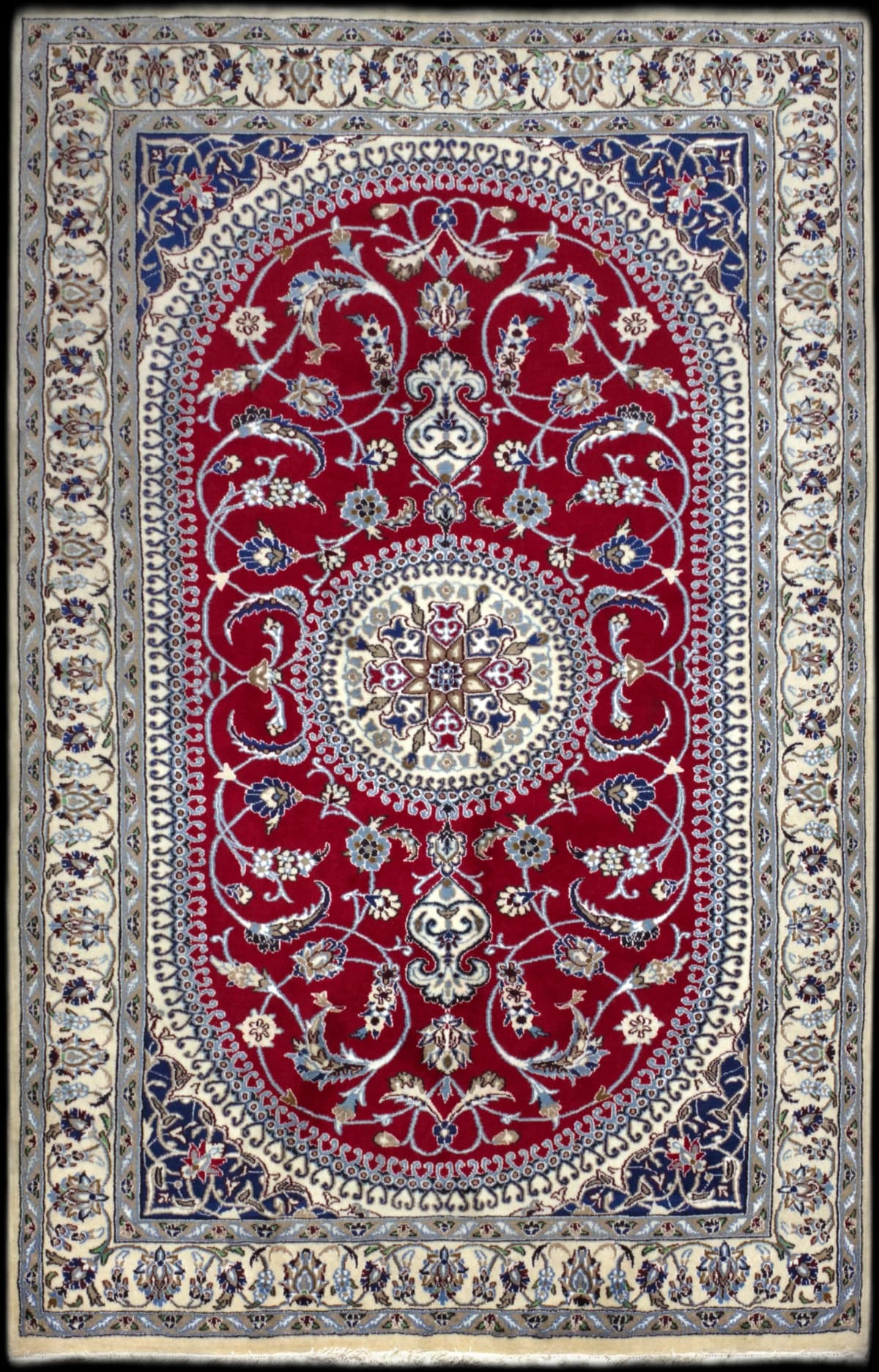
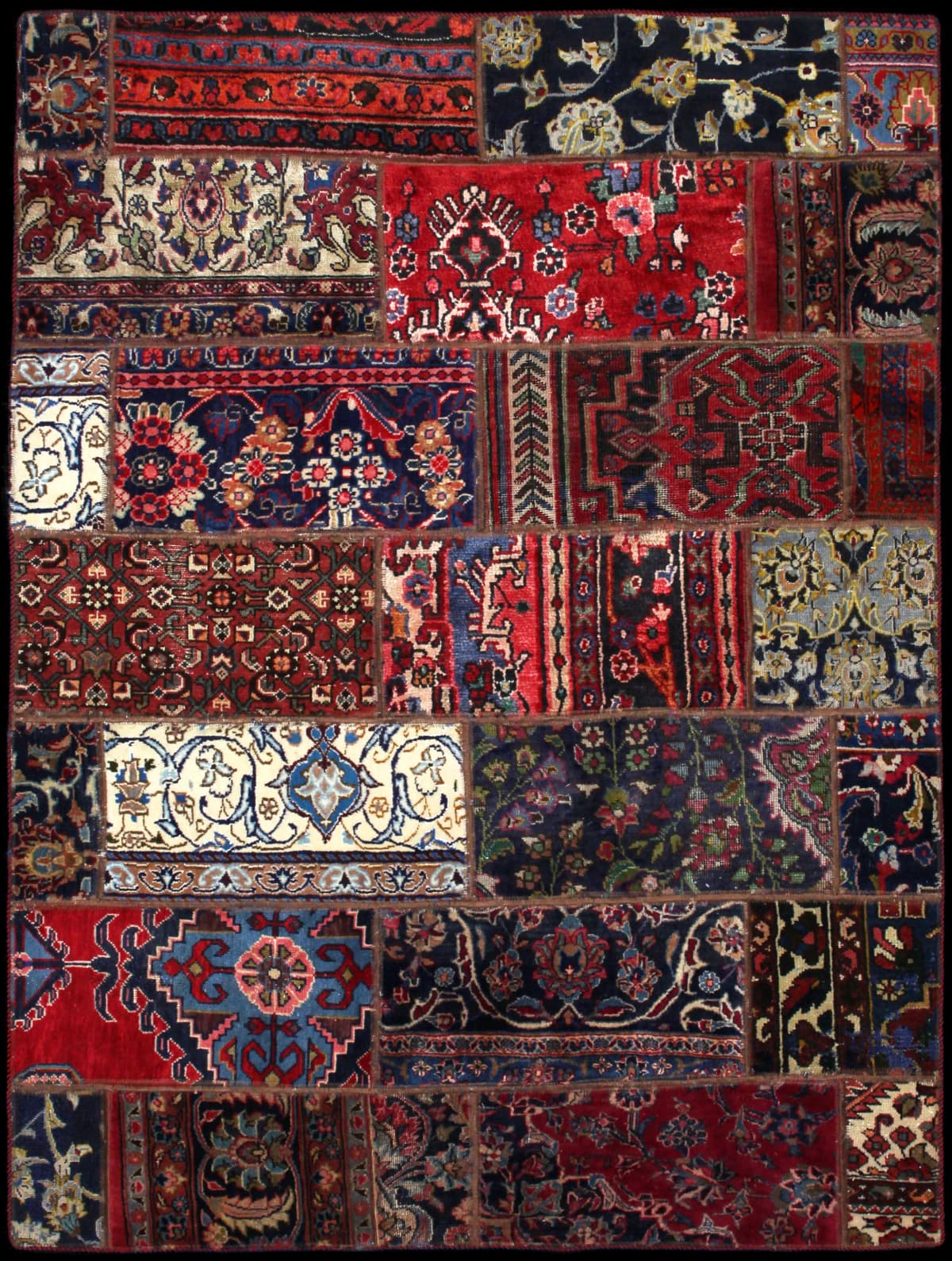
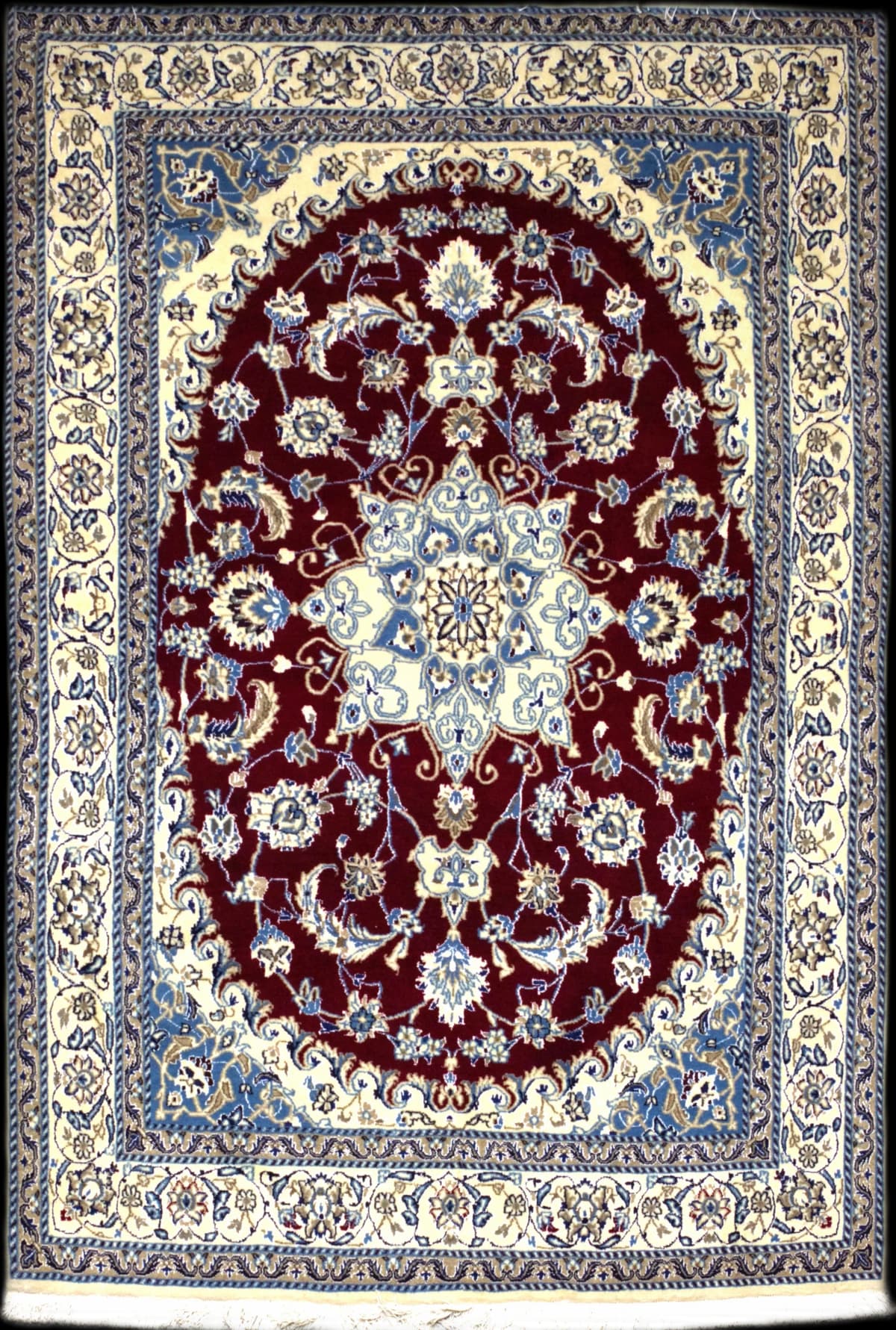
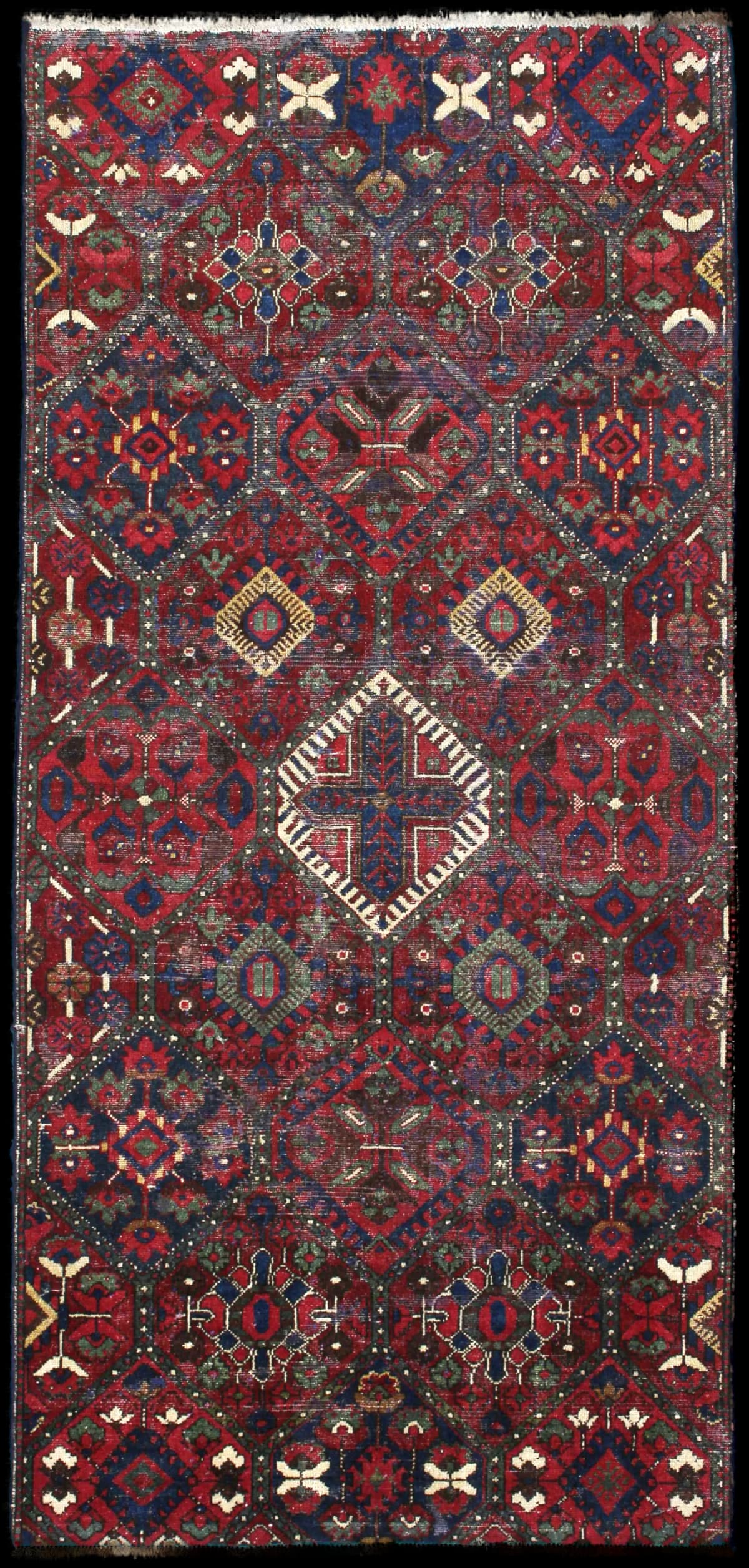
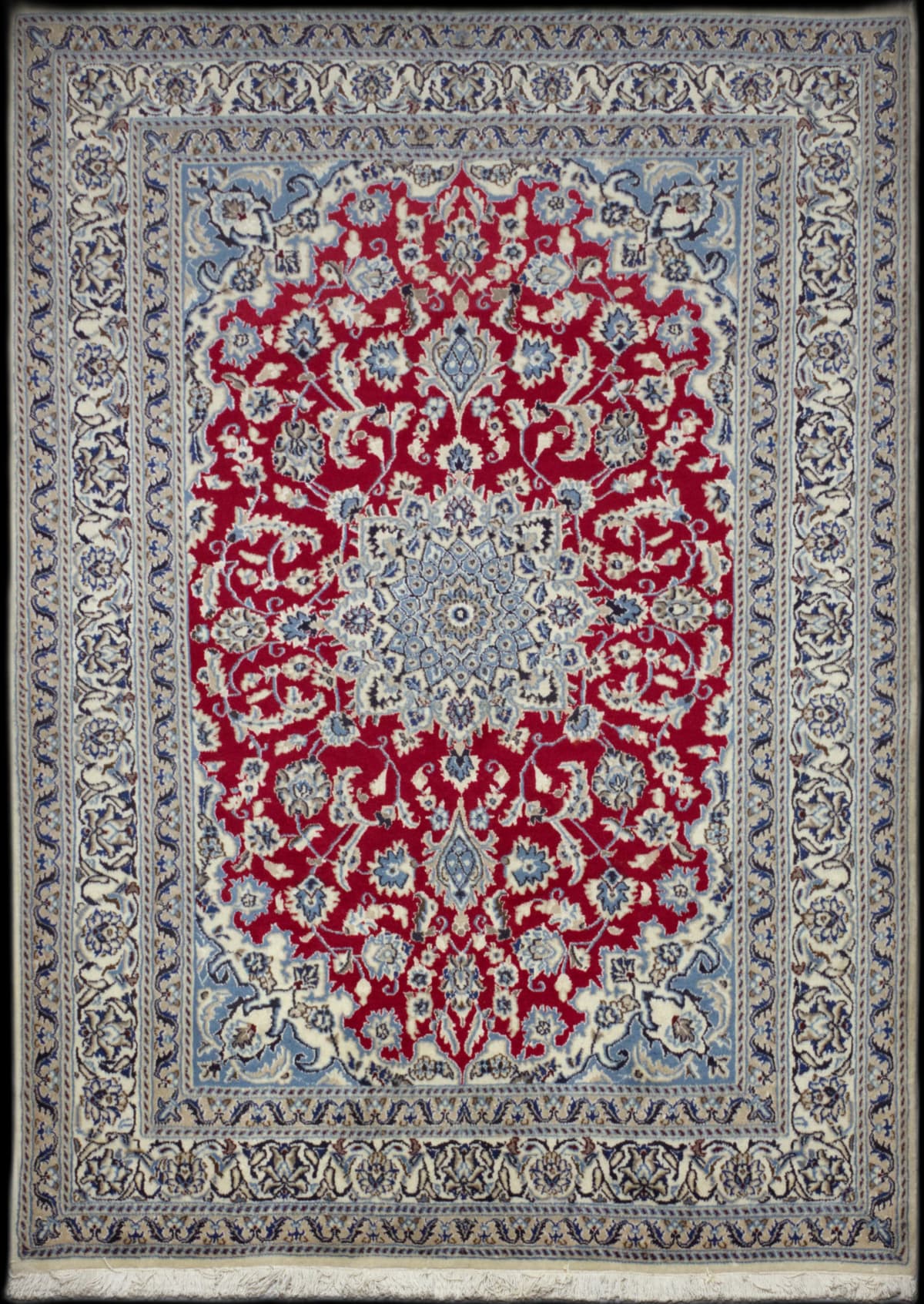
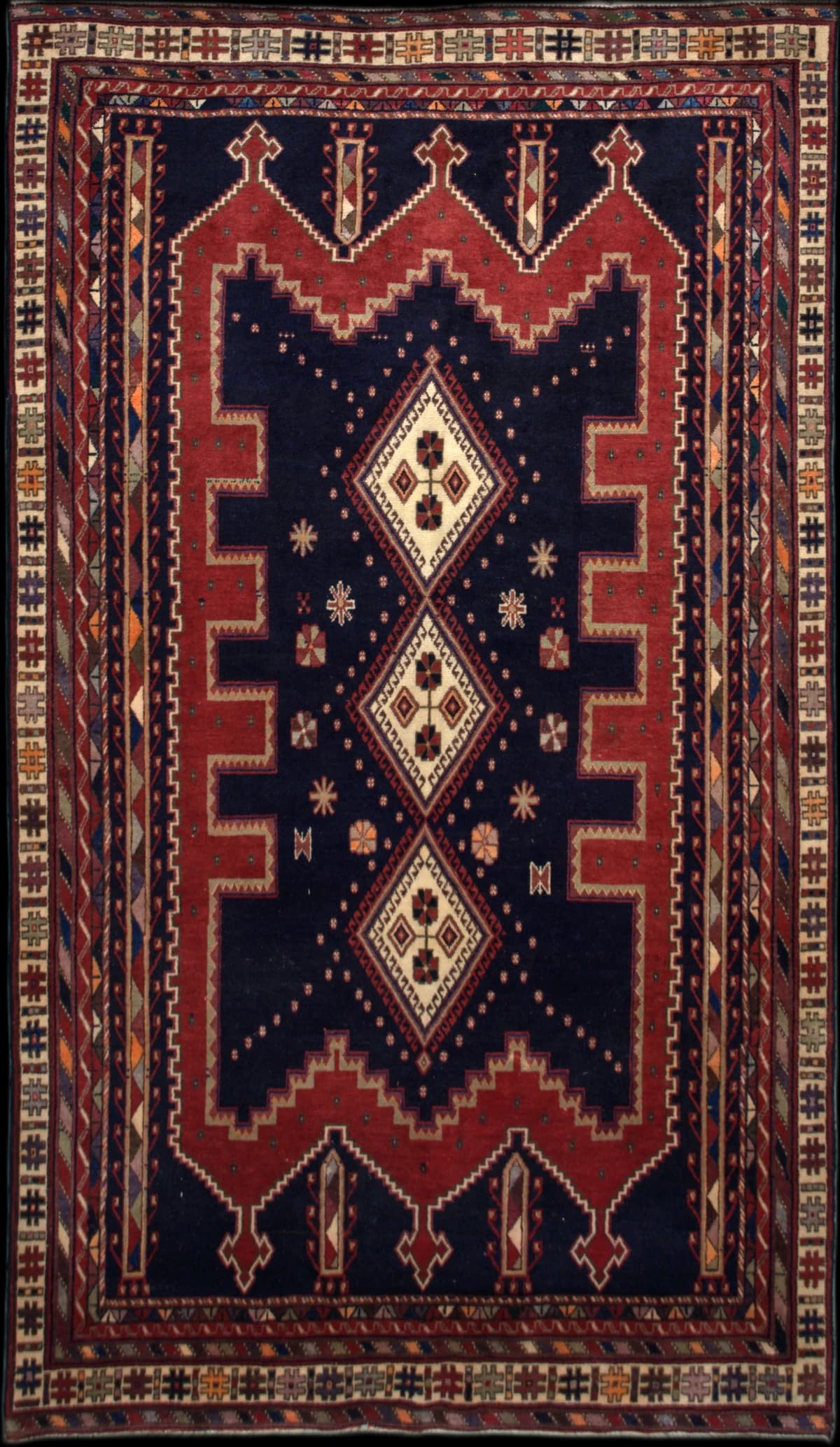
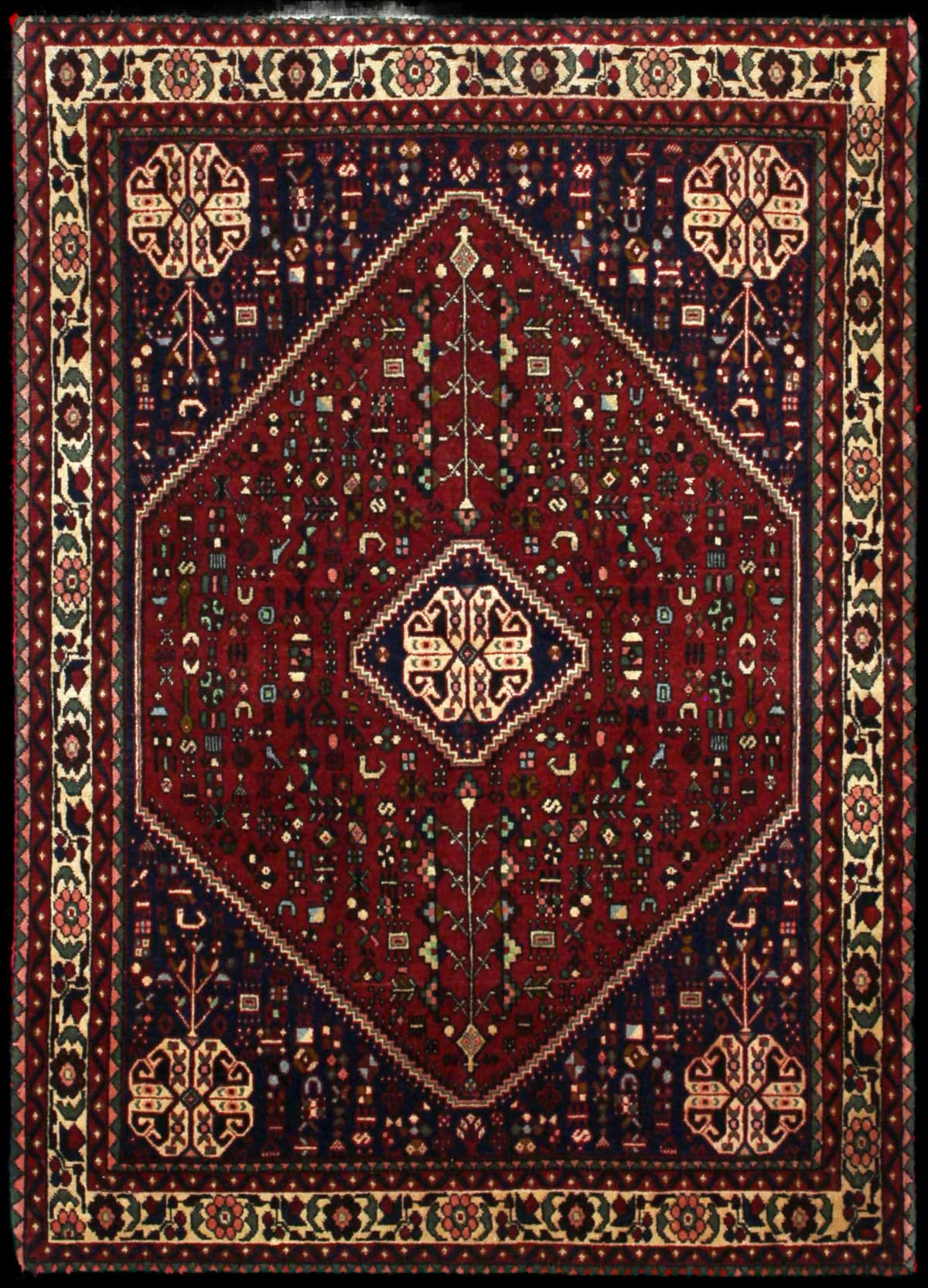
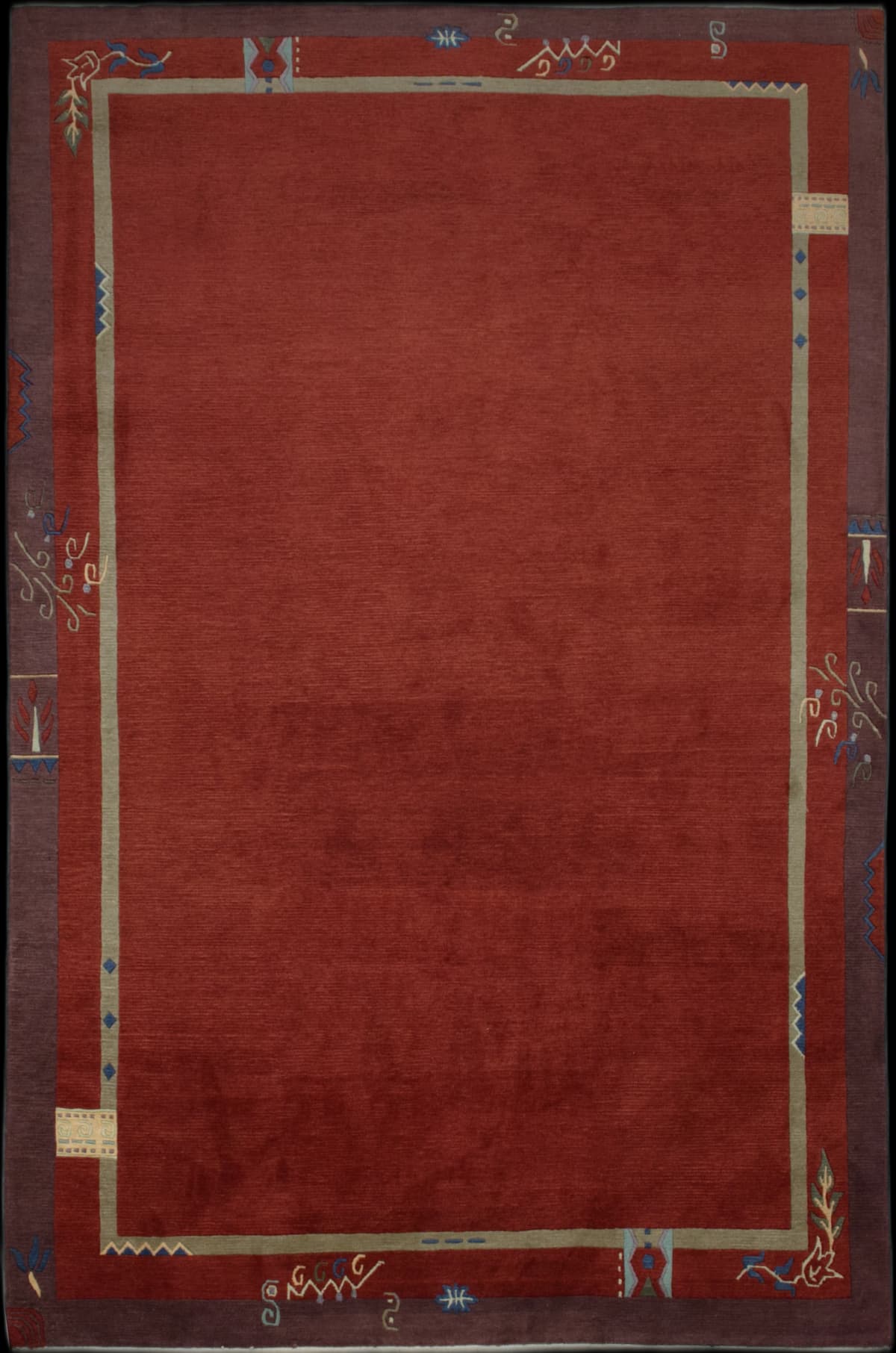
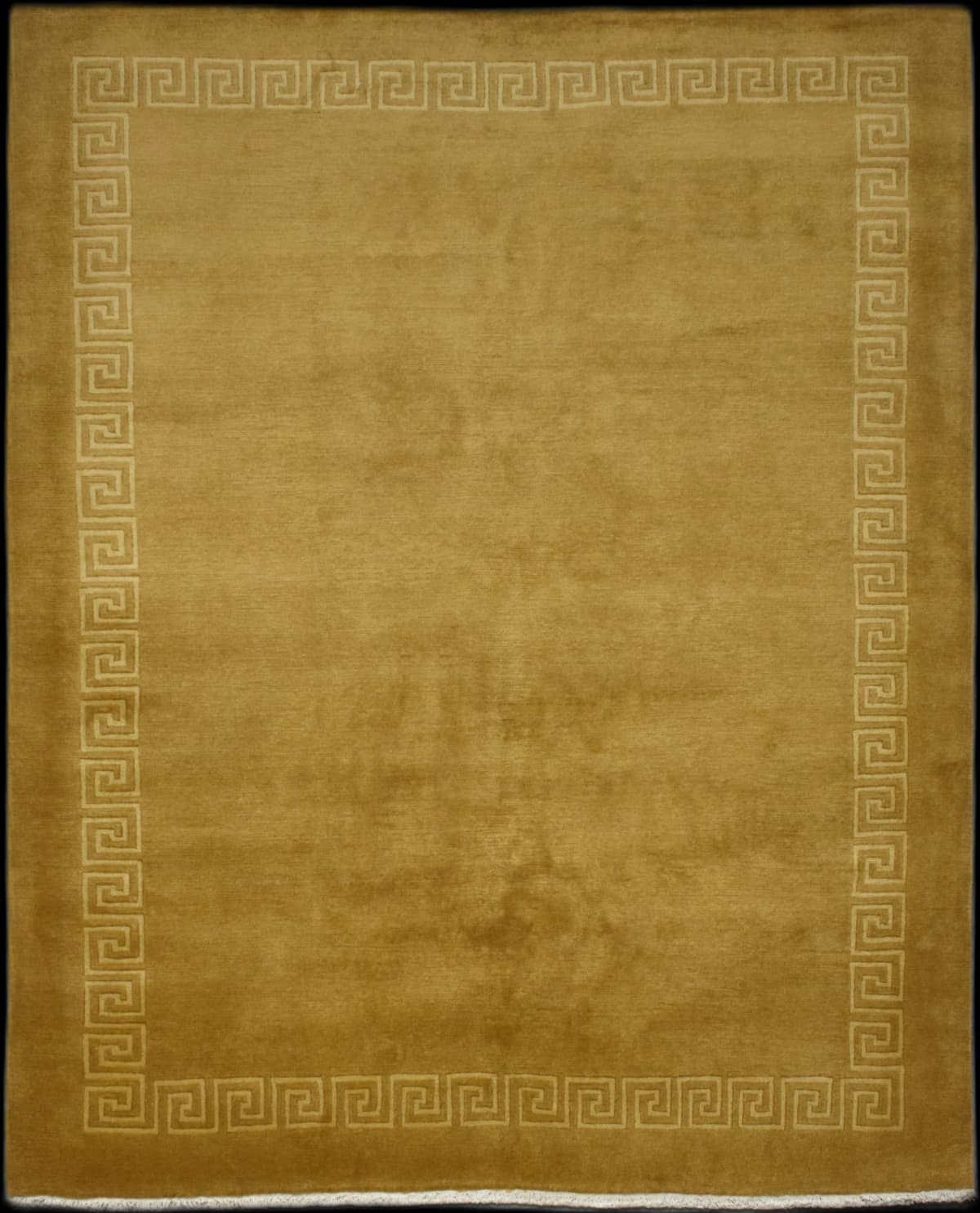
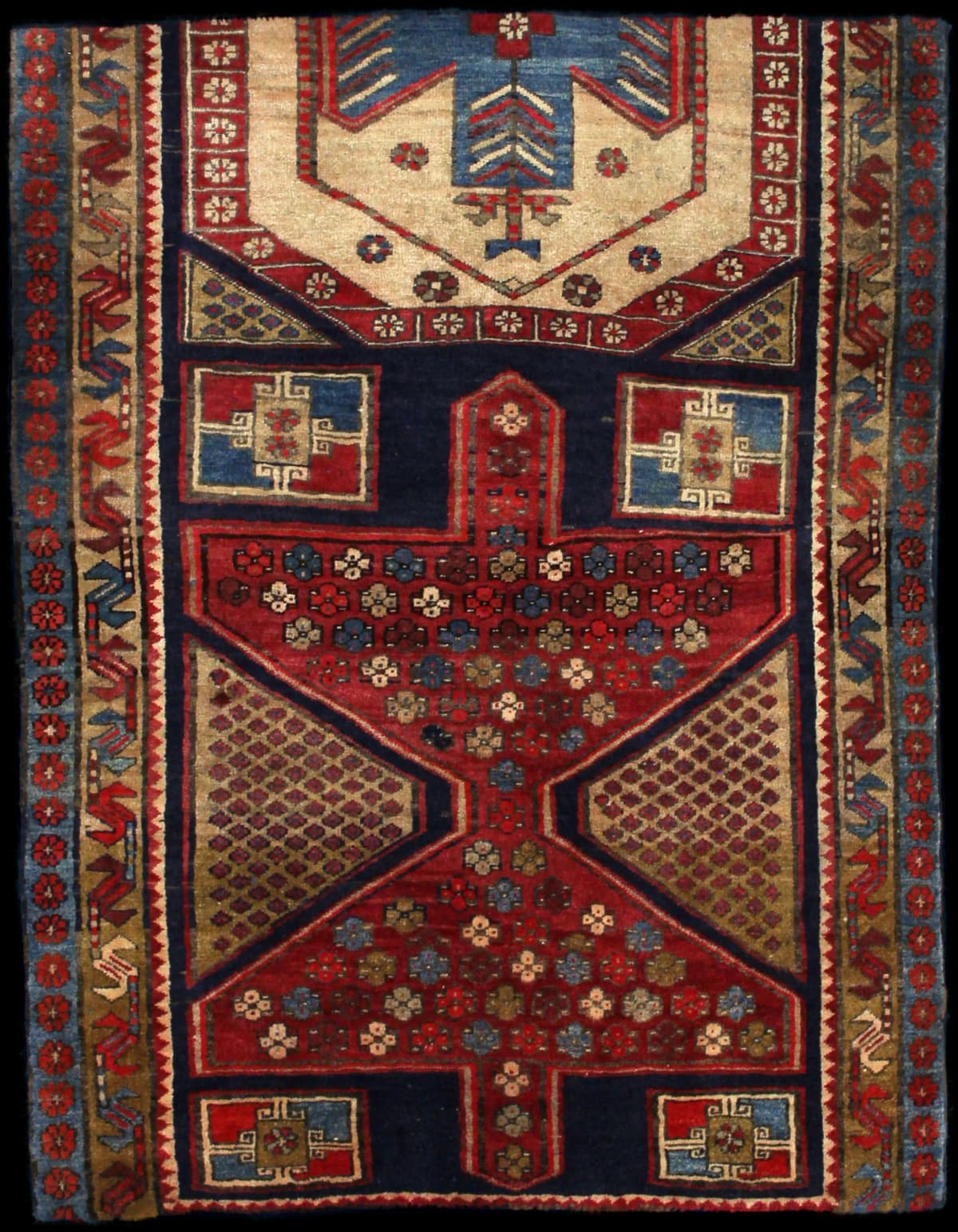
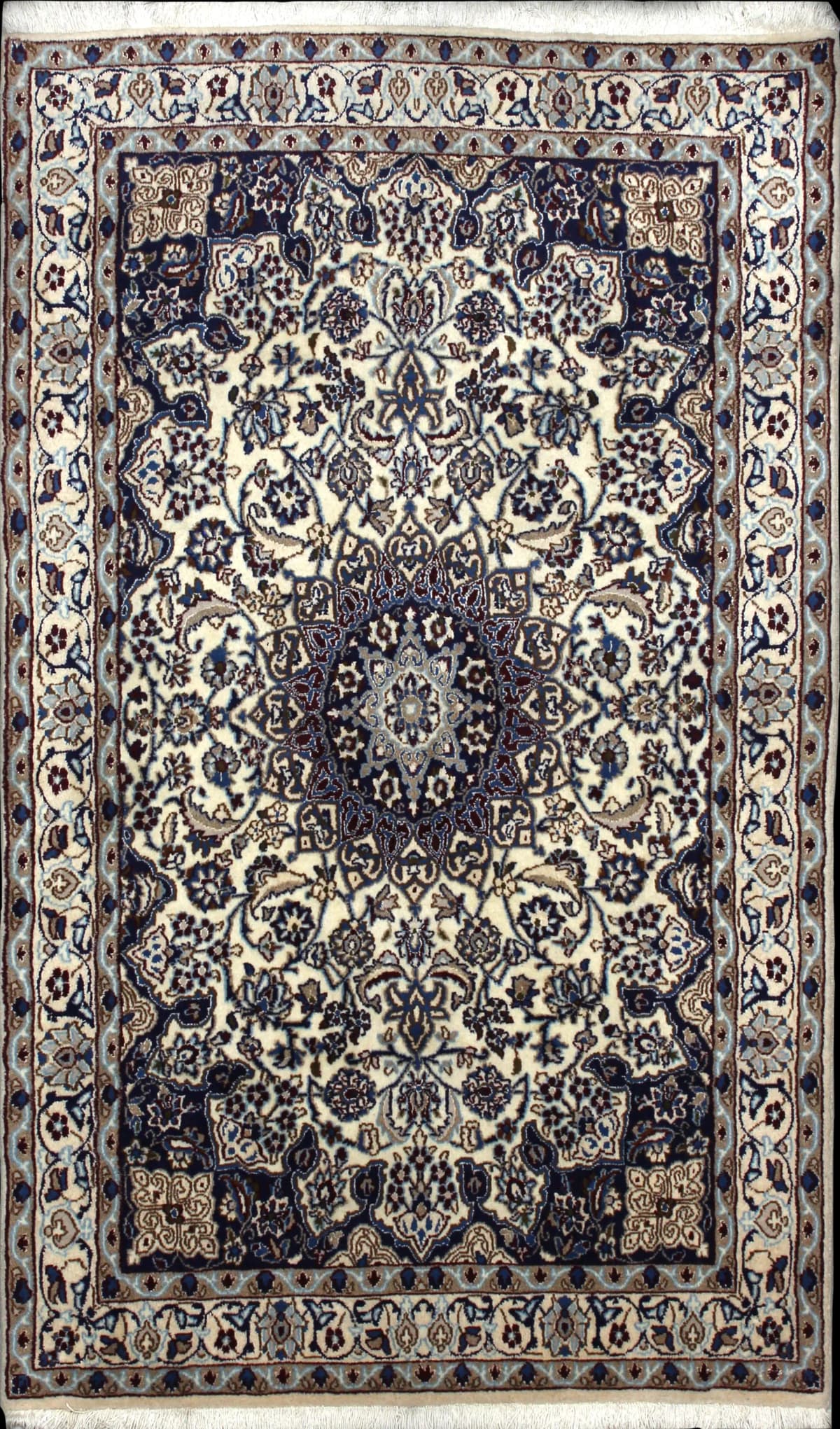
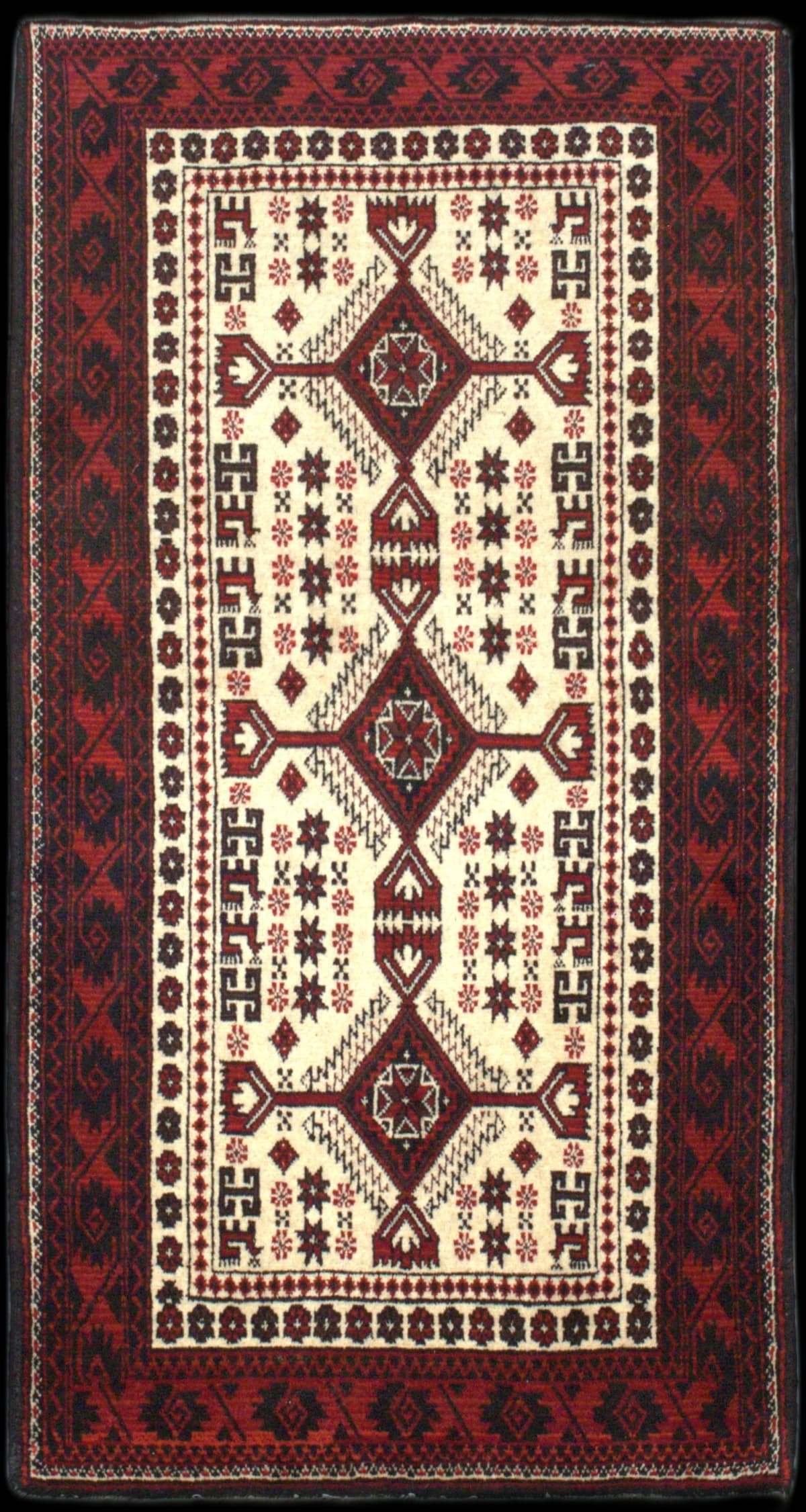
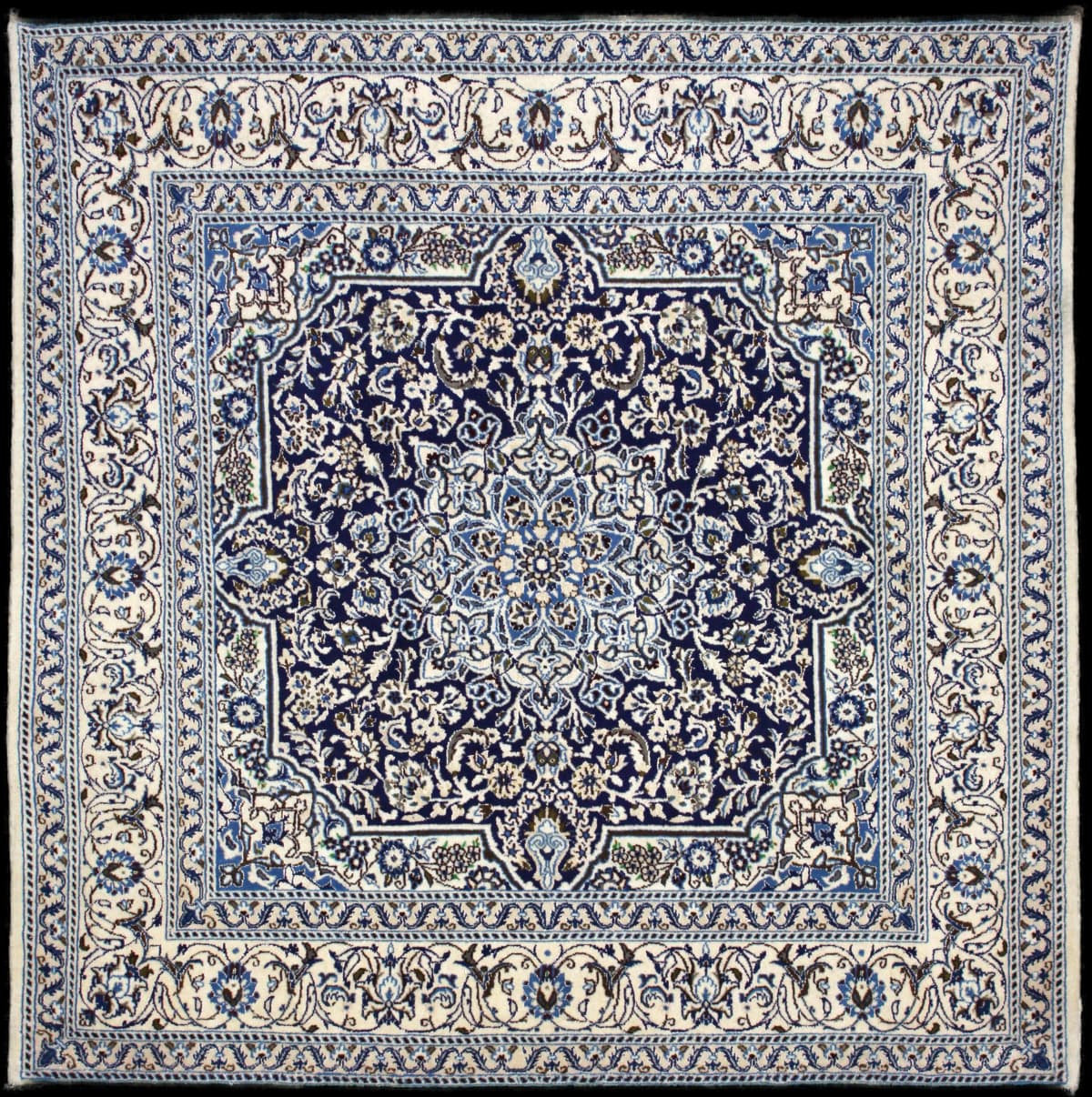
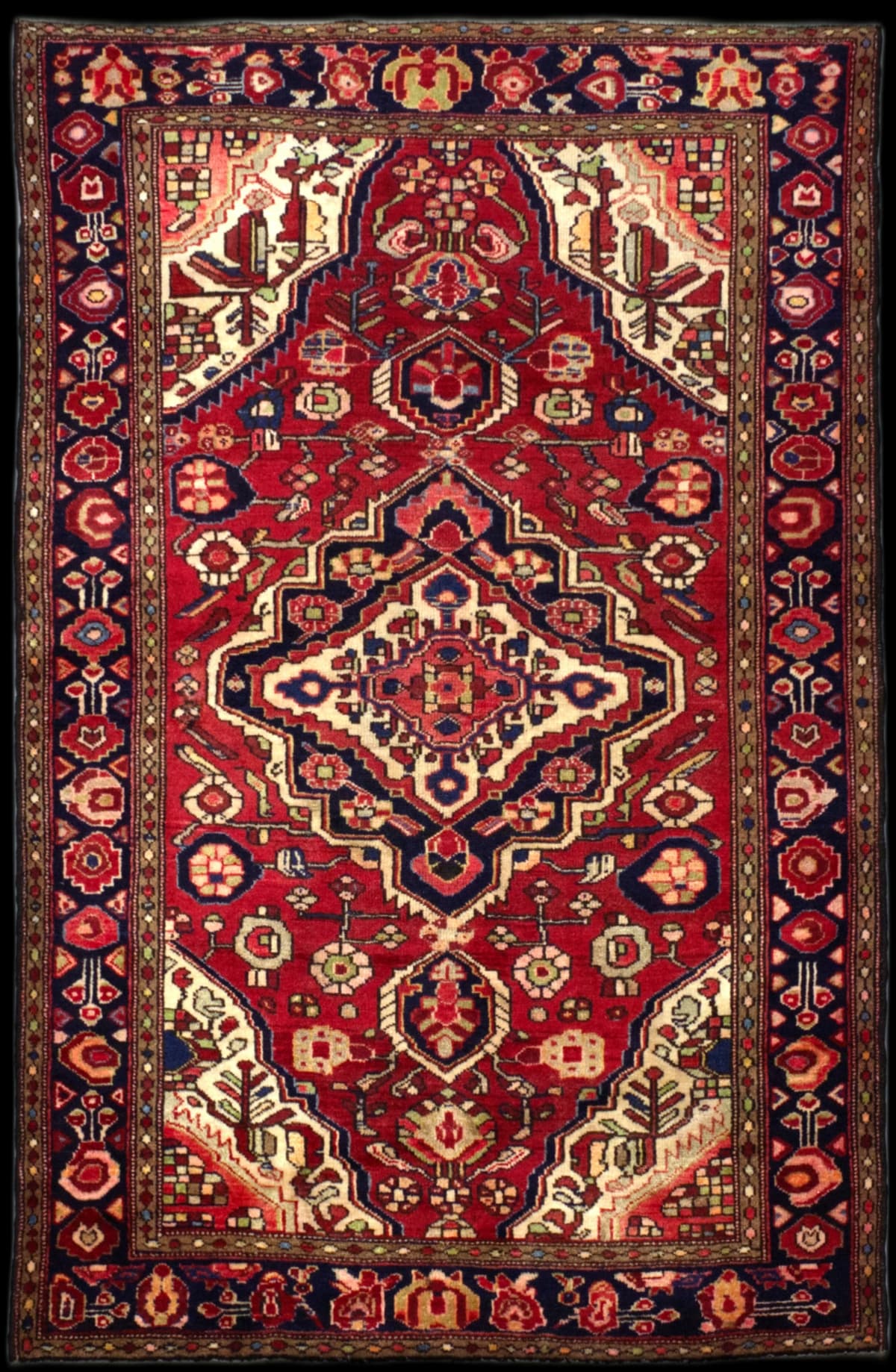
Turkish carpets, woven across the diverse regions of Türkiye, represent one of the world's most celebrated and enduring textile traditions, combining centuries of artisanal expertise with distinctive cultural patterns that have influenced global carpet design for generations.
The remarkable diversity of Turkish carpets encompasses several major styles, from the geometrically striking Yörük nomadic rugsCarpets woven by nomadic tribes across the Middle East, Central Asia, and North Africa, who move with their flocks through spring, summer and fall and settle in winter to weave. Working on compact portable looms, they typically make small pieces (for example 4 x 6 or 5 x 7 ft, about 1.2 x 1.8 or 1.5 x 2.1 m), sometimes runners, using wool from their own flocks, often for both foundation and pile, traditionally dyed with local plants. The bold, mostly geometric designs are passed down through generations without written patterns and sometimes echo city rugs. Unlike city or workshop rugs, they often show asymmetry, color variation and patterns that do not resolve neatly at the corners.See in the carpet dictionary to the sophisticated floral patterns of Hereke silk carpets. Each style showcases unique regional characteristics, whether it's the bold tribal motifs of Konya or the refined court designs of Istanbul's imperial workshops.
Turkish carpets are renowned for their double-knotting technique, known as the Turkish or Ghiordes knotOne of the two main knots of hand-knotted rugs, also called the symmetrical knot (the other being the asymmetrical Persian or Senneh knot). The yarn is looped around two adjacent warp threads with both ends emerging between them, so the back shows small, even, squarish knot heads; weavers often tie it with a hook. Named after the town of Ghiordes (modern Gördes) in Turkey, it is typical of Turkey, the Caucasus and northwestern Iran (Tabriz, Bijar, Heriz, village Hamadan), where Seljuk Turks are said to have introduced it, and gives a durable, precise pile. The Persian knot is often credited with finer detail, yet knot type is a tendency, not a limit: Tabriz rugs woven with the Turkish knot reach about 500 knots per square inch (roughly 78 per cm²).See in the carpet dictionary — a symmetric knot that grips the foundation from both sides and makes exceptionally durable pieces. The technique travelled far beyond Anatolia: Seljuk weavers carried it east in the eleventh and twelfth centuries, and its influence is still visible in the weaving of Tabriz, Hamadan and the Azerbaijan region of Iran. Combined with good local wools and occasionally silk, it produces carpets that withstand generations of use while keeping their beauty and structure.
The color palette of Turkish carpets is particularly celebrated, featuring rich reds derived from madder rootThe root of the madder plant (Rubia tinctorum), a natural red dye and the source of the terracotta tones in Persian and Oriental rugs. Together with indigo and walnut husks it is among the plant dyes used to color the wool, bonding to its natural lanolin. Slight shade variations within one color area, known as abrash, are normal in rugs dyed this way.See in the carpet dictionary, deep blues from indigo, and warm yellows from natural plants. These natural dyes, still used in traditional workshops, create colors that soften beautifully with age, developing the sought-after patina that collectors prize.
Motifs in Turkish carpets carry deep cultural significance, from the protective nazar
evil eye to the fertility-symbolizing tulip patterns. Prayer rugs feature distinctive architectural designs with mihrabAn arch- or doorway-shaped niche woven at one end of a prayer rug's field, echoing the niche of a mosque that marks the direction of Mecca. It is the focal point of the rug and reminds the person praying that they stand in a sacred space. The drawing ranges from a bare outline of a doorway to an architectural rendering with columns and fine detail.See in the carpet dictionary arches, while larger carpets often display complex medallionA large motif at the center of a rug's field, around which the rest of the design is organized; the large central medallion is said to have been introduced in the Safavid era (16th-17th centuries). Floral medallions, typical of city rugs such as Tabriz, Kashan and Sarouk, are often read as a lotus blossom, and the motif has also been read as mirroring the interior dome of a mosque; geometric ones, often hexagonal or diamond-shaped, mark village and tribal rugs such as Heriz and Zanjan. A medallion may stand alone, come with four corner pieces, be flanked by smaller medallions above and below, or repeat down a runner. Rugs with no central motif are called allover. In a well-made rug the medallion sits at the center and the corners mirror one another, as closely as handwork allows.See in the carpet dictionary patterns or all-over garden designs inspired by paradise gardens.
Modern Turkish carpet production maintains high-quality standards while adapting to contemporary tastes. Today's pieces often feature subtle variations of traditional patterns in updated color palettes that complement modern interiors, ranging from subtle earth tones to vibrant jewel tones.
The sizing of Turkish carpets varies widely, from intimate prayer rugs of roughly 90x150 cm to grand palace carpets more than six metres long. Each format keeps its own design proportions, so the patterns read harmoniously at any scale.
These carpets earn their place through the combination of artistic merit, historical depth and practical durability. Whether chosen as a decorative element or a working floor covering, a Turkish carpet is built to look better with time, not worse.
Care for Turkish carpets is straightforward yet essential. The woolA natural animal fiber used for the pile, and in some rugs also the foundation, of high-quality rugs. It is durable, resilient, stain resistant and flame resistant, feels soft and cushioned underfoot, insulates against cold, and takes up dye readily and holds it for many years. It also traps dust particles, which helps reduce allergic reactions. Quality depends above all on where the sheep graze: high-elevation pastures and good feed give thicker, oilier wool, with Manchester, New Zealand and Ghazni wools the best-known prized examples. Early-spring shearing and hand spinning (finer, softer thread than machine spinning) improve it further, while thin, dry wool from dead sheep goes into cheaper rugs.See in the carpet dictionary responds well to gentle vacuuming without a rotating brush and to a professional wash about every five years — sooner in a hallway or entrance, less often in a quiet room — while an occasional turn keeps the wear even. Looked after this way, these carpets routinely become family heirlooms.
Questions about this carpet?
Our family has traded carpets for two generations. Ask us anything — photos, video calls, advice on sizes.
Message us
Keep exploring
Guides from our family workshop: how to clean, place and care for handmade rugs.